
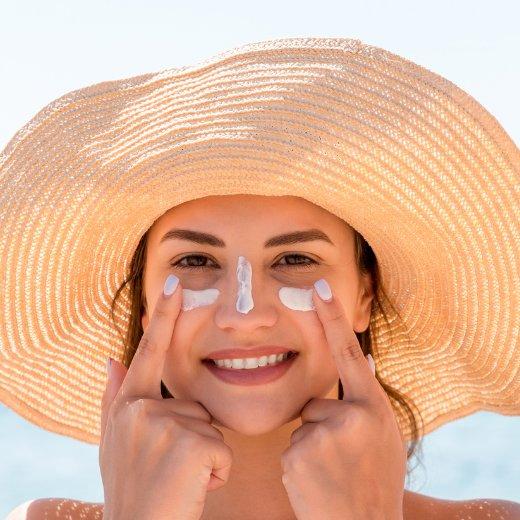
As summer approaches, it's the perfect moment to reassess your sunscreen habits.
Many mainstream sunscreens are packed with potentially harmful chemicals like oxybenzone and octinoxate.
Consider switching to mineral sunscreens, which are safer for both your skin and the planet. Here's a look at why mineral sunscreens are a better option this season.
Advantages of Mineral Sunscreens
Simply put, mineral sunscreens are gentler on your skin. They're less likely to irritate and won't block your pores.
Moreover, these sunscreens are eco-friendly since they don't contain the harmful chemicals found in traditional sunscreens, preventing pollution and protecting marine ecosystems.
Oxybenzone and octinoxate are common in chemical sunscreens. These ingredients are absorbed by the skin and can accumulate in your body over time.
Research links these chemicals to hormone disruption, reproductive harm, and cellular damage. They may also contribute to free radical formation, leading to premature aging.
In contrast, mineral sunscreens create a physical barrier against UV rays. Ingredients like zinc oxide and titanium dioxide are not absorbed and are considered much safer.
Mineral sunscreens provide excellent sun protection by reflecting and scattering UV rays. They also remain stable in sunlight, offering longer-lasting defense. With enhanced protection against both UVA and UVB rays, you're less likely to experience sunburn.

Understanding Chemical Sunscreens
Chemical sunscreens typically include ingredients like avobenzone, octisalate, octocrylene, homosalate, or oxybenzone. These substances absorb UV radiation before it damages your skin.
While chemical sunscreens are often easier to find and apply evenly, they can irritate the skin and may contain harmful chemicals.
Selecting the Right Mineral Sunscreen
When picking a mineral sunscreen, first determine the SPF level you require.
If you plan to spend extended time outdoors, opt for a higher SPF. For everyday use, a lower SPF suffices, but ensure it's at least SPF 30.
Next, review the ingredients. Mineral sunscreens usually feature zinc oxide or titanium dioxide. Both offer great sun protection, yet they differ in texture and application. Zinc oxide can be thicker, while titanium dioxide tends to be lighter and easier to apply.
Lastly, consider your skin type. For sensitive skin, choose a mineral sunscreen containing only zinc oxide. Those with oily skin might prefer a formula with titanium dioxide.
Top Mineral Sunscreen Picks
With various products available that feature effective ingredients like zinc oxide and titanium dioxide, you can enjoy the numerous benefits of mineral sunscreens.
Here are some of our favorite selections:
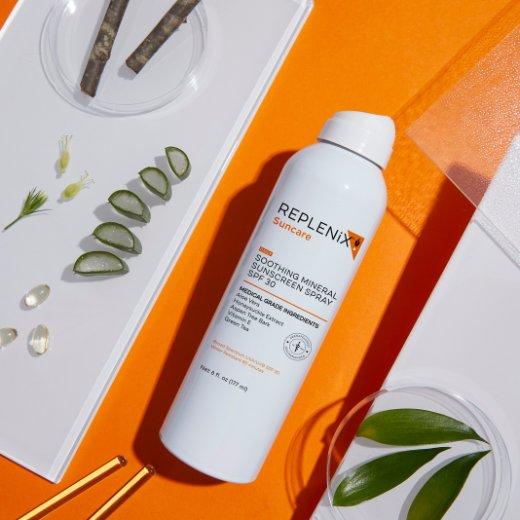
Replenix Soothing Mineral Sunscreen Spray SPF 30
The Replenix Soothing Mineral Sunscreen Spray SPF 30 is a dermatologist-developed, air-powered mineral sunscreen.
This spray blends medical-grade titanium dioxide and zinc oxide for exceptional broad-spectrum protection against harmful UVA/UVB rays.
NeoCutis Journee Firm Revitalizing Day Cream SPF 30
The NeoCutis Journee Firm Revitalizing Mineral Day Cream Broad Spectrum SPF 30 is a powerhouse for your skin, providing four essential benefits in one.
It combats aging with human growth factors and peptides, shields your skin from harmful rays, offers antioxidant protection, and keeps your skin hydrated. This lightweight, non-greasy formula absorbs quickly, ensuring your skin feels fresh.
It's also fragrance-free, non-comedogenic, and cruelty-free, making it great for sensitive skin.
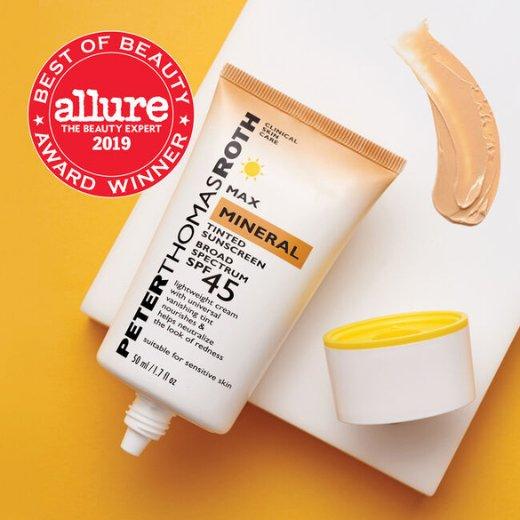
Peter Thomas Roth Max Mineral Tinted Sunscreen Broad Spectrum SPF 45
The tinted Peter Thomas Roth Max Mineral Broad Spectrum SPF 45 is perfect to complete your summer look. This mineral tinted sunscreen helps neutralize redness, giving your skin a natural, radiant finish without a white cast.
Max Mineral suits all skin types, especially sensitive ones. Enjoy your time in the sun with its water-resistant properties.
Looking for more skincare tips? Check out how bathing benefits the skin.