If you love brewing coffee or steeping tea at home, an electric kettle is a must-have. Yet, those with plastic parts are raising alarms, as studies indicate they might release micro- and nanoplastics into your drinking water.
A 2025 study in npj Emerging Contaminants highlighted that while conclusive evidence is lacking, using plastic kettles might increase the risk of ingesting tiny plastic particles. Given rising concerns over the health implications of plastics and 'forever chemicals,' this is a risk you shouldn't take for your daily brew.
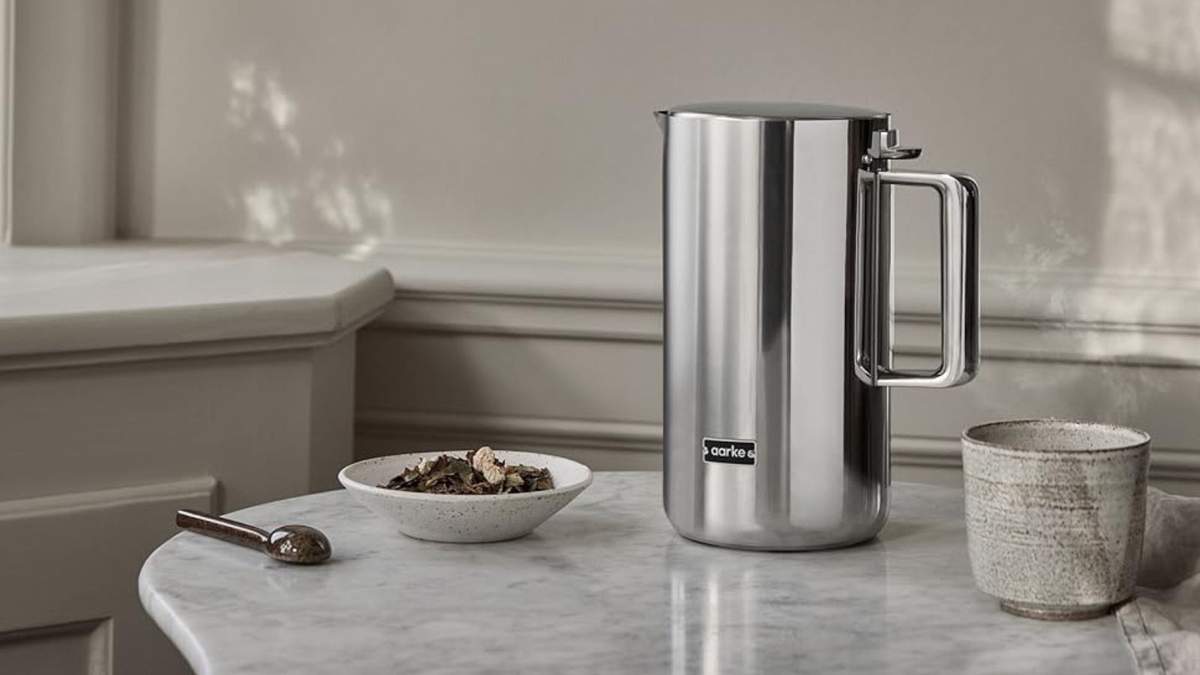
So, what's the solution? Opt for a non-toxic coffee maker that avoids plastic in the water pathway. One great option is the all stainless steel Aarke kettle, shown above. Here's why making this switch is important.
Why Plastic Kettles Might Be Harmful
Rising concerns have emerged regarding whether heat and frequent use of plastic appliances can lead to the release of micro- and nanoplastics into your water.
Many budget-friendly electric kettles still feature plastic components, often using materials like polypropylene (PP), ABS, or polycarbonate blends. When these materials are repeatedly heated during home coffee making, they can degrade and leach additives, introducing tiny plastic particles into the water.
Though initial studies are uncertain about the long-term effects of microplastics on health, it's wise to minimize exposure whenever possible, adhering to the 'better safe than sorry' guideline.
Dr. Joseph Mercola, a Board-Certified Family Physician, supports this view. He cites a 2020 Trinity College Dublin Study that examined polypropylene products, including kettles, infant bottles, and lunch boxes, which found that as water temperature increased from 25 to 95 degrees Celsius [77-203°F], the release of microplastics from kettles surged from 0.6 million to 55 million particles per liter. Given that kettles heat water in this range daily, opting for non-plastic materials is advisable.
While the 2025 study indicated that contaminants from some electric kettles may diminish with repeated use, trace levels can persist after extensive boiling. Dr. Mercola noted, "In a 100-day study of plastic kettles, minerals in tap water formed protective films inside the kettles; after 40 days, ions in the water reduced microplastic release by over 89% compared to controls with deionized water. However, this shouldn't be interpreted as a green light for plastic kettles."
In essence, relying on boiling to eliminate plastic is not a dependable method to remove microplastics, despite some reduction in harmful chemicals over time.
Why Choose Stainless Steel Kettles
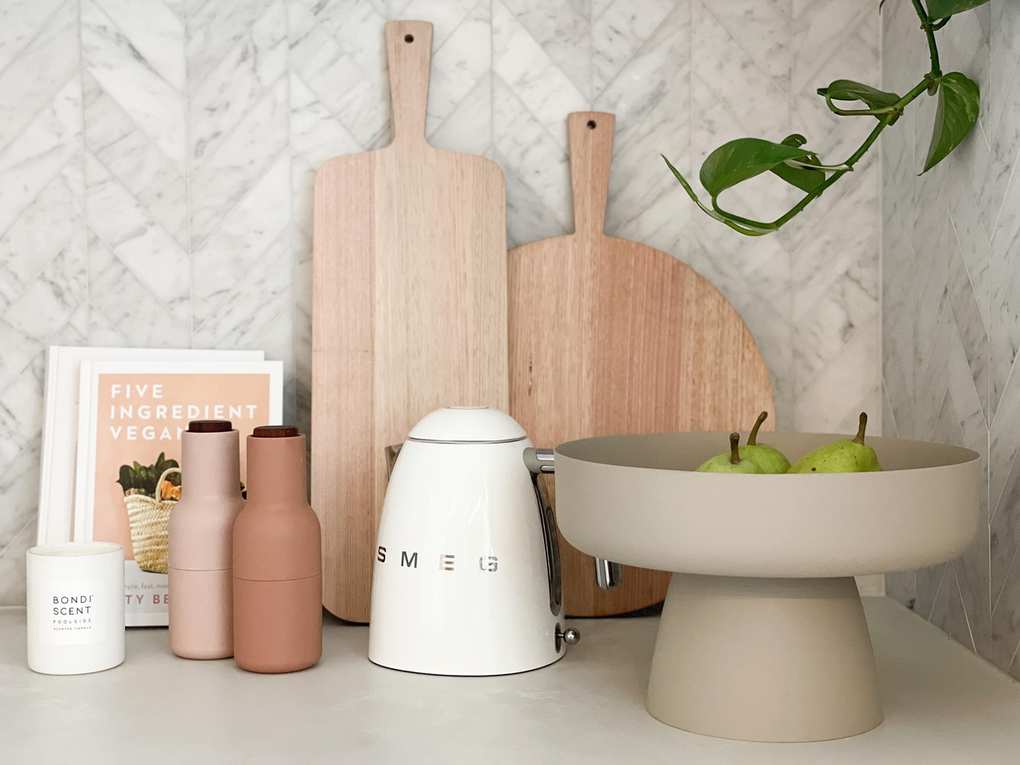
The SMEG kettles, available at Williams Sonoma, showcase excellent stainless steel construction.
In contrast, stainless steel is chemically inert, meaning it won't react or leach harmful substances into food or water, ensuring your drinks taste just right. This is why it ranks among the best non-toxic cookware.
Beyond safety, they're more resilient and resistant to corrosion, making them a smarter financial choice.
When it comes to brewing, stainless steel kettles excel in heat retention, keeping your water warm for multiple brews. This applies to both stainless steel electric kettles like the SMEG Electric Kettle from Williams Sonoma and stovetop kettles like the Willow Kitchen Gooseneck Kettle at Macy's or the KitchenAid Stainless Steel Whistling Induction Kettle from Macy's.
Dr. Mercola concurs, stating, "I recommend using a glass or stainless steel kettle. Ceramic-lined options can work well if the glaze and materials are transparent. The goal for a home kitchen is straightforward: heat water in glass, stainless steel, or ceramic, and then pour it into a ceramic or glass mug. It's best to avoid plastic travel mugs for hot drinks since the same principle holds: heat and plastic don't mix well."
What to Consider When Shopping
Plastics and harmful chemicals can infiltrate various aspects of your coffee-making routine. To minimize this risk, we've gathered six essentials for your coffee bar that are free from BPA and other potentially dangerous materials.
Prices listed are accurate as of publication date.
 Editor's choice
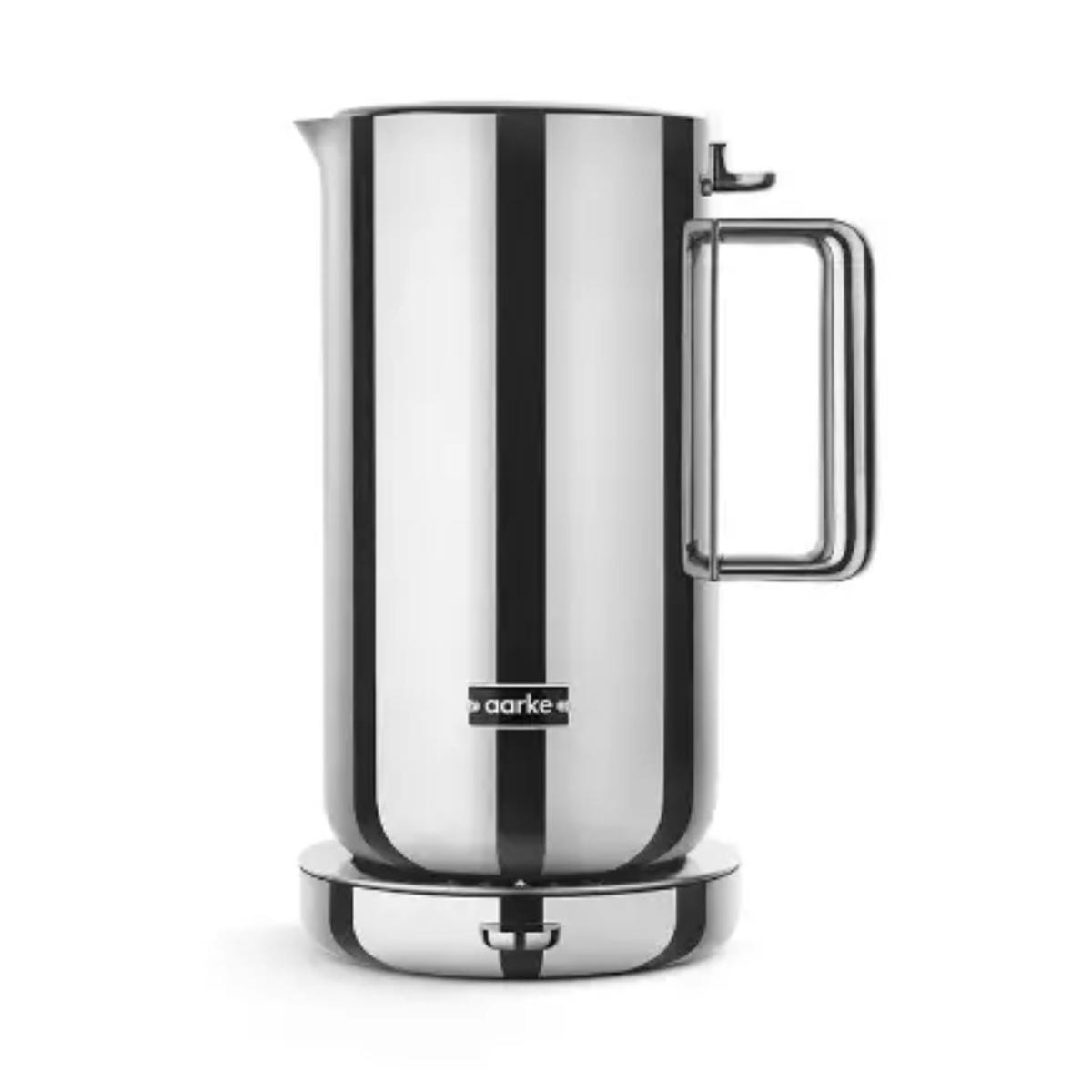
Aarke Electric Kettle
Aarke stands out among non-toxic coffee brands. Their stainless steel kettles are premium priced but offer unmatched craftsmanship. Available in classic steel or a matte black finish, this kettle heats water to five different temperatures, perfect for coffee, tea, and hot chocolate.
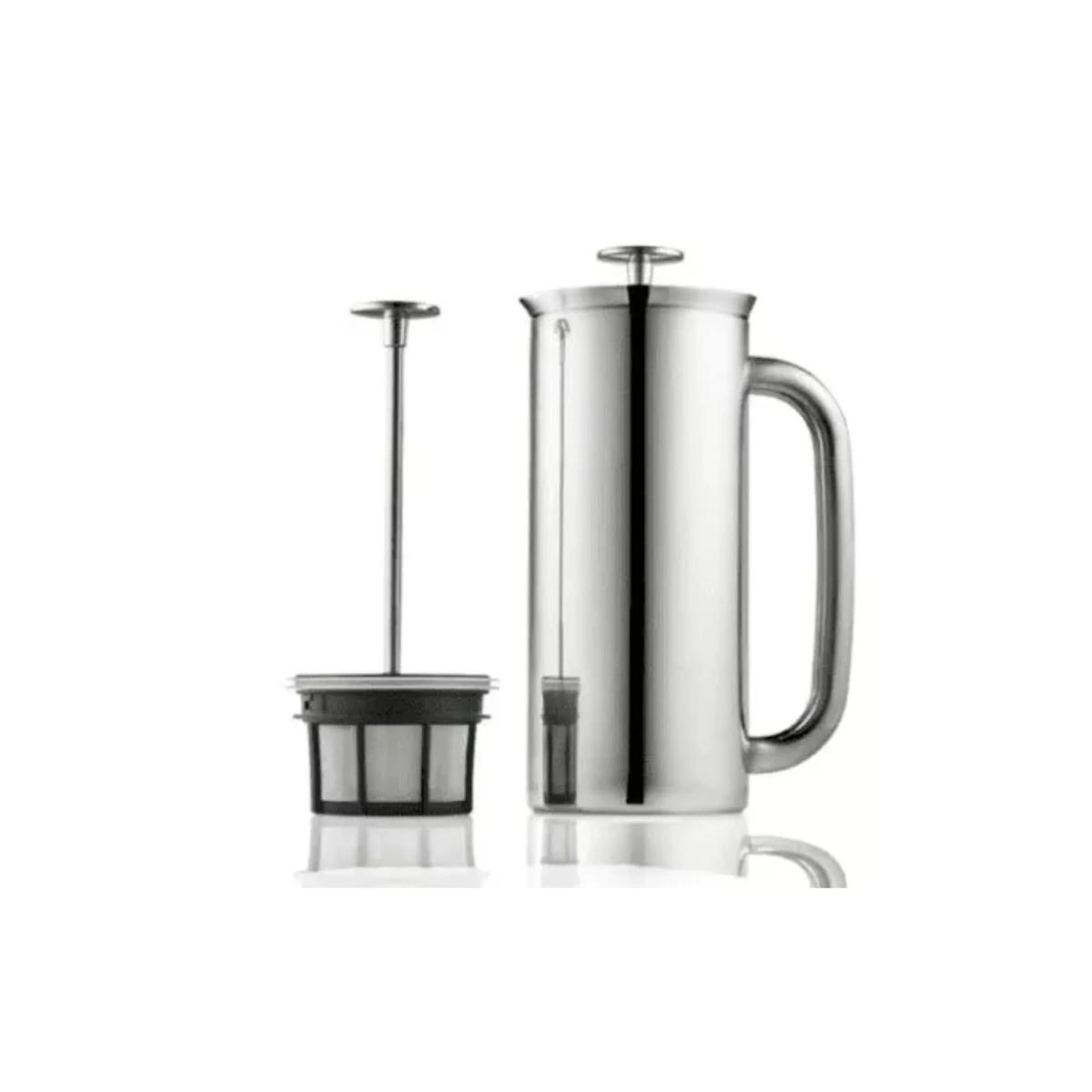 Top French press
The Espro P7 is an exceptional stainless steel coffee maker crafted from high-quality, double-walled steel that keeps coffee warm for hours. The plunger is also BPA-free.
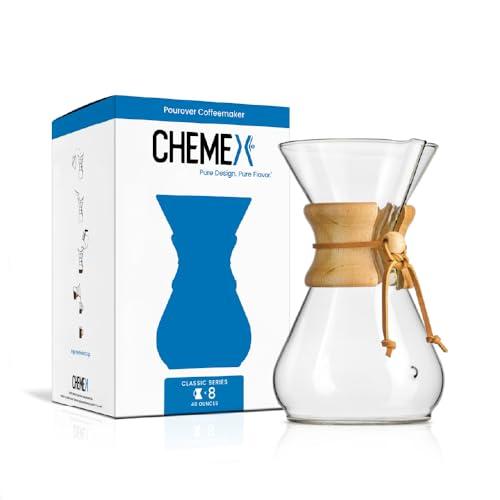 Best Glass Pour Over
The Six Cup Classic CHEMEX is an uncomplicated traditional choice, ideal for those without much counter space or patience for frothers and buttons. Its borosilicate glass is completely non-toxic and priced under $50.
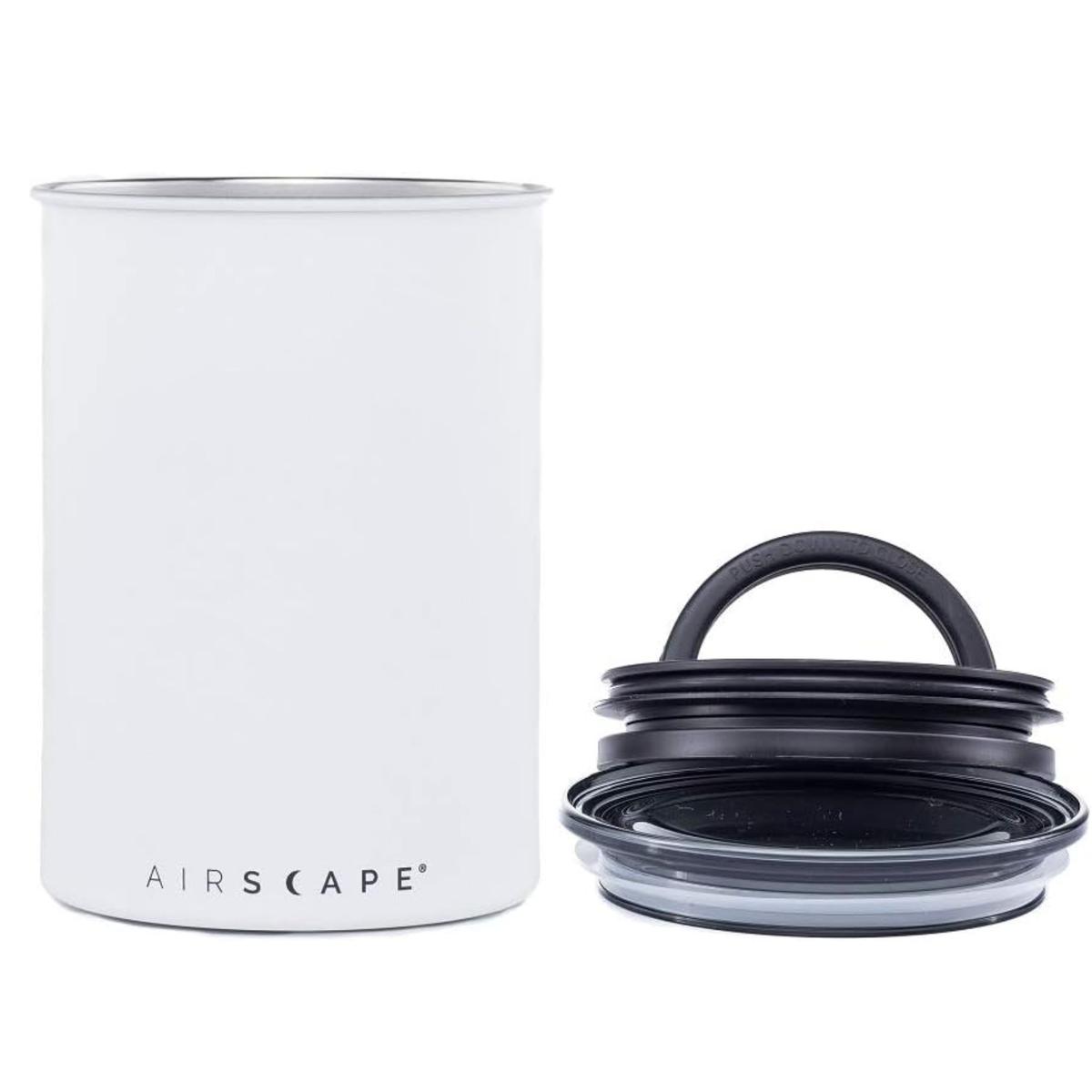 Keeps coffee beans fresh
The Airscape canisters block air, ensuring the contents remain fresh longer, perfect for preserving your coffee beans.
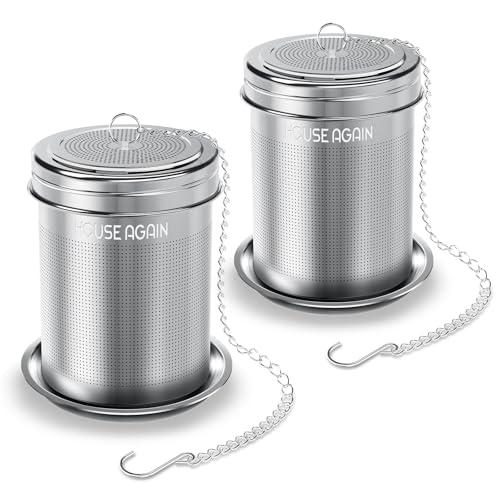 Plastic-free
For those who love loose-leaf tea, these 100% stainless steel infusers are a fantastic way to eliminate plastic from your brewing habits.
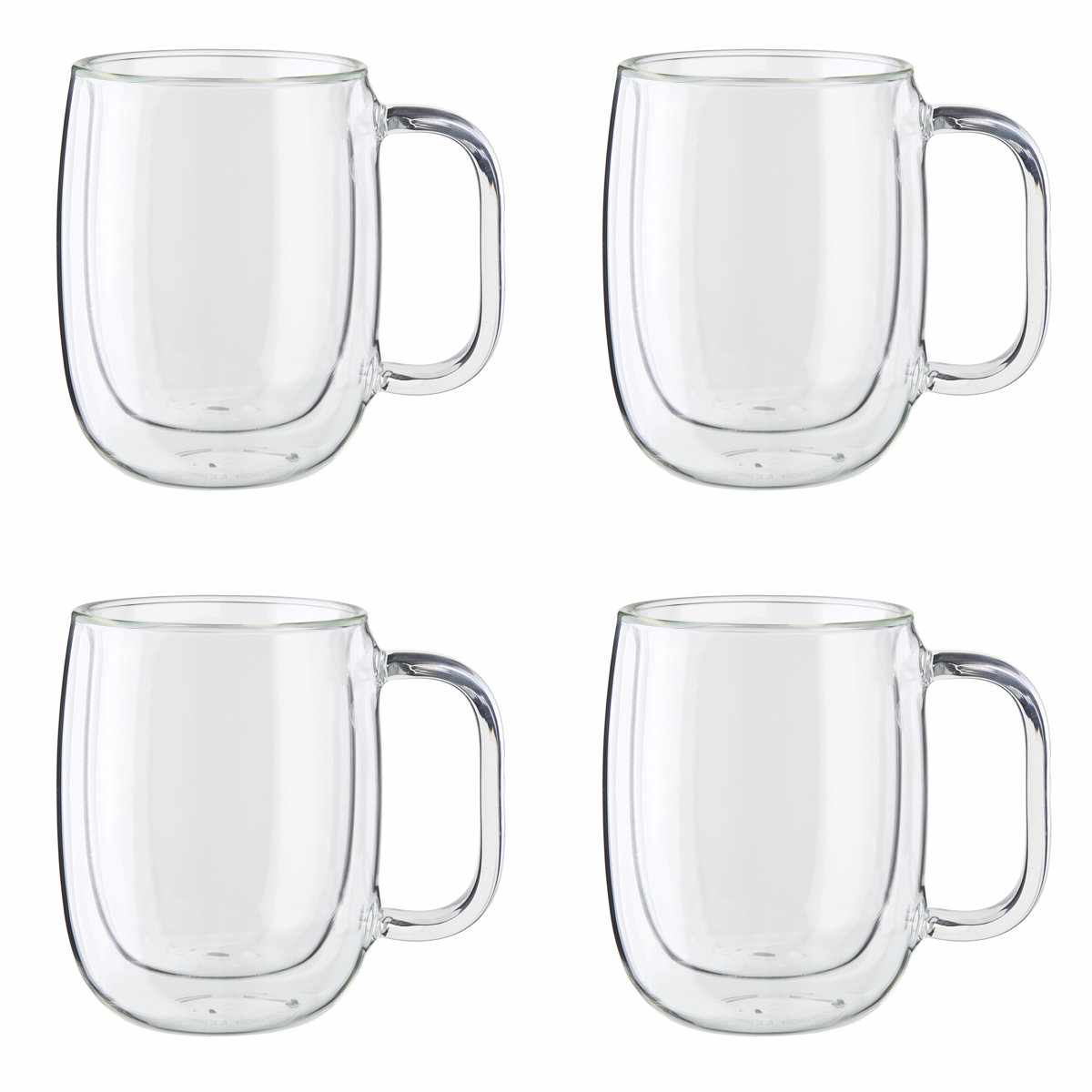 Double wall insulation
These insulated glass mugs keep your coffee warm while ensuring the exterior remains cool for safe handling. They're non-toxic, microwave, and dishwasher safe.
Meet the Expert

Dr. Joseph Mercola is a Board-Certified Family Physician, focusing on holistic health and preventive care. Since 1985, he has treated over 20,000 patients, transitioning to a preventive care model centered around lifestyle modifications. He has authored several books, including "No Grain Diet" and "Your Guide to Cellular Health," while also contributing significantly to medical research.
Beyond health, selecting ethically sourced coffee beans is essential. Our guide to choosing ethical coffee can help you create a more sustainable coffee routine.