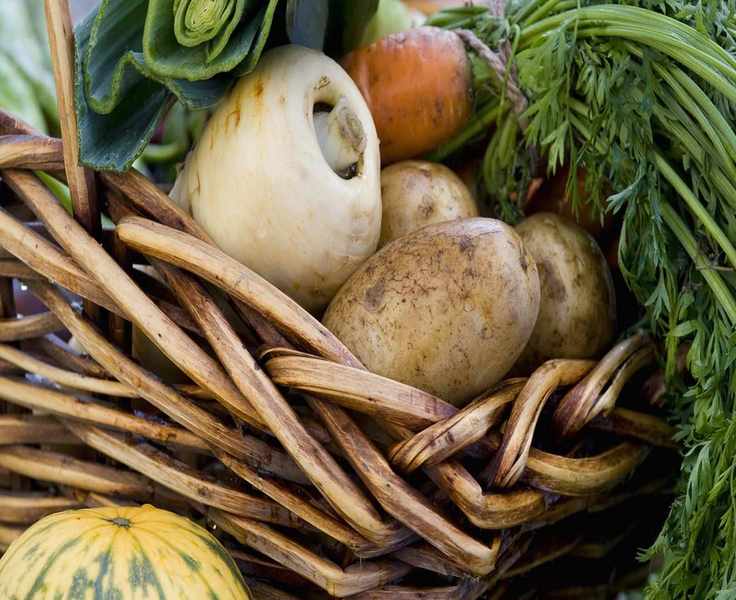
Fall is often seen as a season for harvesting, but it's also an excellent time to plant various vegetables. While many crops flourish in spring and summer, fall offers warm soil that supports quick germination and growth ahead of colder weather.
Vegetables planted in fall can be harvested in the colder months or enjoyed in the following year. During my experience as a kitchen gardener, I consistently sowed crops to ensure fresh produce for winter and early spring. Here's a look at ten vegetables perfect for fall planting that can provide yields through the chilly months and into the next season.
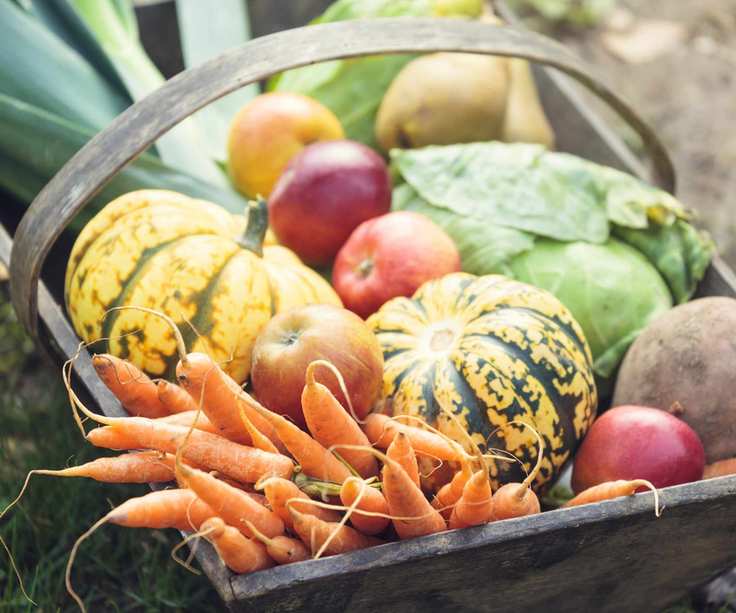
A fall vegetable garden can yield plenty of produce
10 Fall Vegetables to Grow
For a fruitful kitchen garden, make sure to include vegetable planting on your fall to-do list. Aim to get these seeds in the ground before the frost—check local forecasts as frost dates vary by US hardiness zones.
1. Broccoli Rabe
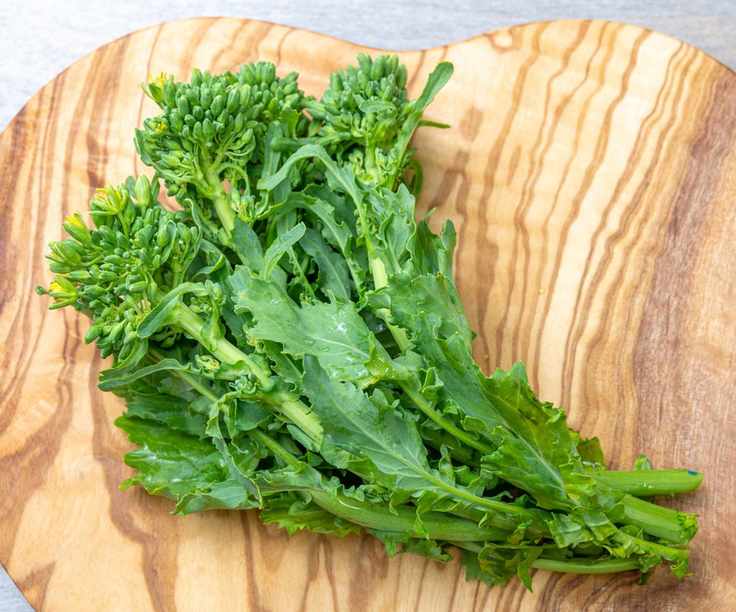
Broccoli rabe is easy and quick to cultivate
- Planting Time: Early fall
- Harvest Time: Mid-fall onward
Broccoli rabe, or rapini, is a fast-growing vegetable that yields small heads akin to broccoli. Every part, including the leaves and stems, is edible. Plant seeds directly in the garden at least eight weeks before the first frost; some varieties can mature in as little as 40 days. Check out rapini seeds on Amazon.
2. Bok Choy
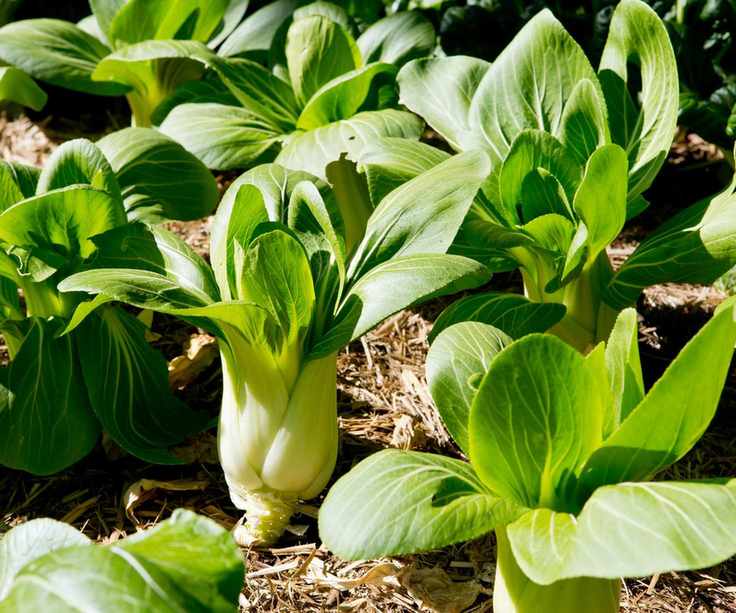
Bok choy, also known as pak choi, thrives in cooler weather
- Planting Time: Early fall
- Harvest Time: Mid-fall onward
Bok choy prefers cooler conditions and can be sown in both spring and fall. This vegetable produces edible stalks and leaves that can be harvested young or allowed to mature for stir-fry dishes.
Plant seeds about half an inch deep in fertile soil, sowing every few weeks for continuous harvests. Baby leaves can be ready in 30 days, while mature plants take about 60 days. Consider Dwarf White Stem Bok Choy seeds from True Leaf Market, which can be harvested in 40-45 days.
3. Spinach
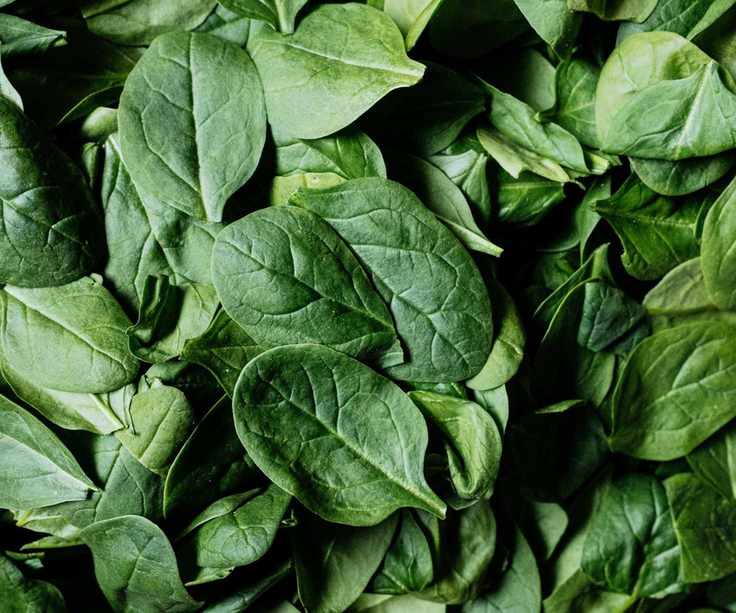
Winter spinach is resilient to cold
- Planting Time: Early fall
- Harvest Time: Mid-fall to spring
Hardy winter spinach varieties can be sown in early fall to ensure fresh leaves through the winter. You can grow spinach in garden beds, containers, or directly in the ground.
Plant seeds one inch deep about six weeks before frost in a sunny spot. Winter cultivars can be harvested from October to April. Consider companion planting to deter pests.
4. Endive
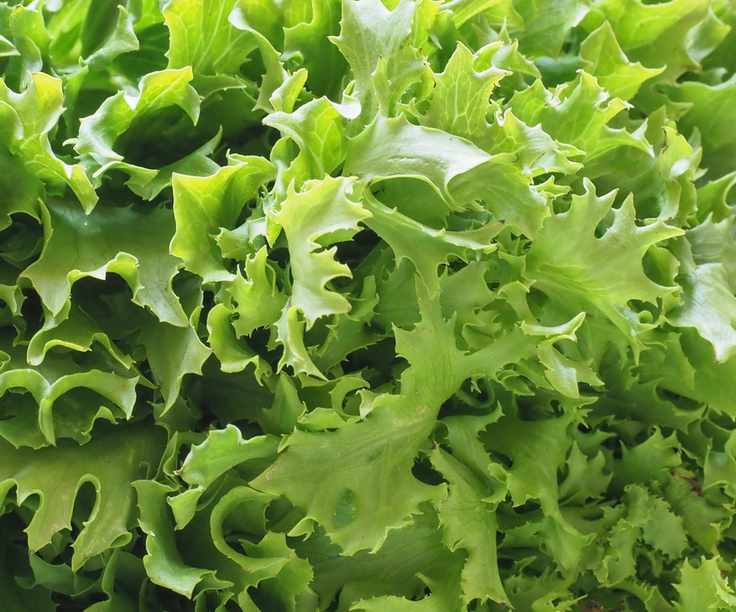
Endive offers a unique bitter flavor
- Planting Time: Early fall
- Harvest Time: Mid-to-late fall
Endive, which resembles lettuce, has a more bitter taste. This cut-and-come-again vegetable allows for early harvesting of baby leaves, generally within a month after sowing, providing flavor to salads. Endive seeds can be sown in fall for winter harvests.
Check out endive seeds at True Leaf Market.
5. Radish
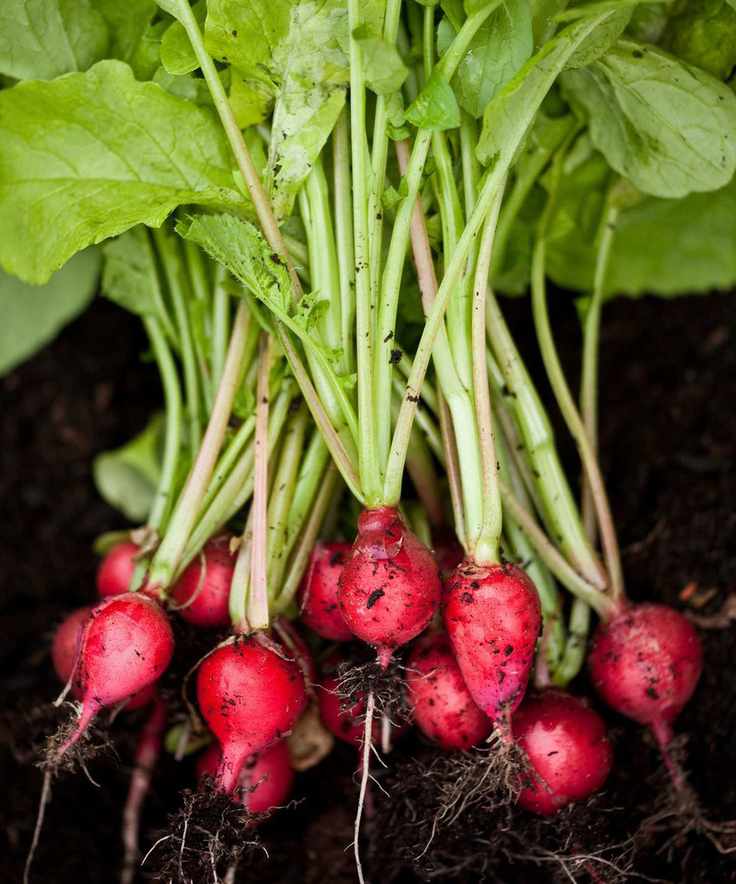
Radishes can mature in as little as four weeks
- Planting Time: Early fall
- Harvest Time: Mid-fall (summer radish) or winter/spring (winter radish)
Radishes are quick-growing vegetables that can be sown in fall for fast harvests. Container-grown radishes can be relocated indoors as temperatures drop to extend the harvest season.
Winter radish varieties grow slower and larger than summer types. Sow them further apart and expect to harvest in about 10 weeks, making it easy to enjoy radishes throughout winter, as they can remain in the ground for continued picking.
Explore radish seeds from True Leaf Market.
6. Lettuce
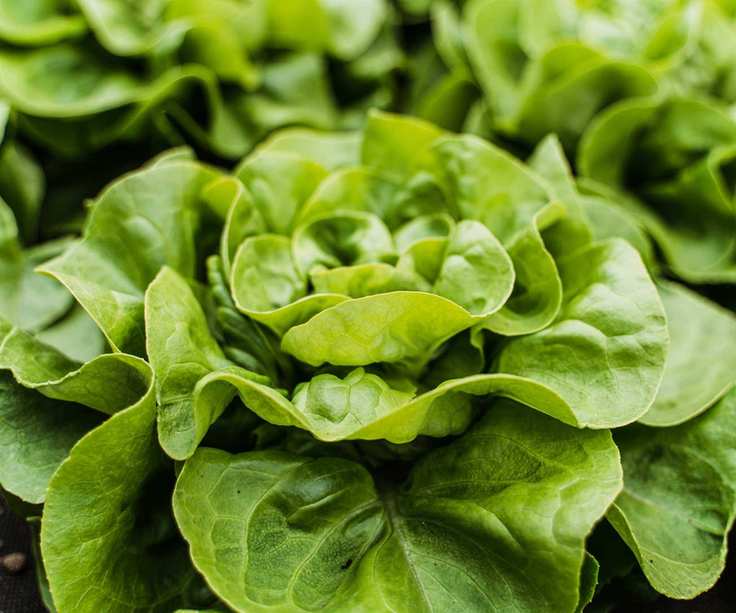
Lettuce varieties should be protected from frost
- Planting Time: Early-to-mid fall
- Harvest Time: Mid-fall onward
Lettuce offers a wide range of colors, shapes, and flavors. You can grow cut-and-come-again leaves or entire heads to harvest. Planting lettuce in fall can yield quick results, with baby leaves ready in 30-40 days.
Using a greenhouse or polytunnel can enhance your options, including year-round cultivation indoors.
Browse lettuce plants and seeds at Burpee.
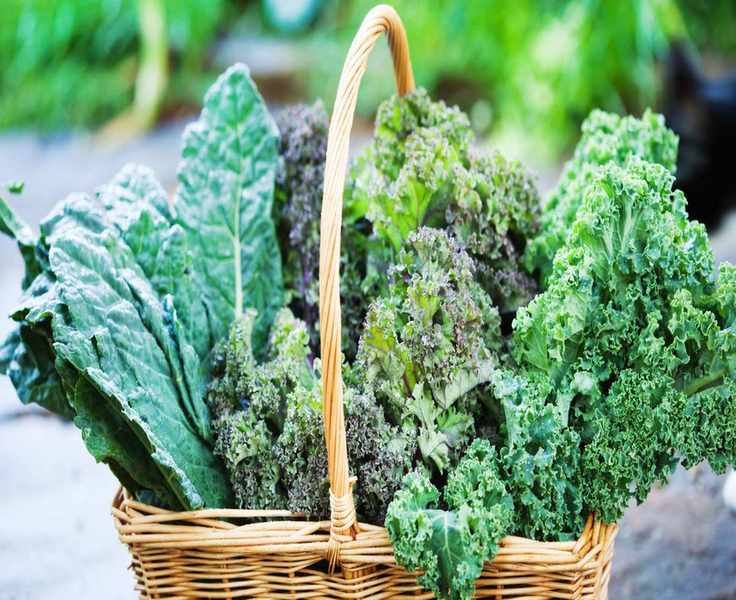
7. Collard Greens
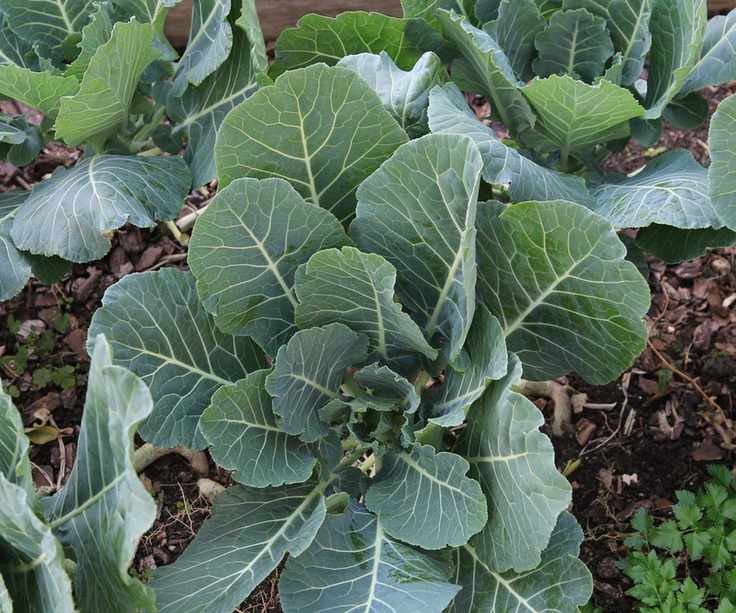
Collard greens are nutrient-rich and flavorful
- Planting Time: Early fall
- Harvest Time: Mid-fall onward
Collard greens are a staple in southern cuisine and ideal for cool-season planting. They thrive with frost and can be harvested throughout winter if planted early.
Seeds should go in the ground at least six weeks before frost, allowing for a quick harvest in about 60 days. You can choose to harvest individual leaves or cut the entire plant. Consider Morris Heading collard green seeds from True Leaf Market, which are ready to harvest in 75-85 days.
8. Onions
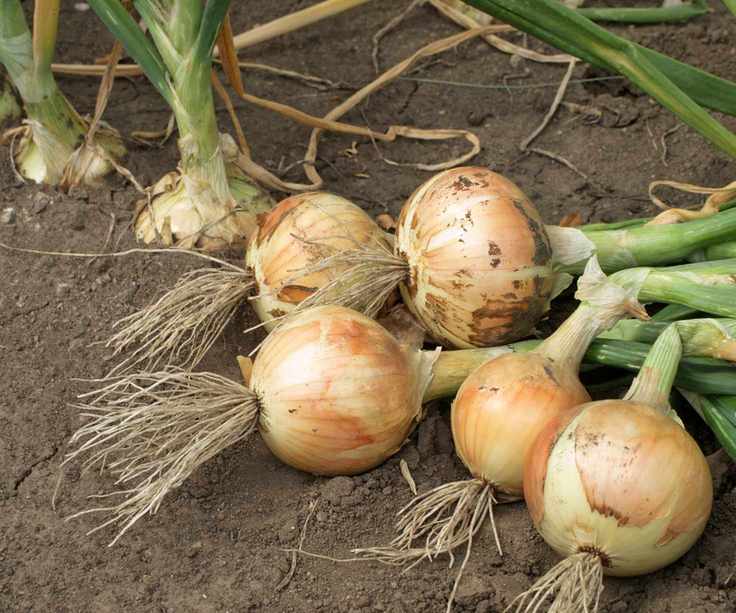
Onions can be planted in both fall and spring
- Planting Time: Early-to-mid fall
- Harvest Time: Mid-summer
Onions are a kitchen garden essential that can be planted in either fall or spring. Autumn-planted onions, which are sown from September to November, are harvested the following summer.
Onion sets simplify the growing process compared to seeds, but seeds can also be used. Avoid planting onions in heavy, waterlogged soil to ensure successful growth. Fall-planted onions will typically be ready for harvest about six weeks earlier than spring-planted varieties.
Check out onion sets at Nature Hills.
9. Garlic
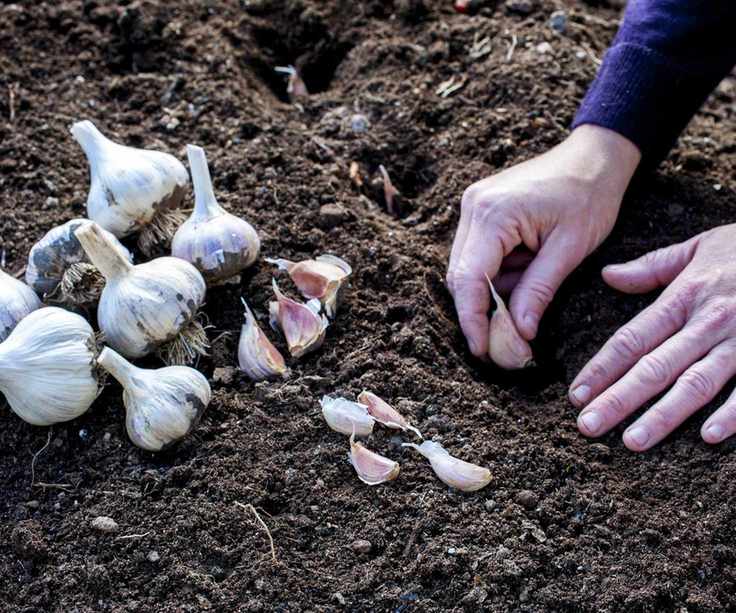
Garlic requires a cold period to form bulbs
- Planting Time: Mid-to-late fall
- Harvest Time: Early summer
Garlic is best planted in fall, although some varieties can also be sown in spring. It requires a long growing season with a cold period of 32–50°F for proper bulb development.
You can choose between hardneck and softneck garlic, with hardneck being more winter-hardy. The ideal planting window spans from mid-fall to early winter.
Find garlic bulbs at Nature Hills.
10. Fava Beans
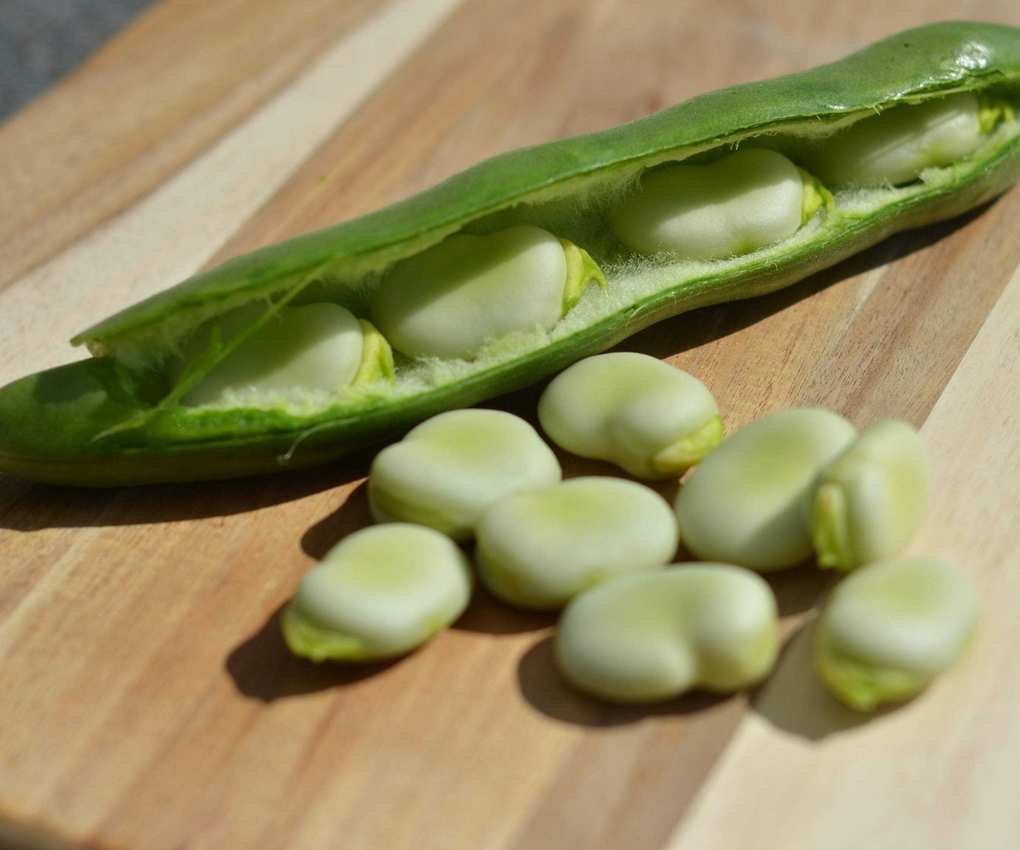
Fava beans can sprout in temperatures as low as 45°F
- Planting Time: Mid-fall
- Harvest Time: Late spring/early summer
Fava beans, or broad beans, can be planted directly in the soil during fall for an early harvest the next year. They can germinate in cooler temperatures, and to plant fava beans, bury each seed two inches deep, spaced six to eight inches apart.
Select varieties suited for fall planting, as some are only appropriate for spring. You can find Aquadulce fava beans from True Leaf Harvest, which are perfect for fall sowing.
Essential Vegetable Planting Tools
Use a seed starting tray like the Burpee Seed Starting Tray to sow your seeds, featuring 36 flexible cells for easy seedling transplanting.
An Easy Seeder Guide helps position seeds precisely, with six sizes to minimize waste during sowing.
Espoma Seed Starter Potting Mix is a premium blend tailored for optimal seedling growth.
FAQs
Which vegetables can you plant in fall for winter harvests?
Several quick-growing vegetables can be sown in early-to-mid fall for winter yields, including carrots, radishes, beetroot, and rocket. Using a greenhouse can encourage warmth for faster germination.
Starting a vegetable garden can be simple with planning. Even a small space can yield fresh produce year-round through successive plantings. Don't underestimate the variety of vegetables that can be planted in fall for delicious harvests in the upcoming months.