
Chronic digestive issues can be incredibly uncomfortable and frustrating. They often lead to restrictive eating patterns or endless conversations about discomfort. While occasional bloating is common, daily digestive distress is not. How can we tackle this? One way is by avoiding common digestive troubles. Additionally, there are practical habits that can enhance digestion. Below, discover easy-to-digest foods to add to your meals for a happier gut.
- Importance of Healthy Digestion
- Indicators of Good Gut Health
- Indicators of Poor Digestion
- 5 Ways to Enhance Gut Health via Diet
- 12 Digestible Foods
- Foods That Are Tough to Digest

Importance of Healthy Digestion
Digestion is fundamental to our well-being. It's essential for absorbing nutrients, supporting organ function, and maintaining hormonal balance. Poor digestion can trigger distressing symptoms, such as bloating and stomach pain.
Often called our “second brain,” the gut’s health is vital. Understanding how to nurture this system is crucial for overall wellness.

Indicators of Good Gut Health
Wondering if your digestive system is functioning well? Here are a few signs:
- 1-2 well-formed bowel movements daily.
- Absence of symptoms like diarrhea or constipation.
- Minimal gas and bloating.
- No skin issues or chronic inflammation.
Indicators of Poor Digestion
On the flip side, poor digestion may manifest as:
- Frequent discomfort, gas, and bloating.
- Chronic fatigue or mood swings.
- Unwanted food cravings.
- Weight changes without explanation.
- Skin problems, such as psoriasis.
- Autoimmune conditions.
5 Ways to Enhance Gut Health via Diet
To improve digestion, consider these simple dietary adjustments:
- Embrace a diverse diet. Focus on high-fiber and antioxidant-rich foods. A variety of ingredients leads to a healthier microbiome.
- Adopt the Mediterranean diet. This approach emphasizes vegetables, fruits, beans, and legumes, all of which are beneficial for gut health.
- Incorporate fermented foods. Items like yogurt, kimchi, and tempeh can bolster your microbiome and reduce harmful bacteria.
- Add prebiotics. These feed your gut’s good bacteria and are found in many fruits, vegetables, and whole grains.
- Boost probiotics. Fermented foods or probiotic supplements can support gut health.
12 Digestible Foods
Your diet significantly affects gut bacteria. To maintain a healthy gut and prevent chronic illnesses, focus on these 12 easy-to-digest foods.
It's never too late to improve gut health! Research indicates that diversifying your diet can shift your microbiome in just 24 hours. Consider incorporating foods like asparagus, artichokes, coconut yogurt, leafy greens, and sauerkraut. Remember, how you eat matters as much as what you eat.
Bananas
Ripe bananas are easier to digest, although those with IBS might find them challenging. Packed with carbohydrates, potassium, and fiber, bananas also hydrate, making them ideal during digestive distress. Pair with Greek yogurt for protein and chia seeds for better blood sugar management.
Recipe: Chocolate Banana Almond Butter Smoothie

Bone Broth
Bone broth is nutrient-dense and easy to digest, offering amino acids, electrolytes, and collagen. Its vitamins and minerals, including iron and zinc, support gut health and overall wellness.
Recipe: Homemade Bone Broth

White Rice
While fiber is generally beneficial, high-fiber foods may not suit everyone. Low-fiber options like white rice are gentler on the digestive system. Pair with healthy fats and protein for better digestion.
Recipe: Spring Rice Salad
Sourdough Bread
Sourdough bread is easier to digest than many refined grains. It acts as a prebiotic, nourishing beneficial gut bacteria.
Recipe: Ricotta Toast with Honey and Pistachios
Lean Protein
Lean proteins like poultry, fish, and tofu are generally easy to digest due to their low fiber content. Avoid excessive portions that may hinder digestion, and limit ultra-processed proteins.
Recipe: Spiced-Rubbed Chicken Thighs
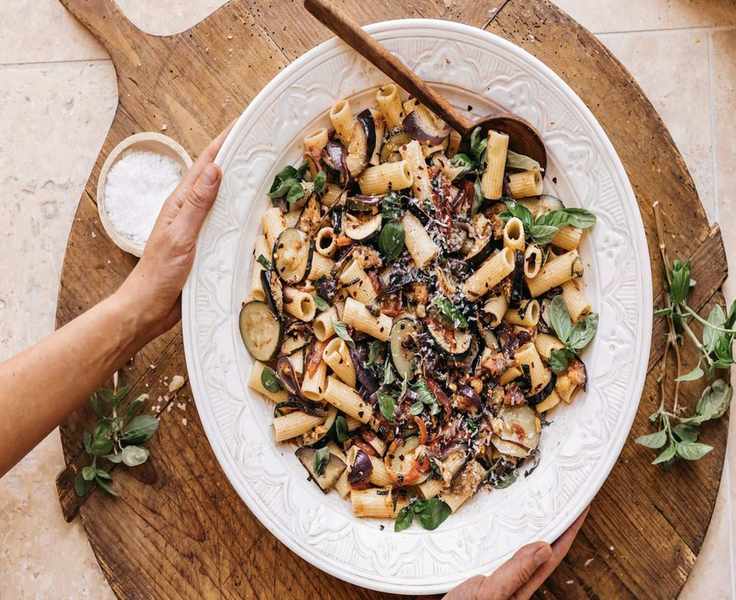
Cooked Vegetables
Cooking vegetables reduces their fiber content, making them easier to digest. Opt for softer varieties like spinach, pumpkin, and carrots, which are gentle on the stomach.
Recipe: Roasted Vegetable Pasta

Applesauce
While fruit is nutritious, its fiber can sometimes cause issues. Cooking and pureeing fruit, like making applesauce, simplifies digestion and can help with certain types of diarrhea.
Recipe: Cinnamon Baked Apples

Eggs
Eggs, whether boiled, poached, or scrambled, are nutrient-dense and generally digest well. Pair with soft bread for added carbohydrates. Fry with ghee or olive oil for a gentler option.
Recipe: Spicy Turkish Eggs Breakfast Bowl
Instant Oats
If traditional oatmeal is too fibrous, try instant oats. These are processed for easier digestion. Enhance with chia seeds, berries, and Greek yogurt for gut health support.
Recipe: Grain-free Overnight Oatmeal
Gelatin
Gelatin-rich broths are beneficial for gut health. Gelatin, derived from animal collagen, aids digestion and maintains fluid in the gut. Consider adding collagen to your drinks.
Recipe: Matcha Latte
Low-Fat Greek Yogurt
Bloating can be lessened by consuming soft foods. Low-fat yogurt is gentler on the stomach and contains probiotics, which promote healthy digestion.
Recipe: Sheet Pan Sweet Potato and Chickpea Bowl

Salmon
Salmon is packed with omega-3s and protein, making it easy to digest. Its fatty acids help reduce inflammation, supporting digestive health. Incorporate baked or poached salmon into your meals.
Recipe: Grilled Salmon with Peach Salsa
Foods That Are Tough to Digest
Some common gut offenders include:
- Ultra-processed grains
- Refined sugars
- Spicy foods
- Industrial seed oils
- Conventional dairy
- Alcohol
These foods can disrupt gut balance, leading to various digestive issues. If unsure about your digestive health, consult a healthcare professional to identify underlying problems.
This post was last updated on August 8, 2025 to include new insights.
30 Simple Delights to Add to Your June Calendar