If you've ever taken a floral arranging class, you might be familiar with floral foam. This lightweight green block, once soaked, provides a base for various floral designs and serves as a water source for your flowers. Unfortunately, it poses significant environmental hazards.
Having trained as a florist eight years ago, I learned the traditional foam techniques without understanding the environmental implications. Awareness has surged since then about the downsides of floral foam, sparking a movement towards sustainable floristry. A quick look at #nofloralfoam on social media illustrates this shift.
Upon realizing the damage caused by floral foam, I committed to using sustainable alternatives that can be reused. If you're interested in eco-friendly gardening, these alternatives are sure to resonate with you.
Why Is Floral Foam Problematic?
The contents of floral foam are a mystery; the ingredients aren't listed on packaging or online. What we know is that floral foam is non-biodegradable, not reusable, and contains microplastics. When disposed of, these microplastics can contaminate water and air.
From personal experience, I've found that inhaling particles from dry floral foam can cause coughing and worsen respiratory issues. The UK's Royal Horticultural Society has banned its use at major flower shows, while the Slow Flowers Society in the US advocates for alternatives.
Historically, during the era of renowned florists like Constance Spry in the 1920s and 30s, beautiful arrangements were crafted without floral foam, which was patented in the 1950s. Prior methods included chicken wire, water, and moss for hydration and structure. We can learn from these past techniques in our quest for sustainability.
Using eco-friendly floral foam alternatives is safer for you and the environment. The following twelve options provide excellent structural support for your designs and can be reused or composted afterward.
1. Chicken Wire
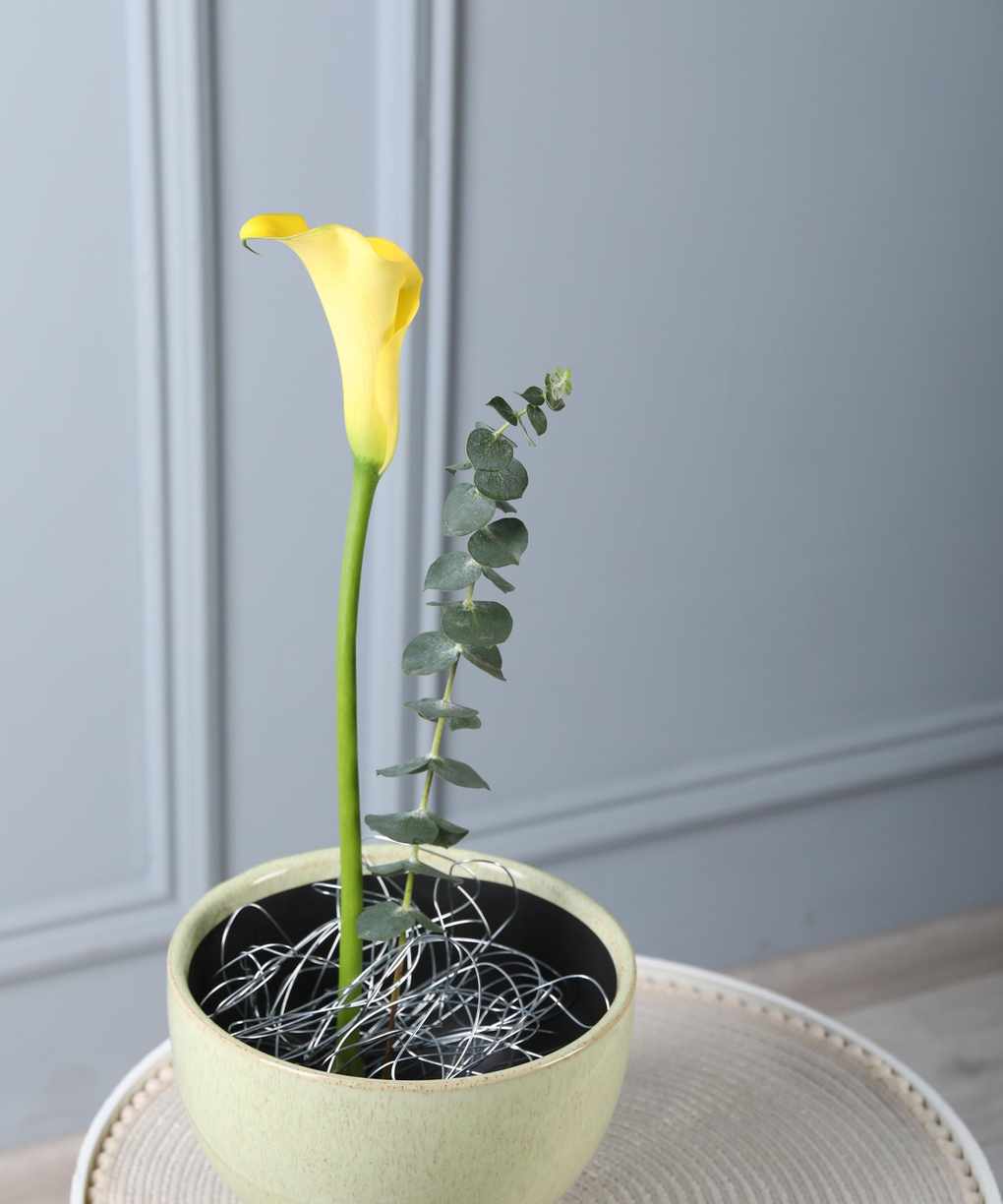
Chicken wire, available from Amazon, offers a cost-effective way to create a sturdy structure for your stems in any watertight container.
To make a pillow form from chicken wire, fold a flat piece several times for a layered 3D grid. Fit this snugly inside your chosen vase, slightly above the rim, and secure it with floristry pot tape - I recommend this Amazon option. Then, fill the vase with water.
These grids can be reused by drying them after use to prevent rust.
Chicken wire comes in various gauges; I find smaller grids more efficient. This hardware cloth wire roll from Amazon works perfectly for this purpose.
2. Moss

There's nothing quite like using natural materials like moss for floral designs.
Moss can serve as a base in vases, including glass ones, and is great for wreaths or tributes. Encasing it in chicken wire forms 'mossages' for larger installations.
Any type works, but I prefer sphagnum moss from Walmart for its water retention capabilities.
3. Flower Frogs or Kenzans
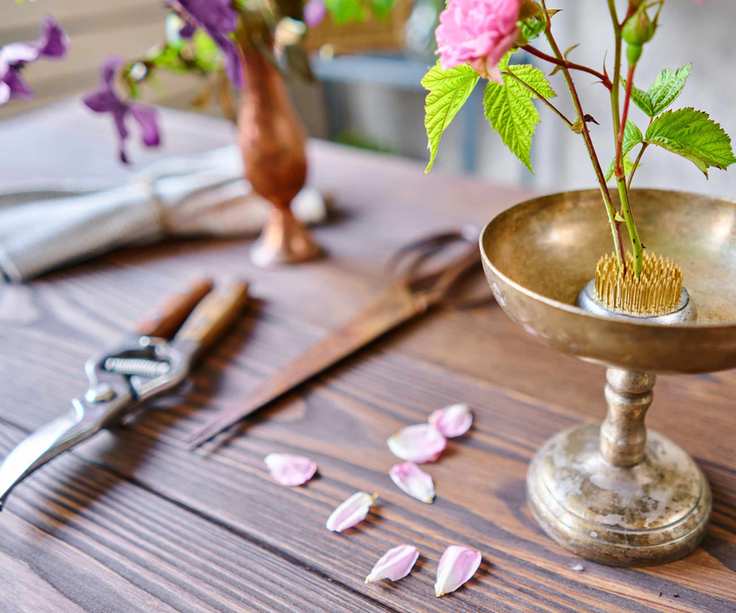
Kenzans, also known as flower frogs, are integral to creating structured floral designs, especially in the Japanese art of Ikebana.
These metal devices feature a weighted base with sharp pins. Secure them in your vessel using a strong putty like floral clay from Amazon, then arrange flowers by placing stems into the pins.
Kenzans come in various sizes, from small to large. If you're new to using them, I suggest practicing with assorted sizes; this flower frogs set from Amazon is ideal for beginners.
4. Straw
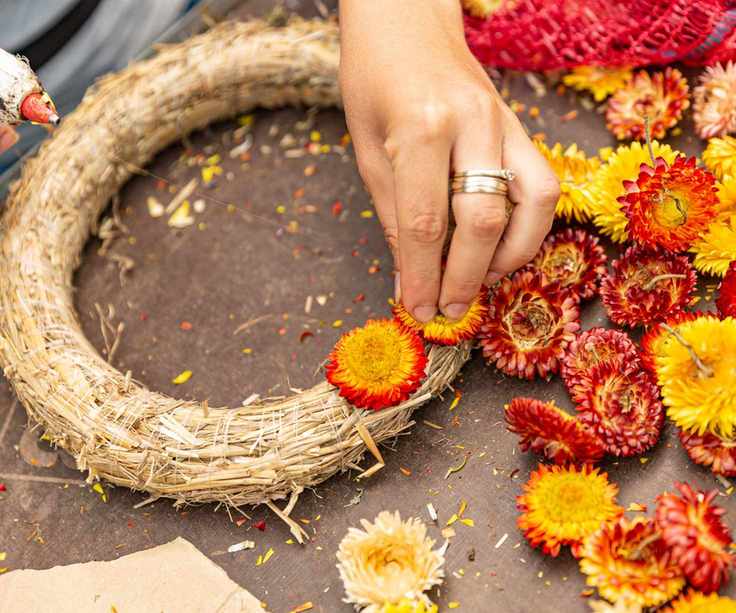
Straw may not work for water-based arrangements but is perfect for wreaths and fall designs.
It's lightweight, ensuring minimal strain on your door, and it remains dry, protecting your surfaces from moisture.
Additionally, straw is budget-friendly and can be glued if using dried or artificial flowers.
5. Flower Tubes
Flower water tubes are incredibly useful for larger arrangements.
These clear plastic tubes with silicone lids, often sold in packs of 100, like these tubes from Walmart, come in various sizes.
Fill them with water, replace the lid, and insert the flower stem through the lid for hydration. They're reusable for numerous floral projects.
6. Vessels with Built-In Grids
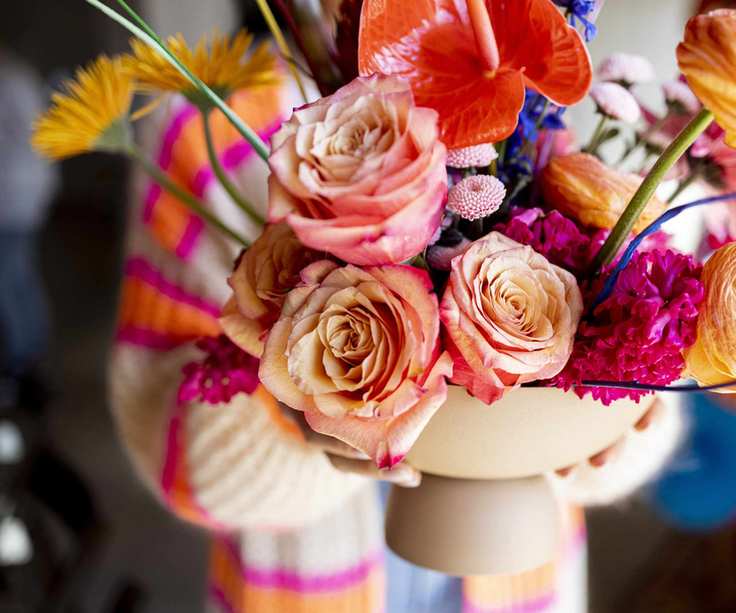
Vintage ceramic vessels often feature built-in metal grids for stabilizing flower stems. These grids are removable and washable, aiding in tricky arrangements.
While they can be hard to find, brands like Wedgewood and Dartmouth Pottery are worth seeking out. Thrift stores and platforms like Etsy or Ebay may yield some finds.
7. Oshun Pouch
The Oshun Pouch, created by Kirsten VanDijk of New Age Floral, is an innovative, eco-friendly product promoting sustainable floristry.
This pouch is 100% biodegradable and expands when hydrated. Once filled, place your stems inside and arrange. Keep it moist by topping off the water daily.
While I haven't tried the Oshun Pouch yet, I'm eager to do so as a zero-waste option.
8. A Potato
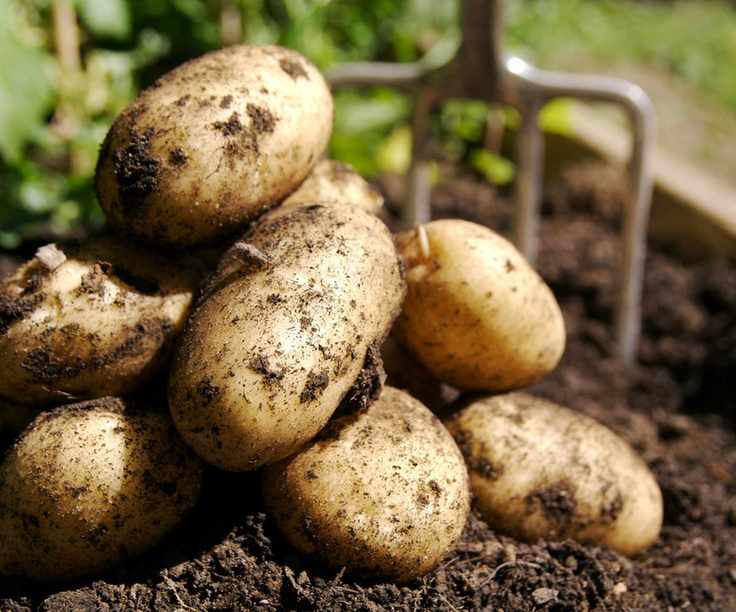
Yes, you can use a potato for floral arrangements! Potatoes are sturdy and retain moisture exceptionally well.
This option is great for winter or festive displays, where robust evergreen stems thrive. If hanging, slice the back for easier attachment.
To use, make a hole for the flower stem with a skewer; this method prevents breakage. Opt for sturdier stems for longevity.
Fully compostable, this method is simple. You could even try watermelon in summer!
9. Agra Wool
Agra Wool is a biodegradable product made from basalt mineral rock fibers. It resembles floral foam in shape and use. Cut to size, soak in water, and insert your flower stems.
I've found it challenging to work with; stems must go all the way through the material, making insertion tricky. However, it's compostable, making it a viable alternative if you seek something similar to foam.
Agra Wool blocks can be found on Amazon.
10. Pebbles
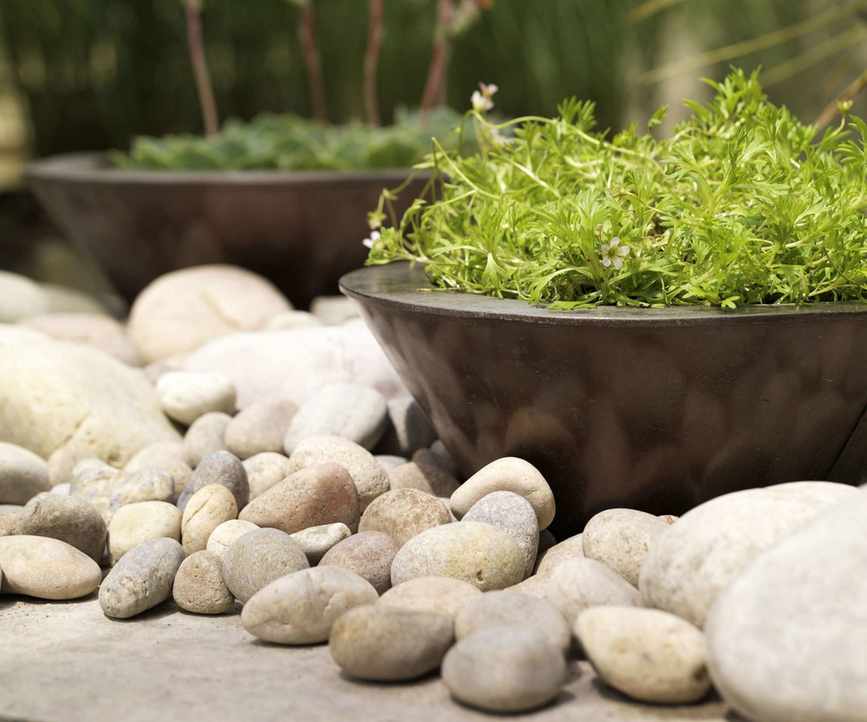
Pebbles or decorative rocks from Walmart make an attractive alternative to floral foam and can enhance your designs.
When used in a vessel, they provide a solid base for heavy stems.
Mixing pebbles with chicken wire or twigs offers additional support.
11. Willow Twigs
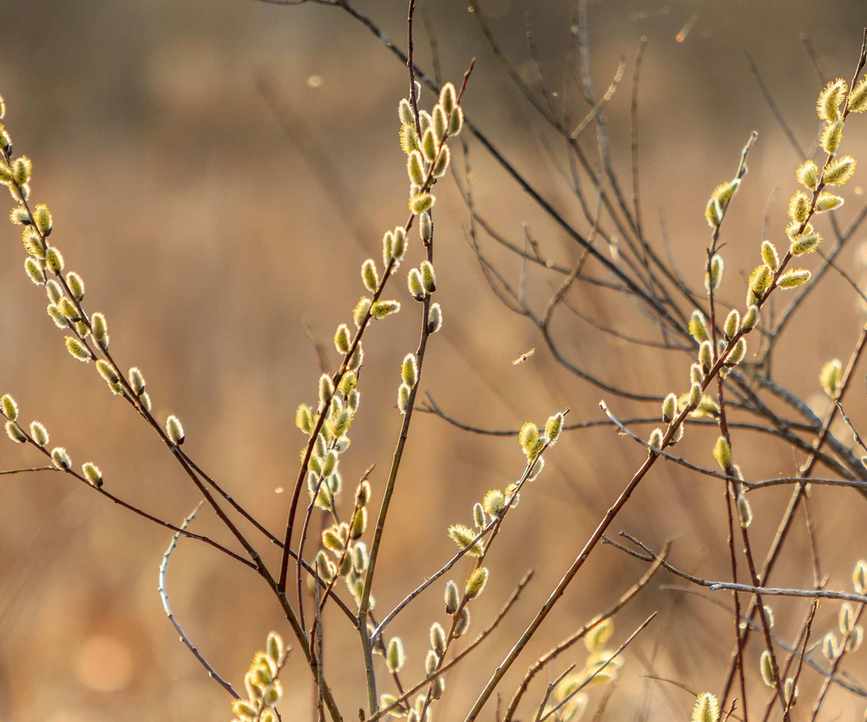
Sustainably sourced willow twigs are ideal for creating natural structures in arrangements. Twigs like willow, hazel, and beech are flexible yet sturdy.
I've used twigs in compostable bamboo bowls for eco-friendly tributes, yielding a beautiful, organic look.
12. Pot Tape
Floristry pot tape allows you to create a simple grid over a wide vase, establishing structure instantly. Available on Amazon or local craft stores, this tape is strong and durable.
The downside is that it's not reusable or compostable, so it must be disposed of in household waste.
Beyond the significant environmental benefits, I find that using sustainable floristry techniques results in more natural-looking arrangements. Your stems will exhibit greater movement, allowing for elegant, professional designs. For more inspiration on elevating your floral arrangements, consider exploring our selection of stylish vases.