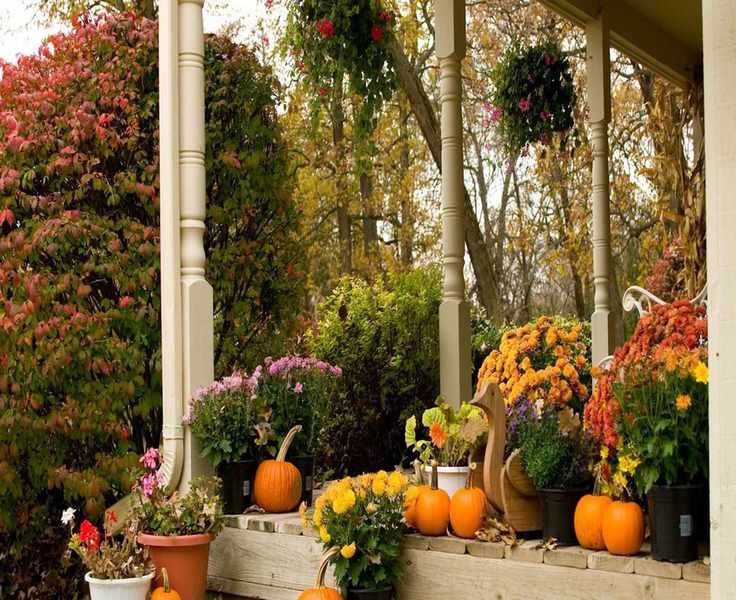
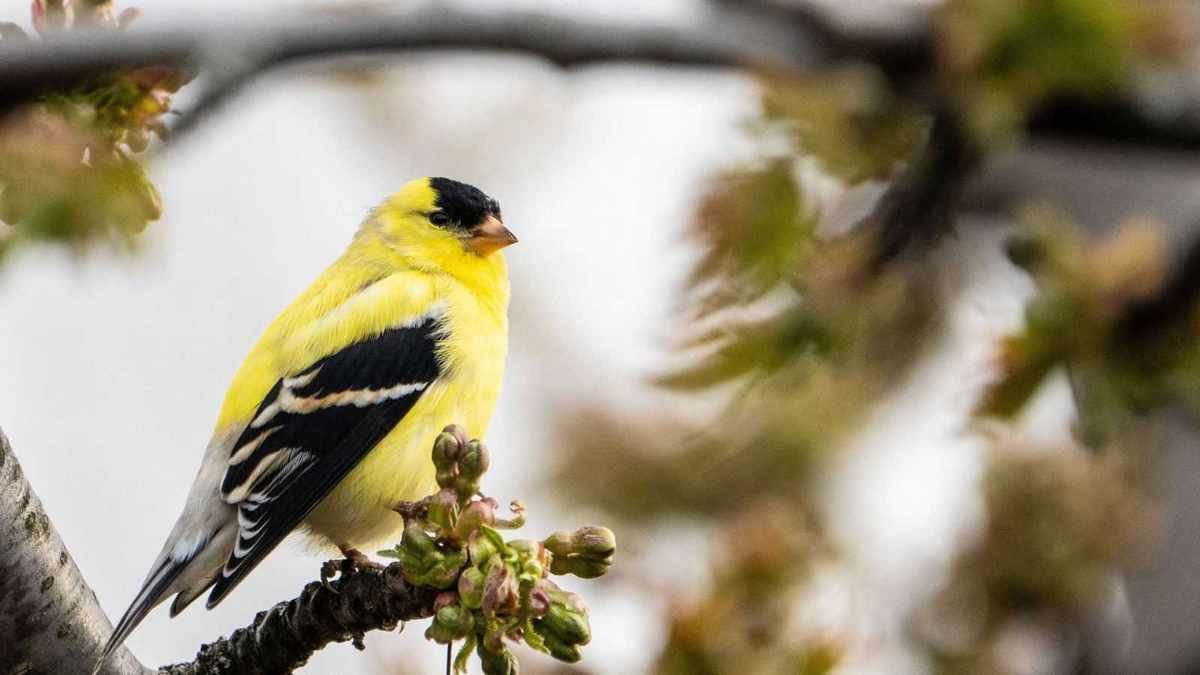
As spring arrives, gardens burst into color, not just from flowers but also from the vibrant birds that visit. One such joy is the sight of an American goldfinch (Spinus tristis), with its bright yellow feathers and cheerful songs.
Commonly found across central and eastern U.S. states, northern goldfinches migrate south in winter. During the off-season, they lose their brilliant plumage for a muted brown, only to regain their striking colors come breeding season. Spotting them is always a delightful experience.
If you're eager to entice more of these lively birds into your outdoor space, we consulted ornithology experts to gather ideas for creating an ideal environment for American goldfinches.
'American goldfinches are unique because they molt twice a year,' states an expert from the Cornell Lab of Ornithology. 'This molting process can take several weeks, and both genders undergo it, with males eventually displaying a vivid yellow color along with olive feathers, black caps, and white wing bars.
'Females sport a deep olive shade with hints of yellow around their heads or necks and have darker bills. Unlike many songbirds, they molt twice annually.'
Here are five straightforward strategies to draw these enchanting birds into your garden.
1. Grow Their Favorite Flowers
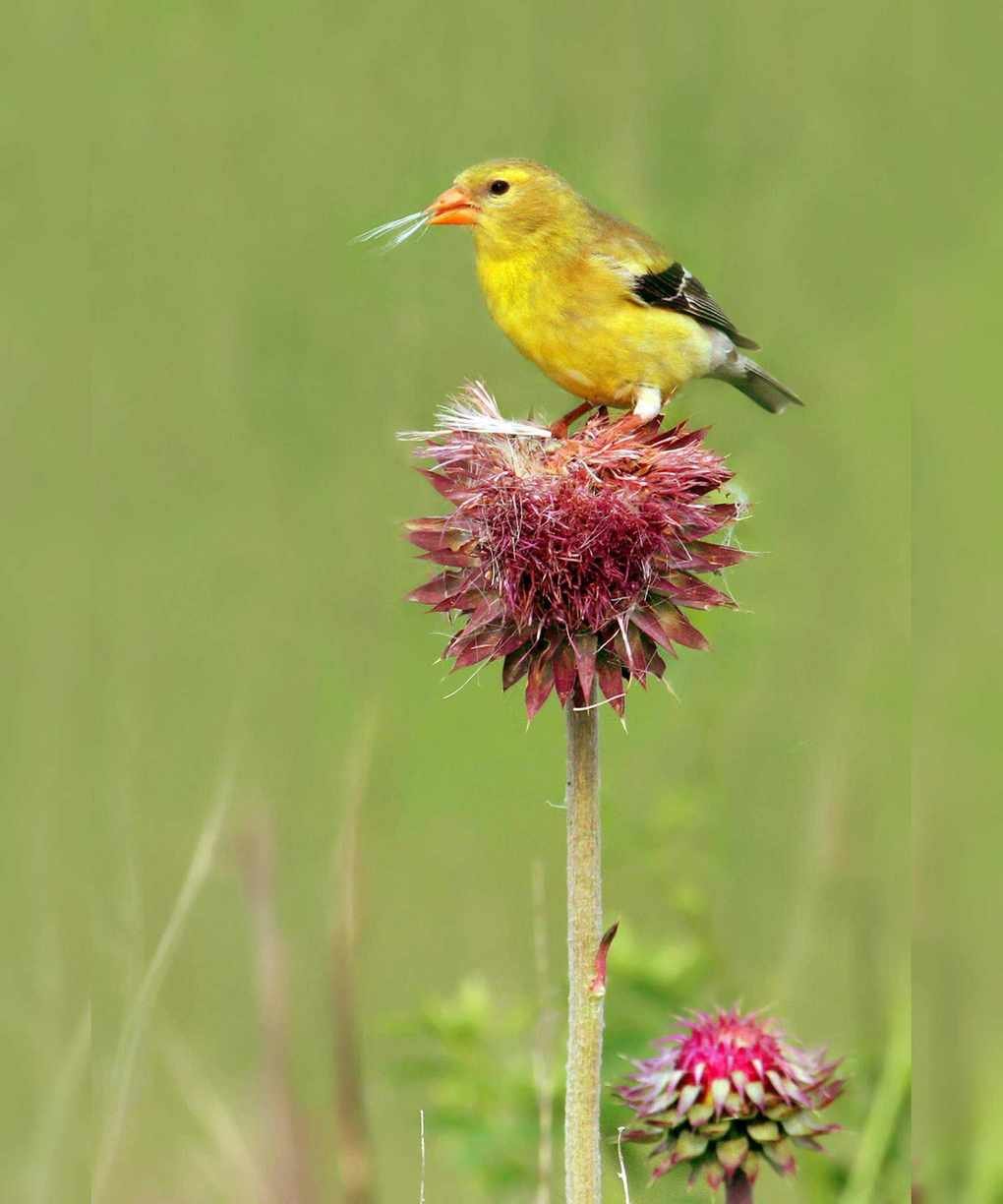
Planting native plants is the best way to establish a goldfinch-friendly garden. These plants thrive in their local environment, requiring less maintenance and water.
The types of plants to choose will depend on your region, but select species that produce seed heads for food and nesting materials. 'Goldfinches love native flowering plants like black-eyed Susans, echinacea, milkweed, bee balm, asters, goldenrod, and thistles,' says an expert.
'These plants not only provide seeds for food but also offer fluff for nest construction, especially milkweed and native thistles. Just ensure to use only thistle species that are local to your area.'
This common milkweed is native to many areas in the U.S. and supports both goldfinches and Monarch butterflies.
'The Allegheny Serviceberry (Amelanchier laevis) is a vital early-blooming tree that offers food for pollinators. After blooming, it produces red fruits favored by goldfinches,' shares another expert. 'Sneezeweed (Helenium autumnale) also attracts goldfinches once the flower heads turn to seed, as it is native throughout the continental U.S.'
2. Leave Seed Heads on Flowers
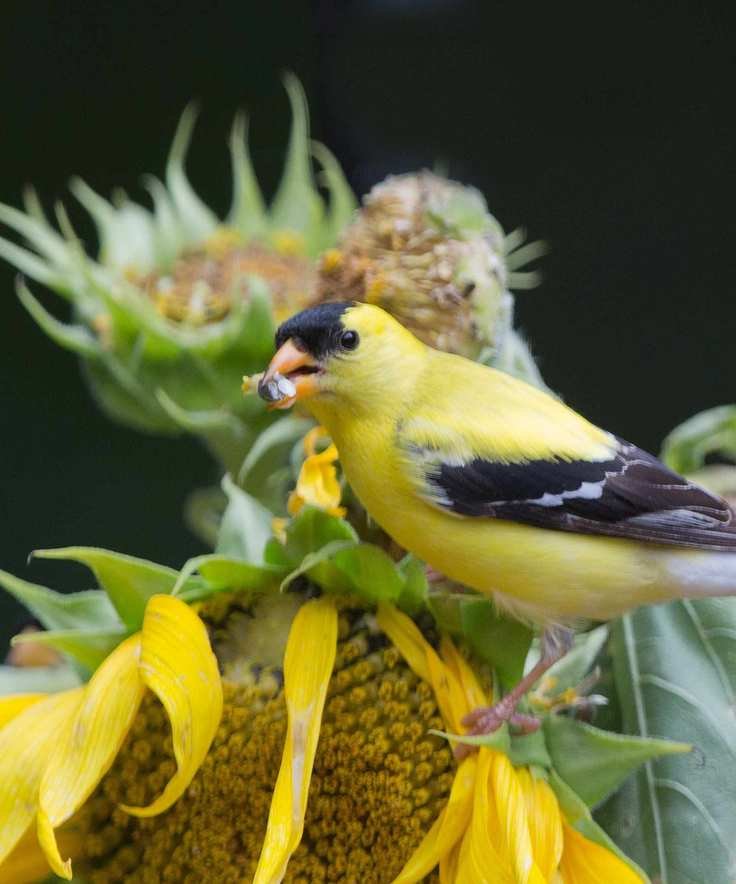
While it may be tempting to tidy up your yard in late summer, leaving self-seeding flowers standing is key to attracting goldfinches.
These birds nest late, starting around June and sometimes as late as August. A bounty of seed-rich blooms will entice them to your garden.
'As late nesters, goldfinches rely on seeds for their young, especially during molting and breeding. They might have two broods in one season,' explains an expert. 'Unlike many songbirds, they feed their chicks seeds, not insects.'
Allowing your garden to remain a bit wild into fall ensures goldfinches can feed on the standing seed heads long after blooming. 'Unraked leaves and seed-laden native flowers like purple coneflower and black-eyed Susan offer foraging and shelter,' adds another expert.
3. Incorporate Shrubs and Trees for Shelter
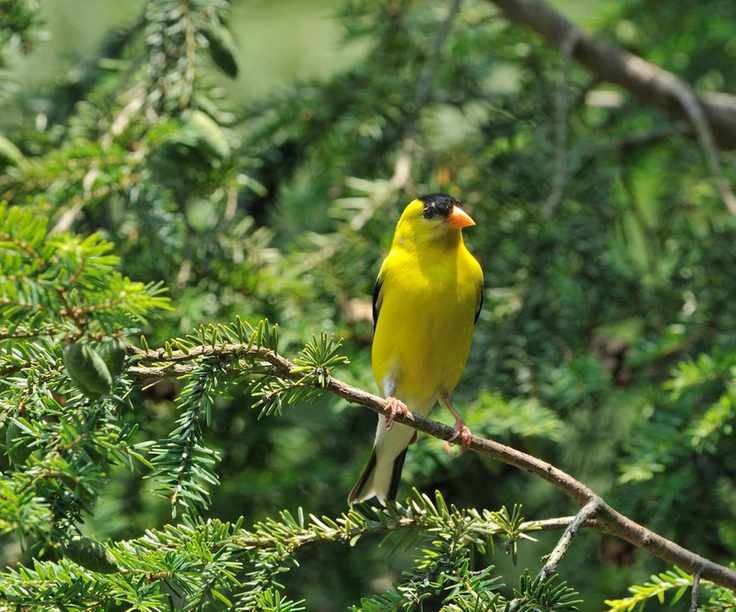
American goldfinches, like other small songbirds, seek refuge in native plants and trees to rest, nest, and evade predators. Planting favorites like dogwoods, hawthorns, and serviceberry trees in your yard can provide essential shelter.
'Native shrubs near open spaces are preferred nesting sites for goldfinches,' notes an expert. 'They tend to avoid dense forests for nesting, favoring shrubs at the edges.'
Goldfinches build open cup nests in saplings or small trees, often using branches for support. 'They typically nest in deciduous shrubs or trees, sometimes in conifers, usually under 30 feet high. Native plants and trees offer both food and cover.'
4. Set Up a Seed-Filled Bird Feeder
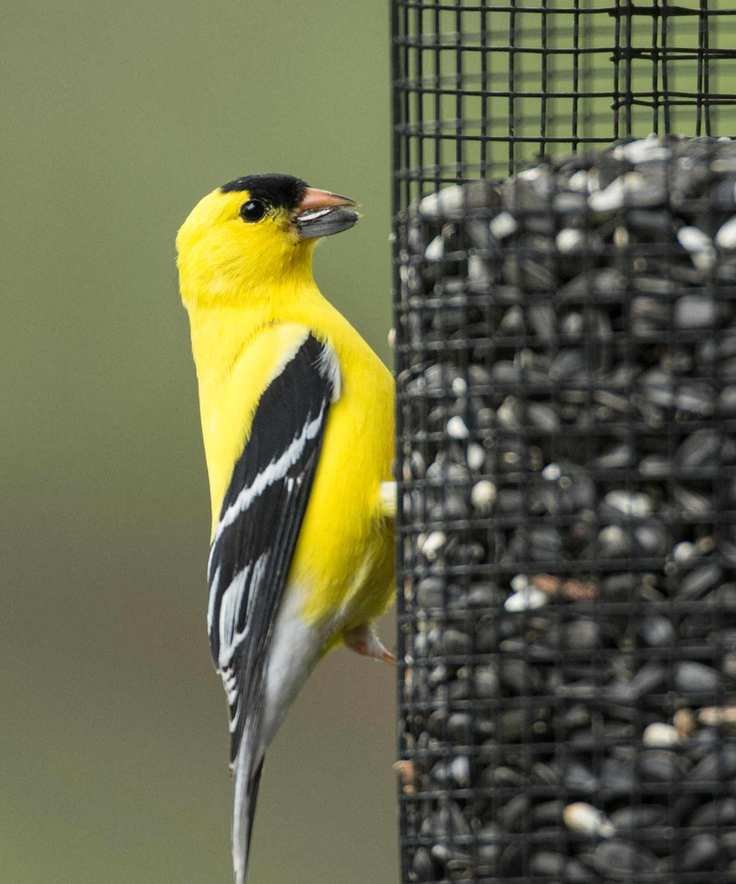
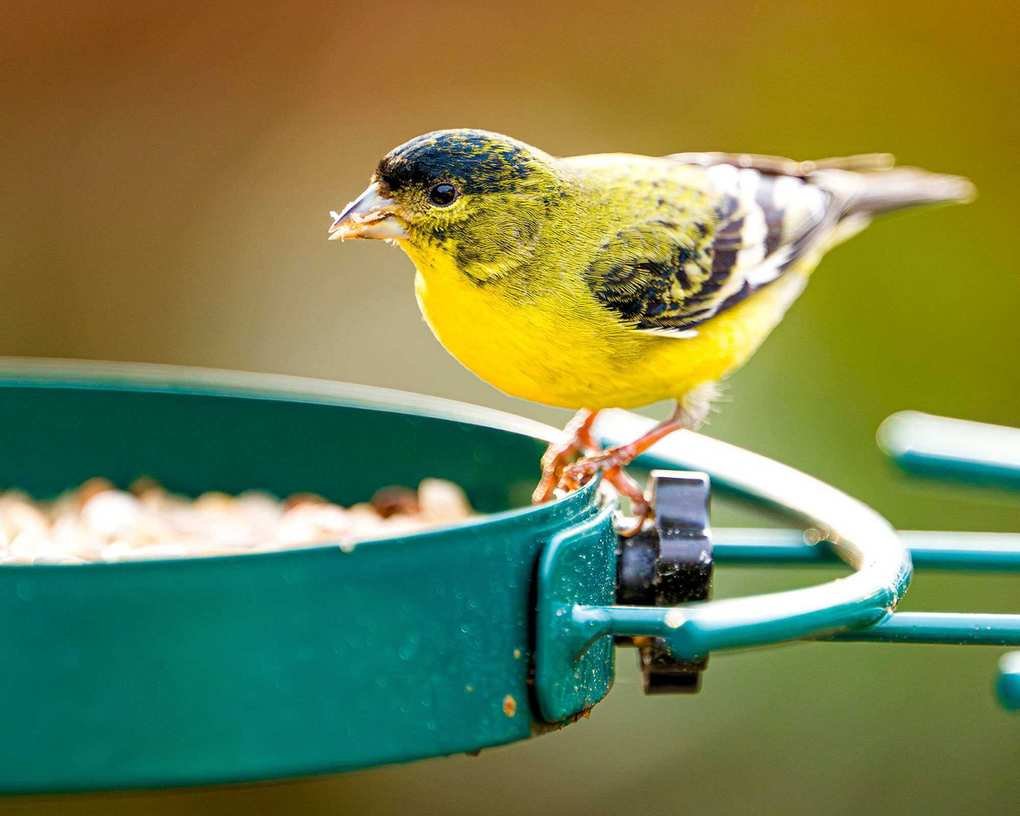
Bird enthusiasts know each species has specific dietary needs. As mentioned, American goldfinches primarily feed on seeds.
Providing seeds in hanging feeders and from blooming plants throughout the season will ensure a consistent food supply for these delightful birds.
'They enjoy black oil sunflower seeds and nyjer seeds from various feeder types,' states an expert. 'Goldfinches also consume seeds from native plants like black-eyed Susan and echinacea, making it easier to create a suitable habitat.'
Some bird feed contains fillers that aren't part of their natural diet, but this 100% Nyjer seed from Ace Hardware is a favorite among finches.
5. Add a Shallow Bird Bath
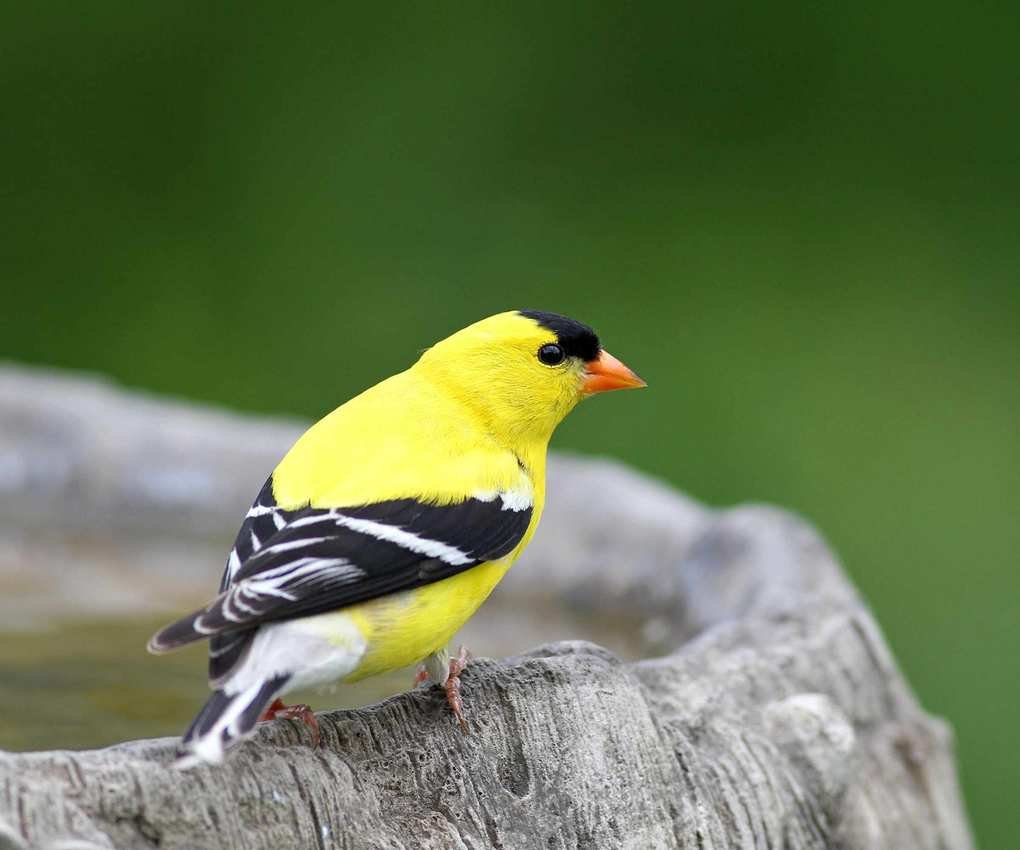
Water is vital for all birds, including American goldfinches. Due to their dry seed diet, they are particularly attracted to bird baths for drinking and bathing. Ensure the water is shallow and fresh, with rocks for perching.
'Water availability is crucial for supporting birds like goldfinches,' emphasizes an expert. 'Well-placed feeders and birdbaths can consistently attract them throughout the year.'
Shallow bird baths like this model from Ace Hardware is perfect for small birds. This lightweight design includes stakes to hold it in place.
Goldfinches also appreciate flowing water, which remains fresher for longer, so consider this fountain from Ace Hardware as an attractive garden feature and a drinking spot. Whichever water feature you choose, maintain it to keep it clean and free of algae.
Creating a welcoming garden for American goldfinches is simple. In addition to these steps, experts recommend using natural pest control, keeping cats indoors, and minimizing window collisions with decals or screens to help these beautiful birds thrive.
Start implementing these strategies now, and enjoy a garden filled with goldfinches for seasons to come.