I've always been mindful of how my household waste impacts the environment. Although I wasn't raised in an eco-conscious home, my parents often held onto old items to repurpose them in creative ways.
While this sometimes led to a surplus of storage needs (who really needs to keep every interesting jar?), it imparted valuable lessons about reusing items that would otherwise end up in landfills — a win-win for both my wallet and the planet.
In honor of Earth Day, I'm excited to share five items I consistently reuse in my home, along with how I make the most of these versatile pieces to minimize waste and reduce expenses.
5 Household Items I Never Discard
While I strive to find new purposes for various items around my home, from turning empty toilet paper rolls into seed tray substitutes to repurposing old towels, here are my top five items I always find a way to reuse.
1. Old Bed Sheets

I'm guilty of buying new bed sheets even when the old ones are still usable. While this might not be the most environmentally friendly habit, the joy of slipping into freshly washed and line-dried sheets cannot be understated. When I tidy up my linen closet, I always look for ways to repurpose the old sets I'm parting with, trying to mitigate the effects of my overconsumption.
Depending on the fabric quality, here are four uses I find for old bed sheets:
If the bedding is worn or the design isn't appealing, I often use them as drop cloths when painting or cut them into cleaning rags for my home and shed.
However, if the fabric is still nice, I'll either gift it to my mom for her sewing projects (or you can donate to local charities or crafting groups) or cut it into large pieces for wrapping gifts.
This method, known as Furoshiki, is a traditional Japanese fabric wrapping technique that replaces disposable paper with reusable fabric, enhancing both your gift-giving and environmental practices.
2. Toothbrushes

Among the cleaning tools I rely on, an old toothbrush is one of the best for tackling tight spaces and grout lines, which is why I never toss them out after replacing them.
That said, I do eventually throw them away once the bristles become too worn to clean effectively. I usually opt for bamboo toothbrushes (one of the best eco-friendly swaps) to reduce my plastic consumption.

Bamboo Toothbrushes | $7.75 at Amazon
These eco-friendly, biodegradable bamboo toothbrushes are an excellent choice for anyone looking to transition to a more sustainable lifestyle.
3. Food Containers
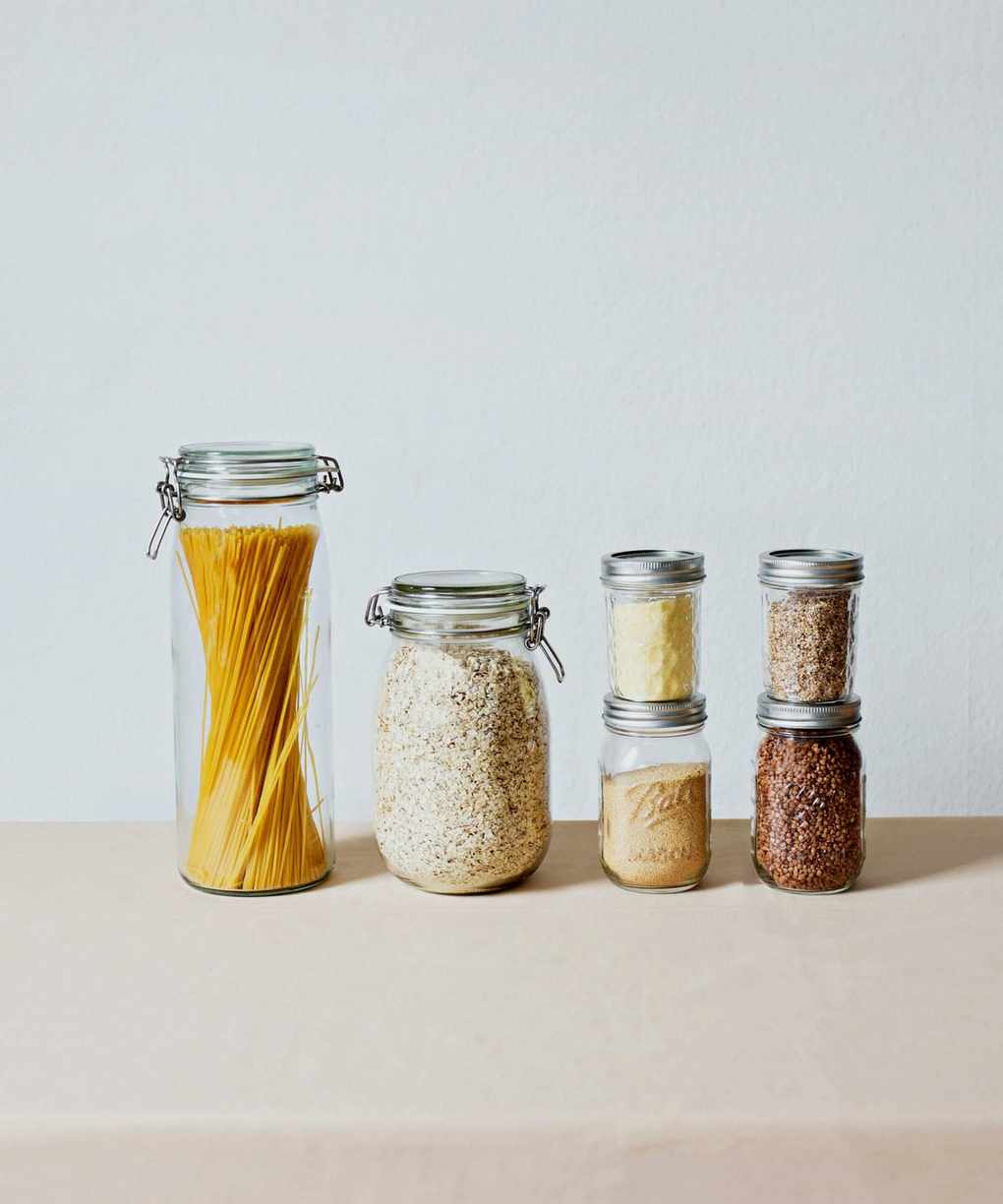
Reusing food containers is quite common, but it's a fantastic method to reduce food waste while minimizing your environmental footprint. Beyond just food storage and pantry organization, these containers can serve multiple purposes.
For instance, glass jars make excellent candle holders, especially when allowed to drip wax down the sides for a rustic look. Plastic containers are handy in the shed for mixing paints, resting brushes, or quickly cleaning up spills.
Some containers can even help you organize your home on a budget; remember, practical storage solutions don't have to be aesthetically pleasing.

Reusable Beeswax Wraps for Food Storage
This set of three beeswax wraps offers an eco-friendly alternative to foil and plastic wrap. By reusing your old jars and containers, you can keep your food fresh while being environmentally conscious.

VTOPMART Glass Canister Set
Decanting food and bulk-buying groceries is another eco-friendly kitchen practice. This seven-piece glass container set with bamboo lids beautifully displays your food.

Brampton Stoneware Canister
Opt for sustainable materials like these ethically crafted stoneware canisters instead of plastic containers.
4. Plastic Bottles

Plastic bottles watering container plants
I typically avoid buying plastic bottles, opting instead for beverages in cans or glass, which are easier to recycle. But when I do find myself with a plastic bottle, I look for ways to extend its life and keep it from ending up in the trash.
One of my favorite uses is creating a makeshift watering globe to help watter plants — especially since I struggle to keep houseplants alive. I cut the bottom off the bottle and poke small holes in the lid, fill it up, and let the plant take water as needed, reducing the number of plants I need to discard.
Though I haven't tried it myself, I've seen others use cut plastic milk cartons filled with soil to start seeds. The top acts as a mini greenhouse, maintaining warmth and moisture for germination.
Another clever trick is using a frozen water bottle behind a fan to create a temporary air conditioner during the summer months. This simple method helps blow cooler air into my space when I don't have air conditioning.
5. Packaging Boxes
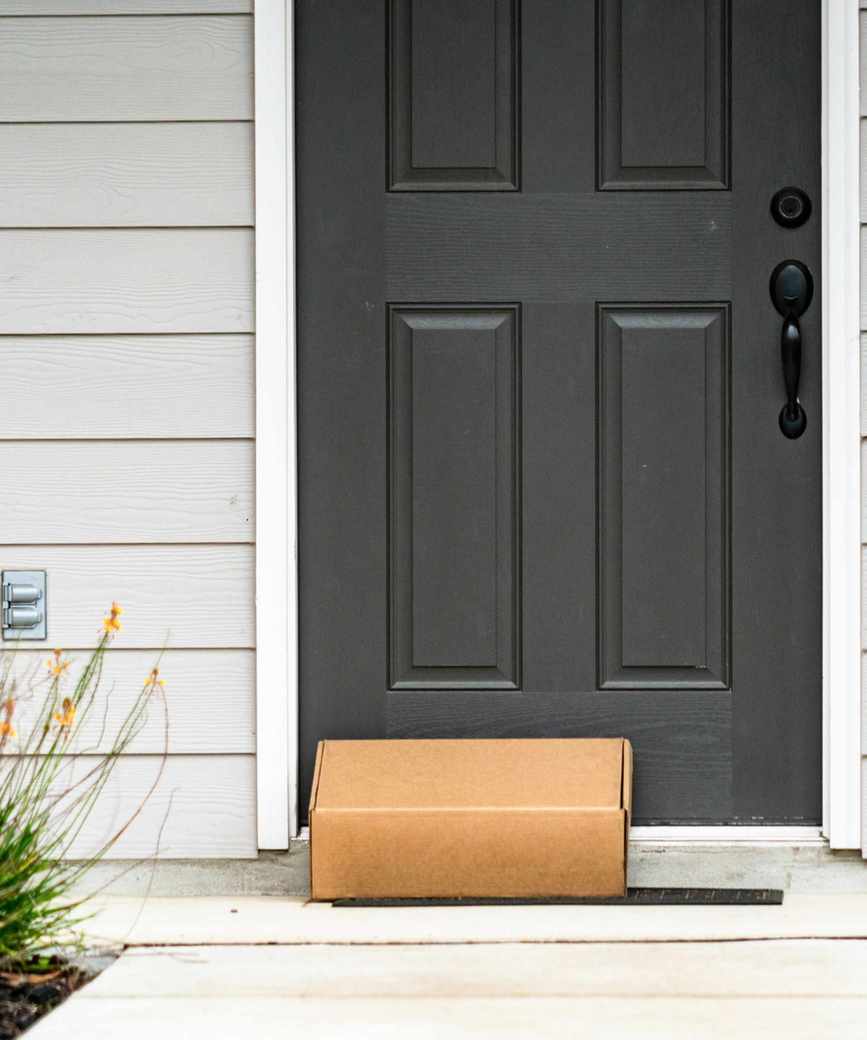
As a gift enthusiast, I'm always looking for ways to elevate my gift wrapping. Whenever I receive a suitably sized package, I save the box for future birthdays. When the occasion arrives, I fill it with treats and presents, wrapping them in beautiful fabric or recyclable wrapping paper and adding a lovely bow.
If the box has logos, I wrap it carefully to conceal the branding. Alternatively, I might repaint the box for a splash of color.
These simple ways to embrace sustainability at home have been invaluable for my household, wallet, and the environment. While you don't need to reuse everything that enters your home, adopting just a few eco-friendly habits can significantly reduce your environmental footprint. What creative tricks, like reusing toilet paper tubes, do you use to make a positive impact?