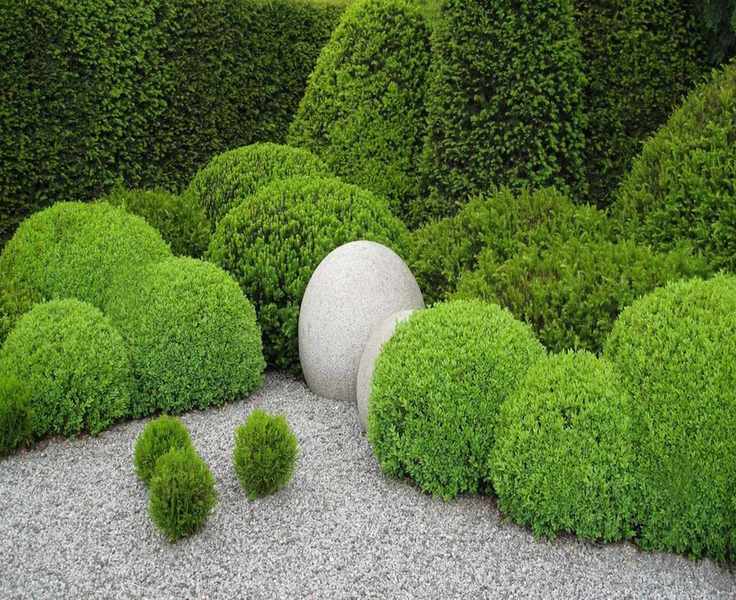
Evergreens form the foundation of a garden, especially in winter when other plants have gone dormant. They provide essential structure, adding height, texture, and a lively presence to your yard.
In my gardening journey, I've utilized various evergreens in different landscaping projects, whether starting fresh or enhancing existing designs.
If you're considering updating your garden this year, I'll share some top evergreen trees, hedges, shrubs, and climbers that create a lasting framework for your outdoor space. This is the most effective way to incorporate evergreens into your landscape.
Creating an Evergreen Framework for Your Yard
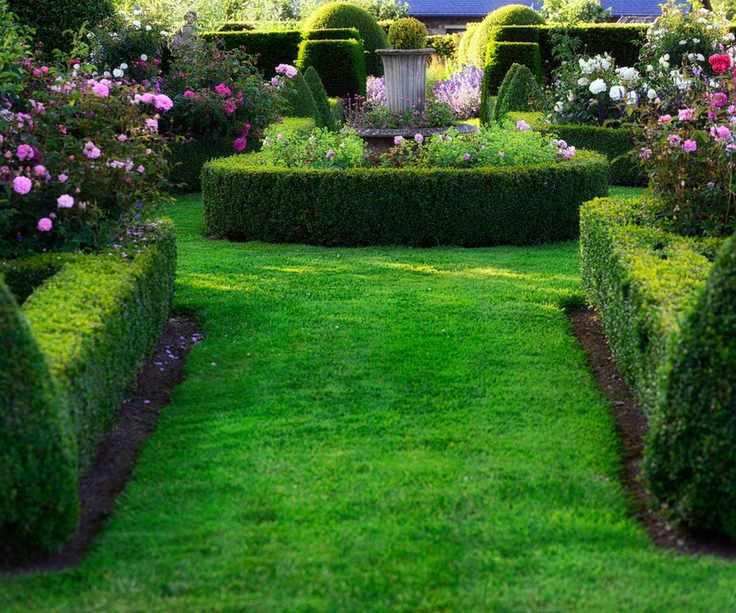
Evergreens can last for many years, making them a wise investment for your garden. They can serve as a backdrop to other plants or take center stage in your design. Interior designer Bunny Williams showcases excellent examples of evergreen use in her garden.
Since evergreens are a vital component of any landscape, getting their placement right is crucial. They're often among the first elements to be installed.
From establishing boundaries and providing year-round privacy screening to framing a pathway or trellis, evergreens are not only necessary but can also enliven your yard.
Evergreen Hedges
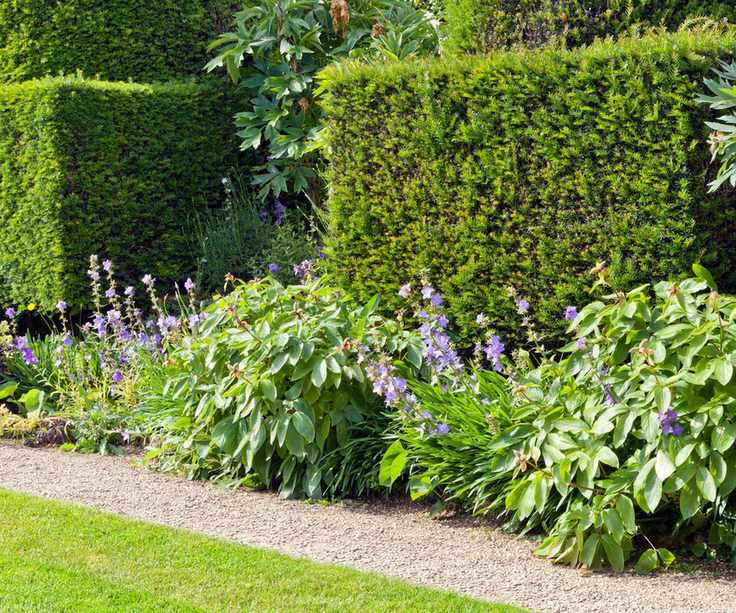
Hedges commonly define boundaries in our gardens and offer an appealing alternative to fences. They're friendly to wildlife, deter intruders, and can even be fragrant.
Using hedges in landscaping is a classic technique, with numerous possibilities.
For instance, an expertly trimmed English yew (Taxus baccata) hedge adds formality to a garden and contrasts beautifully with informal plantings like ornamental grasses or fluffy perennials.
Resilient yew works well as a tall boundary or a short hedge for front gardens that frame entrances.
Another popular hybrid, Hicks Yew (Taxusxmedia 'Hicksii'), thrives in zones 4-7. You can find Hicks Yew at Garden Goods Direct.
For a vibrant green option with glossy leaves, laurel is an excellent choice. This low-maintenance evergreen tolerates shade and dry soil, making it ideal for windbreaks or noise reduction. It produces fragrant white flowers in spring and is suited for zones 6-9. Otto Luyken cherry laurel is available at Fast Growing Trees.
Evergreen Trees
No evergreen framework is complete without trees. They provide essential structure and color throughout the year. Evergreen trees play a crucial role in this aspect.
Fortunately, several easy-to-grow evergreen trees are perfect for home gardens. Options include thuja, juniper, magnolia, strawberry tree, and holly, with the last two being favorites of mine.
Arbutus unedo, or the strawberry tree, is a quick-growing evergreen native to the Mediterranean. It's valued for its white flowers, red fruits, shiny green leaves, and attractive bark. This shrub-tree thrives in full sun and zone 7-10. You can buy a dwarf strawberry tree (Arbutus unedo 'Compacta') from Nature Hills.
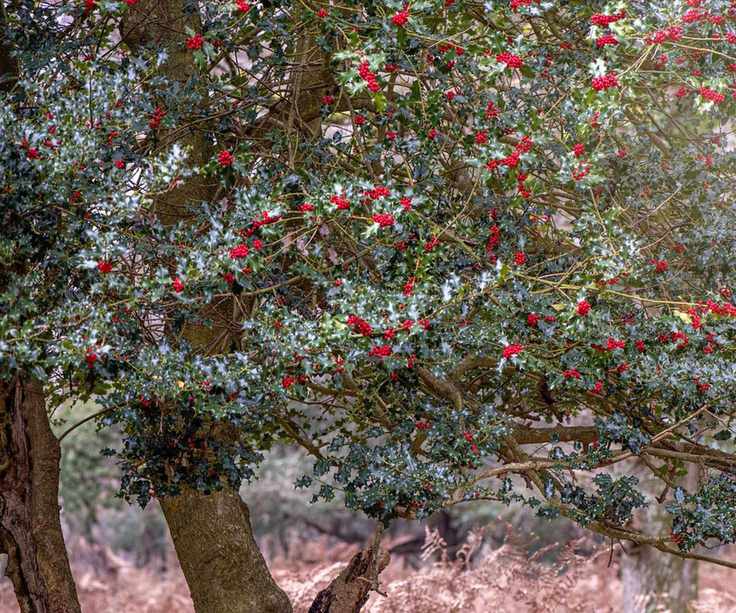
Holly (Ilex) features shiny dark green leaves and is perfect for year-round interest. When pollinated, holly produces bright red berries, providing a vital winter food source for birds.
Generally hardy in zones 6 and above, holly is well-suited for planting at the back of borders, screening views, or creating an anti-intruder hedge. You can browse a selection of holly shrubs and trees at Nature Hills.
Evergreens for Pathway Borders
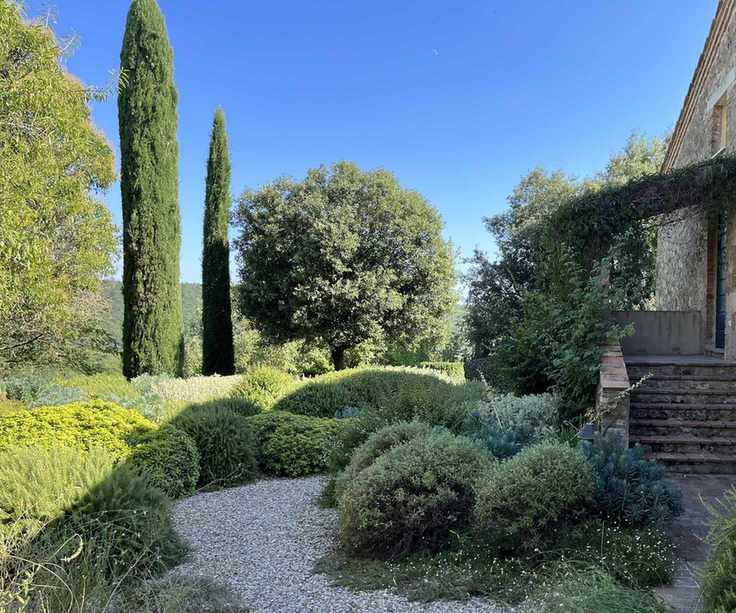
Pathways are essential in garden design, guiding visitors through different zones. So how can you frame them year-round?
Consider using evergreens, whether as low mounds or a neat hedge.
Low-growing evergreens can create rhythm and complement annuals and perennials. Options like Pittosporum tenuifolium 'Golf Ball' or Boxwood 'Winter Gem' (Buxus microphylla var. japonica 'Winter Gem') are popular for their compact growth and rounded shape. In colder climates, I recommend box varieties for their hardiness.
For low hedges, Boxwood (Buxus sempervirens) is widely grown, but alternatives like dwarf spindle tree (Euonymus) and Japanese holly (Ilex crenata) work well, especially in areas affected by box tree moths (Cydalima perspectalis).
Thriving in zones 5-9, you can find Boxwood 'Winter Gem' at Nature Hills.
Evergreen Climbers
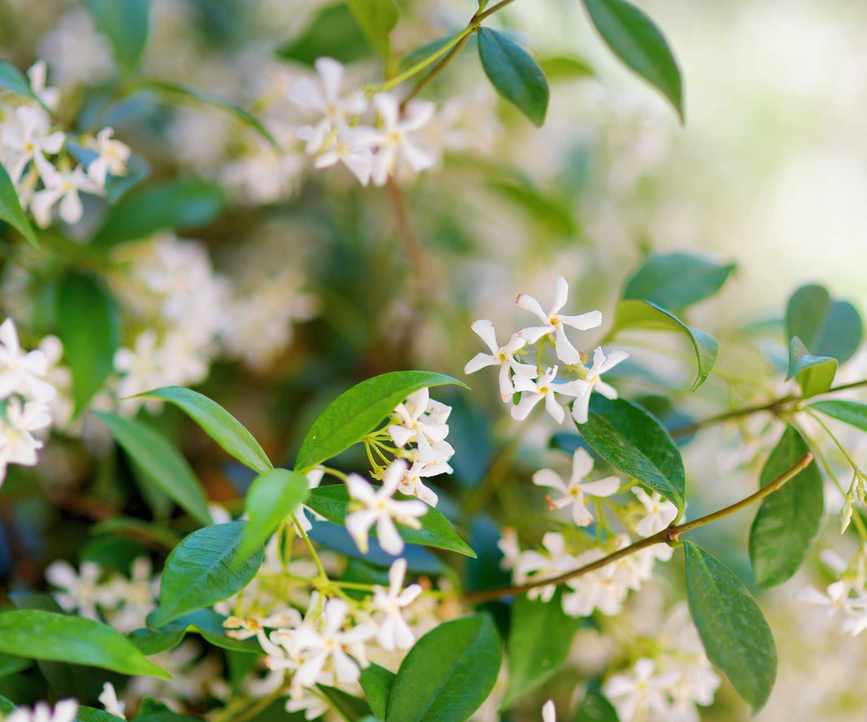
Climbing plants are perfect for covering bare walls or climbing up trellises, but for year-round interest, choose evergreen varieties.
Evergreen clematis (Clematis armandii) and ivy (Hedera) are popular for their hardiness, but other options exist.
In my previous gardens, I frequently used star jasmine (Trachelospermum jasminoides), one of the finest flowering climbers. It boasts dark green foliage and sweet-smelling white blooms in summer. Less hardy than some, it needs protection from cold winds and thrives in US hardiness zone 8.
A unique evergreen climber is the chocolate vine, or Akebia quinata. It grows well on trellises, featuring bright green leaves and delicate maroon flowers with a chocolate fragrance in summer. More resilient than star jasmine, it thrives in zone 6 but may lose some leaves in harsh winters. However, be cautious; chocolate vine is invasive in many eastern US regions.
You can get Star Jasmine from Nature Hills.
Topiary
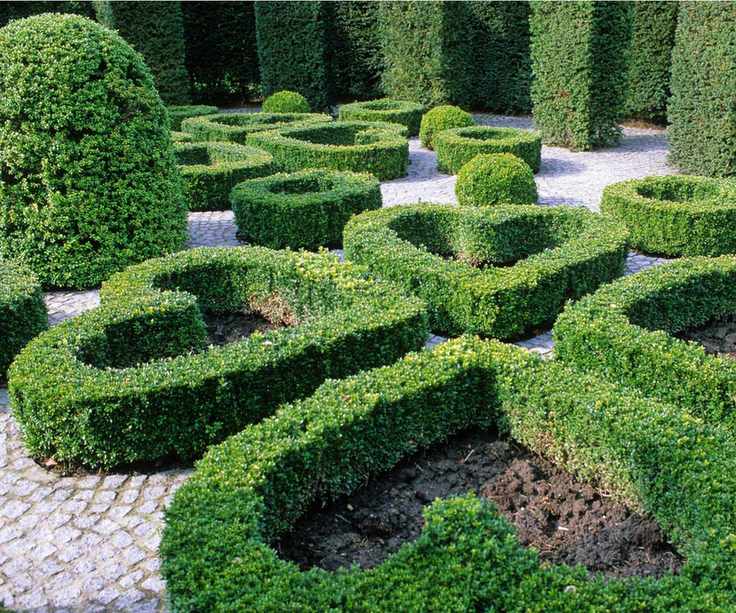
Topiary can serve as focal points, adding whimsy to your garden. The possibilities are endless, with artists shaping evergreens into everything from animals to structures.
These plants look stunning year-round, particularly in winter when other forms are absent, and they appear enchanting after a frost.
Small-leaved evergreens are ideal for topiary, with yew, box, and privet (Ligustrum) frequently used. Delavay privet (Ligustrum delavayanum) is a hardy alternative to boxwood, resistant to box moth caterpillars. This compact shrub features dark green leaves and produces white flowers in early summer, leading to blue-black berries.
Drought-resistant and flourishing in zones 6-9, it adapts well to full sun or partial shade. It's a fast-growing hedge that needs regular trimming to maintain its shape.
Evergreens provide structure and winter interest, but what else can you introduce to enliven your garden during the dreary months?
Check out these best winter plants for pots and borders to see how a few additions can bring vitality to your garden when most plants are dormant.