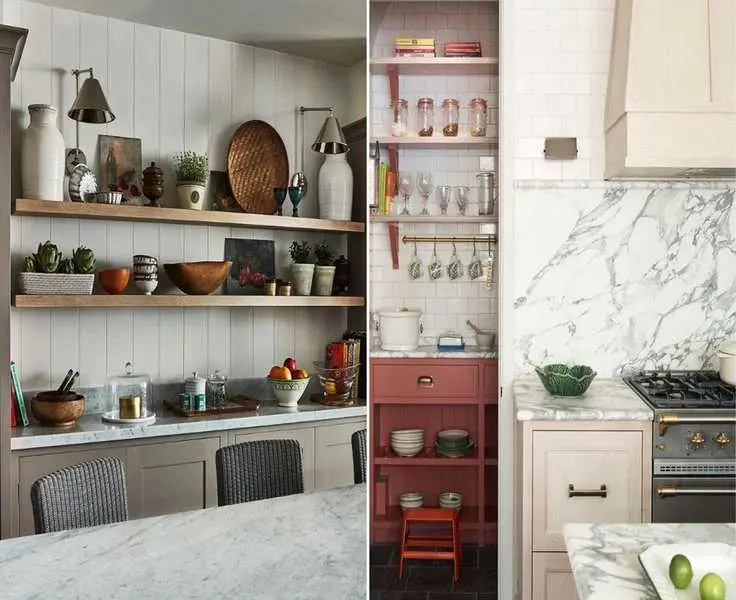
After scraping the last bit of peanut butter from a jar, it's easy to want to toss it. However, over time, I've learned clever methods to reuse glass jars, plastic containers, and other items that might seem worthless.
There are specific items I keep because not everything in my space needs to be visually appealing if it can serve a useful role.
Before you discard an old paper bag or dump used coffee grounds, think about how these items can be repurposed creatively.
Kitchen items worth saving
This list isn't exhaustive, but if you can extend the life of any kitchen item before it heads to the landfill, it's definitely worthwhile!
1. Glass Jars and Containers
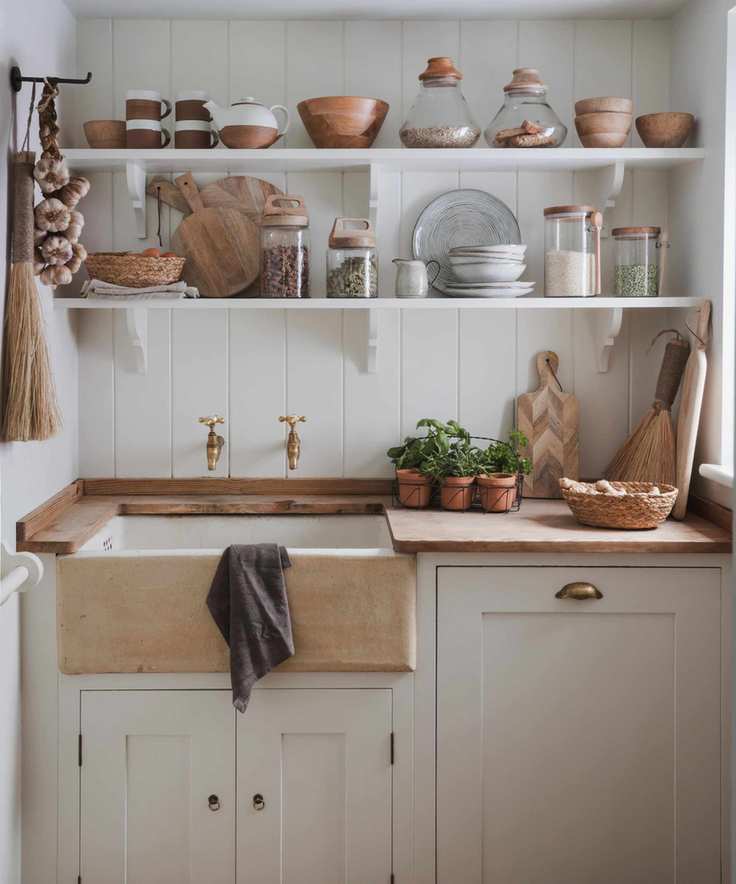
I never part with glass jars, especially those with unique shapes. They're incredibly versatile, and I often repurpose them in fun ways, including DIY storage solutions.
Old jars can be transformed into pantry storage for essentials like rice, pasta, and spices. You can create your own labels or grab a handy label maker, like this option from Amazon. Be sure to clean and sanitize your jars before using them for food storage, which can easily be done in the dishwasher (just avoid touching the insides afterward).
Glass jars are also fantastic for storing homemade sauces or jams. I keep a jar handy while cooking to quickly whip up salad dressings as needed.
Outside the kitchen, think about using attractive glass jars for displaying cut flowers in a guest room, as tea light holders on a porch, or to organize bathroom items like cotton balls and Q-tips.
2. Plastic Containers
Giving plastic food containers or takeout boxes a new life is another smart way to organize your space economically. While they may not be the prettiest, I always wash them well and use them for leftovers.
Plastic containers work wonders for organizing kitchen drawers and cabinets. They're great for small items like spices, baking ingredients, and snacks, tucked away out of sight.
In a home office or craft area, these containers can help manage stationery or supplies like pens, beads, and other small items that tend to get lost.
If you want to be eco-friendly, consider switching from plastic wrap to beeswax wrap. This XL roll can be cut to size to fit various containers and help keep your food fresh.
3. Old Towels and Cloths
Even the best kitchen towels have a lifespan. Once they're no longer effective, I cut them into smaller pieces for cleaning rags. They're perfect for dusting or wiping dirty kitchen surfaces and are also useful for washing cars or cleaning up spills.
As a pet owner, I find that old towels make excellent bedding or drying cloths for my dog after a bath.
When replacing your towels, choose high-quality options like these Essential Waffle Kitchen Towels (set of 2) by Hawkins New York. They're lightweight, quick-drying, and maintain their shape through multiple washes.
4. Paper Bags
There's something satisfying about bringing groceries home in a paper bag. If you use canvas totes or re-purpose plastic bags, you might not need branded grocery bags again!
I repurpose old paper bags as trash liners for smaller bins, particularly in bathrooms or my office. Clean bags can also serve as charming wrapping paper for gifts—just add some twine or a sprig of greenery. Alternatively, cut them into strips for packing material to safeguard fragile items.
In the kitchen, paper bags can help ripen fruits faster or be used in composting.
5. Coffee Grounds
Used coffee grounds are surprisingly versatile. I drink a lot of coffee, so I've found numerous ways to utilize the grounds at home and in the garden.
Outside, they make an excellent natural fertilizer. Sprinkle them around plants or add them to your compost pile. They can also deter pests like ants and slugs when placed around your home's perimeter, just be cautious about where not to use them in the garden.
Indoors, coffee grounds can act as a deodorizer for your fridge. Place a bowl of dried grounds inside to absorb unwanted odors. Additionally, coffee can be used for various cleaning tasks, from scrubbing pans to fixing scratches in wooden surfaces.
6. Aluminum Foil
This often-overlooked material is truly a kitchen essential. If your foil is clean after use, rinse it and save it for future baking, grilling, or wrapping leftovers. It's also handy for sharpening kitchen scissors; fold it into layers and cut through it several times.
If you run out of scrubbing pads, crumple foil into a ball to effectively clean pots, pans, and grill grates—particularly useful for tough, stuck-on food.
7. Citrus Peels
Not all food scraps need to end up in the trash. I like to make DIY natural cleaners using citrus peels. Simply soak them in vinegar for a few weeks to create an all-purpose cleaner for kitchen and bathroom surfaces.
Composting citrus peels returns nutrients to your garden soil, promoting healthier plants.
Items I do dispose of

I strive to reuse and repurpose as many kitchen items as possible for environmental reasons. However, I don't follow every green tip I come across.
While some may advocate for reusing cooking oil, I advise against it. It can compromise the taste of your food and the process is often messy, leading to unpleasant odors in the kitchen. There's a more environmentally friendly way to dispose of cooking oil.
I also prefer to toss out old sponges and dishcloths. Though it's tempting to use them until they fall apart, they can harbor bacteria and mold. Regularly replace them, especially if they start to smell or degrade.
If you feel bad about tossing sponges, consider switching to biodegradable options.
Why stop at the kitchen? There are likely items in your bedroom and bathroom that you shouldn't throw away, as well as various things you can organize instead. You can also repurpose old pillows into useful new items for your home and garden, and re-purpose old bed sheets as well.