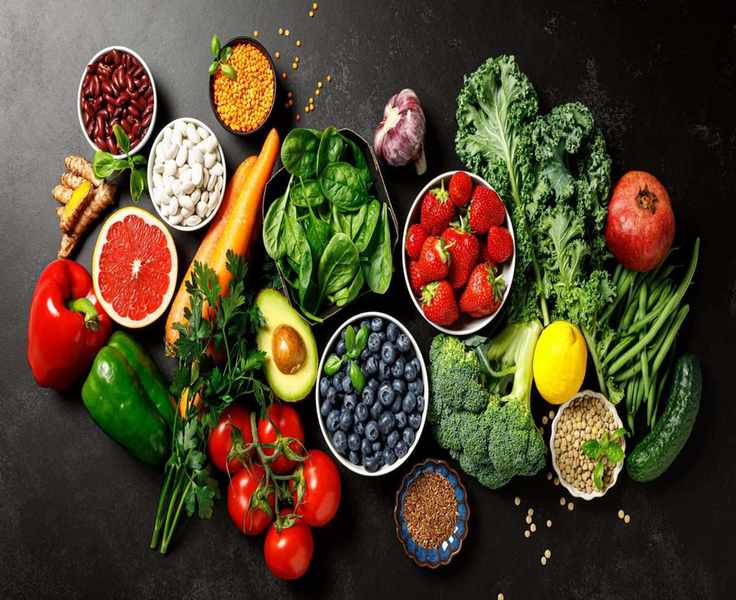
Superfoods refer to nutrient-packed plants believed to enhance health and wellness. Growing these at home can be beneficial for your body and mind, and it's remarkably easy.
Incorporating superfoods into your diet can promote fitness and combat illness. Having these nutrient-dense plants in your garden not only cuts costs but also allows you to enjoy the satisfaction of homegrown produce.
As a seasoned kitchen gardener in the UK, I've cultivated various vegetables, herbs, and fruits, even for a Michelin-starred restaurant. Here are my top picks for superfoods that are straightforward to grow at home, along with some benefits and cultivation tips for each.
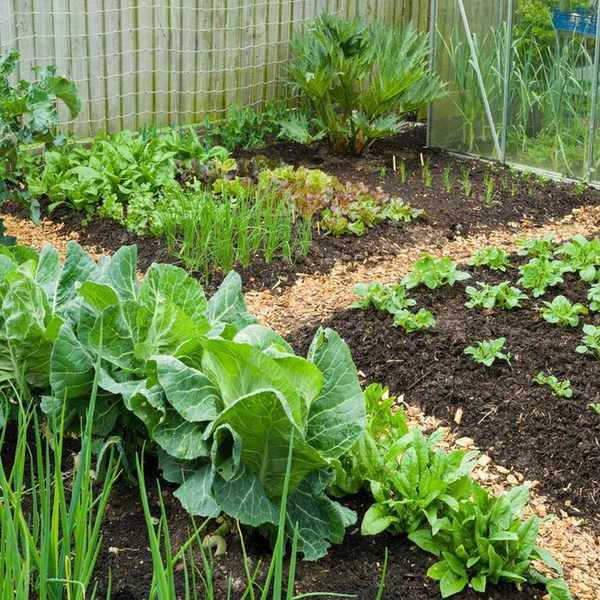
Top 7 Superfoods to Grow at Home
Here are seven of the best and easiest superfoods to cultivate at home, along with their benefits and growing advice.
1. Beets
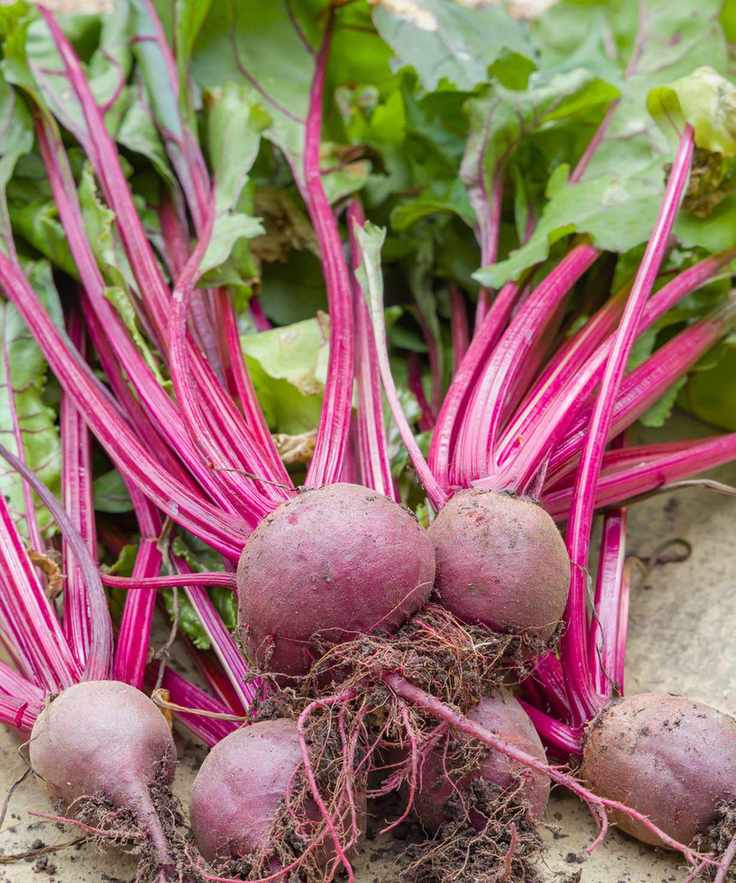
Beets rank among the simplest vegetables to grow, offering a long harvest of delicious, nutritious roots.
These colorful roots, available in red, purple, and yellow varieties, are rich in antioxidants and have anti-inflammatory benefits. They also support heart health and contain plenty of potassium, magnesium, iron, and vitamins C, A, and K.
To plant beets, sow seeds directly into the soil after the last frost. Space seeds two inches apart, as each beet seed pod contains several seedlings. Keep the soil moist and thin them to maintain a distance of at least two inches.
Consider succession planting every few weeks for continuous harvests. Beets are typically ready for harvesting between 50 and 70 days after sowing, once they reach at least two inches in diameter.
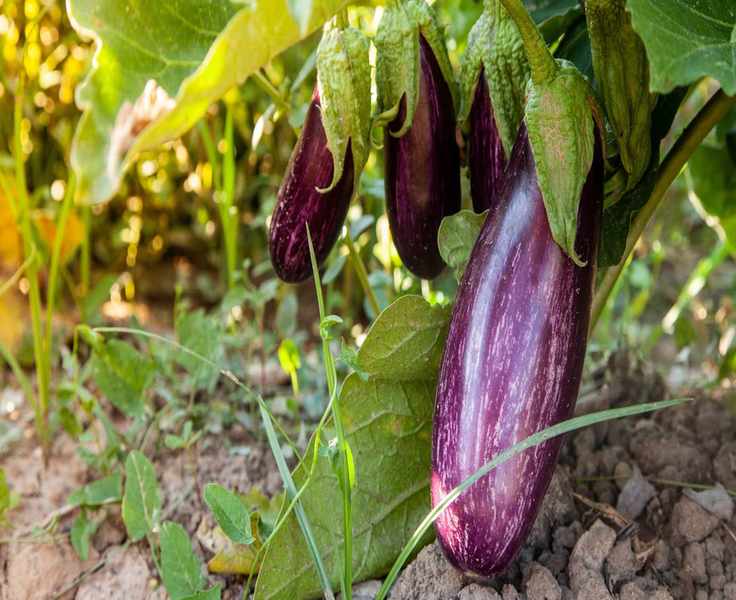
One of my favorites is the Chioggia beet, an Italian heirloom variety known for its striking candy cane-striped roots.
2. Blueberries
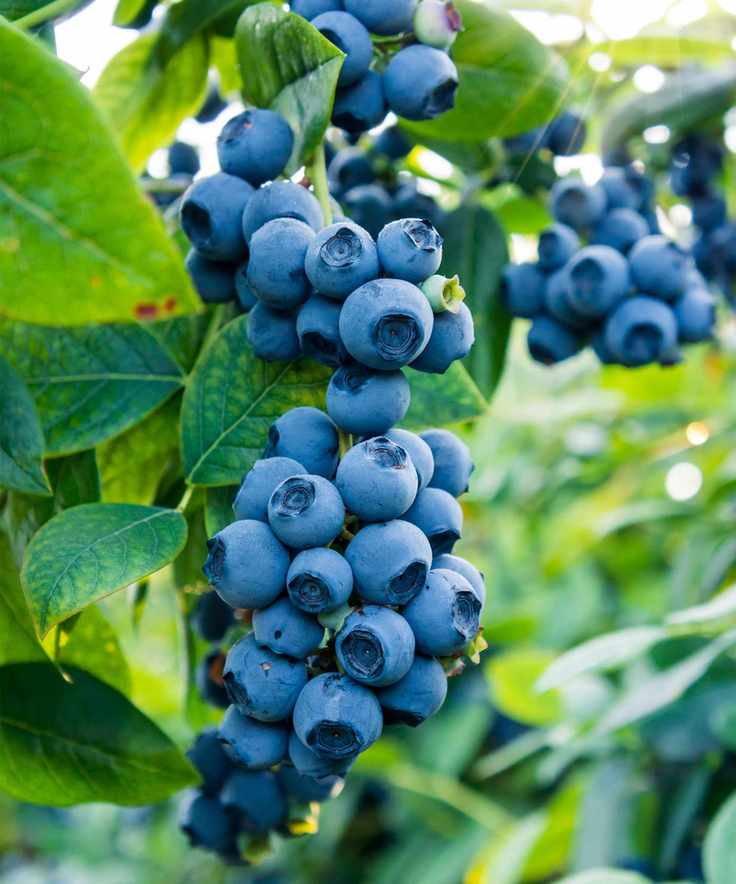
Blueberries are gorgeous plants that produce delightful, nutritious fruits. When cultivated, they provide a lengthy harvest season filled with berries rich in vitamins and antioxidants.
These berries enhance brain function, reduce blood pressure, and lower the risk of heart disease, supporting healthy aging.
For successful growth, blueberries need acidic soil that is moist and has a pH of 5.5 or lower. If your soil doesn't meet these criteria, consider growing them in pots using ericaceous compost.
Water with rainwater to maintain soil acidity and prune regularly for optimal productivity. The fruit ripens from mid-summer onward.
'Patriot' is a self-fertile variety suited for US zones 4-8, producing a large mid-season crop followed by additional harvests.
3. Broccoli
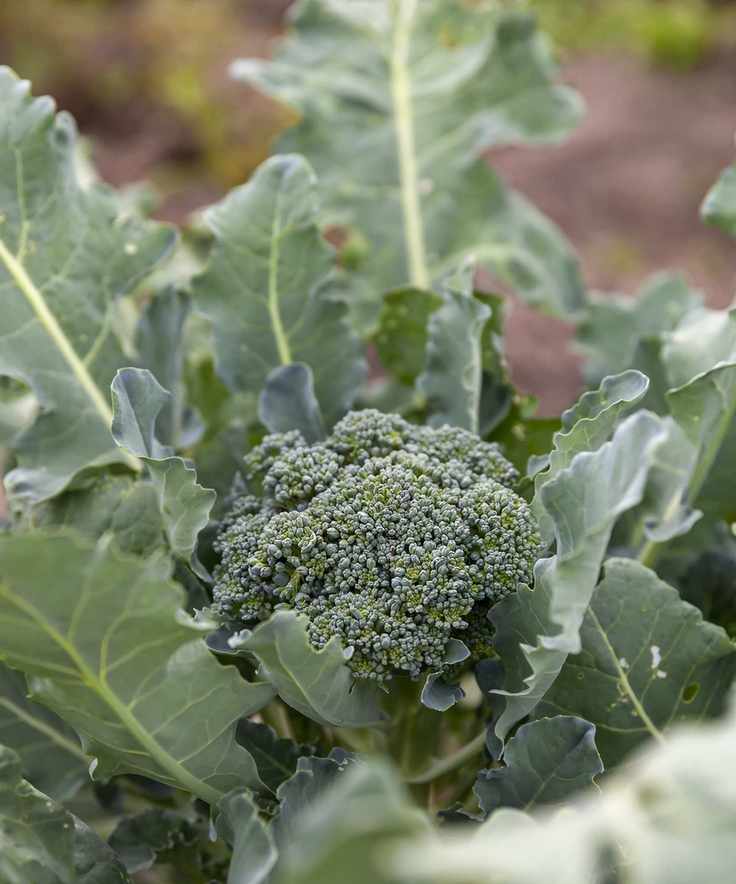
Broccoli is loaded with beneficial vitamins, minerals, and antioxidants, making it a powerhouse in promoting bone, digestive, and heart health.
You can grow broccoli in soil, raised beds, or containers, and young plants are available at garden centers. Seeds are best sown indoors during spring and can be transplanted outdoors after the last frost.
Keep broccoli well-watered and net them against pests. Harvest the heads once they are tightly packed and begin cutting the main head to encourage side shoots for later harvests.
Explore a variety of broccoli seeds at Burpee.
4. Jerusalem Artichoke
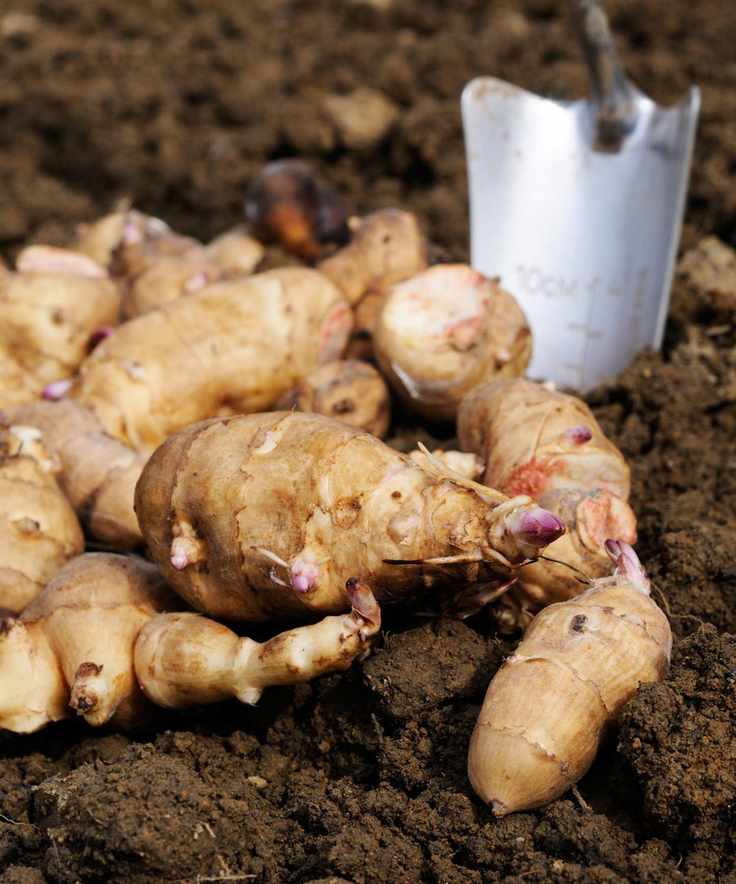
While not the first superfood that comes to mind, Jerusalem artichokes are nutrient-dense, high in fiber, and easy to cultivate.
These tubers require minimal maintenance; simply plant them and let them grow until harvest.
Known as sunchokes, these plants belong to the sunflower family and yield sweet, nutty tubers. Plant them in early spring, three inches deep, with 18 inches between each tuber.
They're drought-tolerant but benefit from watering during dry spells to help the tubers swell. Harvest after the first frost, carefully lifting the tubers with a fork and looking for any that may have dislodged.
A selection of 25 Jerusalem artichoke tubers can be planted in zones 3-8, growing to heights of 6-8 feet and providing delicious harvests in the colder months.
5. Kale
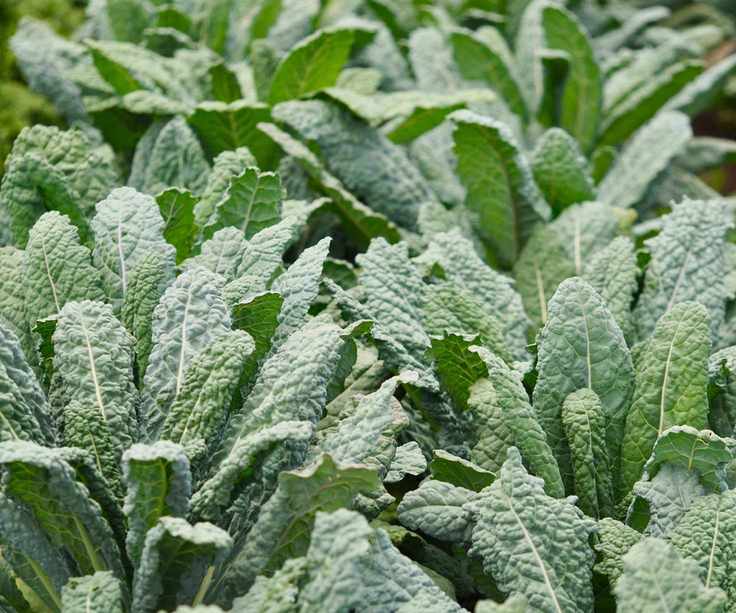
Praised as a superfood, kale is rich in nutrients, antioxidants, and vitamins, particularly C and K. This vegetable promotes eye health, manages blood pressure, and supports heart health.
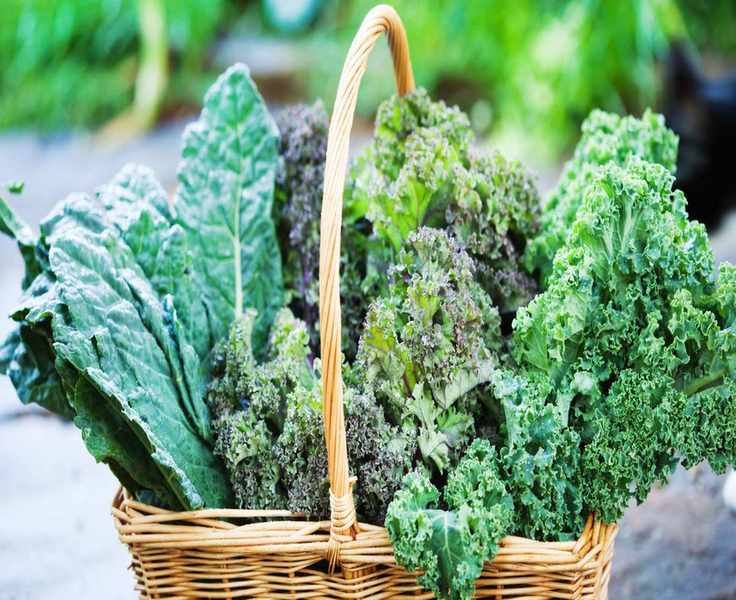
Many kale varieties exist, with distinct sizes and leaf shapes. One favorite is cavolo nero, or Tuscan kale, known for its ornamental dark leaves and high yield.
It's easy to grow from seed. In spring, sow indoors and keep warm until germination, then transplant outdoors. Like broccoli, protect kale from pests with netting.
Regular summer watering is essential, and harvesting can begin when leaves are large enough. Pick older leaves to encourage new growth and extend the harvest season.
Tuscan kale, known for its crinkled blue-green leaves, is both delicious and nutritious.
6. Microgreens
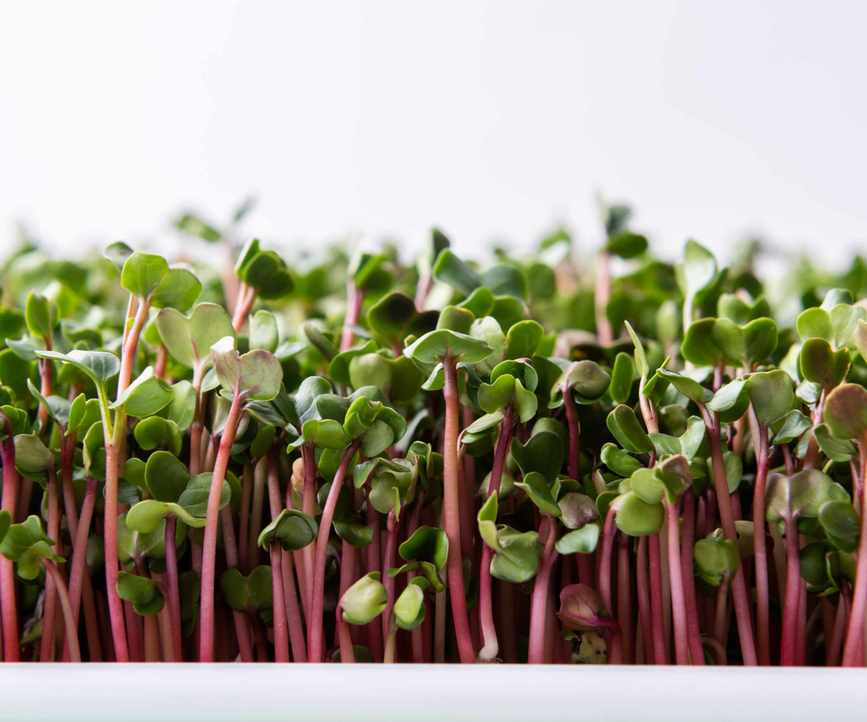
Microgreens are the young seedlings of vegetables and herbs. They can be cultivated on a sunny windowsill, providing quick, nutrient-rich harvests for salads and garnishes.
These tiny greens often contain higher levels of vitamins and minerals than their mature counterparts. Popular varieties include beets, radishes, pea shoots, arugula, and basil, with pea shoots being particularly easy to grow.
Sow seeds densely on a tray filled with compost, lightly covering with soil. Keep in a bright, warm spot and moist until harvest, which is typically when they reach 1-2 inches tall.
Explore a variety of microgreen kits and seeds at True Leaf Market.
7. Tomatoes
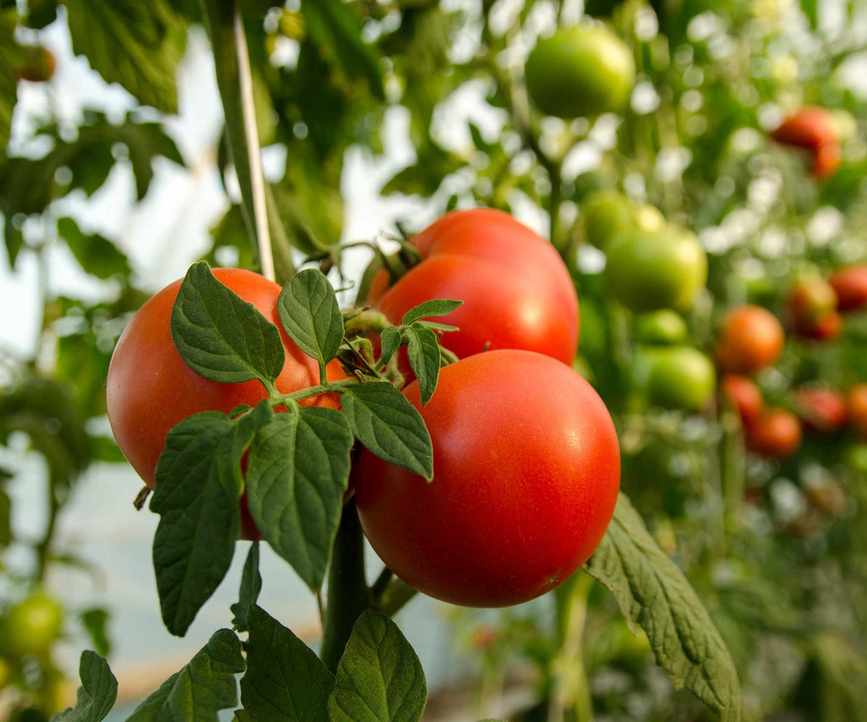
Tomato cultivation is a beloved hobby around the globe. Whether cherry or beefsteak varieties, growing tomatoes is rewarding and perfect for novice gardeners.
Tomatoes are considered superfoods due to their high vitamin and mineral content, particularly vitamins C and A, along with lycopene, known for its antioxidant properties that benefit heart health and immune function.
These plants thrive in sun and warmth, whether indoors or outdoors. To achieve a bountiful harvest, ensure consistent watering, regular pruning, and bi-weekly fertilization with a liquid tomato feed once flowering begins.
Sungold is a reliable cherry tomato variety known for its sweet golden-orange fruits, producing an abundant crop.
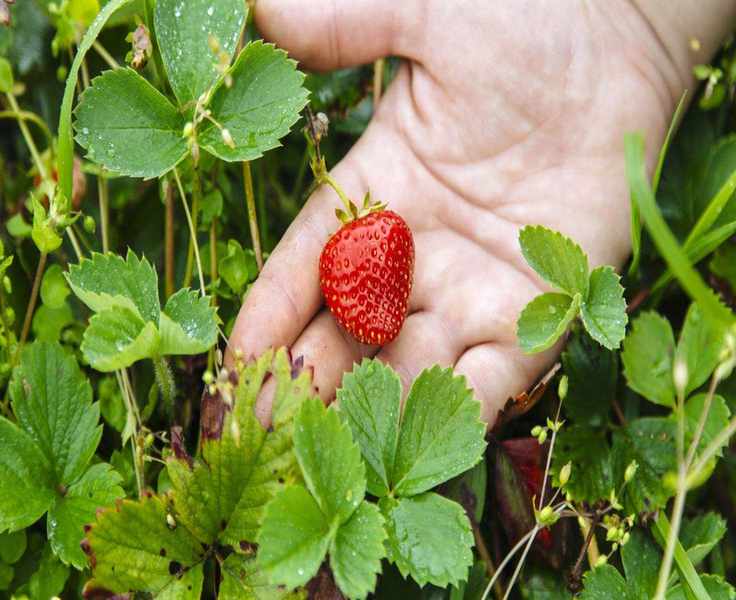
These seven superfoods are fantastic options for home gardening. If you're looking to expand your garden, consider adding Swiss chard, cabbage, spinach, and strawberries, all of which are easy to grow and offer nutritious harvests year-round.