
Japanese gardens are cherished for their tranquility, beauty, and harmonious qualities. You can easily incorporate these elements into your own outdoor space by selecting the right trees.
If you're inspired to create a Japanese garden in your yard, starting with tree plantings is a fantastic way to begin. While your hardiness zone will influence your choices, a variety of beautiful trees is available to choose from.
Even less hardy species, like the stunning Japanese maples, can thrive in pots or containers, allowing you to shelter them during winter if they can't be planted directly in the ground. Fortunately, there are also hardy native options. Here are seven of the best trees for a Japanese garden, as recommended by landscape experts and garden designers.
7 Ideal Trees for a Japanese Garden
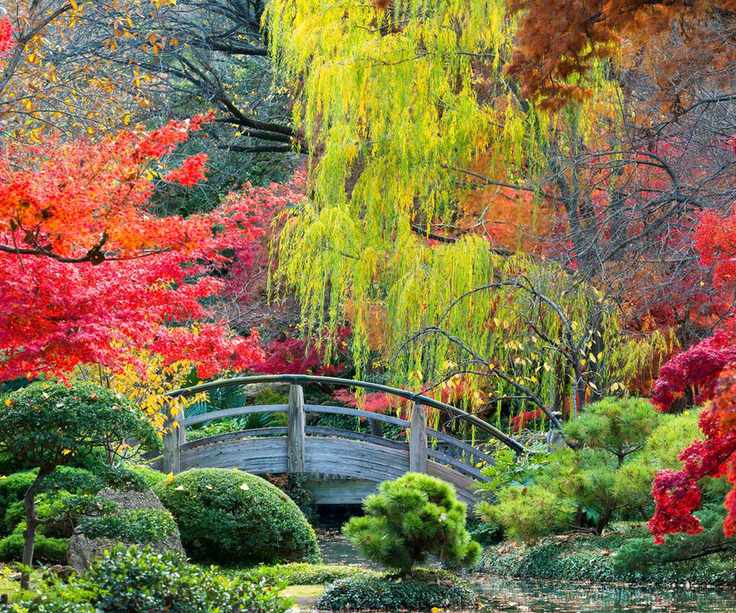
Choosing trees for a Japanese garden isn't solely about selecting species native to a particular region, although that can contribute to the desired aesthetic. It's more about achieving beauty and balance.
'Serenity comes from harmonizing elements, rather than focusing on individual items,' explains Hugo Torii, garden curator at the Portland Japanese Garden. 'When we prune a maple, we consider not just the tree itself, but the entire space around it.'
'First, the area should be a source of pleasure and comfort. After that, it's crucial to choose trees that can thrive in your conditions. Pay attention to sunlight and soil quality for the plants' health.'
'Plantings can be diverse. At the Portland Japanese Garden, we have towering native trees like Douglas firs, which are not indigenous to Japan but still contribute to the overall harmony of the garden.'
'Selecting trees that provide the right balance and charm is key, but also keep financial considerations in mind—stick to your budget.'

Hugo Torii is the Garden Curator at the Portland Japanese Garden, where he leads a team of gardeners and ensures the garden remains true to its original design while allowing it to evolve.
1. Japanese Maple (Acer palmatum)
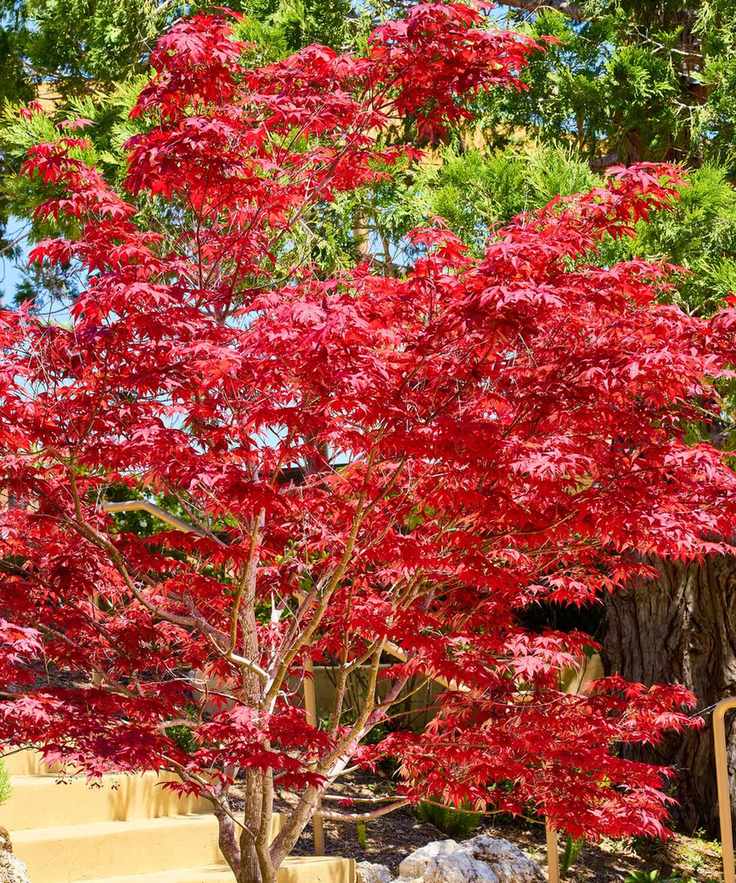
Renowned for their breathtaking fall foliage that showcases a vivid mix of orange, red, and maroon hues, Japanese maple trees are a must-have for many gardeners. These remarkable trees are integral to Japanese garden concepts. Indigenous to Japan, China, and Korea, they belong to the Acer family and have hundreds of cultivars, ranging from dwarf varieties to weeping types.
'The acer palmatum adds elegant lines to the landscape and displays different colors throughout the seasons until its leaves fall,' states Hugo Torii. 'This tree flourishes in hardiness zones 6-9, preferring neutral to slightly acidic soil with excellent drainage. It requires some light shade, consistent watering, and pruning—larger cuts in winter and smaller ones in late summer.'
These trees are generally slow-growing, making them well-suited for small Japanese garden designs. Even in colder regions, you can enjoy the beauty of Japanese Maples—they can be cultivated in containers if sheltered from harsh winter conditions.
This red Japanese Maple Tree (Acer Palmatum) boasts vibrant red foliage that transforms with the seasons, ensuring year-round visual interest. You'll also find several native alternatives to Japanese maples, which typically require less maintenance and offer additional food sources for birds and pollinators.
2. Buddhist Pine (Podocarpus macrophyllus; Inumaki)

Commonly referred to as Yew Plum Pine, this evergreen tree with needle-like leaves originates from the mountainous regions of Japan and southern China, making it a popular choice in Japanese garden designs. The Buddhist pine is a slow-growing conifer that provides year-round interest with its fragrant evergreen foliage. However, these trees can grow quite tall, so ensure you have adequate space, or consider smaller varieties.
'Podocarpus macrophyllus (inumaki) is often found in Japanese gardens and can be artistically styled and pruned,' remarks Hugo Torii. 'They thrive in hardiness zones 8-11, requiring regular watering. Plant them in well-draining soil, with a mix of sun and shade for optimal growth.'
This shrubby Yew Podocarpus from Nature Hills not only provides year-round color but also grows in a natural pyramidal form, requiring less pruning than other evergreens. It's a suitable choice for enhancing garden privacy.
3. Flowering Crab Apple (Malus Spp.)
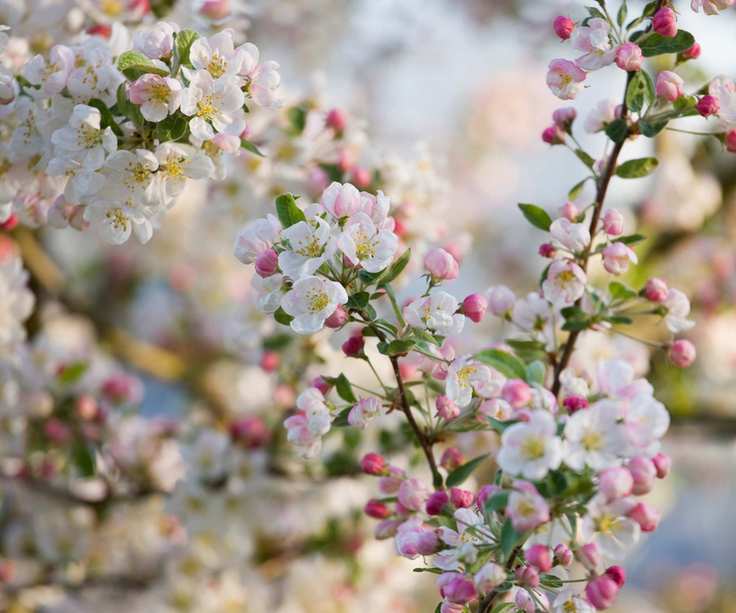
Another iconic element associated with Japanese gardens is the enchanting flowering cherry tree season, attracting visitors from around the globe to witness the blooms. While these trees are stunning, planting non-native weeping cherry varieties may not support local birds and pollinators. Fortunately, there are many fast-growing flowering trees that can provide a similar look and thrive in various regions of the US.
Catherine Marsh, a horticulturist at Anderson Japanese Gardens in Illinois, recommends the flowering crab apple (Malus Spp.), which is suited for zones 4-7 and blooms in April or May, bearing fruit in late summer.
'Malus species are drought-tolerant once established and disease-resistant, plus they offer a variety of leaf, flower, and fruit colors and sizes,' Catherine notes. 'These trees thrive in rich, acidic soil (ideally with a pH of 5.5-6.5) that is moist but well-draining and benefits from full sun. Regular watering is important until they are established, though they need minimal pruning, which can be done after flowering in spring.'
The Sargent flowering crab apple tree from Fast-Growing Trees is a compact variety featuring snowy white blossoms in spring and vibrant red fruits in the fall, attracting robins, mockingbirds, and hummingbirds.

Catherine Marsh serves as a horticulturist at Anderson Japanese Gardens, where she manages garden maintenance, pruning, and ikebana. She also leads a horticultural therapy initiative with Rosecrance, a local substance abuse facility, and has presented on these nature-based programs nationally. Additionally, she teaches horticulture at Kishwaukee College and emphasizes the importance of connecting with nature.
4. Serviceberry (Amelanchier Grandiflora)
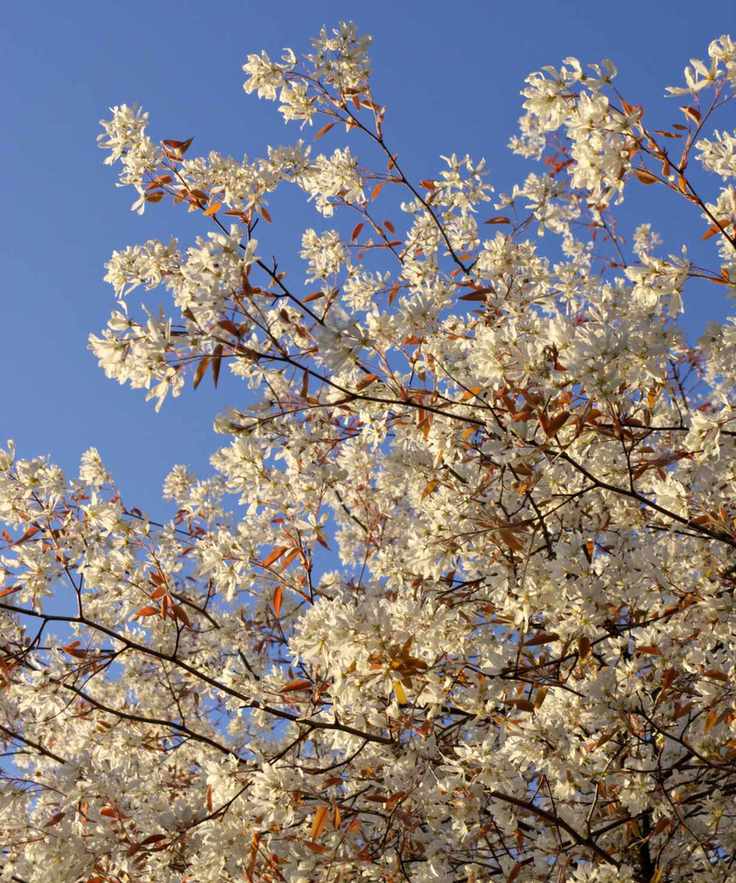
Continuing with the theme of flowering trees, the Serviceberry is another beautiful tree featured in Japanese garden concepts. This species, native to North America, Europe, and Asia, blooms in late April with white flowers, produces red fruit in June, and showcases stunning orange fall foliage for a dynamic seasonal display.
'The Serviceberry tree can thrive across zones 4-9 in rich, acidic, moist, well-drained soil,' explains Catherine. 'While it prefers sun to part shade, more sunlight results in more fruit—and the fruit is delicious.'
'I recommend pruning this tree in the fall; if pruned after spring flowering, fruit production may decrease. It needs regular watering during its establishment phase and should be watered during droughts as well.'
5. Cornelian Cherry Dogwood (Cornus mas)

This spring-blooming tree or shrub produces clusters of small yellow star-shaped flowers and is native to Europe and Asia, although many native dogwood trees are found in the US. Its lush green foliage appears in summer, followed by dark-red fruits that attract various birds. It can reach heights of up to 25 feet, with smaller cultivars also available.
'The Cornelian cherry dogwood has a very upright, almost columnar growth habit, requiring minimal pruning,' notes Catherine. 'It prefers rich, moist, well-drained soil—too much moisture can harm the plant. Ensure it receives sun to part shade and water it regularly until established; thereafter, it will only need watering during dry spells.'
6. Star Magnolia Tree (Magnolia Stellata)
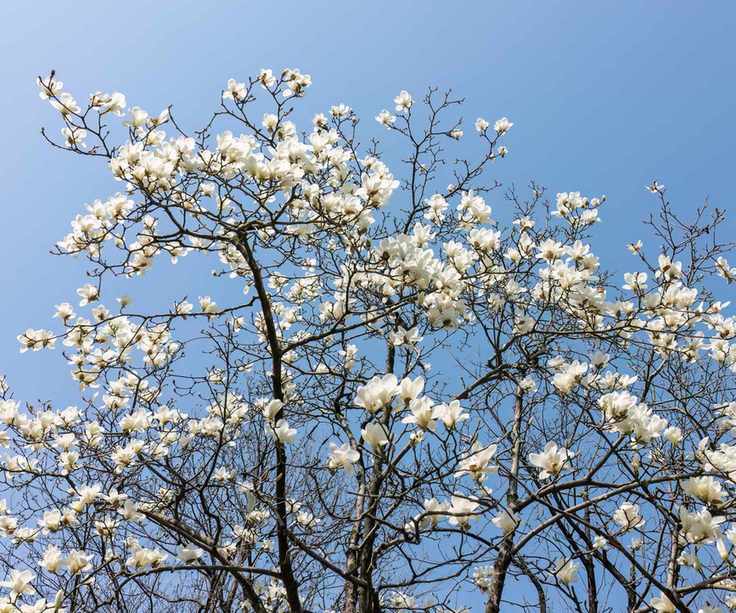
Star Magnolia trees, celebrated for their stunning blooms, are often included in Japanese gardens. These magnificent flowering trees are among the first to blossom in spring, providing delicate interest with their lovely white flowers while attracting and feeding pollinators.
This Magnolia variety is one of the earliest to bloom in late winter to early spring, making it a captivating addition to any garden.
Star Magnolias display an intriguing structural form as they grow, and their white flowers align beautifully with the Japanese garden aesthetic, which typically avoids bold colors.
7. Japanese Flowering Cherry Tree (Prunus x yedoensis 'Akebono')
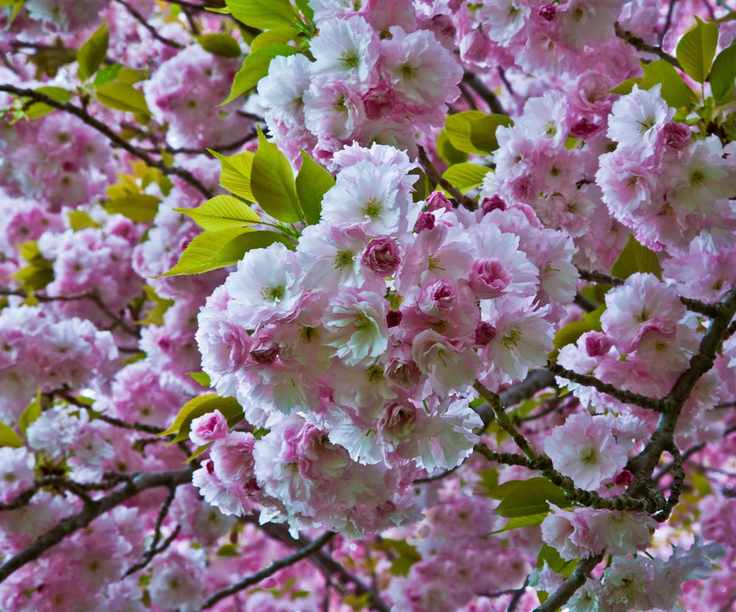
The beautiful flowering cherry trees adorned with delicate pink or white blossoms in spring are iconic in Japanese gardens. Many of these trees also display brilliant leaf colors in the fall. If you're interested in adding one or two of these trees to your garden, make sure to choose varieties that fit your USDA hardiness zone.
'Flowering cherries play a significant role in the design of Japanese gardens. Their soft pink to white blooms perfectly complement the color palette typical of Japanese aesthetics. The Akebono variety showcases striking pale pink blossoms that herald the arrival of spring.'
Whether you aim to fully embrace the Japanese garden aesthetic or simply wish to incorporate elements of it, the trees listed above will undoubtedly enhance your landscape. When planting, ensure they have sufficient space to grow and avoid planting near power lines or neighboring properties. If space is limited, consider using flowering trees in pots. Once established, you'll be rewarded with a stunning display of color throughout the seasons.