
Adding perennial vegetables to your garden comes with numerous benefits. They are typically easy to care for and yield bountiful harvests for many seasons.
Throughout my gardening journey, perennial vegetables have always been a staple. These resilient plants offer consistent harvests throughout the growing season, even during lean months.
Some perennial vegetables are popular choices, like asparagus, while others remain lesser-known gems. Here's a list of remarkable perennial vegetables I've successfully grown and harvested.

What Exactly Are Perennial Vegetables?
Perennial vegetables are plants that produce harvests year after year. Once planted, they grow back reliably each season, offering the chance to enjoy fresh produce without needing to replant annually. For anyone starting a vegetable garden, incorporating these hardy plants is a smart choice.
Unlike annual crops that require seed sowing, potting, and planting—which can be time-consuming—perennial varieties thrive with minimal effort.
Here's a selection of easy-to-grow, high-yield perennial vegetables worth including in your kitchen garden.
Asparagus

Asparagus is perhaps the most coveted perennial vegetable, with gardeners eagerly awaiting its spring arrival.
Growing asparagus takes patience, as it usually requires two years from planting crowns to the first harvest. However, once established, it can produce for up to 20 years. Caring for asparagus is straightforward: fertilize each spring and harvest during the 6-8 week window in late spring to early summer, allowing the plants to store energy for the following year before cutting back in the fall.
Explore a variety of asparagus plants and seeds available online.
Sea Kale

While not widely recognized, sea kale is a beautiful plant that yields edible shoots and leaves. The tender young shoots resemble asparagus, while the mature leaves taste like cabbage.
This historic vegetable has been consumed for centuries, and though it's not common in gardens, it has a special place in mine—chefs love the tender spring shoots that can be forced similarly to forced rhubarb.
Sea kale thrives in sunny locations with well-draining soil. You can start it from young plants or from cuttings or seeds, like these sea kale seeds available on Amazon.
Artichokes

Artichokes come in various perennial types, with globe artichokes being the easiest to cultivate. These tall, striking plants look wonderful in both vegetable and flower beds.
Artichokes can reach six feet tall and are perennial in USDA zones 7-11. They are drought-resistant once established and are harvested in summer. You can also grow Jerusalem artichokes and Chinese artichokes, which yield tubers that regrow the following year.
Good King Henry

Many might wonder what Good King Henry is. Also known as poor man's asparagus or wild spinach, this perennial has been around for centuries yet is often overshadowed by spinach.
This hardy plant produces large, flavorful edible leaves and stems. Good King Henry grows well in US hardiness zones 4-8, preferring full sun.
Seeds for Good King Henry can be purchased; they require a period of cold stratification before planting either indoors or outdoors. You can find seeds available on Amazon.
Perennial Onions

You have several options for perennial onions to complement your annual onion crop.
One standout is the Egyptian walking onion, known for its ability to spread. This variety produces edible bulbs and stems along with clusters of tiny bulbs that can be eaten or propagated. Welsh onions are another option; they grow in large clumps and are harvested for their stems. Other perennial onion types include prairie onions, everlasting onions, and potato onions.
Perennial Kale

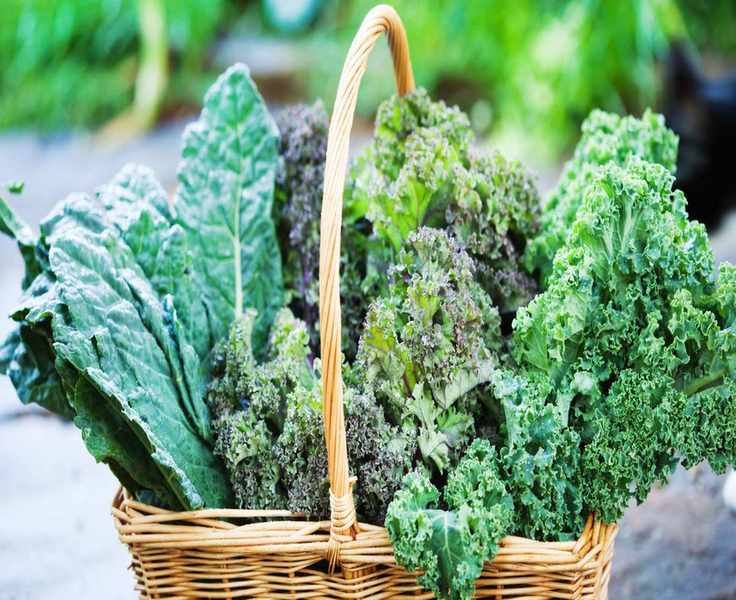
If you enjoy growing kale, consider perennial kale varieties. These can provide harvests for up to five years, and you can propagate new plants easily through cuttings.
Perennial kale is a great solution for small gardens, with popular varieties including 'Daubentons Kale' and 'Taunton Deane Kale.' While these plants can grow quite tall, it's essential to protect them with netting from birds and insects during the growing season.
Perennial Broccoli

The 'Nine Star' broccoli is a low-maintenance perennial brassica that yields a main head of broccoli, followed by small sprouting florets for up to five years. Regular harvesting encourages new shoots to grow, providing a continuous supply. These florets are reminiscent of purple sprouting broccoli but are creamier in color.
To ensure ongoing growth, it's crucial to harvest them regularly; otherwise, the plant will go to seed and cease producing. Plant this broccoli in a sunny backyard spot for a long harvest.
Rhubarb

Although commonly mistaken for a fruit, rhubarb is, in fact, a vegetable—and a fantastic one at that. This large perennial can reach three feet in height and width, with its vibrant stems being a spring delicacy.
Patience is key with rhubarb; avoid harvesting its stems during the first year, and expect a decent yield by the third year. You can plant rhubarb crowns—either young plants or dormant crowns—in a sunny location during fall or spring. Though it can be grown from seed, it takes much longer to establish.
If you're looking for unique planting ideas, perennial vegetables can be a great way to save money and promote sustainability in your garden. Many of these varieties also thrive in pots, making them ideal for those with limited space. Plant them once and enjoy bountiful harvests for years to come!