August is a great month to take cuttings from various popular shrubs and perennials. By now, your plants should have a lot of healthy green growth, mostly semi-ripe, which is ideal for propagation.
As an experienced gardener, I've dedicated countless hours to propagating plants in both private and community gardens. From fragrant pelargoniums to dependable perennials like verbena and salvia, summer cuttings are essential.
If you're eager to expand your rosemary or lavender collection without any cost, grab some snips, pots, and soil, and get started this month. Here are seven plants worth propagating in August to enhance your summer gardening checklist, along with handy tips I've gathered over time.
7 Plants to Propagate in August: Cutting Tips
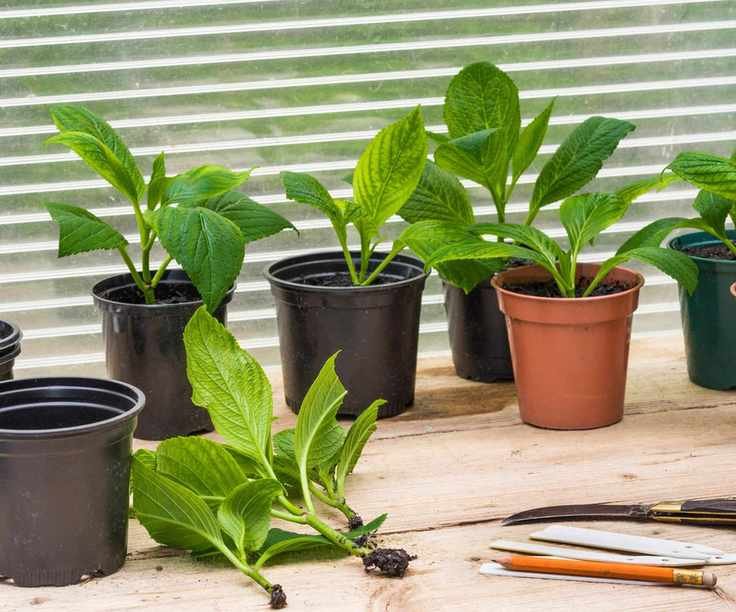
Learning how to take cuttings is simple, but getting the basics right is crucial. Use clean, sharp snips, and consider bringing a bucket of fresh water to keep your cuttings hydrated as you work.
For all cuttings, roots develop from leaf nodes, so snip just below a joint and remove the lower leaves to create a clean cutting with one or two leaves left atop the stem.
It's also best to use gritty, well-draining compost when potting the cuttings, placing them in a warm, bright location but out of direct sunlight. With a bit of luck, you should see tiny white roots forming in a few weeks.
Here are seven of my preferred plants to propagate in August.
1. Rosemary
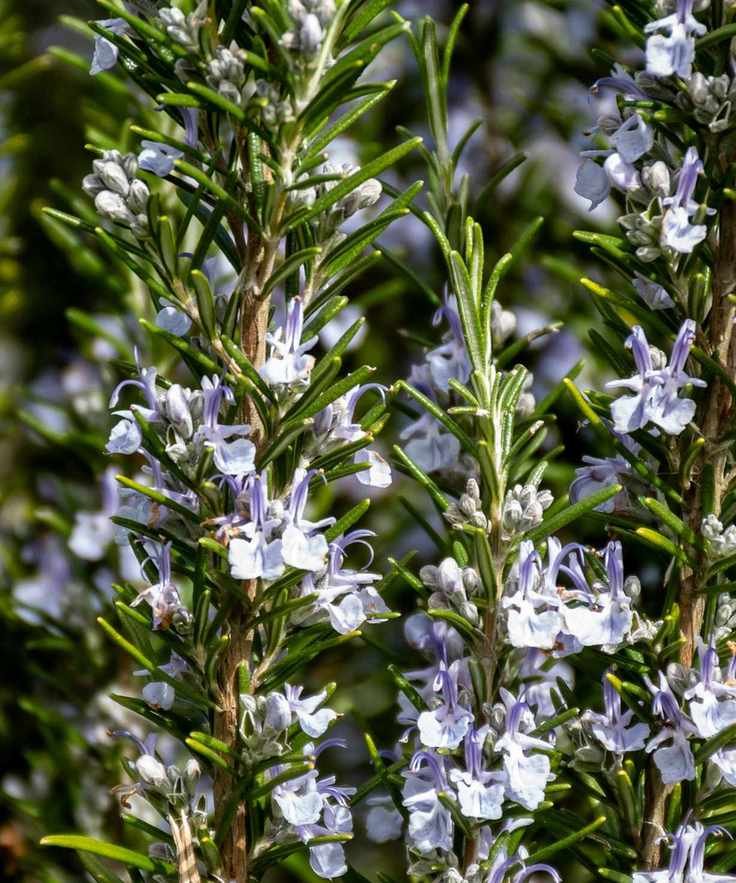
Rosemary is an excellent choice among flowering shrubs for sunny spots. I've cultivated it in many gardens, even in tough, rocky soils in Tuscany, where it thrived with minimal care.
In August, propagate rosemary by trimming about six green, firm stems.
Consider using this highly rated Fiskars pruning knife, available now from Amazon, for easy snipping.
Choose non-flowering shoots and cut them to about four to six inches long. Strip the lower leaves, keeping just a few at the tip, and often dip the cut base in rooting powder before placing it in free-draining soil.
You can plant multiple cuttings in one container, but they'll need to be potted separately once roots develop. By next year, your young herbs will be ready for borders and pots.
If you have concerns about older rosemary plants, taking cuttings serves as a good backup. Alternatively, you can order live rosemary plants from Walmart.
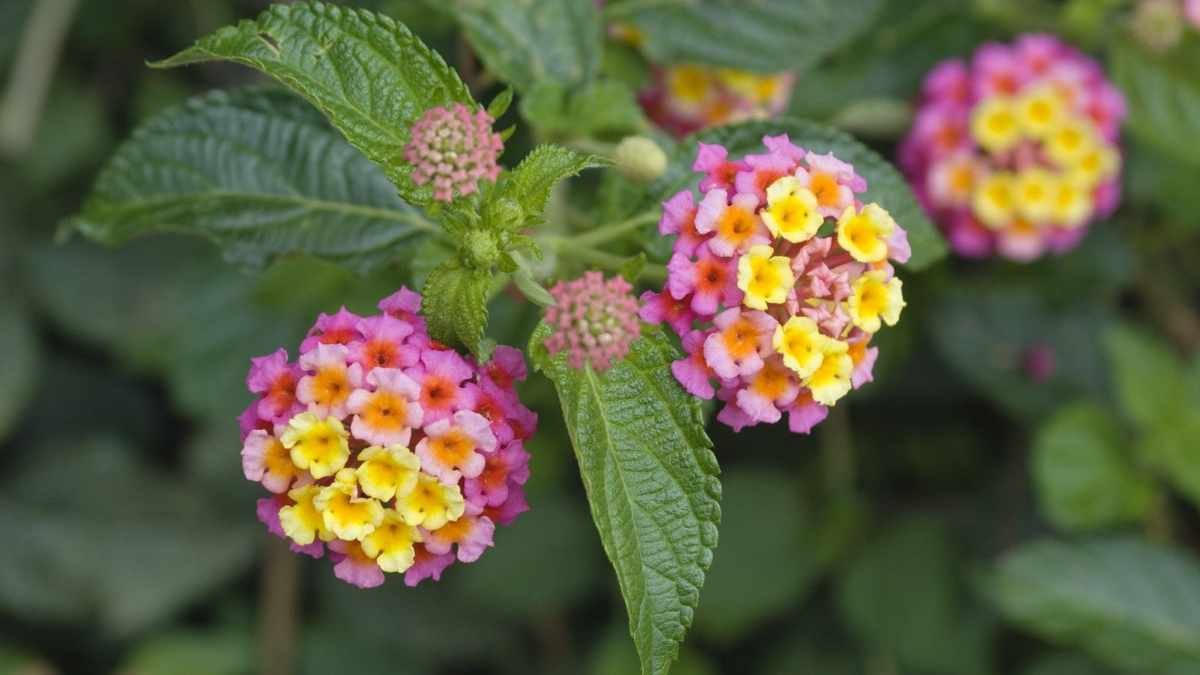
2. Lantana
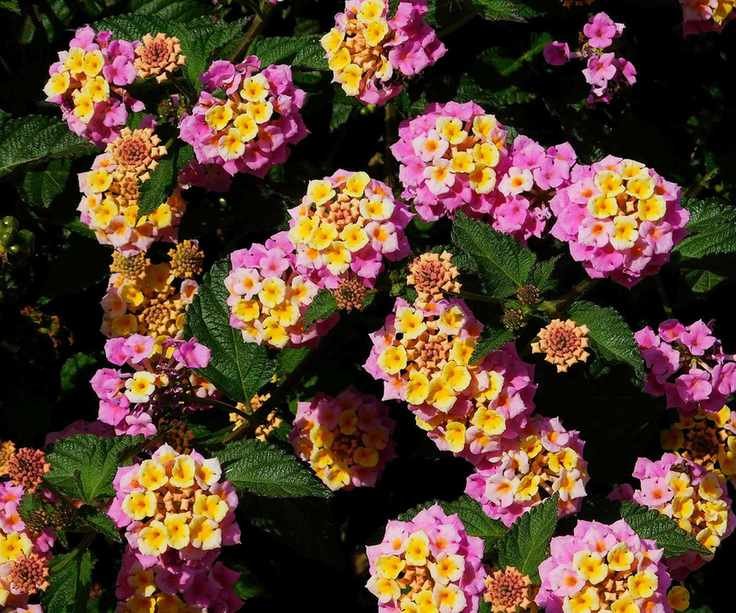
Lantana is regarded as an invasive perennial in states like Florida and Texas, so research carefully before propagating or introducing this plant to your garden.
Take fresh green shoots that haven't yet flowered, cutting four-inch sections just below a leaf node. Remove the lower leaves and plant them in a gritty mix.
While rooting hormone isn't always necessary, it can enhance success rates. To use it, dip the bottom inch of your cuttings in water, followed by rooting hormone powder available from Amazon, shaking off excess.
Lantana thrives in zone 8 and prefers sunny, warm locations. Keep young cuttings out of harsh afternoon sun while they establish.
In about six weeks, roots should begin to form, allowing you to pot them individually. It's advisable to keep them in a cold frame or greenhouse over winter before moving them outdoors in spring.
3. Potentilla
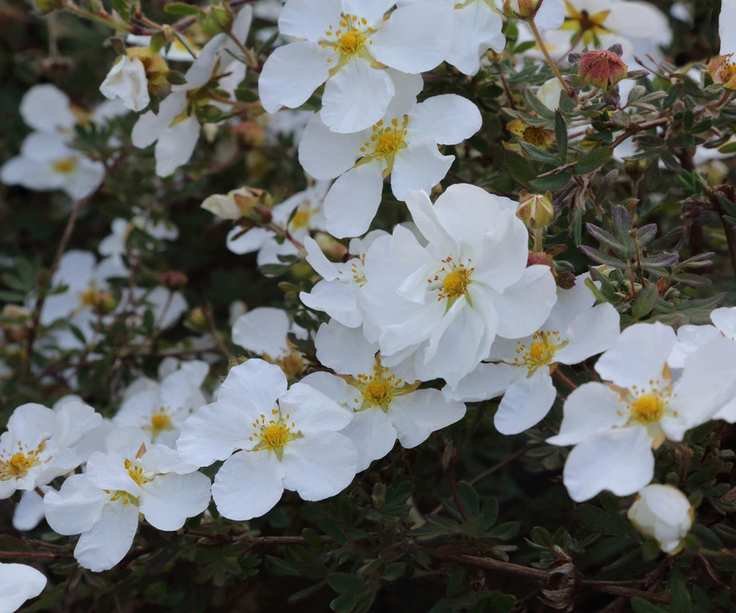
Often underestimated, Potentilla is a fantastic group of flowering shrubs and perennials. I have a soft spot for Potentilla nepalensis 'Miss Wilmott's Ghost', known for its pink blooms with crimson centers.
Only shrubby potentillas can be propagated in August. If you or a friend have an established specimen, now is the time to take cuttings.
Good drainage is vital, so use seed and cuttings soil from Amazon to prevent rot in overly wet pots.
With numerous cultivars ranging from white to pink, red to orange, consider a yellow option like Goldfinger potentilla, available from Walmart, which tolerates poor soil and blooms throughout summer.
4. Ribes
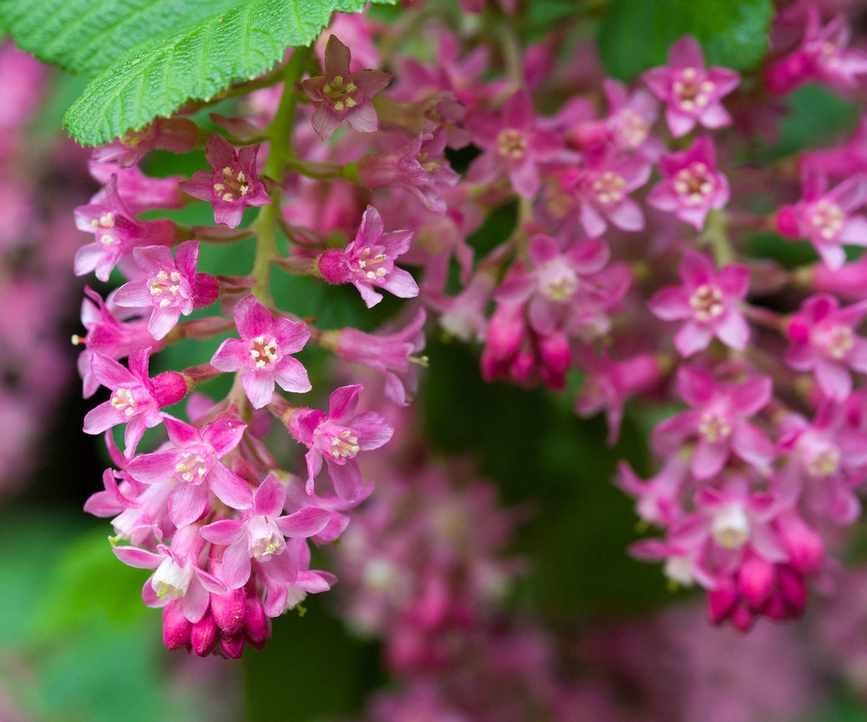
Ribes, or flowering currants, are perfect for adding color to your garden in March, April, and May.
August is an ideal time for cuttings as this year's growth is ripe enough to maintain its structure.
Simply snip semi-ripe stems about six to eight inches long. Root them in pots of gritty compost, keeping them moist but not soggy, and they'll be ready for planting next spring.
Though shrub propagation requires patience, it's a fantastic way to fill hedgerows or borders over time.
You'll find many appealing varieties, including Ribes sanguineum 'Albescens', a go-to plant of mine. With fragrant pink flowers on long branches, these stems can also be used in vases alongside spring blooms like daffodils and tulips.
5. Lavender
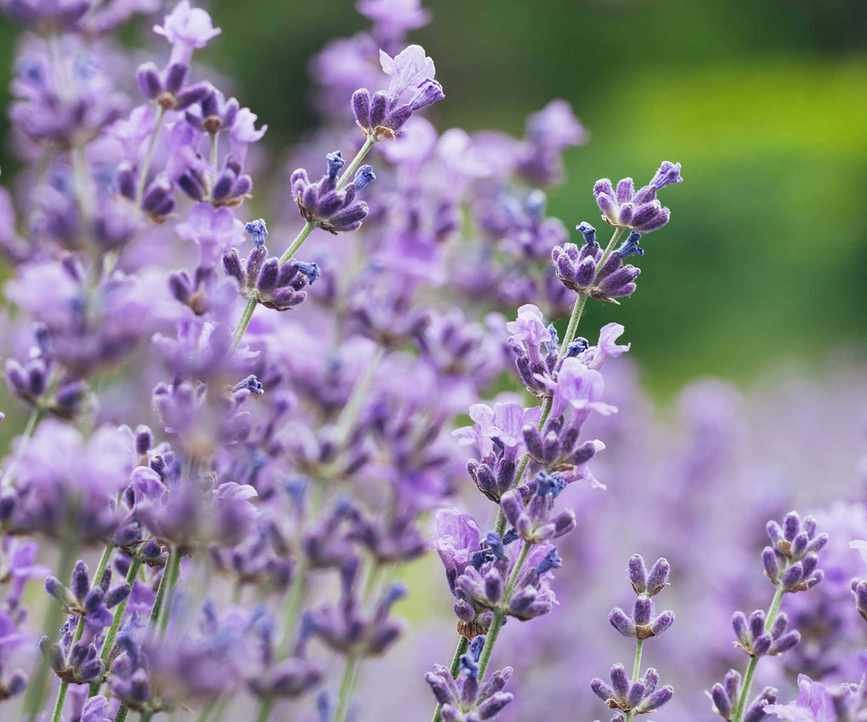
Lavender is excellent for cuttings in August, especially if you trim it after flowering this month. A two-for-one benefit!
Choose fresh, silver-green shoots from the plant's outer edges, avoiding any that are too woody or have flowers.
While rooting powder can sometimes help, I've found that lavender often roots well on its own.
Just remember, as a Mediterranean herb, it requires good drainage. Combine grit, sand, or perlite in your compost, and place cuttings in a warm, bright spot away from intense midday sun.
By spring, you'll hopefully have young lavender plants ready to fill your garden.
If you're looking to add a new variety, consider these live French lavender starter plants available from Walmart.
6. Forsythia
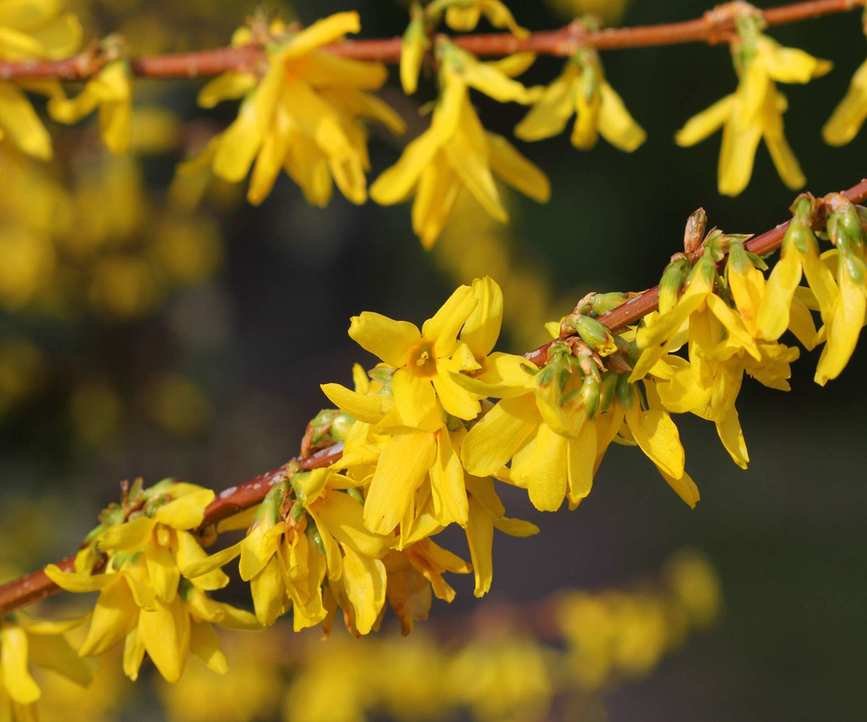
Forsythia might not be the first plant that comes to mind for August propagation, but this yellow-flowering shrub is perfect for semi-ripe cuttings.
Before taking forsythia cuttings, prepare a pot filled with soil mixed with sand or perlite for better drainage.
Snip six-inch stems from this year's growth, removing lower leaves, and dip the cut ends in rooting hormone.
Insert the cuttings into holes in the prepared pot (a pencil or dibber, like this wooden model from Amazon works well).
For better success rates, consider placing your forsythia cuttings pot inside a plastic bag sealed with an elastic band to create a greenhouse effect.
After about six to eight weeks, roots should develop, and you can transfer them to larger pots.
If your cuttings fail, don't worry. You can always find new plants, like this Forsythia 'Lynwood', with live starter plants from Nature Hills.
7. Sage
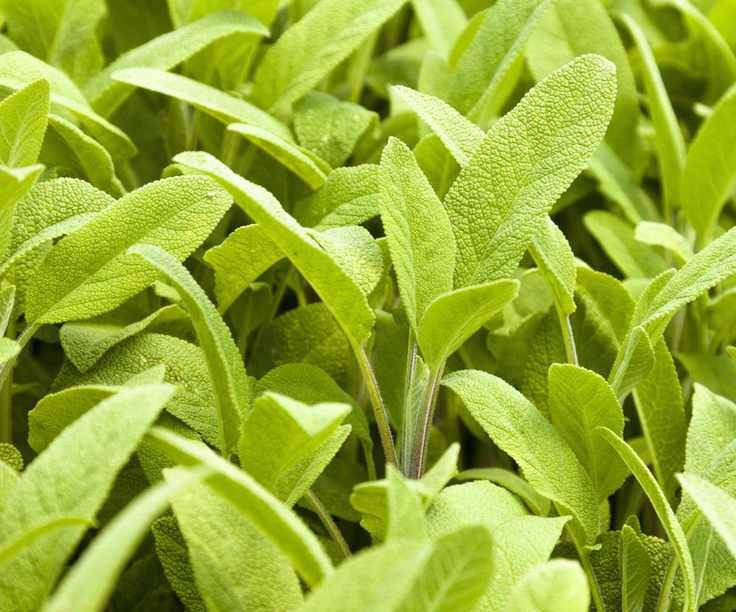
Sage is one of my favorite herbs to propagate. It's tough, reliable, and always leaves a pleasant aroma on your hands.
I've taken sage cuttings multiple times, most recently in Italy, to replace old, woody plants in the kitchen garden.
Regular pruning is essential to prevent herbs from becoming leggy, so be sure to include sage pruning on your spring gardening checklist.
You can take sage cuttings throughout summer, whether in June, July, or August, using soil propagation or water with items like these propagation vases from Amazon.
If rooting in water, remember to change it every few days to encourage faster root development.
Whatever plants you choose to propagate, keep a close eye on watering during those hot summer days. Ensure the soil or water doesn't dry out!
For more inspiration, check out our guide on what vegetables to plant in August to maintain a productive kitchen garden this year.
Essential Tools for Propagation
Okatsune Pruners
These stylish red and white Okatsune pruners are perfect for taking summer cuttings.
Rooting Powder
This hormone powder can encourage root development for your cuttings.
Gardening Gloves
These black gloves keep your hands protected while propagating plants this summer.