
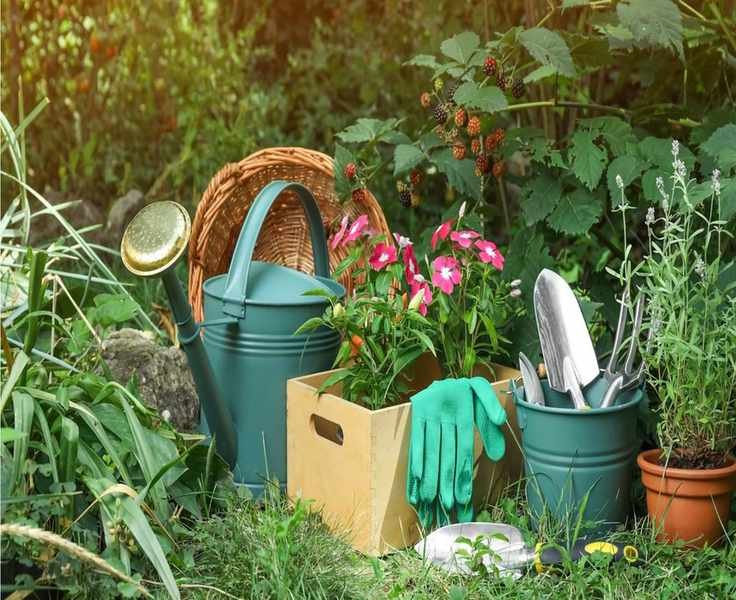
Each year, National Garden Week is honored during the first week of June across the US, highlighting the pleasures of gardening and plant care. If you're new to gardening or haven't yet picked up a trowel, this week is a fantastic chance to explore growing and gardening basics.
With essential gardening tools in hand and having discovered a few backyard ideas, you can dive into straightforward gardening tasks to begin shaping your outdoor haven. You don't need an extensive background; gardening is all about enjoyment and learning something new.
We consulted experts to find out what beginners should tackle first in their yards, and they suggested some enjoyable tasks to help you get started.
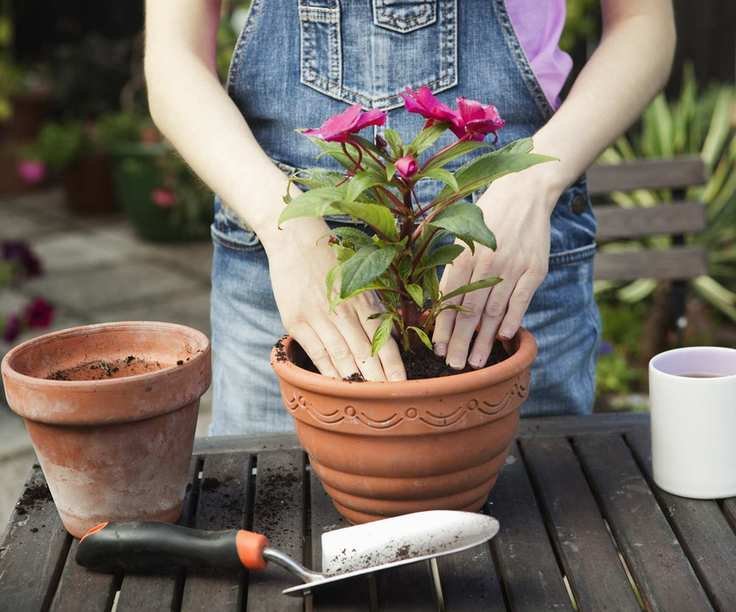
5 Beginner Gardening Tasks
Are you new to gardening? Unsure where to begin with your outdoor space? Here are some enjoyable tasks for novice gardeners, along with expert insights to guide you through the growing process.
1. Start a Herb Garden
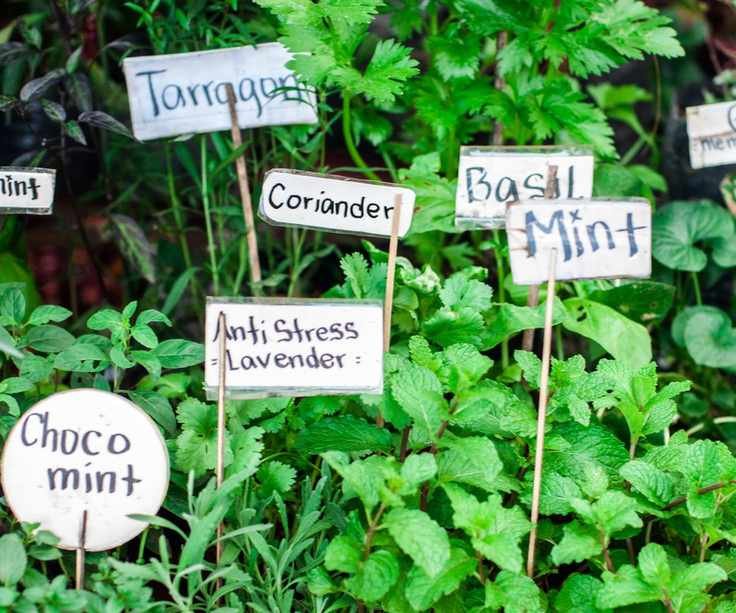
Herbs are among the simplest plants to cultivate, offering various ways to establish a herb garden in your backyard. You can select from a range of fragrant herbs to create a delightful garden.
"Choose a sunny location as herbs thrive with at least six hours of direct sunlight during summer," advises Miri Talabac, a horticulturist at the University of Maryland Extension. "Ensure the soil drains well; use a container with at least one unobstructed hole at the base, filling it solely with potting mix."
Creating a herb planter can enhance drainage and prevent overwatering, which might occur if planted directly in the ground. Herbs can also be grown indoors, making for a lovely indoor herb garden.
As an indoor gardening enthusiast, I've transformed my herb garden into a stunning focal point with attractive containers, like the hanging herb planter for windows below, bringing convenience close to my kitchen.
"Thyme, parsley, basil, chives, and rosemary are all easy and popular choices," Miri adds.
2. Clear Weeds from Beds and Pavers
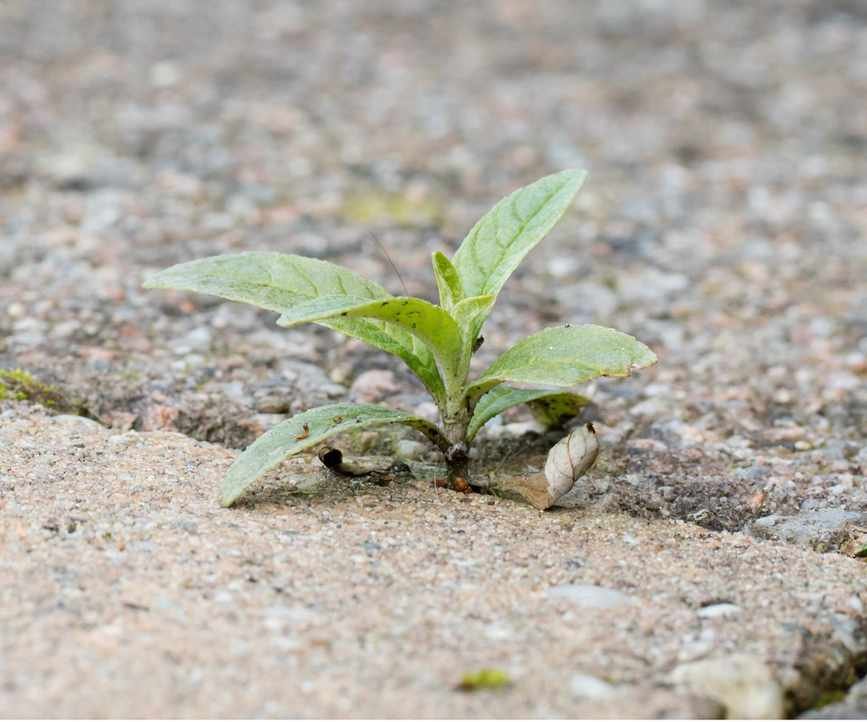
The first step to refreshing your backyard is tidying it up. If unwanted plants are sprouting up in unwanted areas, you may want to tackle weed removal.
"Weed removal can be physical—pulling or cutting—or chemical, using herbicides," Miri explains. "Identifying the weed is crucial since control methods vary based on the plant type."
For weeding garden beds or pavements, there are various techniques available.
"I genuinely enjoy weeding and find it satisfying to dig out those deep tap roots using a manual hand weeder, like the one I recommend below—this guarantees weeds are gone for good," says Rachel Bull, Head of Gardens.
"Clearing a patch of soil and getting my hands in the dirt is so therapeutic. Having a kneeling pad, like this kneeling pad from Amazon is also helpful," she adds.
You can also create homemade weed killer with common kitchen items. For instance, salt can effectively kill weeds and even vodka can eliminate them.
Keep in mind that some weeds might take time to completely vanish. "Be prepared for potential weeks or months of repeated efforts when dealing with established perennial weeds," Miri concludes.
3. Plant Evergreens for Year-Round Appeal
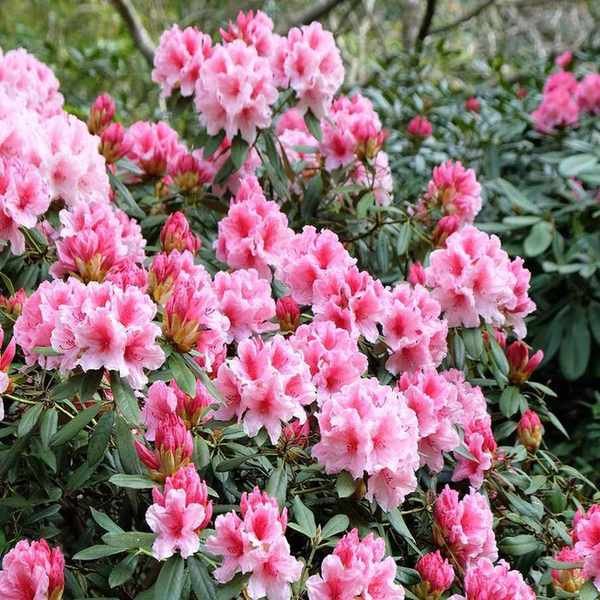
When selecting plants for your garden, consider incorporating some of the most attractive evergreen plants that provide visual interest throughout the year. Evergreens maintain their foliage in every season, ensuring your garden remains vibrant.
"There are numerous evergreen cultivars available now, allowing you to create an entire garden with them that remains captivating all year round," Miri shares. "Their growth habits can also add intrigue to the landscape, from upright columns to rounded mounds and cascading forms."
While the name suggests green hues, evergreens come in various beautiful colors and some even bloom.
"Both conifers and broadleaf evergreens can be used for their contrasting textures and colors. Many have shades of golden-yellow or silvery gray-blue, in addition to greens," Miri points out.
4. Prune Dead and Damaged Foliage
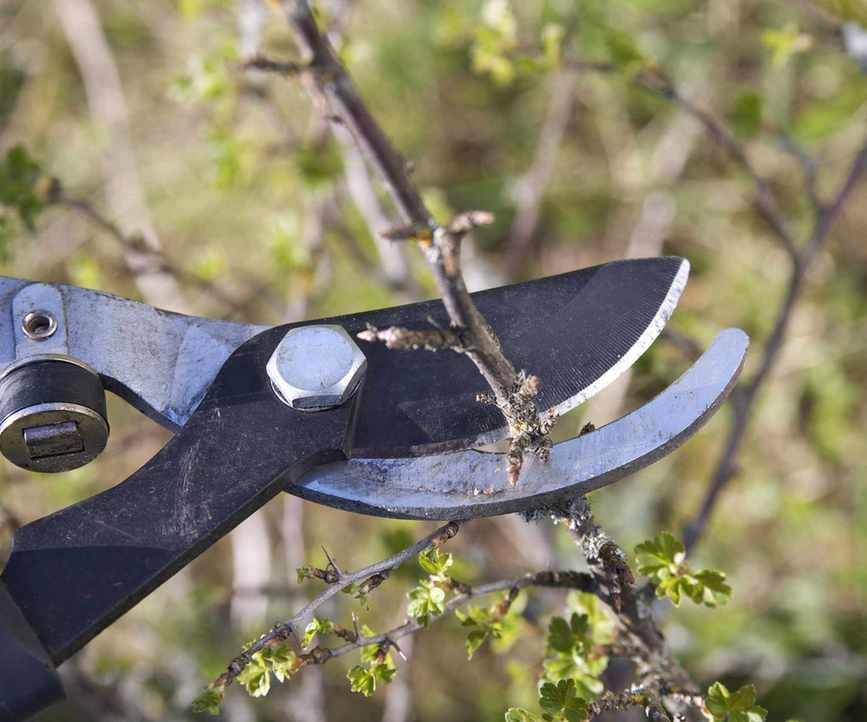
Maintaining plant health is crucial, and removing dead or damaged materials is an essential practice. Whether pruning tree branches or trimming flowering plants, clearing away any dead or damaged leaves and stems can promote vigorous growth.
"Removing dead wood can be done any time of year; this prevents further damage when it breaks off on its own," Miri suggests. "Additionally, if any dead materials resulted from disease or pests, removing them helps prevent spreading the problem."
Research is vital for pruning specific plants, and learning about common pruning mistakes can help, including selecting the right tools for the task.
All gardeners require quality pruning shears. While cheaper options may seem appealing, investing in durable tools is more sustainable," advises Thom Rutter, a former professional gardener and content editor.
"These Felco pruning shears from Walmart have long been my go-to tools for most pruning tasks, easily handling cutting back perennials and annuals, as well as modest branches. However, avoid cutting anything wider than 1/2 inch in diameter," he advises.
If you need to reach higher branches, Thom recommends extendable shears. "A telescopic handle makes trimming trees and shrubs much easier, allowing you to avoid climbing a ladder. If you're like me, you'll be surprised at how frequently you'll use these," he adds.
5. Establish a Compost Bin

Creating a sustainable garden can be simple, and establishing a compost bin is an excellent way to recycle kitchen waste while enhancing your soil health.
Creating compost involves converting organic materials, including food scraps and plant debris, into fertilizer for your plants. Setting up a compost bin provides a designated space for materials to decompose, allowing you to utilize the compost when needed.
"When constructing your compost bin, ensure it allows for ample oxygen access; well-oxygenated compost avoids unpleasant odors associated with decomposing materials," Miri notes.
A compost bin should have proper air circulation, whether you purchase one or make your own using chicken wire.
"Compost needs a mix of 'green' (nitrogen) and 'brown' (carbon) materials to promote healthy microbial growth," Miri explains. Experimenting with unusual compost ingredients can enrich your compost heap.