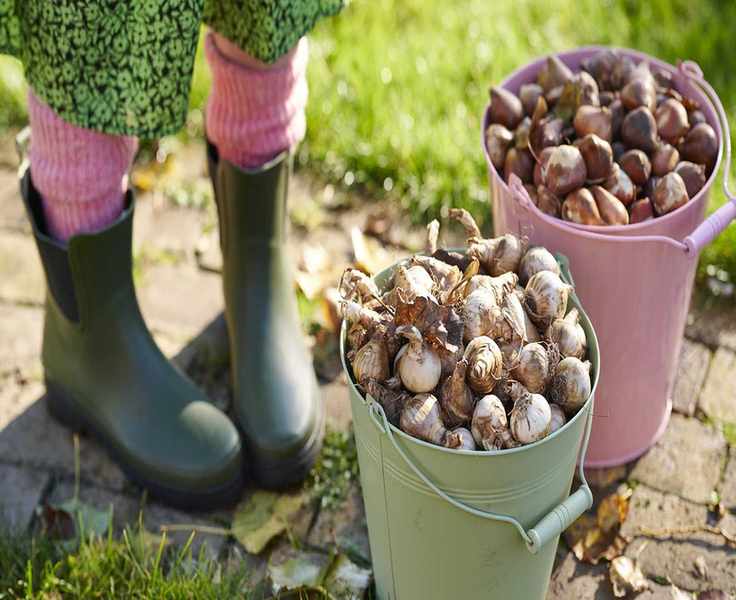
As fall arrives, it's the perfect time to plan for spring flowering bulbs, even if spring feels far away. Selecting the right varieties can bring a smile as summer fades, with countless options available to brighten your garden post-winter.
Whether you're filling patio pots, enhancing garden borders, or dotting them throughout your lawn, steering clear of common pitfalls is crucial. A disappointing display can be frustrating, especially after all your preparation.
Here's expert guidance on what mistakes to avoid when planting daffodils, tulips, and other early bloomers. Keep these tips in mind to maximize your chances for a spectacular spring show.
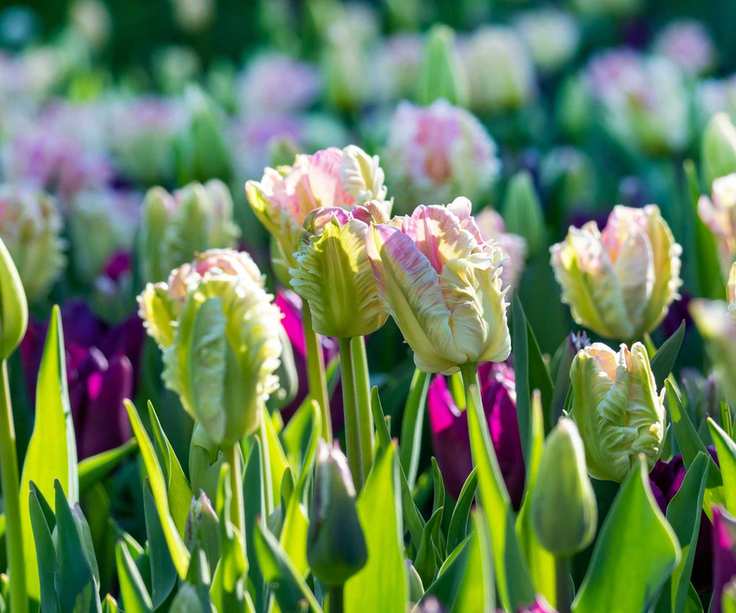
Bulbs add color to your garden in spring
8 common pitfalls to avoid when planting spring bulbs this fall
Whichever spring bulb varieties you choose, making these mistakes can be detrimental.
1. Incorrect planting depth
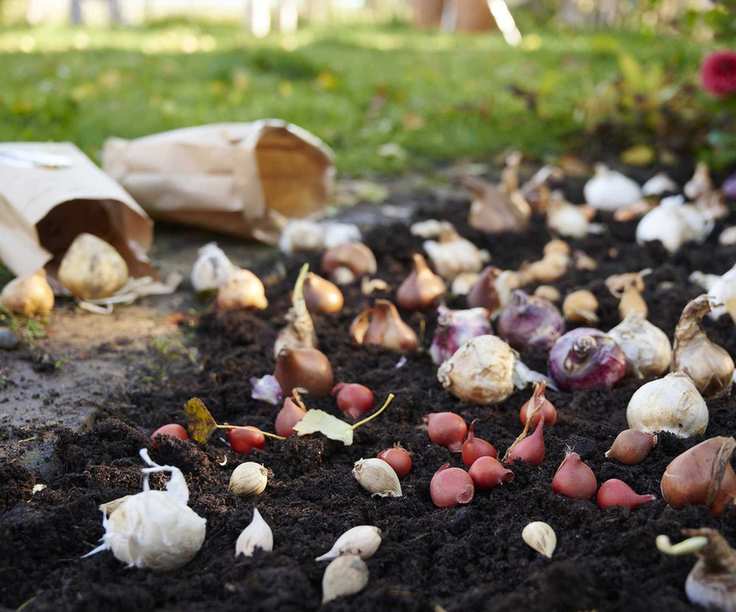
Verify the ideal planting depths for your selected varieties
Planting bulbs too deep can lead to rot or suffocation before they sprout, cautions gardening expert Katie Sunderlage.
Conversely, planting too shallow exposes them to harmful temperature shifts and can attract pests, resulting in daffodil blindness where leaves grow, but no flowers appear.
'Bulbs aren't one-size-fits-all for planting depth,' Katie emphasizes. Guidelines are often available on product labels or retailer websites. Larger bulbs, like daffodils and tulips, typically require depths of six to eight inches, while smaller bulbs such as crocuses should be planted one to two inches deep.
Using a bulb planter with depth markers can assist in achieving the right depth. This bulb planter from Amazon is a highly rated option.
Pro tip: 'If you're unsure about the exact depth, a good rule of thumb is to plant two to three times the bulb's vertical diameter,' Katie suggests.

2. Using inappropriate soil
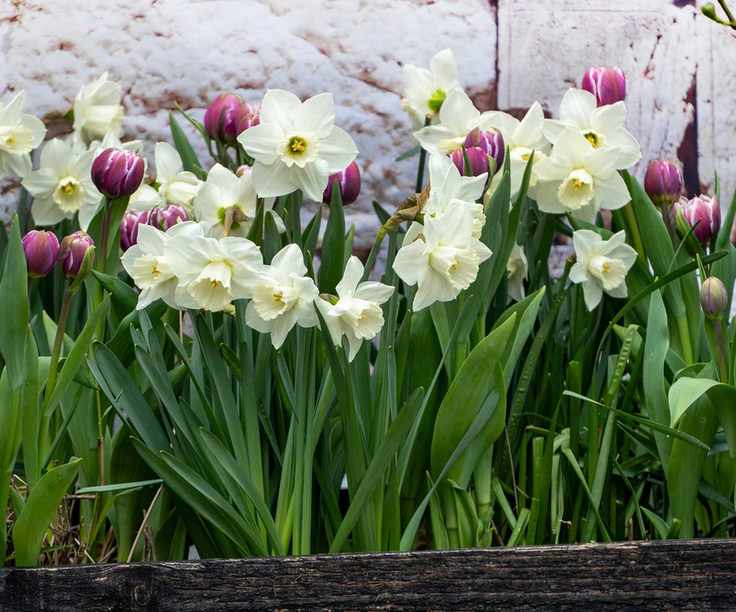
Soil quality impacts bulb growth
Soil type is crucial for successful bulb cultivation. Katie warns that heavy clay can cause bulbs to rot and hinder root development. Sandy or rocky soil isn't ideal either, as it drains too quickly and often lacks vital nutrients.
The good news? You can enhance poor soil with amendments. Katie recommends incorporating organic matter, such as homemade compost or shredded leaves, for better drainage. Gypsum or horticultural lime can also help improve soil structure, available at many garden centers. Organic garden lime from Down to Earth can be found on Amazon.
For sandy soils, adding organic matter can help maintain a stable soil structure. Consider mulching for added nutrients as well.
3. Planting at the wrong time

Tulips can be planted later than other spring bulbs
Understanding when to plant bulbs is key for a successful display.
While you might feel eager to plant all your spring bulbs early, Amy Enfield of ScottsMiracle-Gro advises against it. Early planting can make them susceptible to rot and lead to premature sprouting, risking frost damage to blooms.
Late planting poses its own issues; roots may not develop adequately, leading to smaller or absent flowers.
Pro tip: Tulips can be planted later than most bulbs to reduce the risk of tulip fire, a fungal issue.

4. Incorrect watering habits
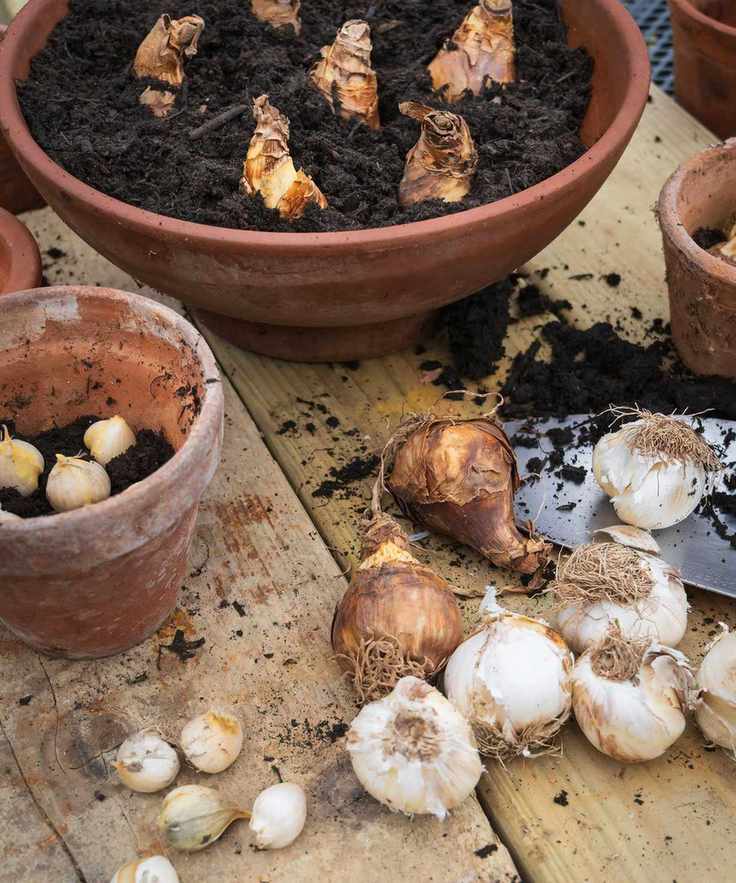
Overwatering can be detrimental
Just like with sowing seeds, newly planted bulbs require moisture. 'Insufficient water can hinder proper rooting, leading to poor growth,' warns Amy.
However, overwatering can also harm them. Bulbs are at risk of rot in overly wet soil, so avoid killing them with kindness.
Amy recommends a thorough watering after planting, then keeping the soil moist without excess. 'For spring-flowering bulbs, monitor moisture until the ground freezes,' she adds. 'If fall rains are sufficient, additional watering may not be necessary.'
Pro tip: Anna Ohler, owner of Bright Lane Garden nursery, suggests planting in sunny spots if you experience heavy winter snowfall to help dry out the soil when melting occurs in spring.
5. Choosing a shady location
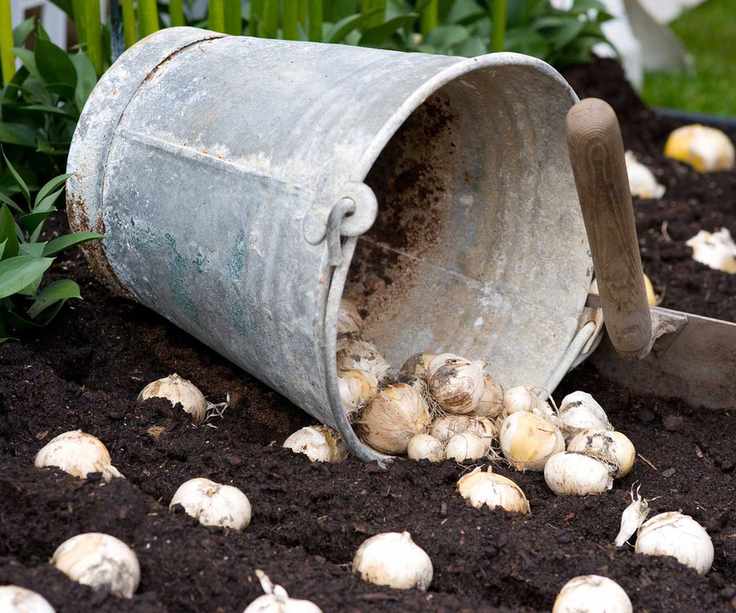
Most bulbs thrive in sunny conditions
Most bulbs flourish in full sun, requiring at least six hours of direct sunlight daily, according to Amy. Planting in shaded areas can lead to poor blooms or no flowers at all, so check sunlight needs for each bulb type before planting.
If your garden is shady, you can still enjoy blooms. Snowdrops and crocuses perform well even with less sun.
6. Selecting low-quality bulbs
Opt for large, firm bulbs
Avoid small bulbs, even at lower prices. 'You might sacrifice bloom quality and plant health, leading to poor results,' Amy warns.
'Always choose the largest bulbs available,' she advises. 'Bigger bulbs contain more stored energy, resulting in healthier plants and more impressive blooms.'
Examine bulbs for firmness; soft ones may indicate mold or rot. Storing bulbs in a dry, well-ventilated area pre-planting will help maintain their health.
7. Overcrowding bulbs
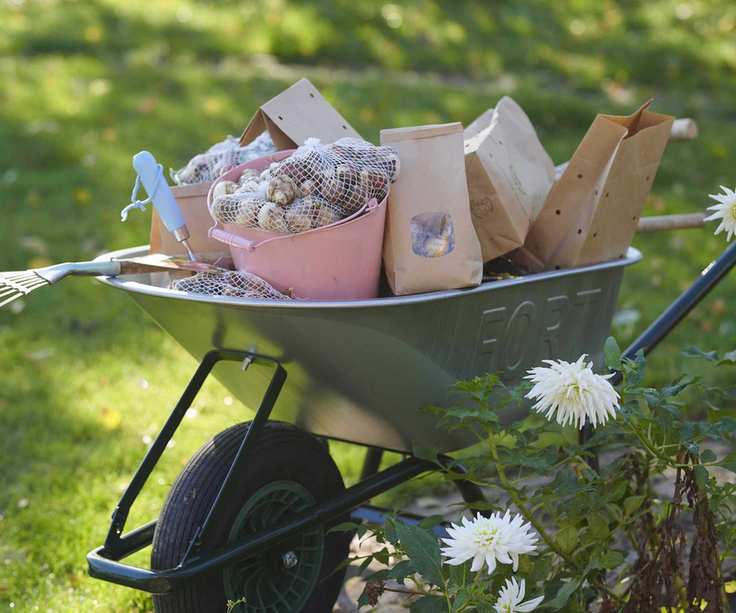
Maintain proper spacing for healthy growth
Proper spacing is essential, especially for bulbs planted in the ground that will bloom year after year. Too close spacing can lead to overcrowding, resulting in competition for nutrients and smaller flowers, says Amy. 'Larger bulbs such as tulips, daffodils, and hyacinths should be about six inches apart, while smaller bulbs like snowdrops and crocuses can be two to three inches apart.' Check packaging or retailer sites for specific spacing recommendations.
For bulbs in pots, which are often treated as annuals, you can plant them a bit closer but not so much that they touch.
8. Neglecting to plan for continuous blooms

Choose a variety of bulbs for extended flowering
Instead of sticking to just a few types of spring bulbs, consider planting varieties that bloom at different times. This approach will prolong your display, providing vibrant colors over a longer period.
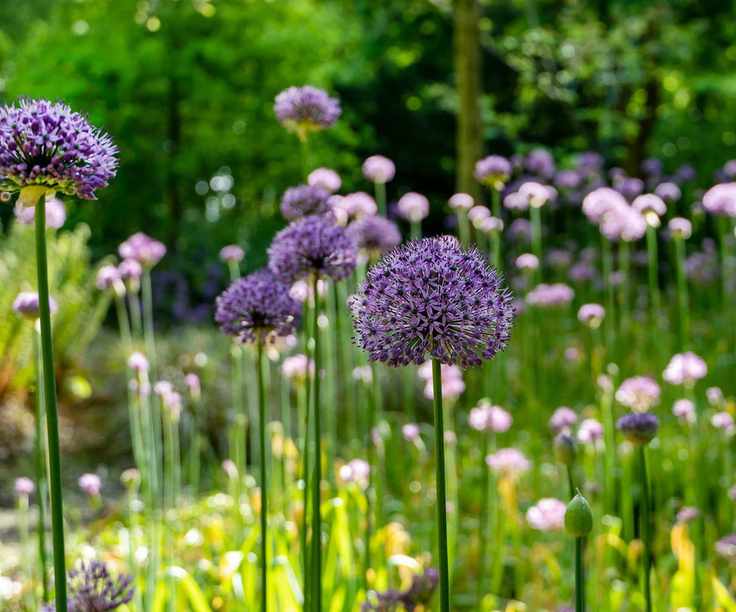
Early bloomers typically include snowdrops and crocuses, followed by daffodils, hyacinths, and tulips, with various types available. Alliums, favored by pollinators, usually bloom late in spring and early summer.
If planting in pots, consider creating a bulb lasagna by layering earlier bulbs on top and later bloomers at the bottom.
FAQs
What if I accidentally plant bulbs upside down?
Ideally, bulbs should be placed with the pointy side up. However, if you accidentally plant them sideways or upside down, don't worry—they can still grow.
How can I improve drainage in container-planted bulbs?
To ensure soil remains well-drained for container-planted bulbs, start by using pots with drainage holes to allow excess water to escape. Investing in pot feet from Amazon will elevate the container, allowing water to flow off easily.
Avoid using regular soil from your yard; choose a well-draining potting mix instead. Adding horticultural grit can further enhance drainage.
Planting bulbs is a vital fall gardening task, and following these tips will lead to beautiful results. If you're looking for earlier blooms indoors, consider forcing bulbs indoors as well.