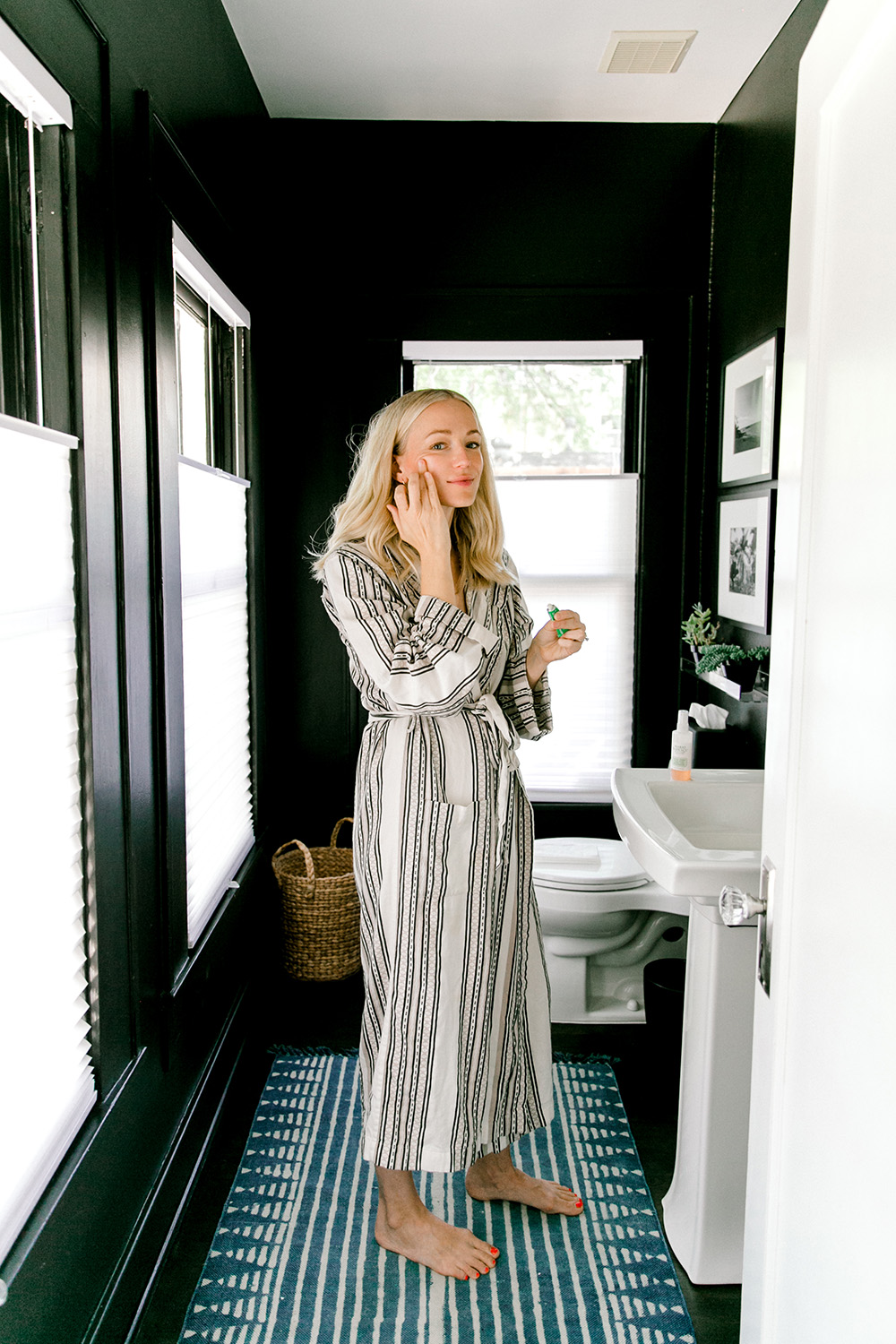
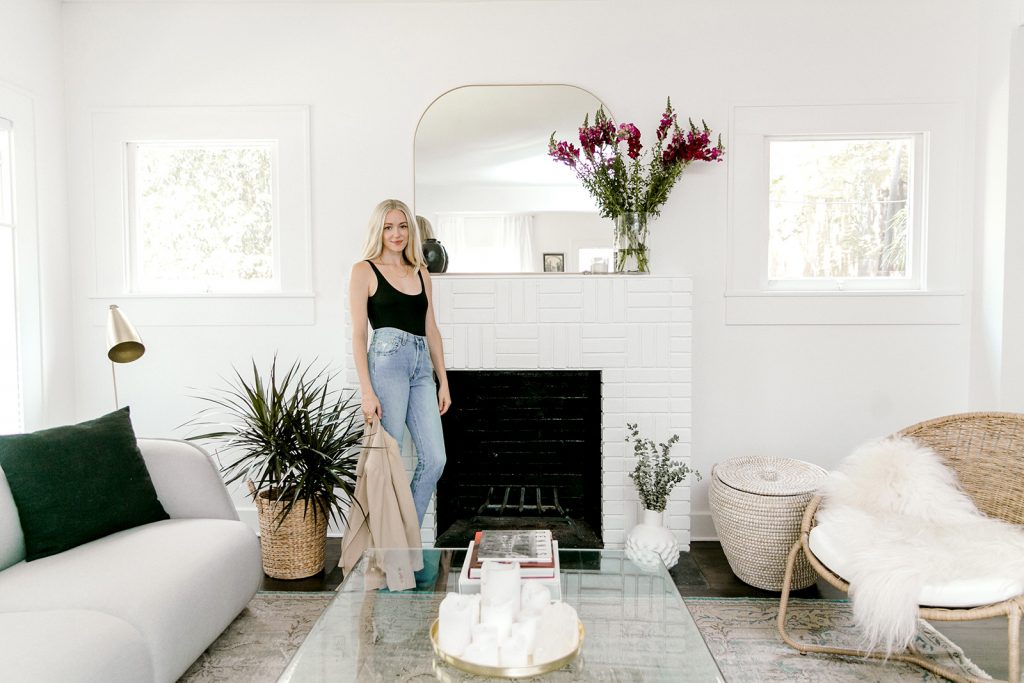
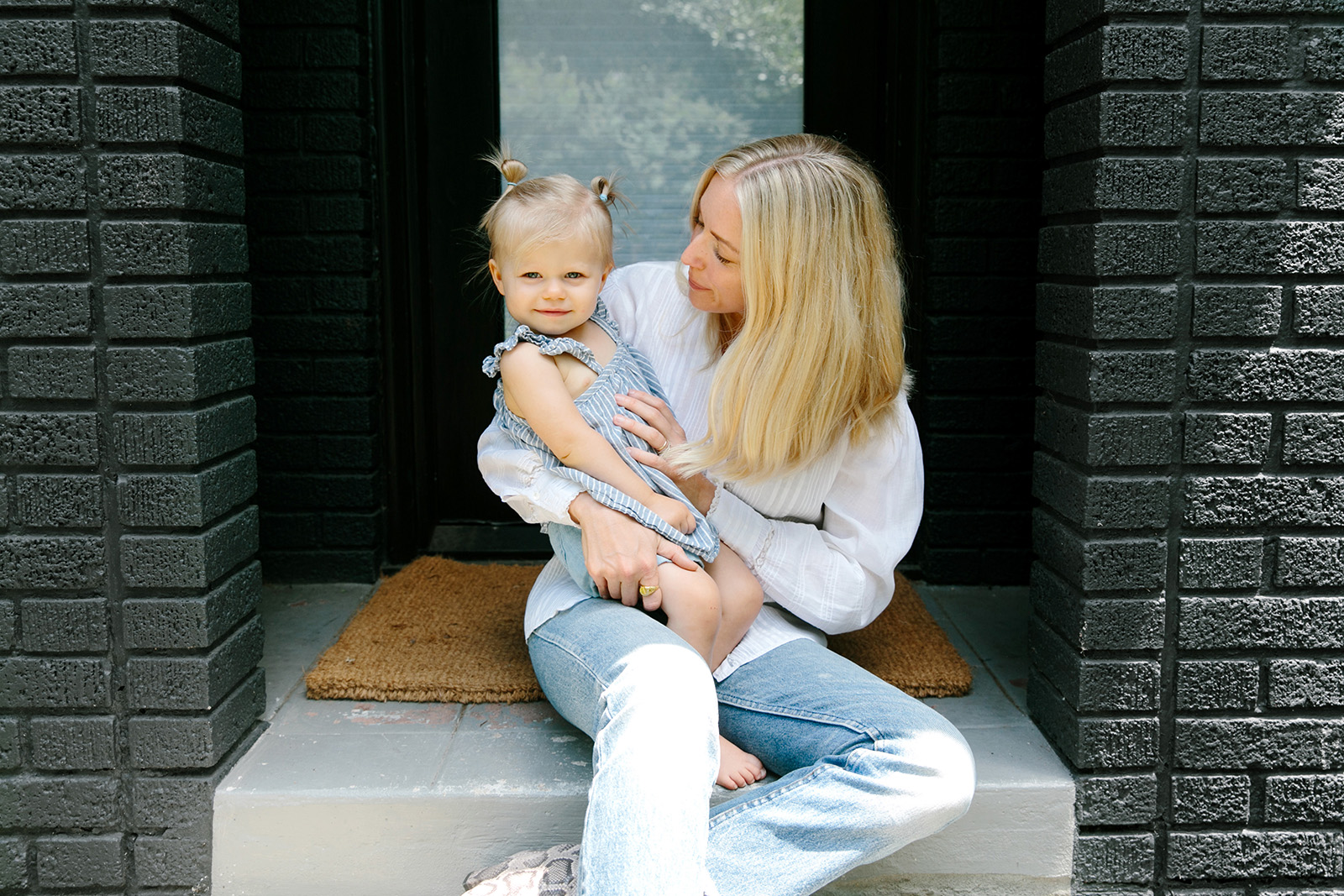
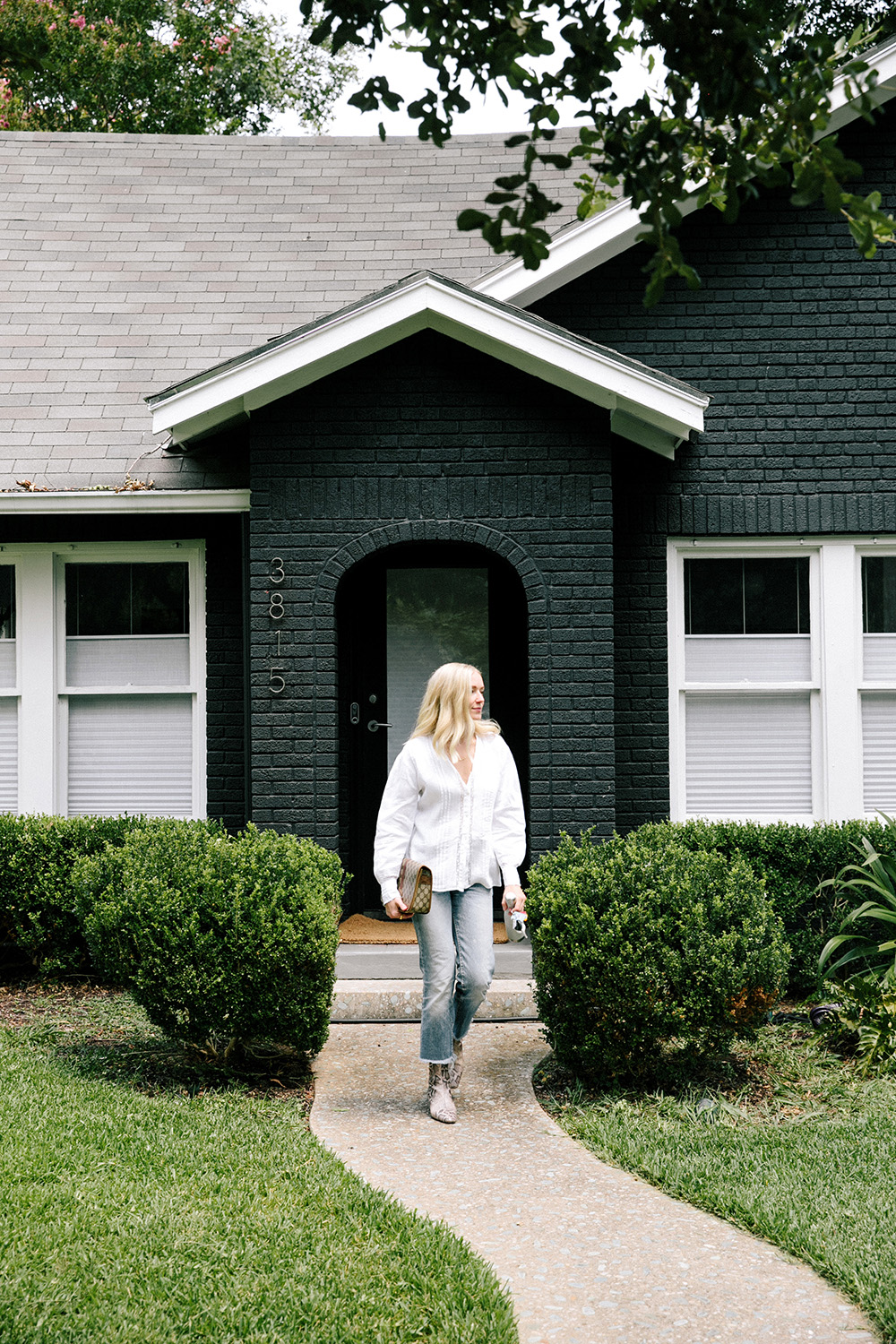
Entering Brigitte Sharp’s Hyde Park bungalow reveals a design lesson in itself. As the founder and creative director of Lou, she has mastered the art of effortless style without formal training. After college, she worked for Marc Jacobs and Cushnie et Ochs, gaining invaluable experience in both creative and production realms. When her husband’s job brought them to Austin, Brigitte was perfectly positioned to launch her own line.
But could she adapt to running a fashion brand away from New York? Where would she source her products? How would she build her team?
Read on to learn how Brigitte is reshaping design, proving that you can thrive in style from anywhere.
Your new line is gaining attention from various fashion outlets, and we admire that it’s produced in Los Angeles, which is no small feat today. What sparked your vision for the brand?
At my core, I’m a product enthusiast. When launching Lou, ensuring that the collection was made in the US was crucial — all shoes are crafted in Los Angeles from Italian leather. My time at Marc Jacobs and Cushnie et Ochs shaped my personal style and helped me cultivate a design philosophy for Lou.
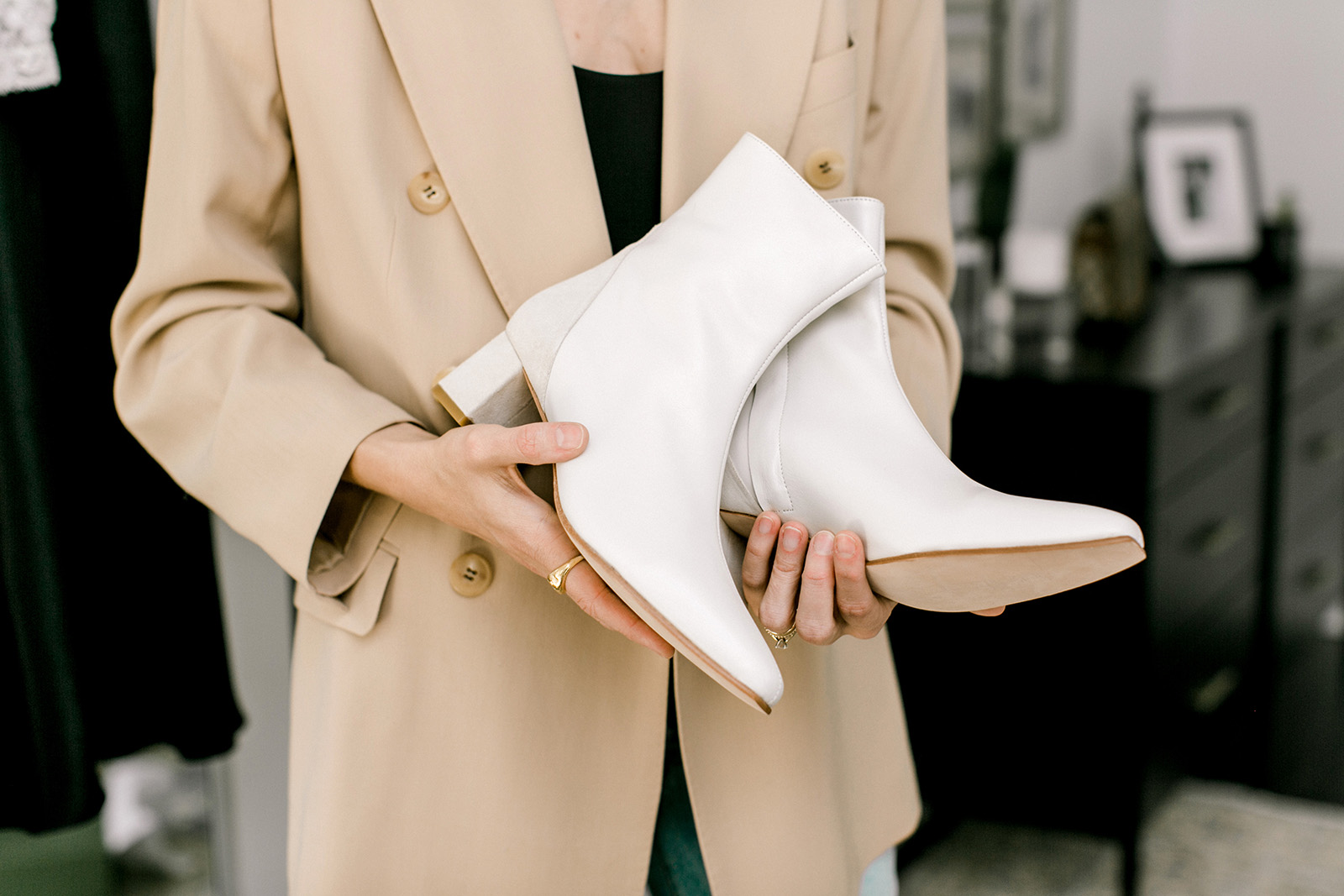
In developing collection 01, my aim was to create chic, confident footwear that doesn’t compromise on quality or comfort. I envisioned a brand that balances femininity and masculinity, opting for minimal embellishments that highlight rich textures, with timeless designs reimagined through fit and luxurious materials. Lou shoes are crafted to be treasured, the kind you reach for repeatedly.
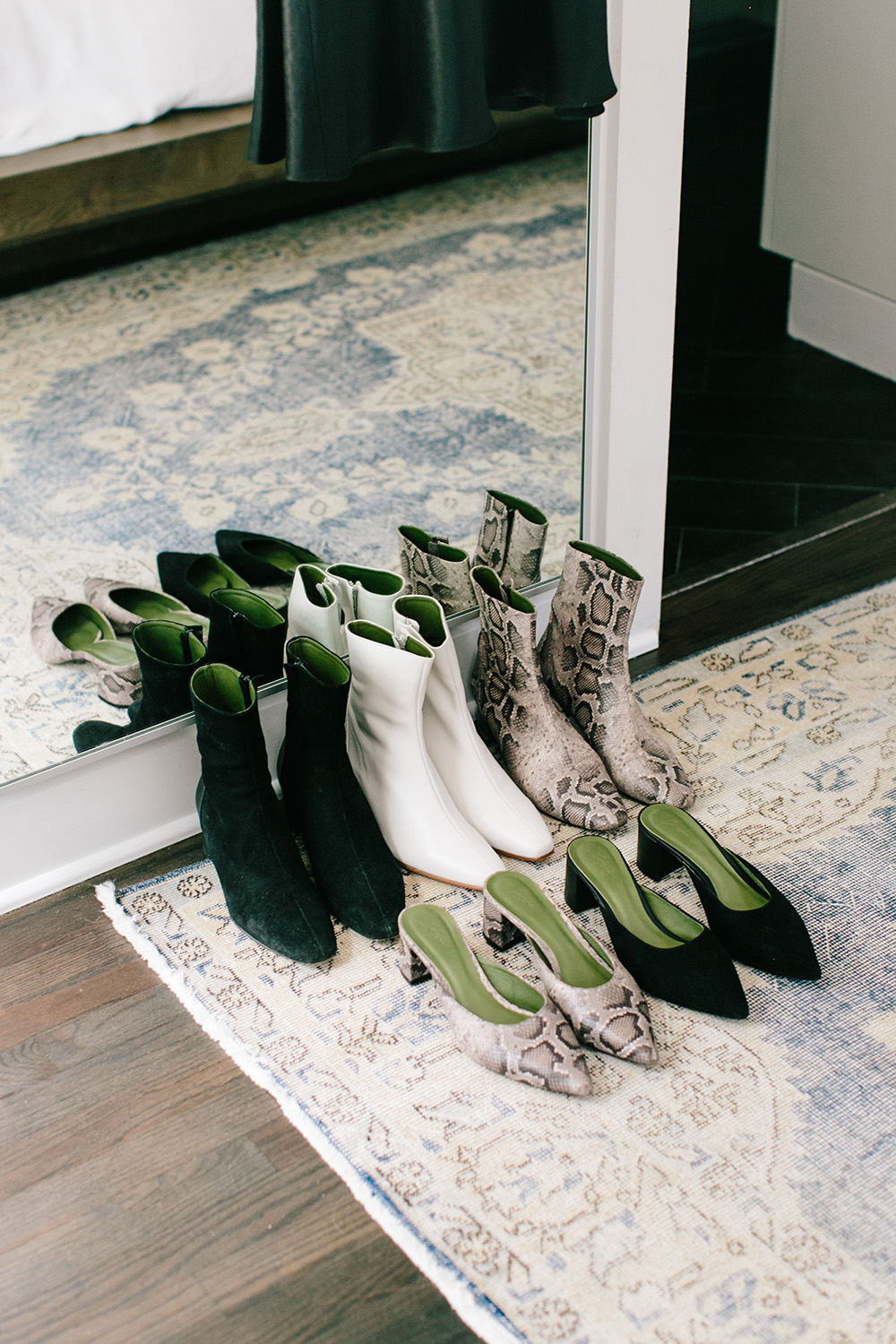
Your designs blend aspirational aesthetics with practical functionality. Did you see a gap in the footwear market that needed addressing?
Thank you! I’ve always had a clear vision for footwear.
During my pregnancy, I searched high and low for a specific boot style but came up empty. My dissatisfaction with the market fueled my creativity, but it wasn’t until after my daughter’s birth that I felt empowered to launch my own brand.
As a new mom, I wanted to maintain a chic, polished look while adapting to my changing lifestyle. In a laid-back city like Austin, it’s tempting to default to sneakers and Birkenstocks, but I wanted to elevate my style. I began with two staple designs — the ankle boot and the mule. In a single day, I sketched the Simone boot and Bardot mule, both of which have become wardrobe essentials.
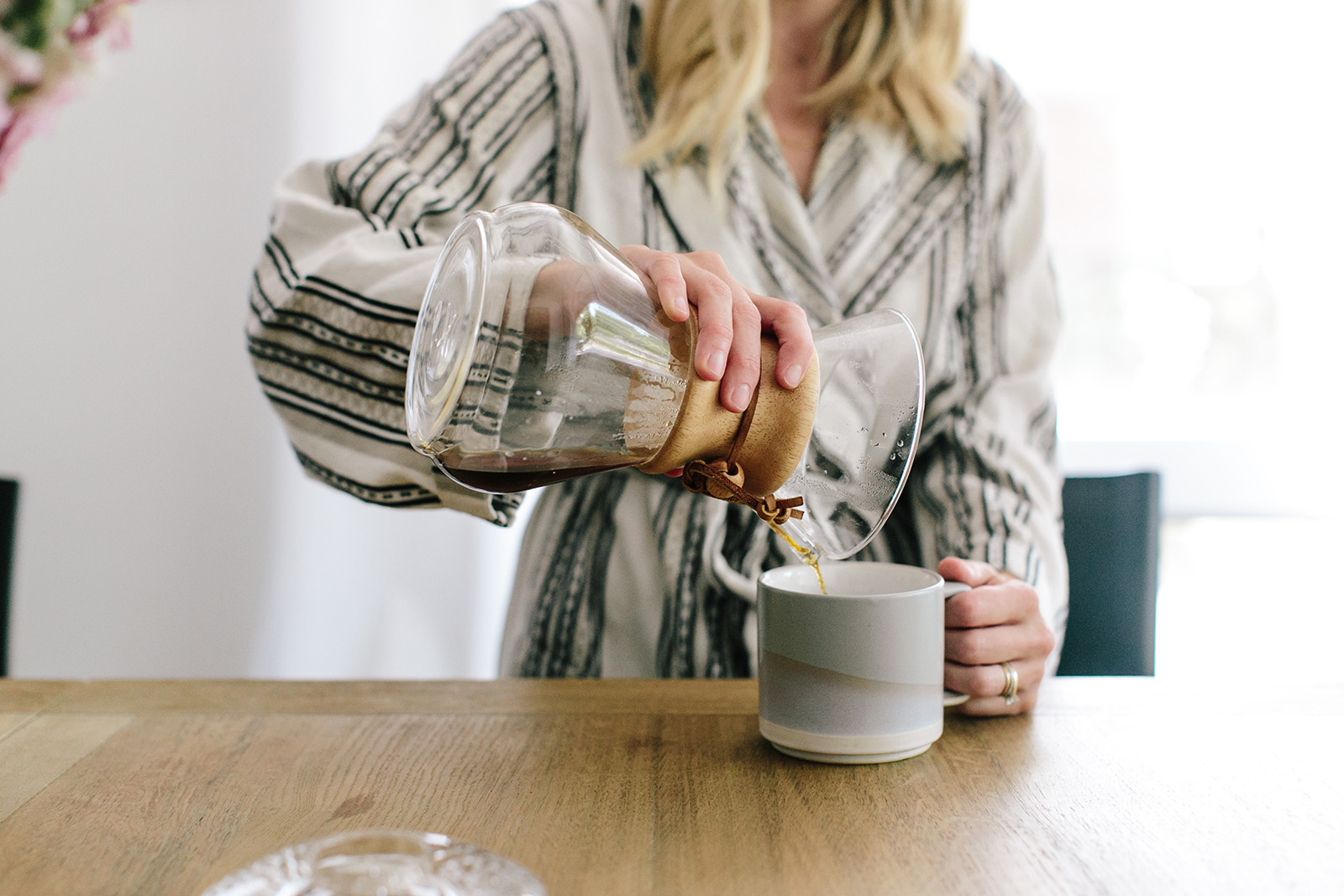
Can you share your career journey? You spent years in New York’s fashion scene with brands like Marc Jacobs. How did these experiences shape you?
At 23, I moved to NYC with no job or connections, relying on a year’s savings from Chicago. I applied for every assistant role available until I serendipitously met a friend’s cousin at Marc Jacobs. She took my resume directly to HR, and I landed a production assistant position for Marc by Marc Jacobs, despite knowing little about production. I embraced the opportunity and stayed for over four years, leaving with a strong foundation. My time there taught me the inner workings of a fashion company and instilled a deep appreciation for the artistry behind such a renowned brand.
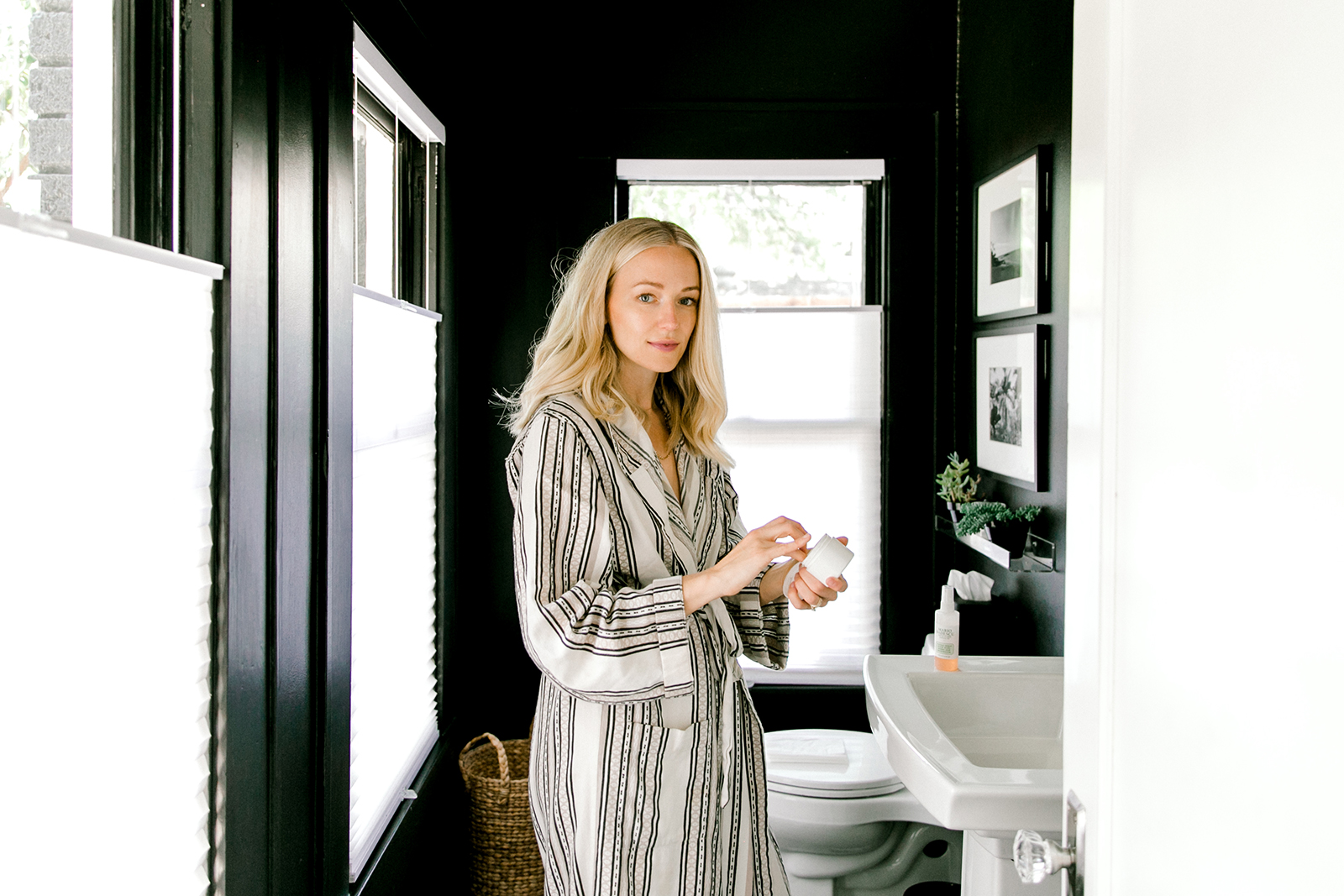
Eventually, I sought a more hands-on role and joined Cushnie et Ochs, a burgeoning company with a small team. That experience was invaluable. I collaborated closely with the founders throughout the product lifecycle, ensuring that each collection was made in New York, which exposed me to top-tier factories and textile mills.
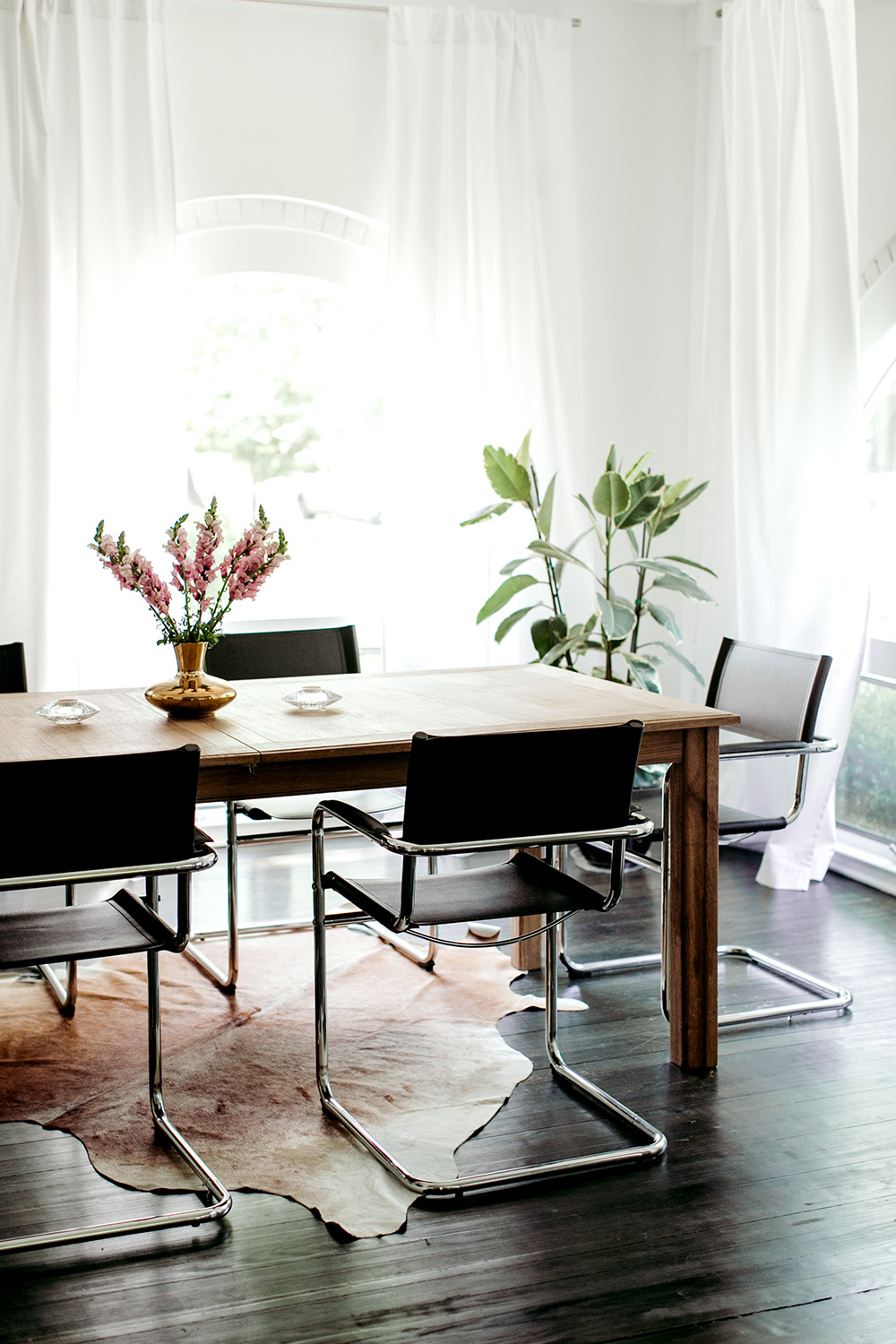
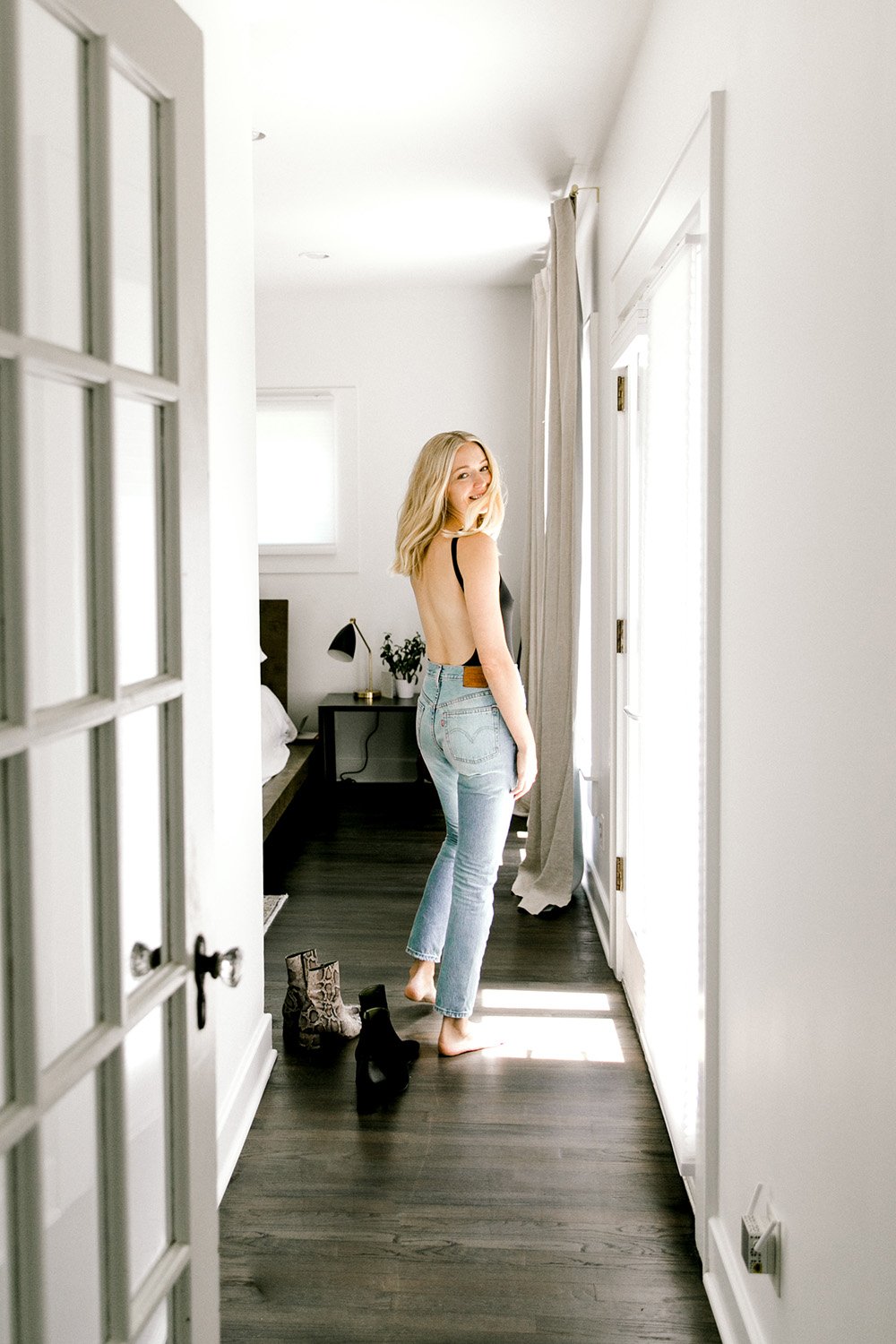
Is designing in fashion different when you’re outside of New York?
Working in fashion from outside New York changes everything. Resources are limited, and fewer companies exist to collaborate with. Building a brand in a smaller city can make finding talent more challenging. Fortunately, the internet has opened up many possibilities, but there are still significant hurdles to overcome. That said, I’ve also experienced a liberating aspect to it.
While the fashion world is ever-changing, the NYC scene often adheres to traditional paths. Moving to Austin made me realize I could work in the industry on my own terms.
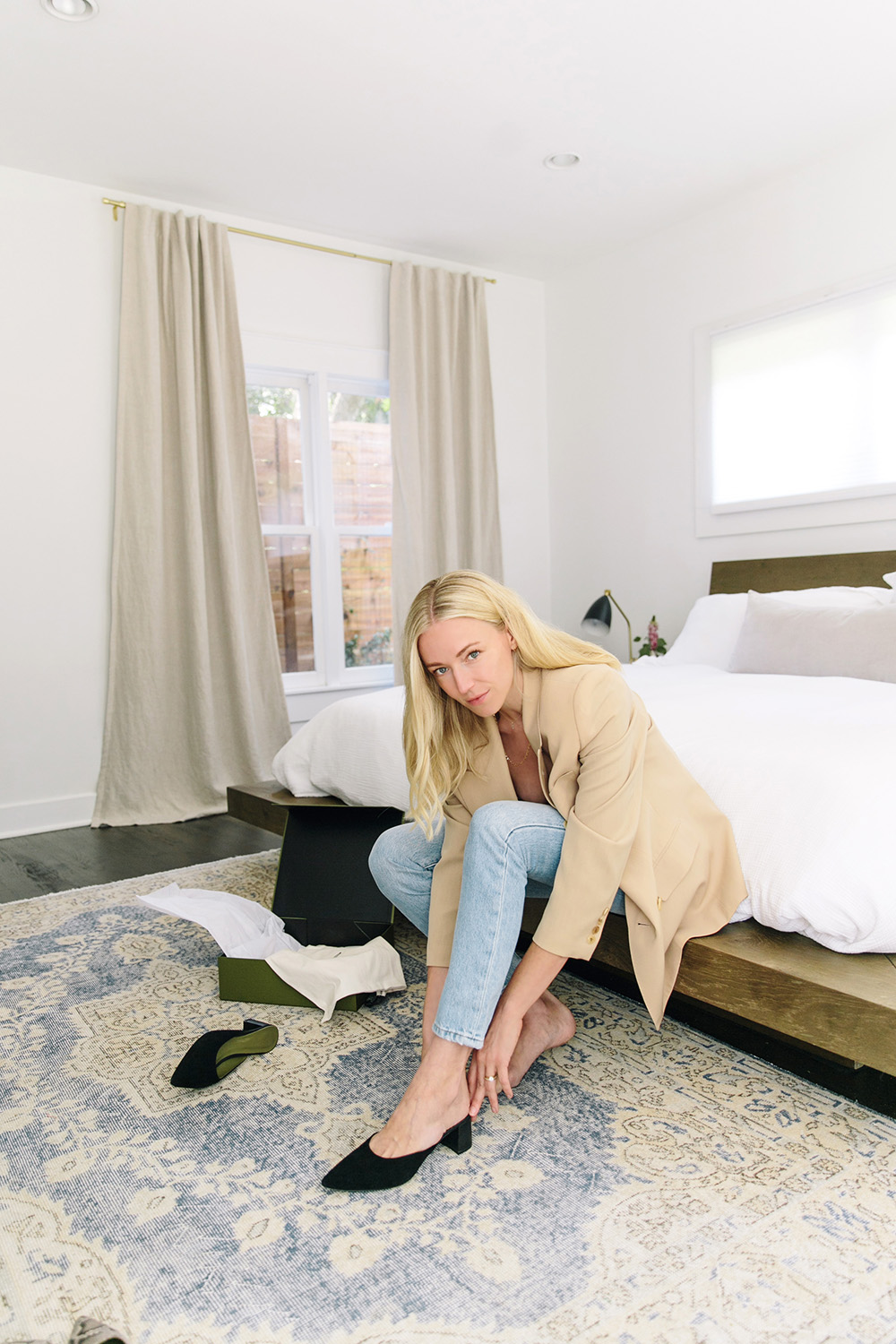
What does your daily outfit look like?
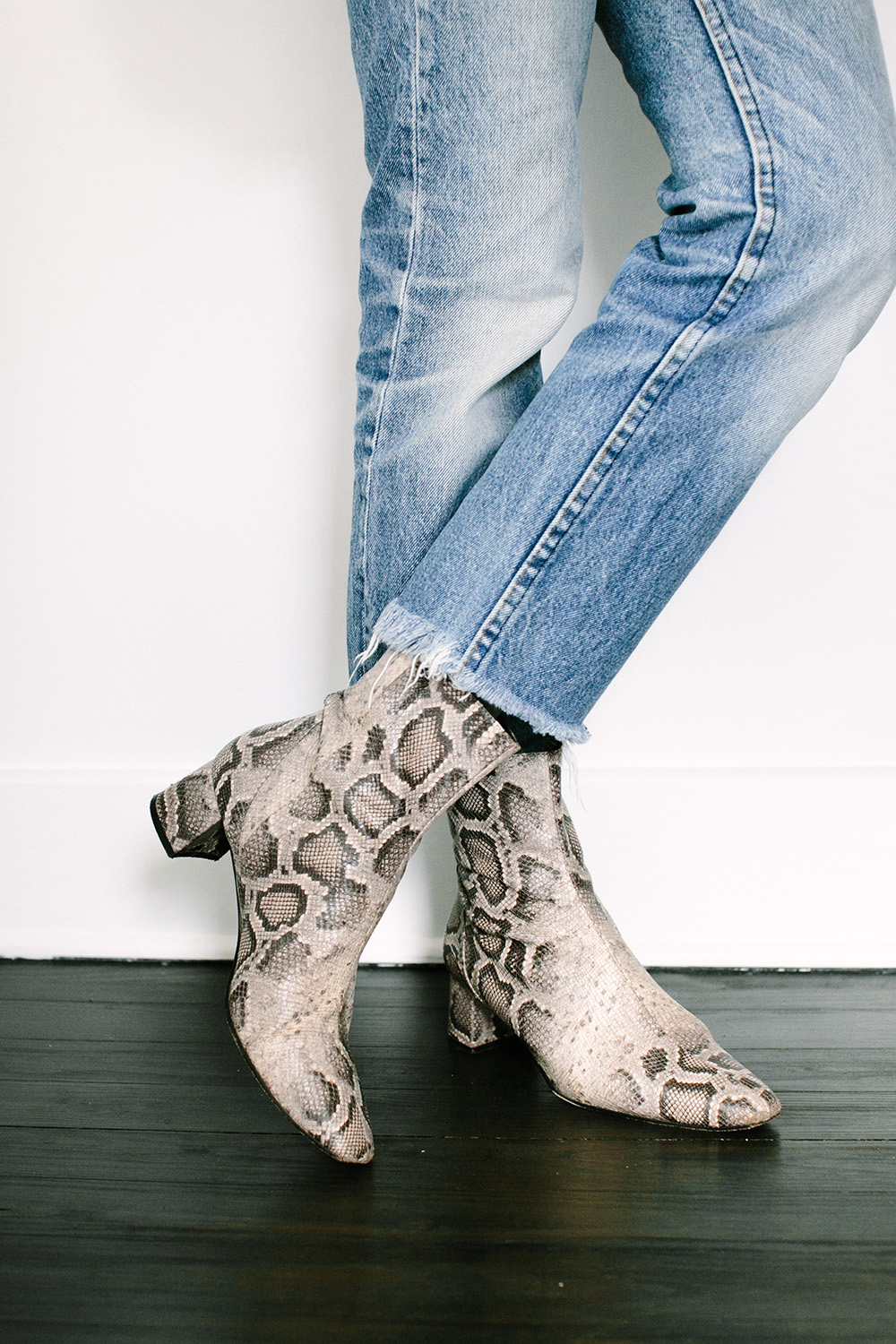
Since becoming a mother, I’ve simplified my daily outfit — vintage jeans paired with either a tee or a white linen top, and depending on the weather, my Simone boots or flat sandals.
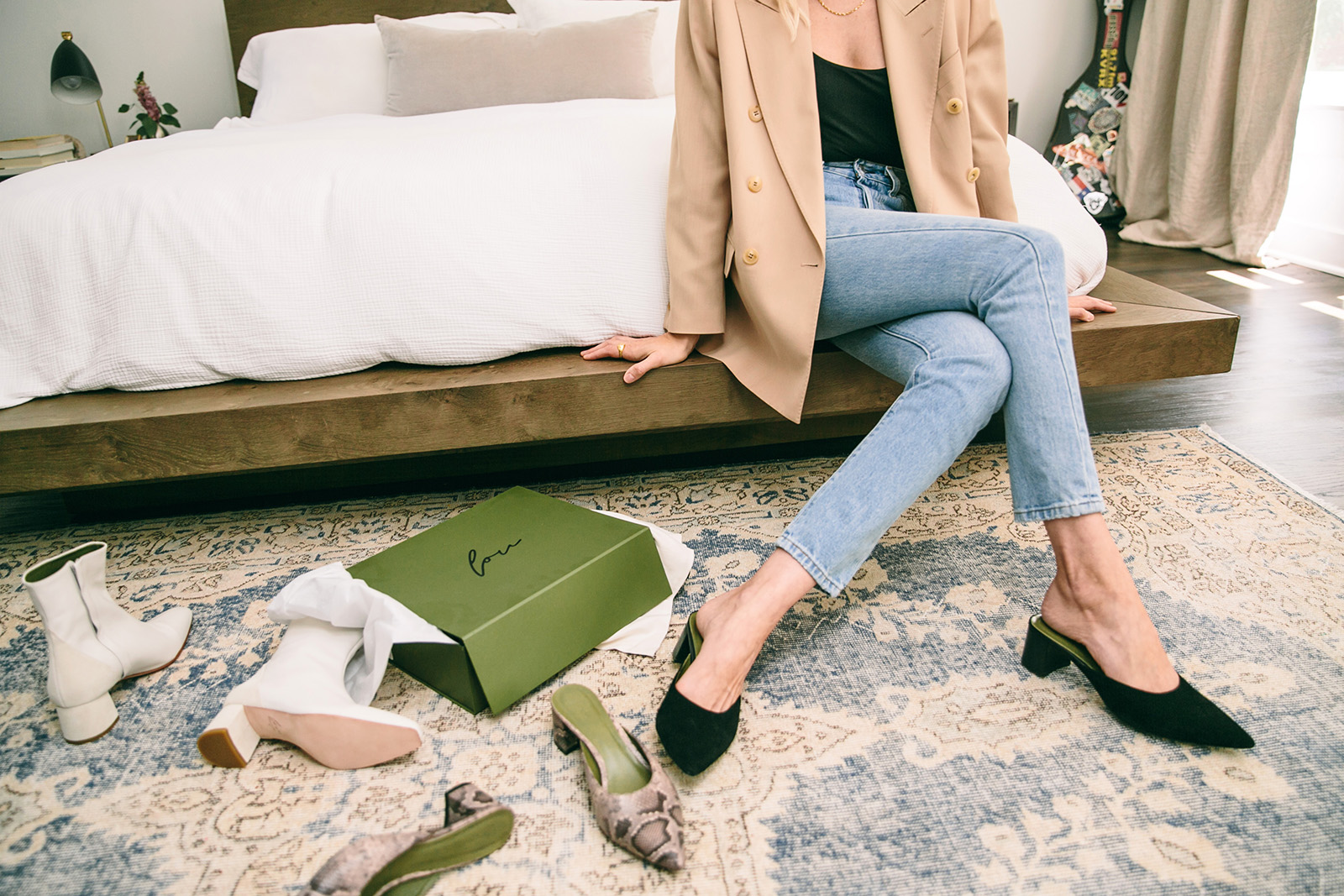
What defines a great outfit?
A great outfit reflects the wearer’s personality. You could be decked out in high-end designer pieces, but if the clothing doesn’t embody your essence, the look will always fall flat.
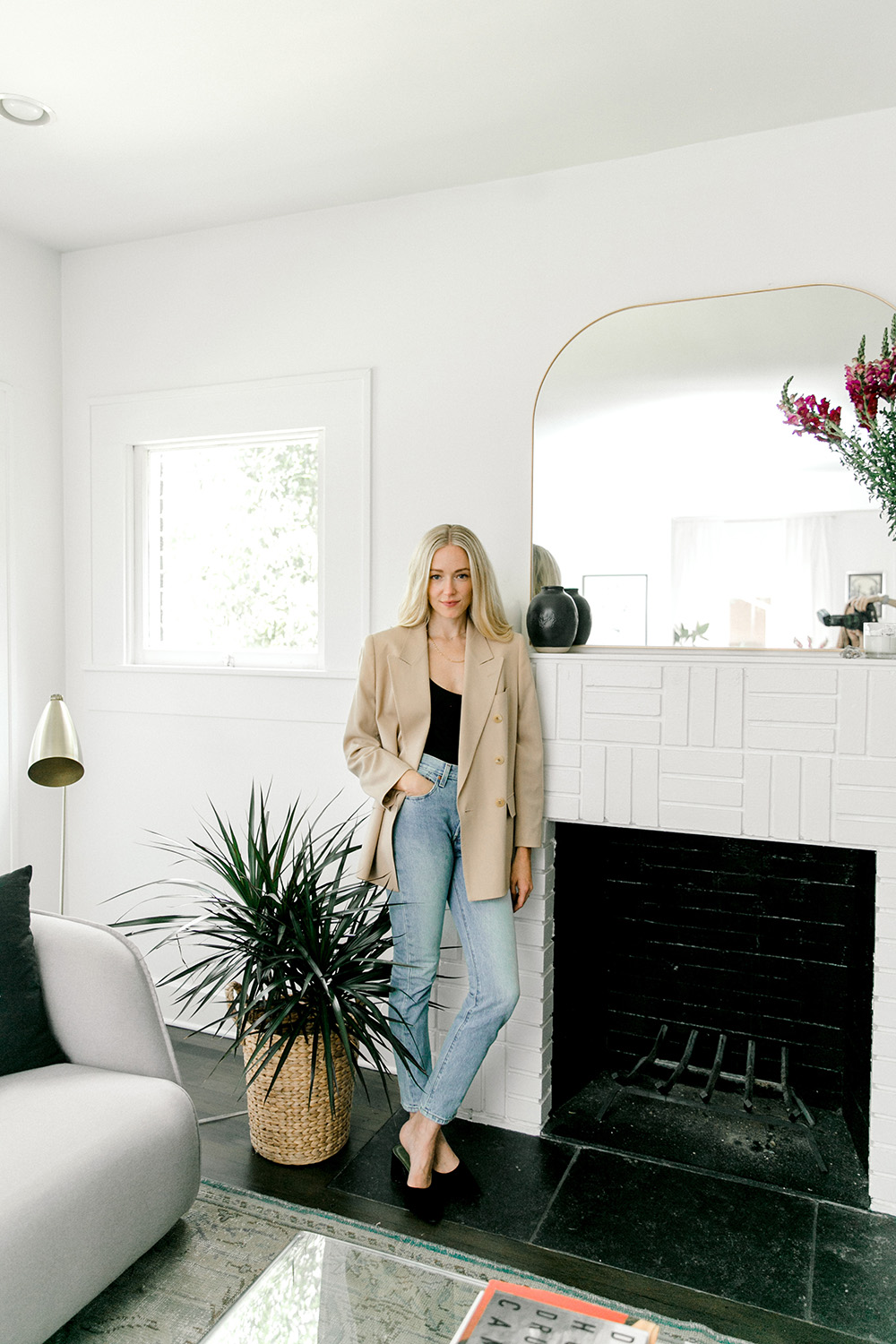
Describe your style in five words or fewer.
Minimalist, timeless, and focused.
Who inspires your style?
Women who radiate confidence and have a personal style that resonates beyond fleeting trends inspire me. My style icons include Lauren Hutton, Diane Keaton, and Tilda Swinton.
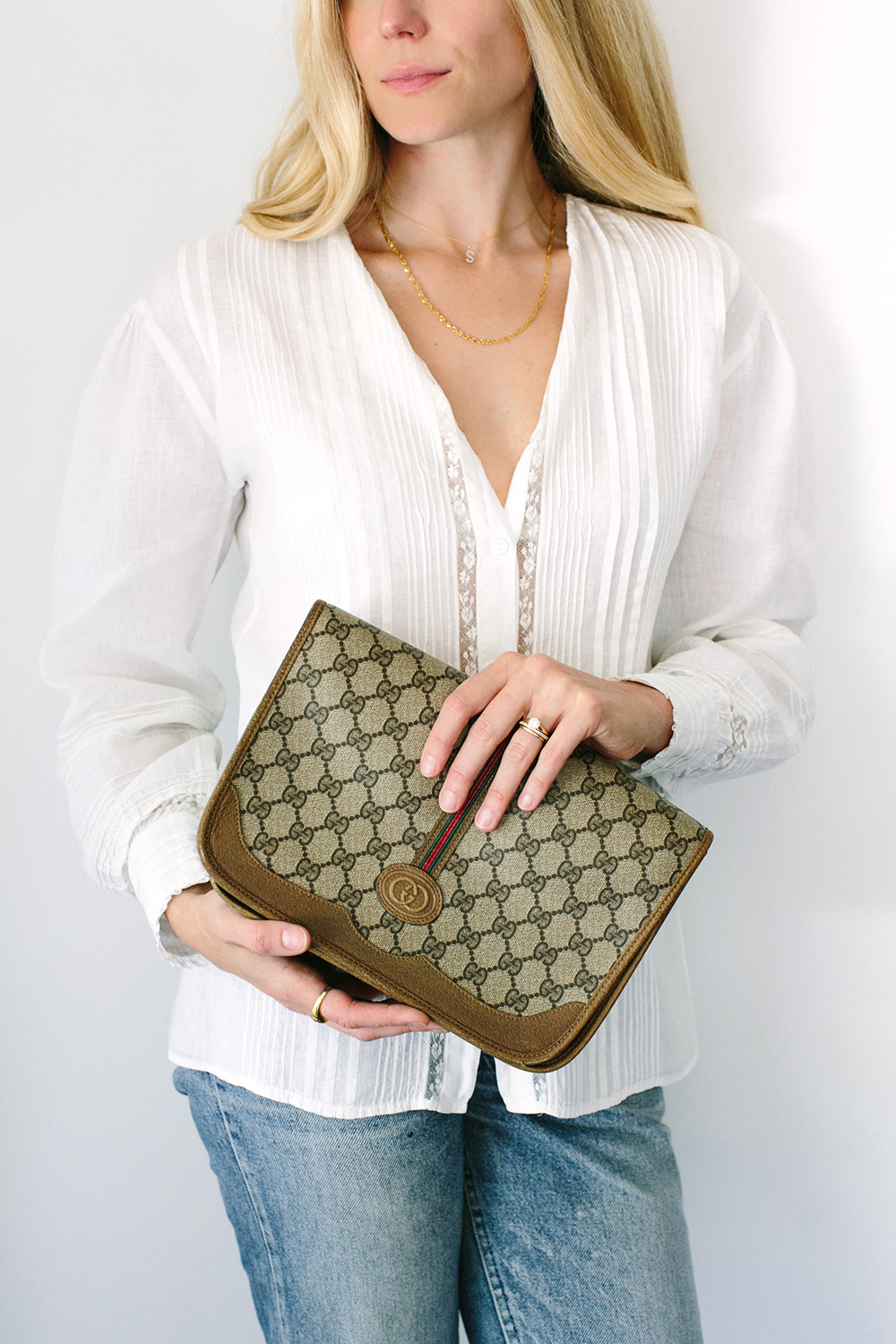
What’s your favorite accessory right now?
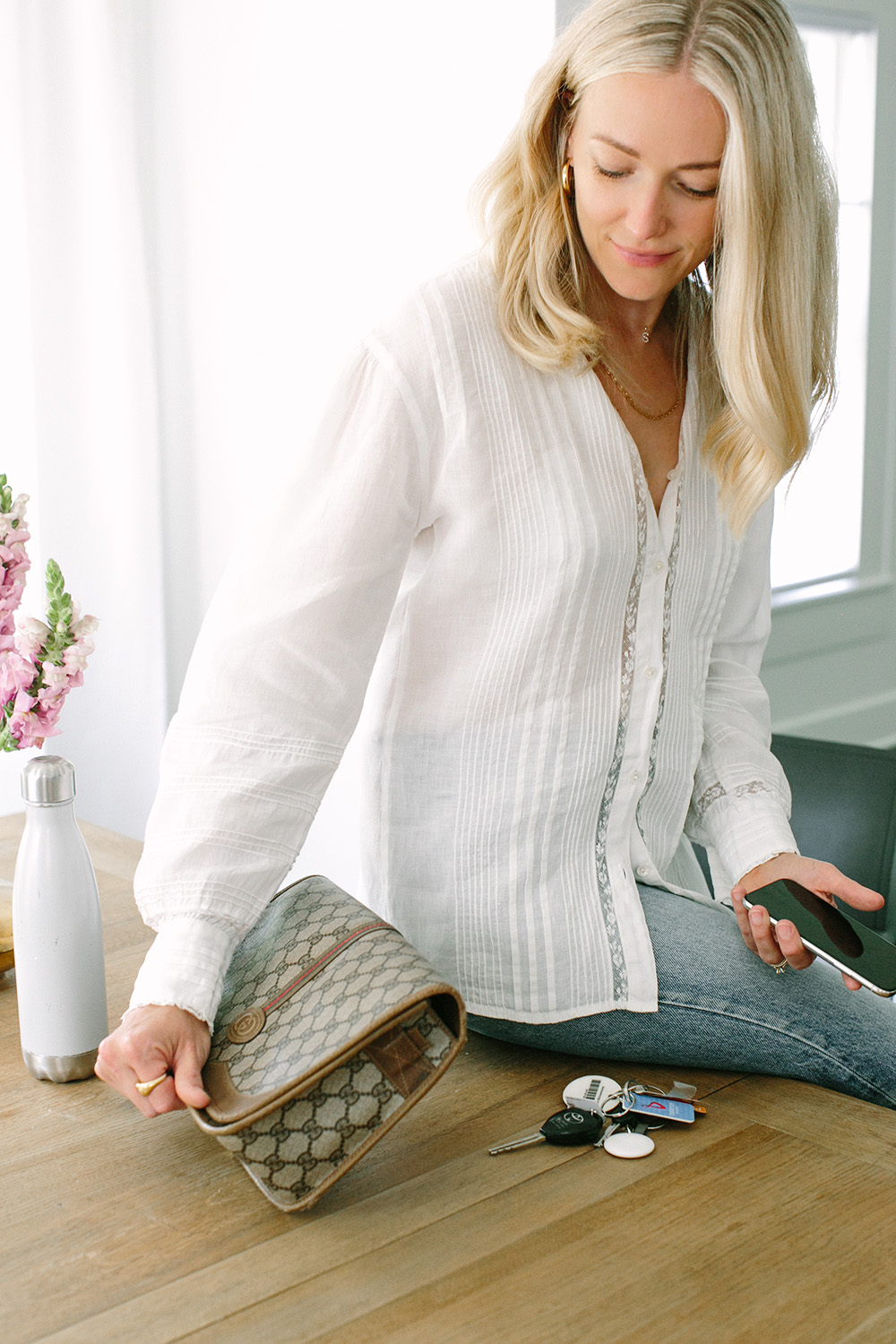
Sentimental accessories hold the most value for me. I cherish a vintage Gucci bag that once belonged to my grandmother, which I transformed into a clutch after the strap wore out. I also wear a delicate gold choker with a tiny diamond “S” gifted to me shortly after my daughter, Simone, was born.
Which fashion lines are you currently loving?
I’m really into Khaite, Partow, and Bottega Veneta. For affordable options, I love Frankie Shop.
What’s been your biggest fashion blunder?
That’s a tough one! I’d say getting dark lowlights a week before my passport photo at 20 or opting for low-rise jeans — the early 2000s were not my friend!
What’s your favorite fashion decade and why?
I’m a 90s kid, and that era will always be iconic for me. From minimalism to grunge, it was a decade full of attitude.
Complete this sentence: I never leave the house without ___________.
My phone and a bottle of water — simple but true!
What advice would you offer aspiring designers?
I hesitate to call myself a designer since I lack formal training. However, if you aim to enter this field, I suggest pursuing design school if possible, or taking local classes. Internships provide excellent hands-on experience.