
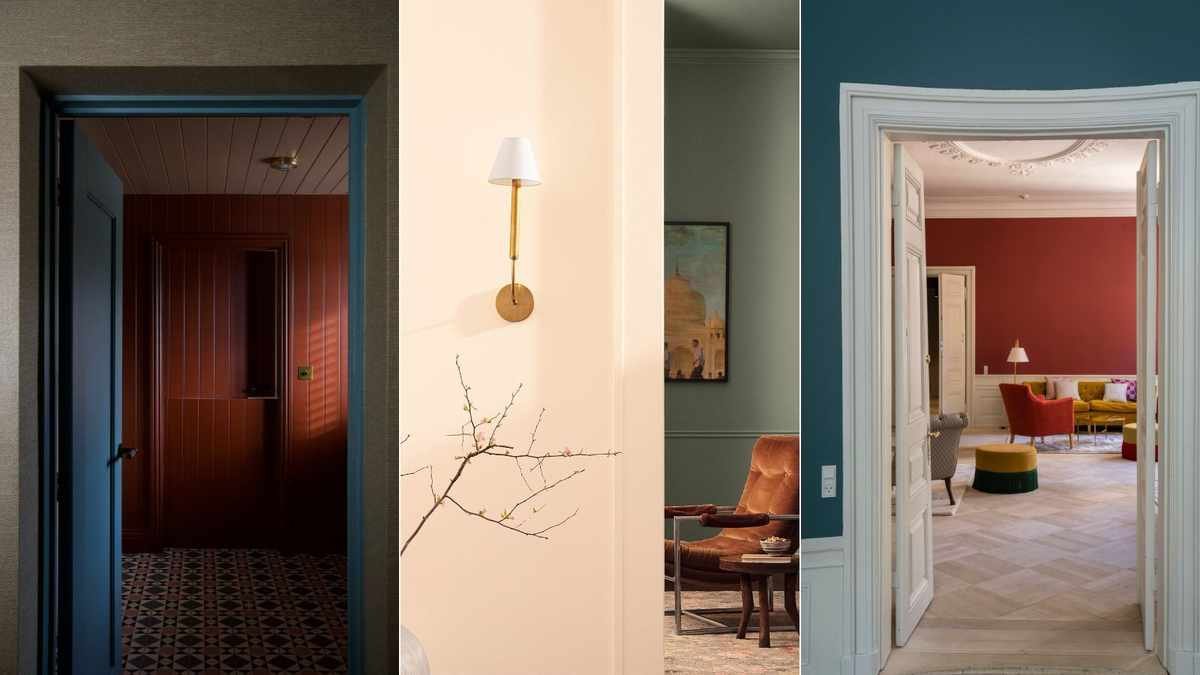
Color significantly influences our homes. A well-chosen palette not only boosts aesthetic appeal but also uplifts your mood.
While there's plenty of guidance on picking colors room by room, it's essential to consider your entire home as a unified space.
Developing a harmonious color palette is a vital skill for any interior designer. Whether you're seasoned or just starting, crafting a cohesive color scheme demands thoughtful planning.
We've gathered insights from color experts and interior designers to help you create a flowing color scheme throughout your home. Let's explore.
Creating a Cohesive Color Scheme
Why should you focus on a whole-home palette instead of addressing each room separately? A unified scheme fosters continuity and influences how colors affect our emotions.
Picture transitioning from calming neutrals to a vibrant, brightly colored room; the contrast can feel disorienting.
To maintain harmony and avoid discomfort, we consulted design experts for their top tips on selecting a color palette.
Ultimately, color selection is personal. It's your home, and there's no definitive right or wrong. Reflect on your preferences—whether you lean towards neutral tones, bold patterns, or colorful brights—your color choices should mirror your individuality.
1. Assess Your Surroundings
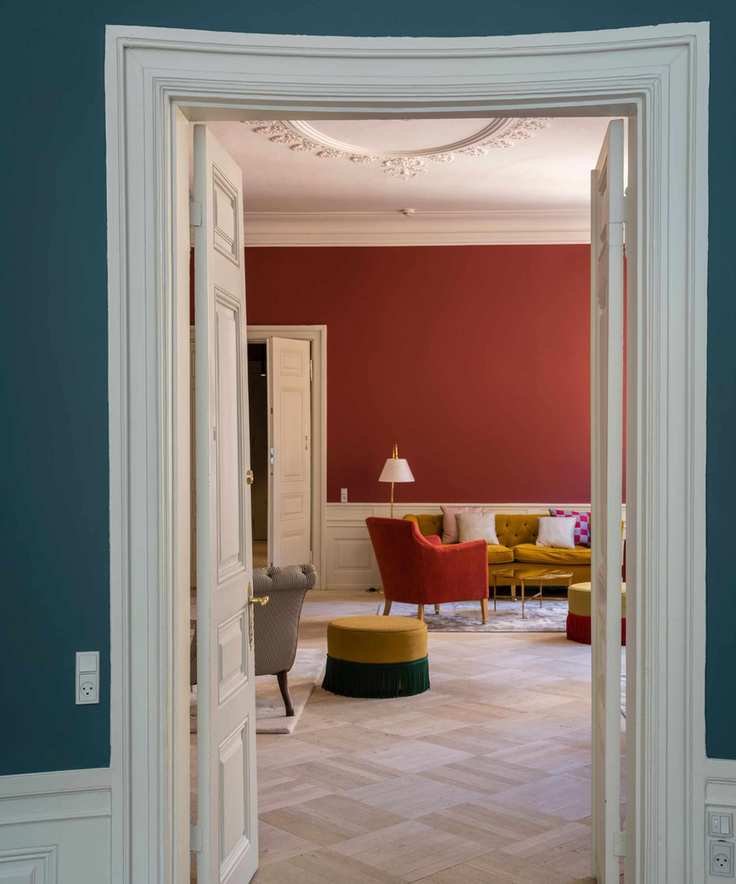
Start by evaluating what will remain—existing wall colors, wallpaper, furnishings, and architectural features like fireplaces and trims.
Patrick O'Donnell, a color consultant, advises, 'Consider all elements in your chosen room—fabrics, furniture, flooring, and wall colors. Gather samples and create a mood board—physically or digitally—to visualize cohesion.'
Erika Woelfel, VP of color at a major paint brand, echoes this sentiment: 'Identify existing furnishings and surfaces in the space. Will flooring or window treatments remain? This influences your wall color choices.'
From there, you can conceptualize the foundation of your color scheme as a whole.

Patrick O'Donnell is a color consultant and brand ambassador, collaborating with designers in the UK and North America.
2. Understand Your Lighting
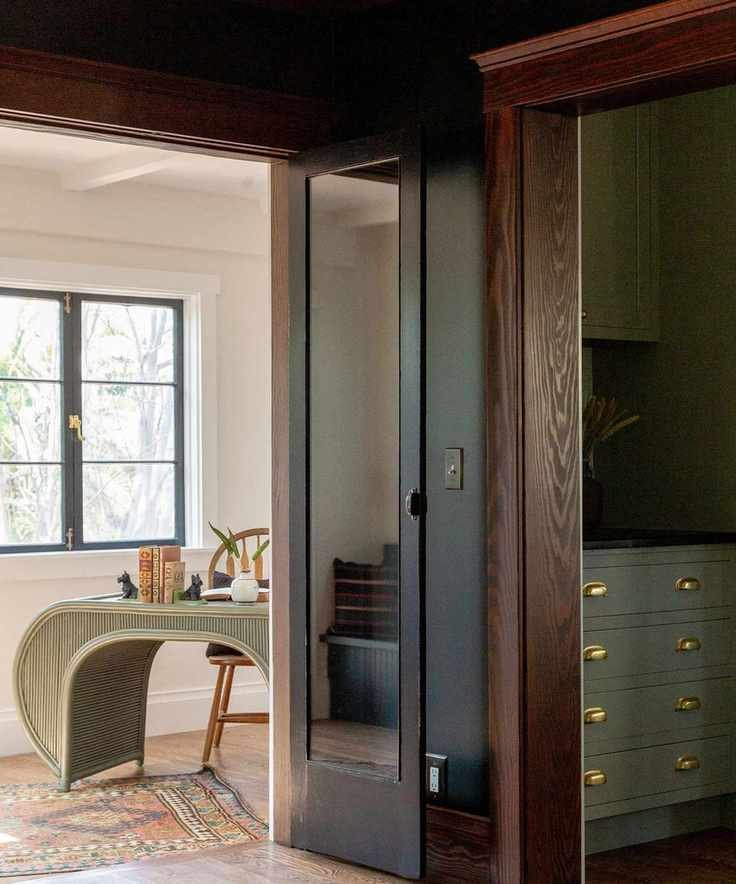
Before selecting colors, familiarize yourself with the lighting in each room and its daily variations.
'Lighting is crucial. Paint colors can shift with natural light. For example, a warm white like Swiss Coffee appears differently in bright versus dim conditions,' notes Erika Woelfel.
Dominic Myland, CEO of a paint brand, emphasizes considering lighting, especially with whites. 'South-facing rooms suit cooler whites, while north-facing ones benefit from warmer tones. Always test paint in situ.'
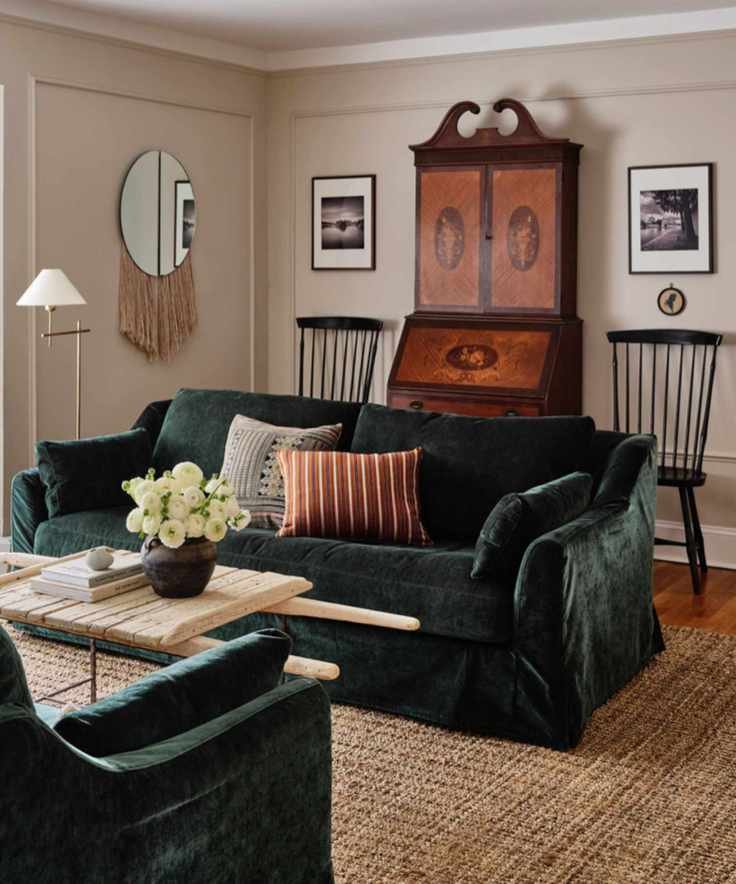
Sarah Lloyd, a senior brand manager, agrees that lighting affects color perception. 'Natural light fluctuates throughout the day, making it essential to swatch on every wall and observe changes.'
3. Discover Your Style
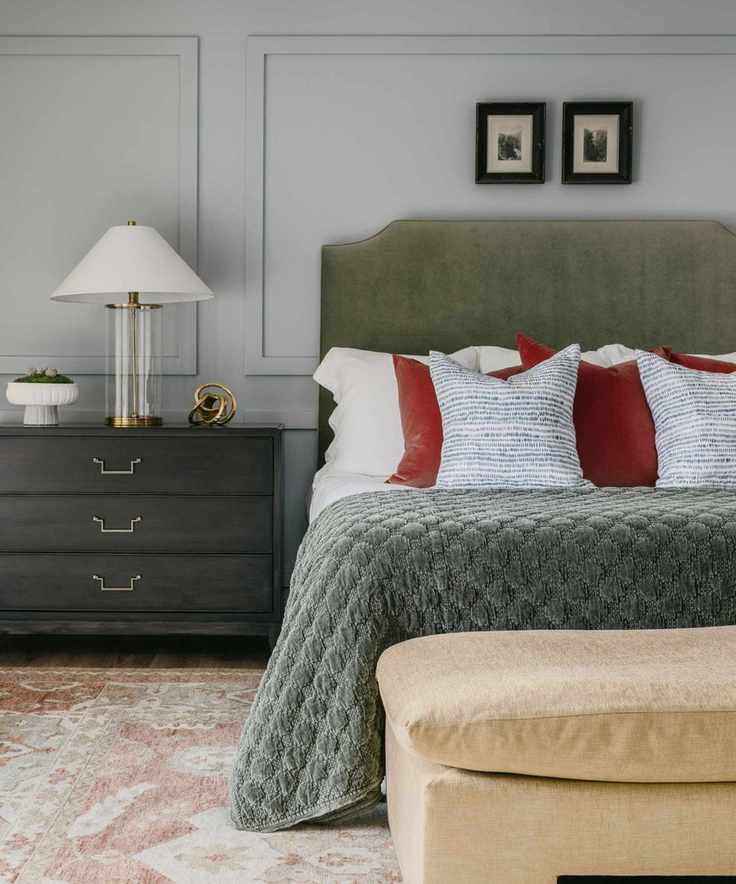
Finding inspiration should be a priority. It can be overwhelming to browse through ideas for multiple rooms, but now's the time to identify your favorite colors.
Ruth Mottershead, a creative director, recommends exploring magazines and online platforms for schemes you admire. 'If you enjoy hands-on decorating, mood boards are invaluable. Decide on the style or atmosphere you want to create,' she advises.
Interior designer Tama Bell emphasizes the importance of setting the tone for your color palette. 'Begin by determining the aesthetic you wish to achieve. This narrows down your paint choices,' she says.
4. Choose Your Base Colors
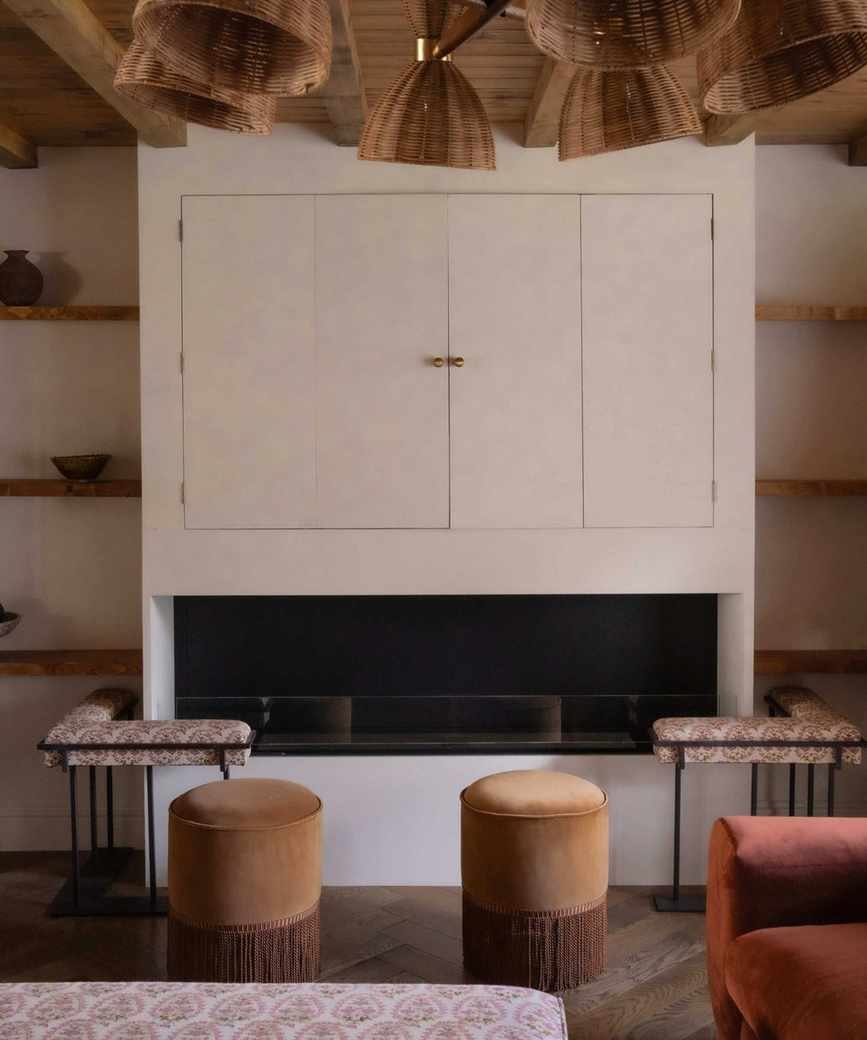
Establishing a few key colors as your foundation can help create harmony throughout your home.
'Once you select two or three primary colors, you can confidently explore adjacent spaces, perhaps continuing one color in the woodwork for consistency,' suggests designer Alice Gaskell.
Be flexible with your palette, considering each room's purpose and natural light. 'While uniform colors provide a solid base, some spaces may need warmth or dimension due to lighting conditions,' she adds.
5. Utilize the Color Wheel
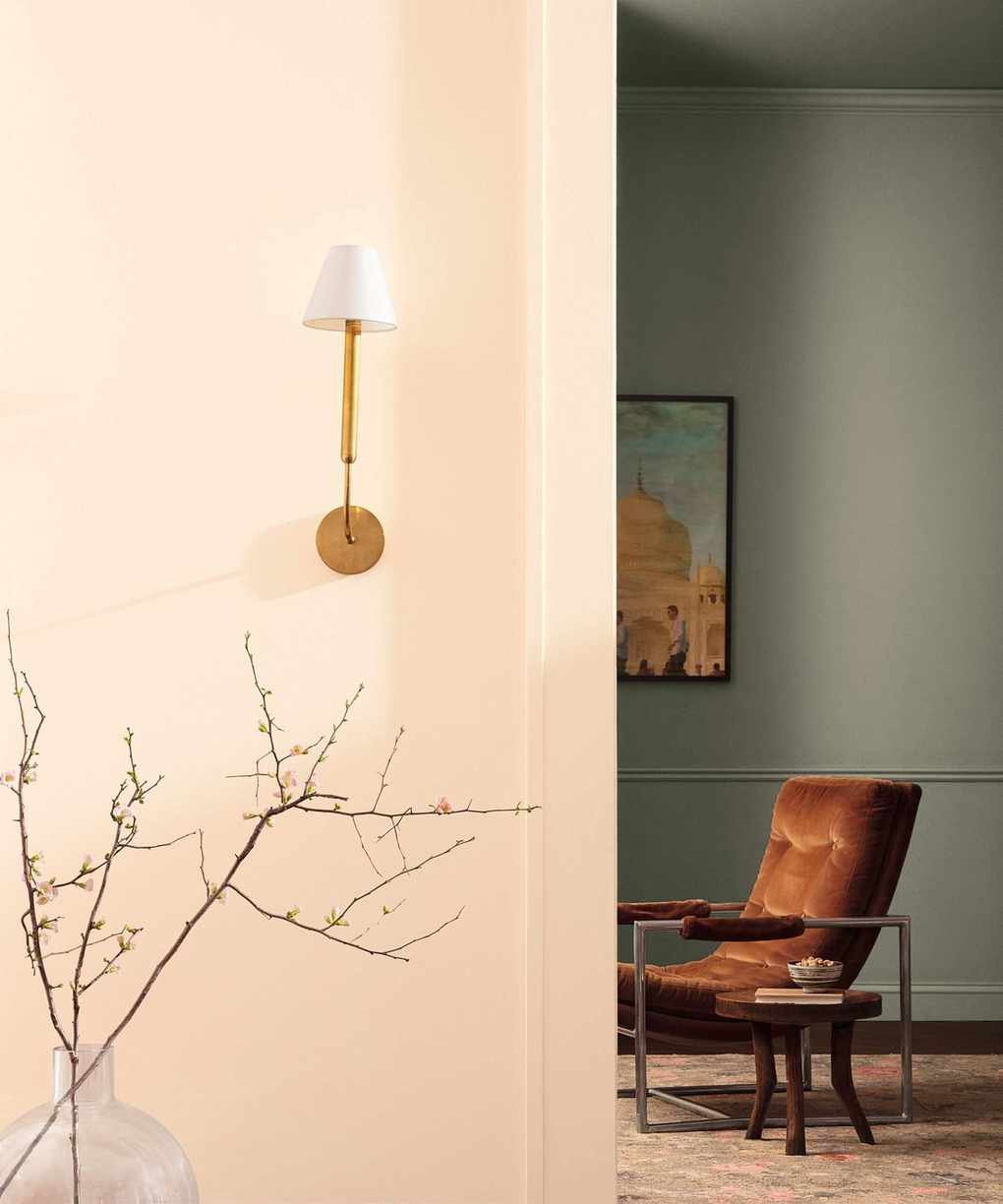
To achieve a cohesive look, consult the color wheel and ensure your choices are within the same family.
Helen Shaw, a marketing director, explains, 'Using varying saturation levels of one color can create a striking effect. Alternatively, analogous colors work well together for a harmonious scheme.'
Complementary schemes, using opposite colors, can add vibrancy without overwhelm. Consider lighter shades paired with darker counterparts to energize your space.
6. Create a Consistent Thread

As you develop your color palette, think about how to connect colors throughout your home. This can be achieved with accessories, furnishings, or consistent trim colors.
'To ensure flow, incorporate touches of the same color in each room, such as identical trim colors or base shades in connecting spaces,' advises Erika Woelfel.
Your mood board will help maintain this thread as you decorate. 'Consider the mood you want to set and establish a signature style throughout your home,' adds Helen Shaw.
Testing colors on walls is essential. 'Apply generously and observe how different lighting influences the hue throughout the day. This approach helps gauge color flow from room to room.'
Creating a cohesive color scheme for your home is a journey. By understanding your style, harnessing natural light, harmonizing with existing features, and establishing a flow, you can design a space that showcases your personality and feels unified.
Remember, the best color palette reflects your tastes and enhances your well-being. Always verify your color choices in the intended space, as lighting and undertones can dramatically alter appearances.

