As you prepare to fill your garden with new plants this spring, it's crucial to start by breaking up compacted soil. Ignoring this can lead to poor drainage and nutrient deficiencies, ultimately hindering your plants' growth.
Spring is an ideal time to evaluate soil quality in your garden. The winter's wet conditions and freeze-thaw cycles can compact soil, making it less suitable for healthy plant growth. Fortunately, with the right techniques, you can easily loosen compacted soil while preserving its structure—consider starting with an aerating tool from Amazon.
Here's why loosening compacted soil is essential, along with methods and tools to simplify the task.
Importance of Loosening Compacted Soil
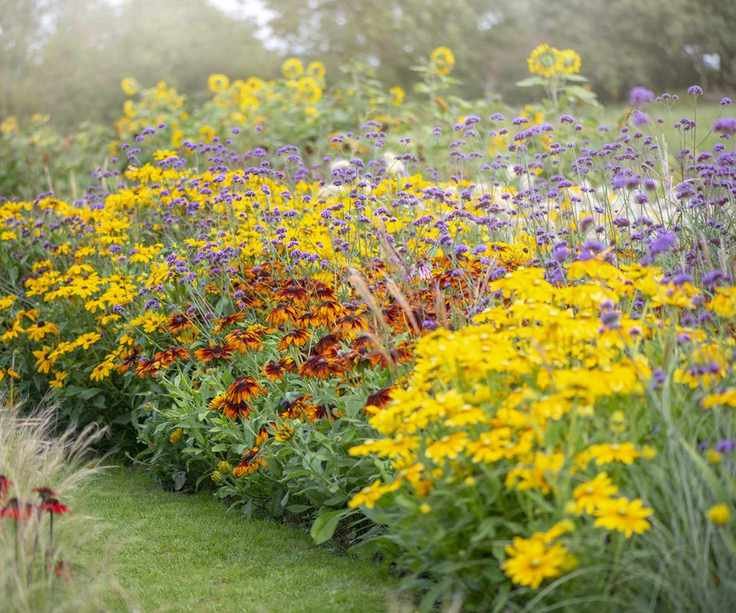
Compacted soil can gradually harm your plants.
Regardless of your soil type, keeping soil structure intact with good drainage and nutrients is vital for plant health. To check your garden's soil conditions, consider using this Amazon soil test kit.
Even potting and raised bed soils must retain a loose structure for optimal growth.
Compacted soil limits air and water movement, leading to problems like surface runoff and poor drainage. Gardening expert Lauren Click explains that loosening soil enhances its structure and boosts drainage, fostering biological activity.
Addressing soil compaction promptly in spring ensures roots receive the oxygen they need as they start to grow.
With rising temperatures, microbial activity increases, which is essential for nutrient cycling—transforming organic matter into nutrients for plants. Correcting compaction before the growing season helps prevent root expansion issues.
Neglecting compacted soil can lead to shallow roots that struggle to access moisture, making plants more vulnerable to drought.
You might also face erosion, runoff, and loss of topsoil if compaction persists.
Moreover, oxygen depletion in the root zone can create anaerobic conditions, stressing roots and impairing nutrient absorption.
Additionally, beneficial organisms like earthworms and microbes may dwindle in compacted soil.
According to Lauren, "Earthworms and aerobic microbes thrive in oxygen-rich soil."

Lauren founded Let's Go Compost, a 501(c)(3) nonprofit dedicated to making composting accessible across the U.S. She actively engages with schools and community gardens while collaborating with larger organizations to promote composting accessibility and affordability.
Methods to Loosen Compacted Soil
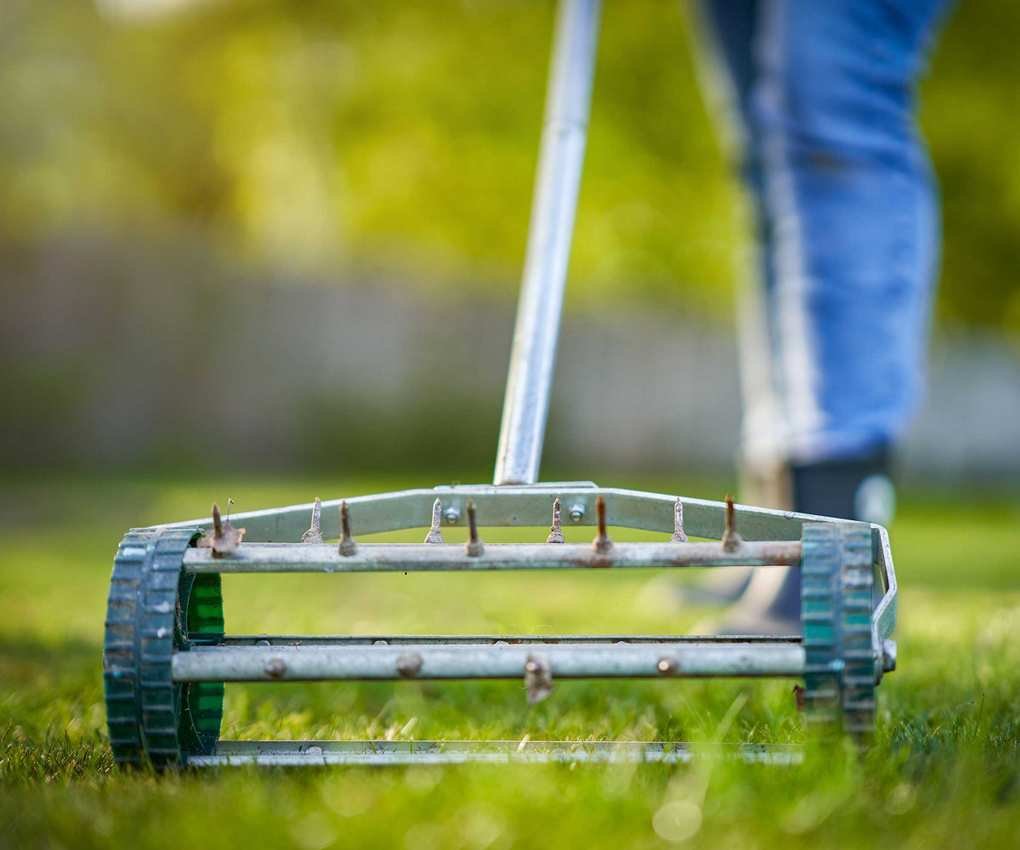
It's beneficial to aerate your lawn before overseeding.
Here are a few effective methods to break up compacted soil, including no-dig techniques recommended by Lauren:
Manual Soil Loosening
The quickest method involves using essential gardening tools.
Many options are available for this task. For larger areas, consider a tiller from Lowe's. For smaller areas, use a hand fork from Burpee.
Alternatively, a lawn aerator tool or a hollow tine aerator can be effective for dense, waterlogged soil.
These tools create holes and passages, allowing air in and giving roots space to breathe.
When loosening soil around existing plants, be cautious to avoid harming shallow roots.
Lauren cautions against excessive tilling, as it can destroy soil aggregates and microbial networks, leading to further compaction. Disrupt only where necessary.
Aerator Shoes
Wear these aerators on your shoes to loosen the soil as you walk.
Lawn Aerator Tool
This tool is perfect for manual aeration. Simply insert it into the soil to relieve compaction and enhance soil structure.
Hand Tiller
Use this hand tiller for more precise aeration, ideal for smaller areas like flower beds.
Add Organic Matter
If you produce your own compost, it's a fantastic way to improve compacted soil.
"Incorporate 1-3 inches of quality compost into the top 6-8 inches of soil," advises Lauren.
Organic matter enhances soil aggregation, increases water retention, and promotes microbial activity, which helps restore soil structure over time.
This can be done in spring as well as during fall gardening activities to enrich your soil and boost plant nutrients.
Plant Deep-Rooted Cover Crops
"Consider planting deep-rooted cover crops such as daikon radish or clover. Their roots act as natural tillers, breaking through dense layers and leaving channels as they decompose," Lauren suggests.
This method enhances long-term soil porosity without disturbing the soil mechanically.
Additionally, it helps protect bare soil during winter.
FAQs
How Do You Aerate a Waterlogged Lawn?
To address a waterlogged lawn, aerate it using a hollow tine aerator that creates deep holes in the soil to improve drainage. Maintaining regular lawn care can help avoid future issues.
Once you've loosened the compacted soil in your garden, tackle other tasks on your spring to-do list, including overseeding your lawn this spring.
Shop Gardening Tools
Bypass Pruning Shears
These shears are perfect for essential pruning tasks, cutting branches up to 1" in diameter.
Canvas Garden Apron
This stylish canvas apron features multiple pockets for tools and has a comfortable neck and waist tie.
Floral Gardening Gloves
These long-sleeved gloves come in a beautiful floral design, protecting your hands and arms while gardening.
Soil Moisture Meter
This meter helps prevent overwatering by indicating soil moisture levels with a simple probe insertion.
Galvanized Steel Watering Can
This durable watering can is made from weather-resistant galvanized steel to ensure longevity.
Gardening Tool Set
This comprehensive 9-piece gardening set includes a floral caddy for easy transport and storage.