
Comfrey is a remarkable plant that can be transformed into a nutrient-dense fertilizer, helping you cultivate vibrant, healthy plants. With its broad leaves and clusters of bell-shaped flowers in white, blue, and pink hues blooming in late spring to early summer, it's visually appealing too.
This plant thrives in moist areas and is a staple in cottage and wildlife gardens due to its nectar-rich flowers that attract bees and butterflies. Additionally, comfrey benefits surrounding plants by providing high levels of key nutrients like nitrogen, phosphorus, and potassium, along with various trace minerals.
You can use comfrey as a fertilizer, for mulching, or to enhance your compost pile. It's particularly beneficial for feeding tomatoes and other nutrient-hungry crops in containers.
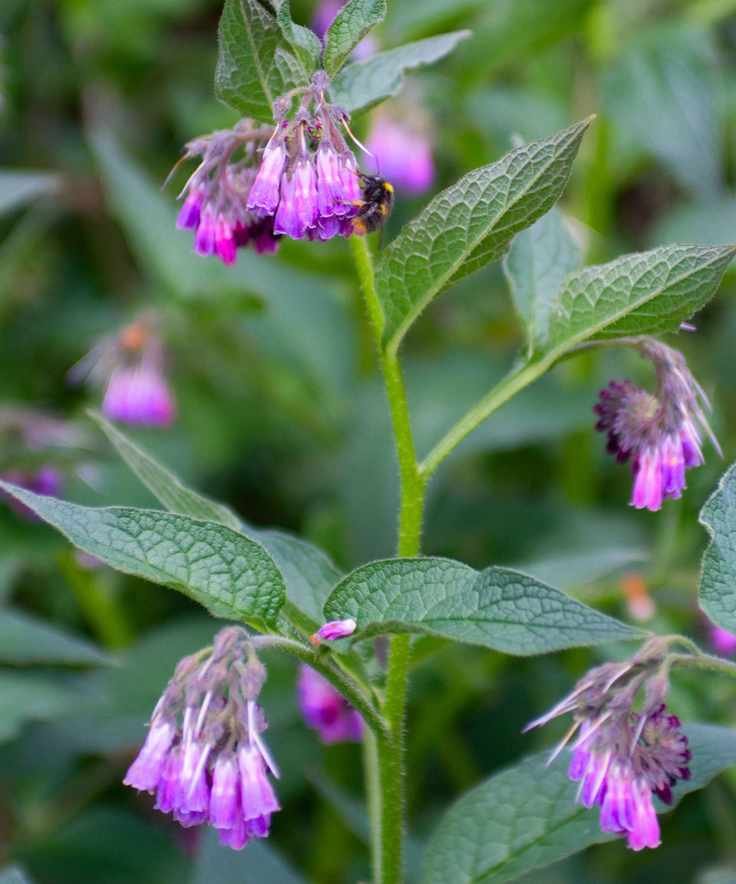
Comfrey enhances wildlife gardens beautifully.
Understanding Comfrey's Fertilizing Benefits
Comfrey, known scientifically as Symphytum, has been valued since ancient times. As a perennial, it sprouts leaves in spring and dies back in the fall.
Historically, healers used it for various ailments, earning it folk names like knitbone and bruisewort.
The plant's deep tap roots access minerals from deep within the soil, storing them in its leaves. When harvested and processed, these nutrients are released, making comfrey fertilizer, or 'tea', a crucial food source for organic gardeners aiming for a sustainable garden.
Although comfrey can be invasive, there's a sterile variety called Bocking 14 available online, which won't overtake your garden. It offers the same nutritional benefits as its counterparts.
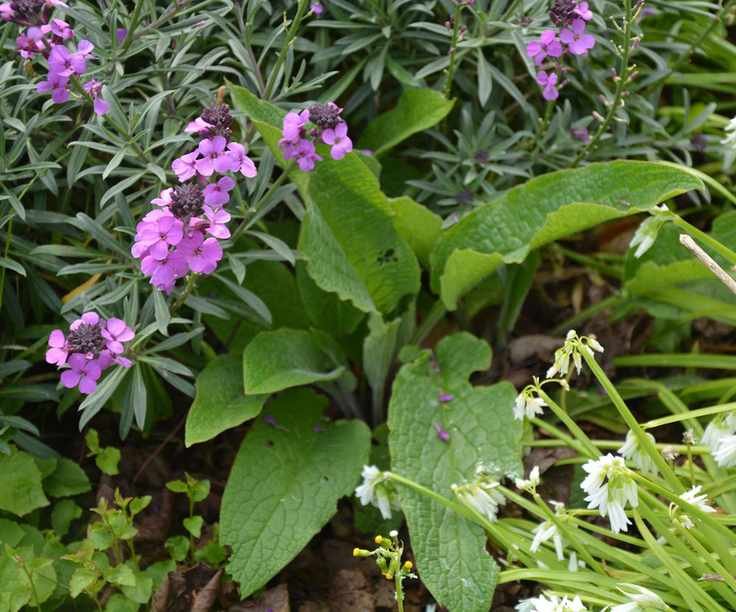
Bocking 14 prevents excessive spread in your garden.
Steps to Create Comfrey Fertilizer
Required Items:
- Long-sleeved shirt
- Gardening gloves
- A large covered container or bucket
- Pruners
- A container for the liquid
1. Gather the Leaves
Spring is the ideal time to gather comfrey leaves, which are brimming with nutrients. Be cautious not to overharvest, as this can weaken the plant.
Use sharp pruning shears to cut the leaves at the base, like these Fiskars bypass shears from Amazon. Wear long sleeves and gloves, such as these leather gloves available on Amazon, as the leaves can irritate bare skin.
After harvesting, chop or tear the leaves and place them into a lidded bucket. A lid is recommended due to the strong odor released during decomposition.
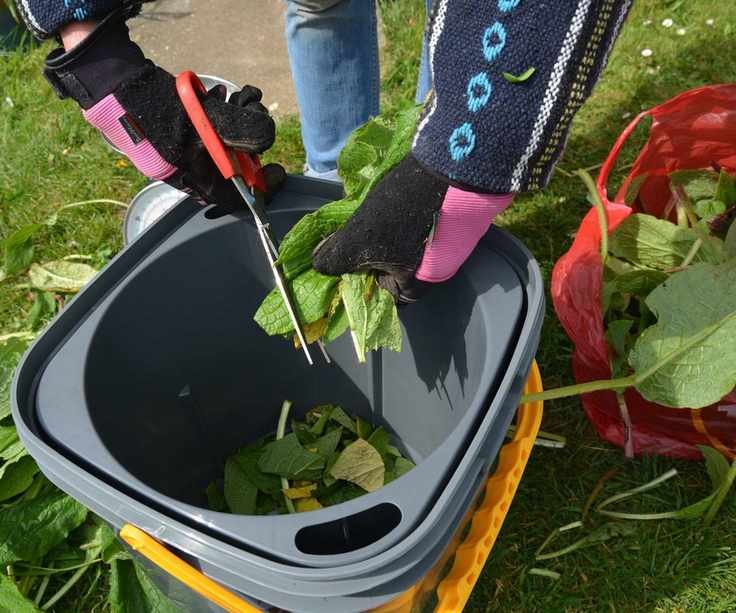
Chop the leaves and put them in a bucket with a lid.
2. Add Water
Once the leaves are in the container, weigh them down with a stone or brick, and fill with water if desired.
Cover the container and let it sit for three to six weeks for the leaves to decompose. Check on the mixture starting around three weeks.
I usually keep mine in a secluded spot to manage the smell!
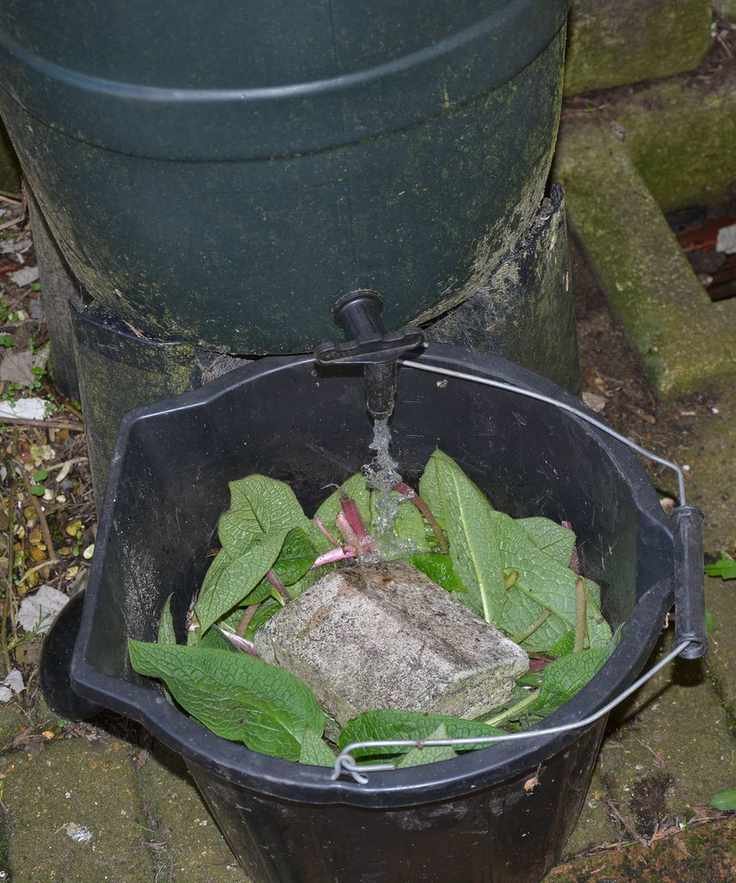
Watering the leaves is optional but helps with the process.
3. Collect the Fertilizer
Check the mixture after three weeks to see how decomposition is progressing. The fertilizer is ready when the leaves have fully broken down in a brown liquid.
This liquid fertilizer needs dilution before use. If you added water initially, dilute with three parts water; if not, use ten parts water.
Store your comfrey fertilizer in a dark, cool place in a labeled plastic bottle, ready to mix with water when feeding your plants. Keep it out of reach of children.
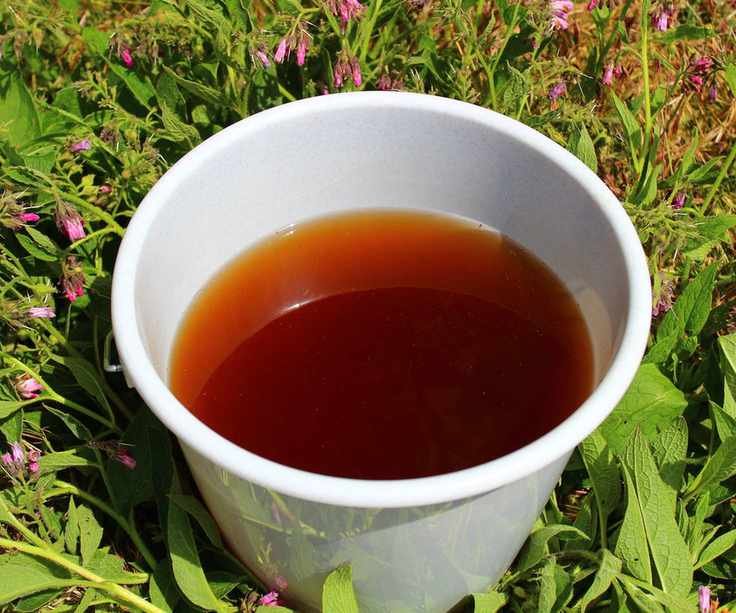
Dilution is essential before applying your comfrey fertilizer.
4. Utilize Remaining Comfrey Leaves
After extracting the liquid, you can add the leftover leaves to your compost heap to enhance the composting process or use them as a mulch around plants. They will continue to decompose, enriching the soil.
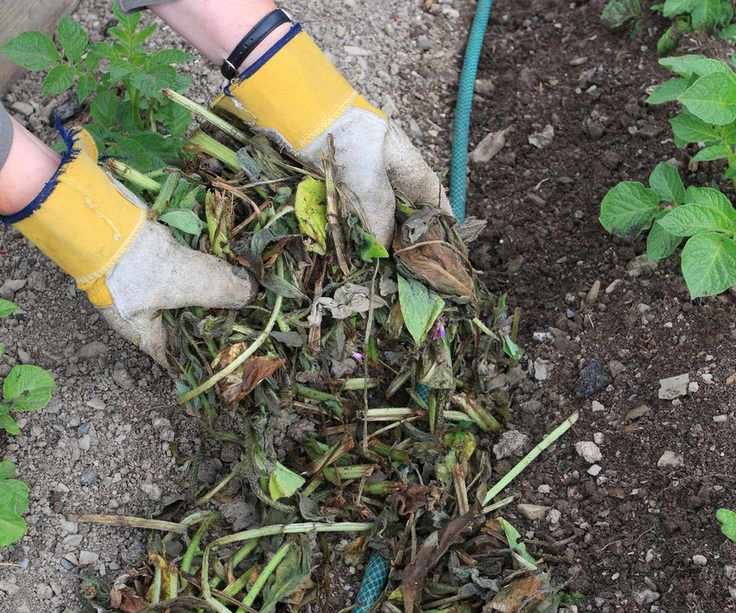
Comfrey can serve as effective mulch for your plants.
Additional Uses for Comfrey Leaves
- Incorporate into Soil: Bury wilted leaves where new crops will grow to enrich the soil.
- Mix into Potting Soil: Shred leaves and add to potting mixes or container plants, but avoid young seedlings.
- Line Planting Trenches: When planting heavy feeders, line trenches with chopped comfrey leaves for continuous nutrient release.
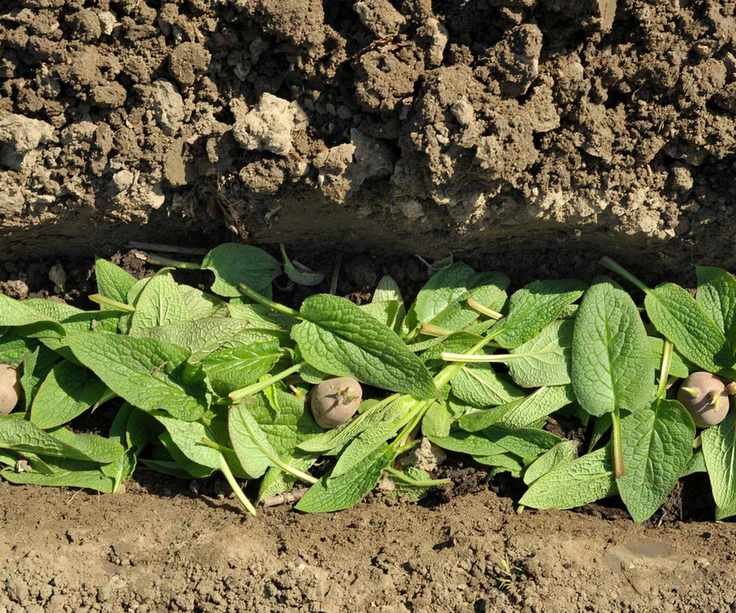
Line trenches with comfrey to nourish growing crops like potatoes.
Common Questions
How long is comfrey fertilizer effective?
Leftover comfrey fertilizer can be stored in a cool, dark place for use the following year.
Which plants benefit from comfrey fertilizer?
This fertilizer is excellent for crops like tomatoes, peppers, cucumbers, and squash, as well as young fruit bushes. It also supports ornamental plants in your flower beds, promoting robust growth and vibrant blooms.
If you've ever thought about using coffee grounds or banana peels as fertilizers, consider adding homemade comfrey fertilizer to your eco-friendly gardening arsenal. It's an excellent way to naturally enhance your plant growth.