If you're looking to optimize your bedroom for different activities or simply desire more privacy, splitting it into two distinct areas can offer flexibility and freedom.
You might be surprised to learn that creative bedroom layouts don't always require major renovations. In fact, clever design elements or standout furniture can transform your space into a multifunctional haven.
We consulted with interior designers who have tackled the challenge of converting a single bedroom into dual-purpose zones, whether for a shared living space or to facilitate varied activities. They shared an array of ideas to demonstrate that any bedroom, regardless of size, can be divided stylishly.
From straightforward methods like using curtains to more elaborate solutions such as half-walls, here are effective ways to accomplish this transformation.
1. Use Curtains or Drapery for Easy Division
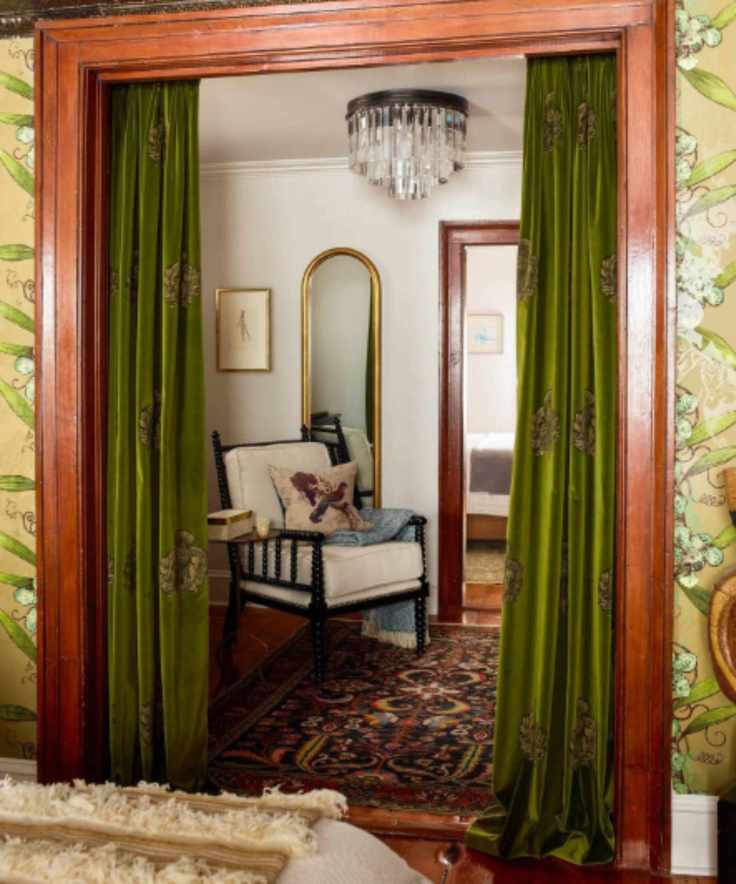
Curtains are a simple yet effective way to create separate zones in a bedroom.
Utilizing curtains can help conceal areas like closets or vanities. In the stylish bedroom shown, drapes across the door frame create a cozy sleep sanctuary that can be closed for privacy or opened to allow light.
Interior designer Kati Curtis notes, 'I appreciate when textiles function as walls. Here, velvet drapery frames a seating nook in a way that feels both intentional and intimate. The curtain acts as its own threshold – soft and romantic but substantial. If you can't build a wall, create the moment.'
2. Install a Stud Wall Behind the Bed
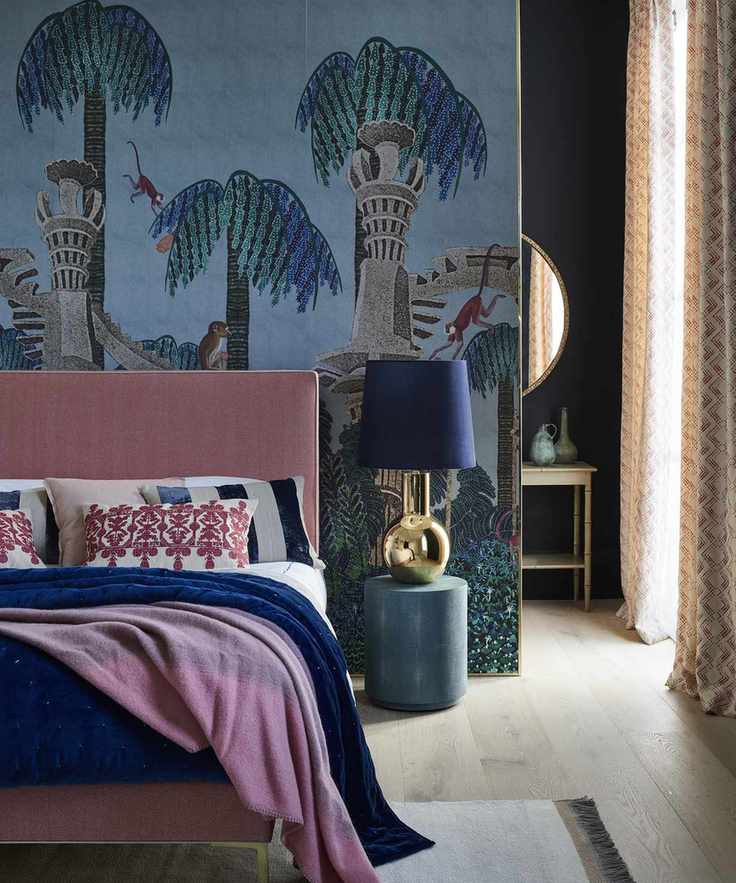
Using decorative paint or wallpaper can effectively define different zones in a bedroom. The design above uses darker paint in the alcove to distinguish the dressing area, while the bold wallpaper behind the bed enhances the visual separation.
A stud wall, whether full or half, can create a clear boundary between sleeping and dressing spaces. In this example, the wall frames the bed while establishing a private area.
You can choose various finishes for a stud wall. Even contrasting paint colors can achieve similar effects. One color for the room and another for the stud wall creates the illusion of two distinct spaces.
Helen Shaw, International Director of Marketing at Benjamin Moore, confirms, 'Using multiple shades is a great way to split a bedroom into two unique spaces while maintaining harmony. A tonal color shift provides a subtle division where there isn't one physically.'
3. Utilize a Niche Bed for Separation
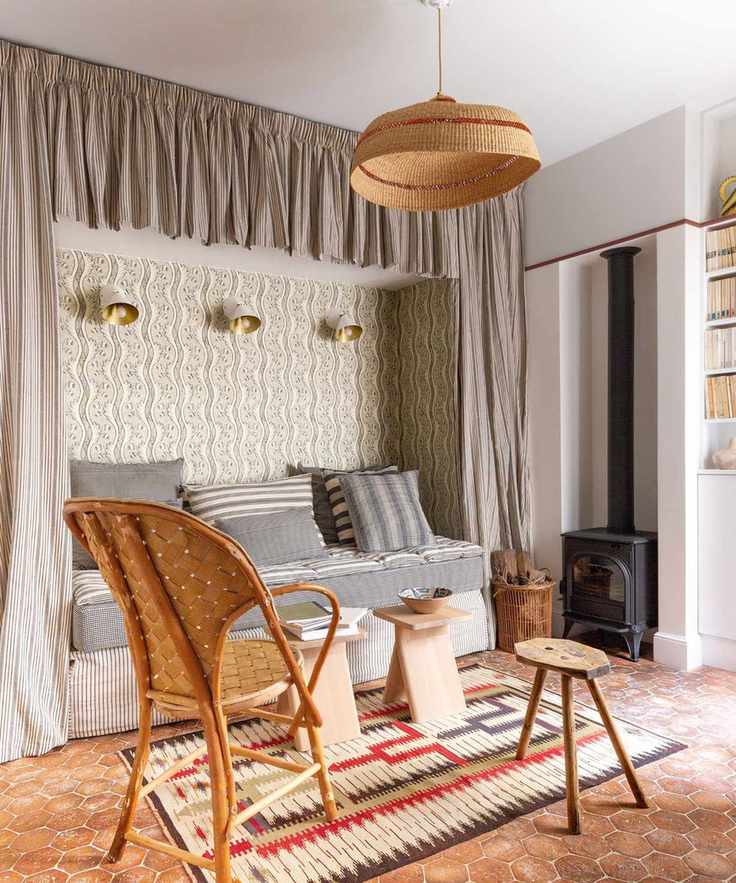
Niche or nook beds are excellent for maximizing floor space, especially in smaller rooms. By placing a bed in a corner or alcove, you can create a dedicated sleeping area that feels separate from the rest of the room.
For instance, this rustic bedroom by Marianne Evennou features a built-in bed that effectively divides the sleeping area from the lounging space, enhancing the room's functionality.
4. Employ Smart Styling and Layout
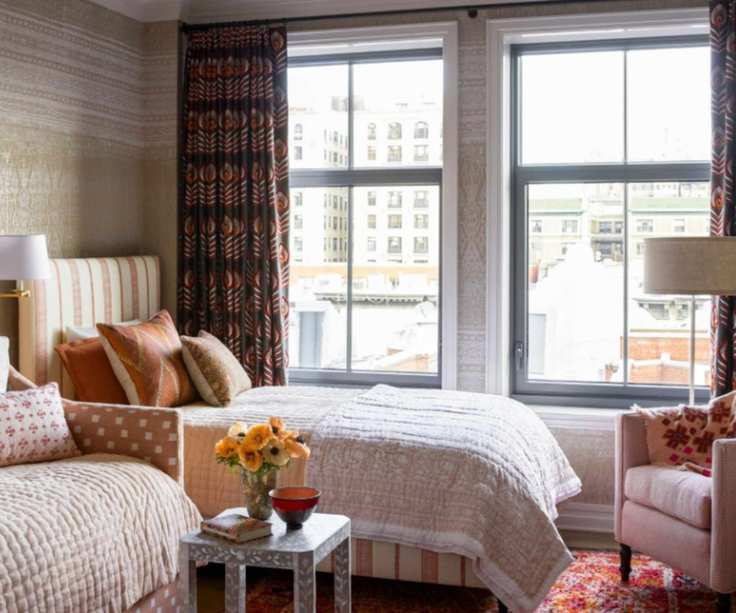
Sometimes, physically dividing a bedroom isn't feasible. In such cases, thoughtful styling and layout can create distinct zones.
Kati illustrates this through a project featuring sisters sharing a room. With strategic furniture placement and layered textiles, each bed feels like a personal retreat without needing walls. 'Design can create separation without division,' she says.
She designed cozy nooks for each girl, using different bed frame styles to impart individuality and a sense of personal space.
5. Choose Low-Profile Furniture to Define Areas
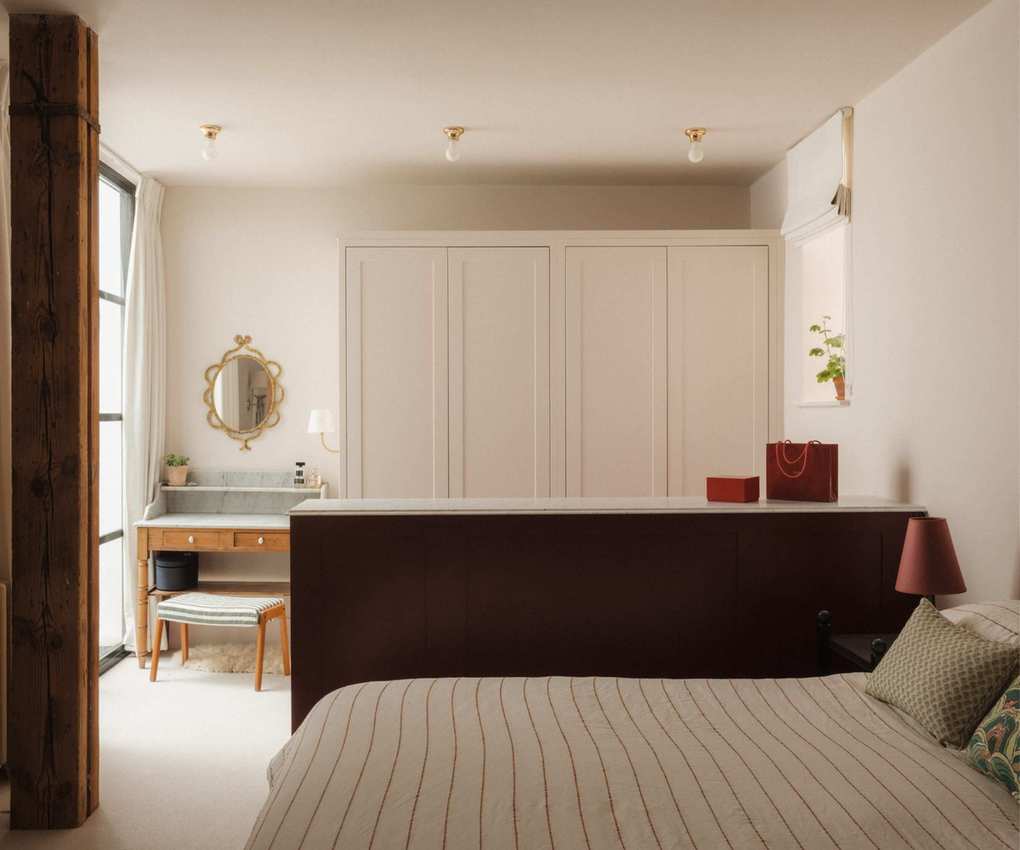
Leanne Kilroy, an interior designer and owner of homeware store Good Bones, expertly divides bedrooms using furniture.
'Storage can be an issue, even in larger rooms, due to limited wall space. A clever way to address this is by using storage as partitions, creating defined dressing and sleeping areas,' she explains. This approach not only cozies the sleeping space but also conceals the often chaotic dressing area.
Additionally, this method allows for better views from the bed, focusing on attractive features like artwork or windows instead of a wall of storage.
6. Incorporate Internal Glazing
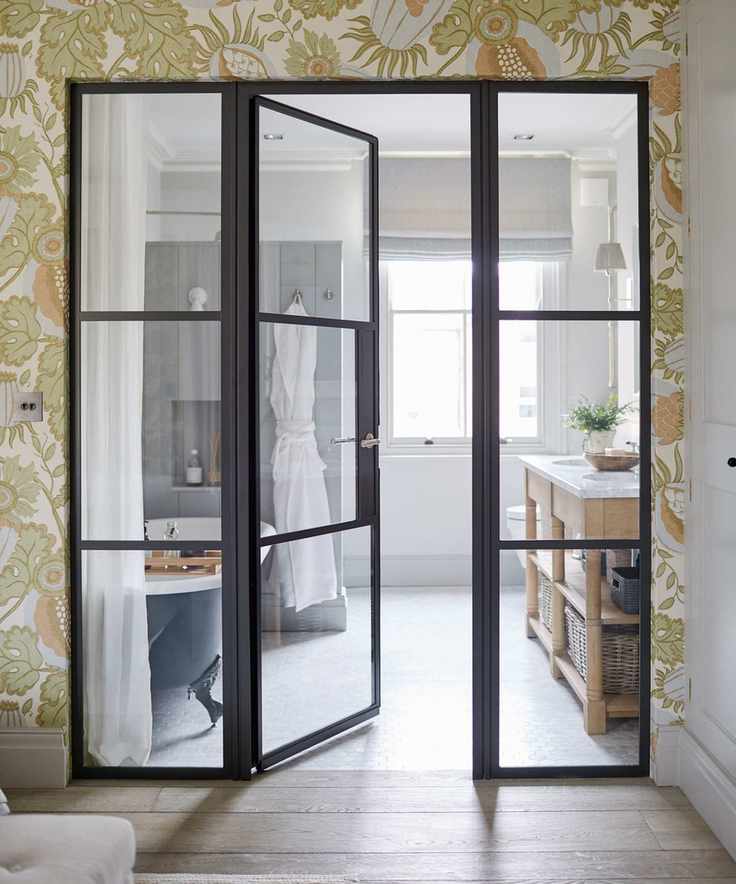
A glass partition can be a sleek, modern way to separate a bedroom into two areas. It allows natural light to illuminate both spaces while providing clear boundaries.
The design by Sims Hilditch demonstrates how internal glazing adds a contemporary flair, suitable for any home style.
Louise Wicksteed, Design Director at Sims Hilditch, states, 'Crittall doors are perfect for separating spaces without sacrificing light or openness. A linen curtain can be drawn for privacy. These doors also introduce a stylish touch to the room, complementing the soothing decor.'
7. Construct a Wall When Necessary
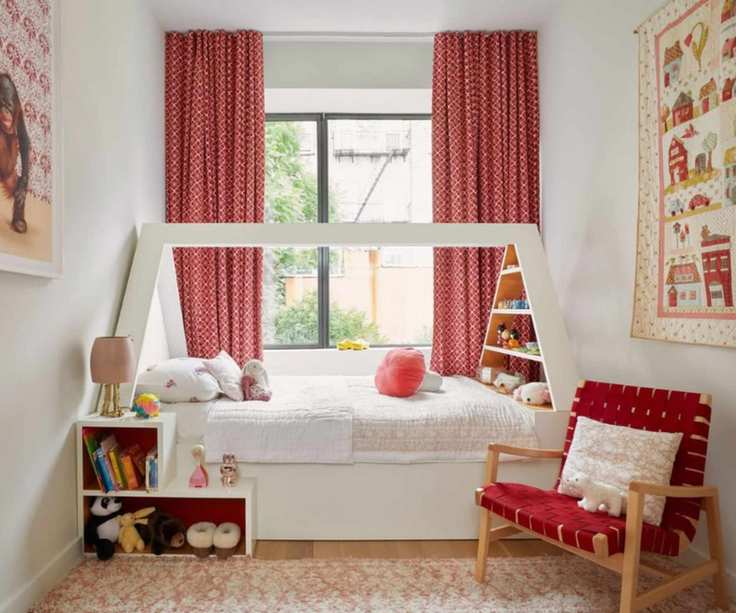
In some cases, styling alone isn't sufficient. Adding a wall can provide a solid separation if privacy or distinct zones are necessary.
Kati emphasizes this in a project where she divided two girls' bedrooms. 'Sometimes, a room needs a proper wall. When privacy and sound control are crucial, there's no substitute. Yet, design is what gives each side its character.'
She continues, 'These two spaces were once one. Each daughter now enjoys her unique area with custom beds and cozy nooks. They each have their own space to grow and express themselves.'
8. Use a Closet for Division
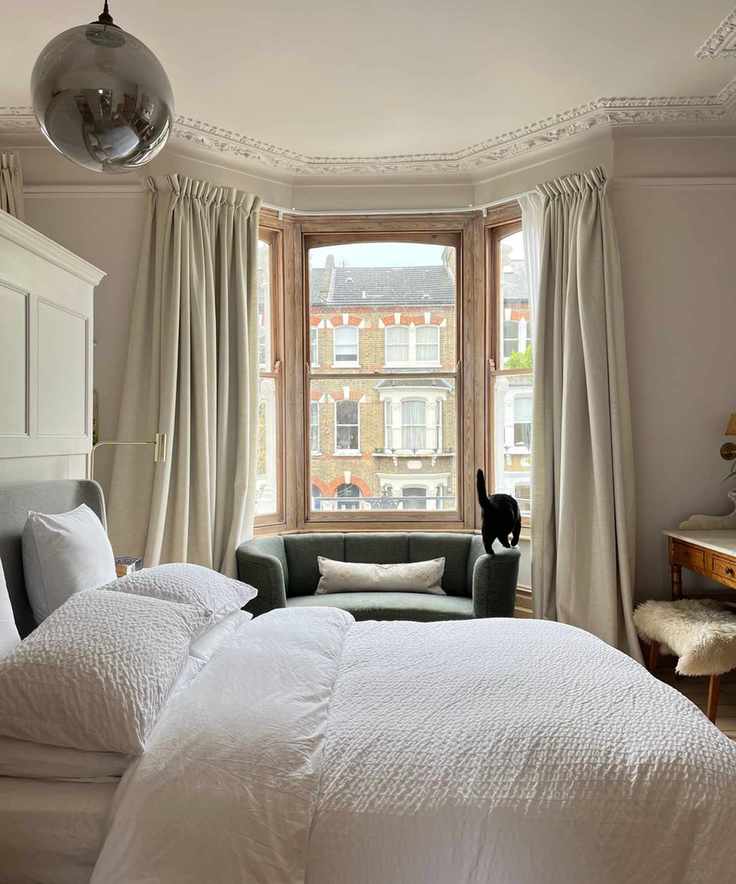
Sometimes, a tall piece of furniture like a closet can effectively delineate two areas in a room.
Leanne utilized a tall closet in her own bedroom design. 'This layout was ideal since we positioned the dressing area near natural light, creating a logical architectural division,' she explains.
'We arranged the tall storage to act as an island, accessible from both sides. This setup not only increases storage but also creates a tidy, visually appealing sleeping area.'
9. Design a Cozy Work Nook
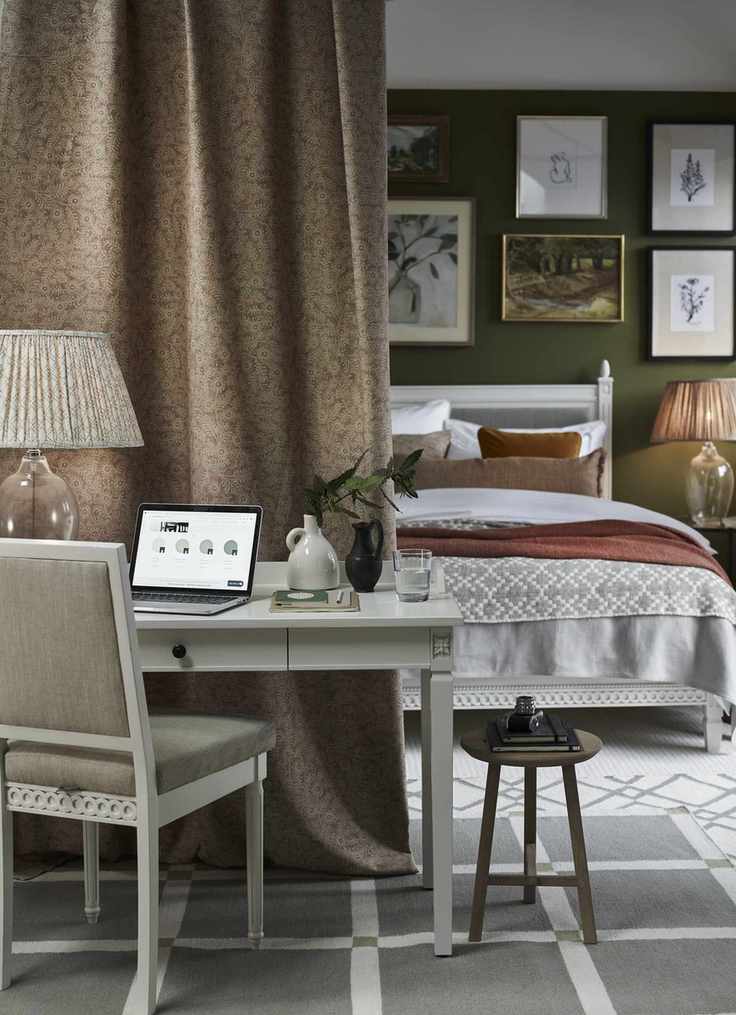
With more people working from home, bedroom office setups are increasingly popular. It's crucial to keep your workspace distinct from relaxation areas.
A simple curtain can separate a work area from the sleeping zone, creating a relaxing environment for unwinding. Plus, curtains introduce color and pattern without the need for full redecorating. Open shelving also works well to define a workspace while keeping necessary items organized.
Many don't have the luxury of a separate office, so bedrooms often double as workspaces. Therefore, establishing boundaries is key for work-life balance.
10. Utilize a Folding Screen
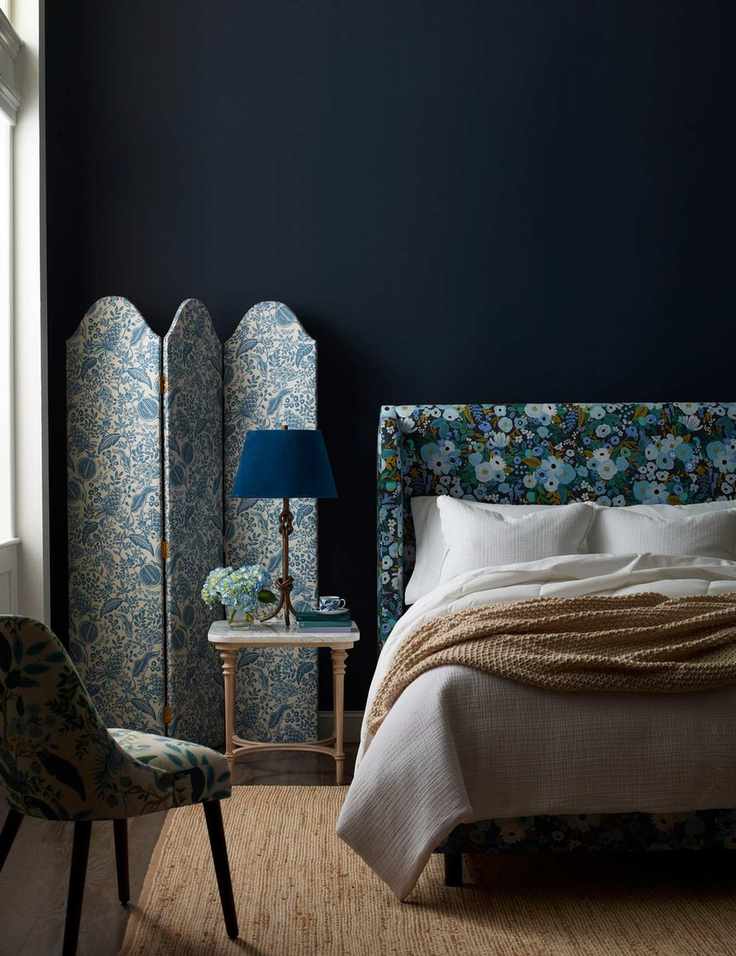
Lightweight and portable, freestanding room dividers can quickly create a separate area and can be easily stored when not in use.
Available in various styles, screens can enhance your bedroom's aesthetics while providing separation. Whether you prefer a modern rattan design or a vintage look, dividing your space is simple with a screen.
This bamboo and rattan screen adds character without overwhelming the space. It's a great choice for delineating areas.
This elegant room divider is versatile enough to complement a variety of interior styles.
Inspired by vintage designs, this Shoji screen offers a charming way to separate spaces, making it perfect for positioning between beds or designating a work area.
Whether you're using a screen to define your sleep area or creating a bookshelf to separate spaces, there are numerous ways to redefine a bedroom. These strategies can also apply to enhancing small studio apartments.