
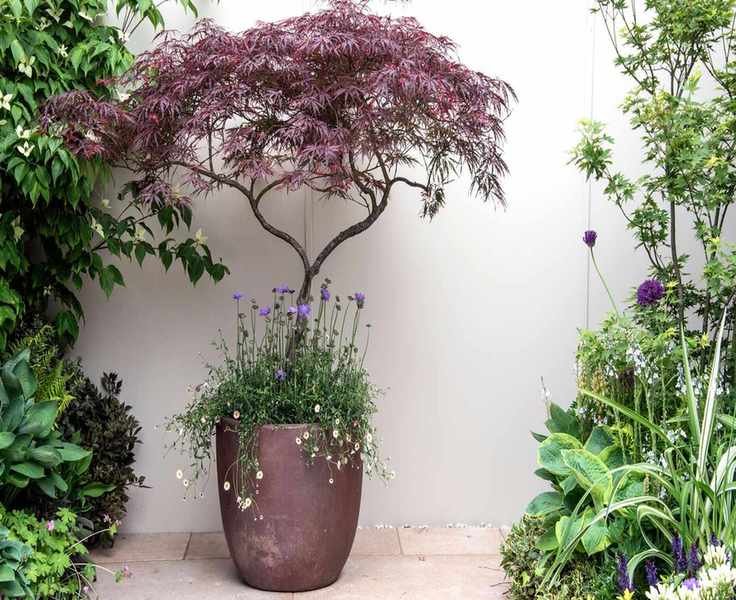
Japanese zen gardens are cherished for their soothing and inspiring nature, making them perfect for adding tranquility to any outdoor area. In urban settings, where space is often limited to a small balcony or courtyard, creating a zen-like atmosphere can be challenging.
To help you transform your patio into a serene getaway, we consulted with experts to learn how to craft a compact zen garden that fits even the tiniest spaces.
Compact Japanese gardens can be very effective. Incorporating a zen planter can foster peace and harmony. Read on for tips on selecting the right containers and plant pairings.
Advantages of a Japanese Zen Garden Planter
These gardens encourage mindfulness, urging us to slow down and reconnect with nature. In today's fast-paced world dominated by screens, these moments of tranquility are increasingly vital.
Adding a Japanese zen garden planter to any small patio or courtyard can create a peaceful haven, offering respite from daily life.
Jessica Mercer, a plant expert, shares that even a modest planter can serve as a calming focal point.
"On a balcony or patio, it brings structure and texture with minimal color and maintenance," she explains.

Jessica Mercer is a plant expert who enjoys cultivating various plants and researching best practices for their care. Writing about plants allows her to combine her scientific knowledge with her passion for gardening.
Selecting Containers for Your Zen Garden Planter
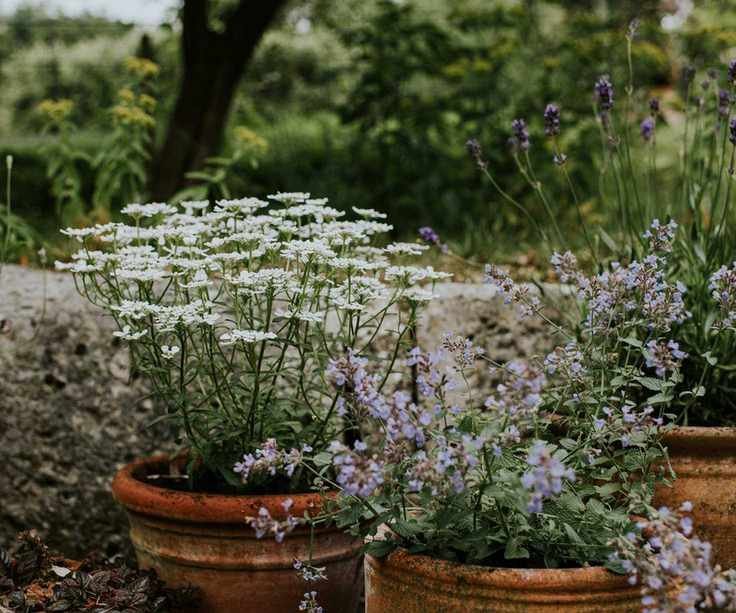
Choosing the right pots for your Japanese zen planter can be overwhelming due to the variety of sizes, colors, and materials available. It's essential to pick containers that not only fit your outdoor space but also enhance the plant selections.
Hugo Torii, a garden curator, advises against using brightly colored pots, which may distract from the garden's overall look. He often recommends unglazed shigaraki pots that harmonize with the natural surroundings.
"Movable pots are great for seasonal display. They can be repositioned to highlight flowers or create a welcoming entrance," Hugo adds.
Large pots, like kame, are also beneficial as they can hold water plants and may even accommodate small fish.
Ensure your containers have sufficient drainage holes to avoid waterlogged soil, essential for plants like Japanese maples.
For a low, round planter, consider this Emissary round teal ceramic from Lowes for shallow-rooted plants. Alternatively, the sleek design of the Veradek Kona Planter from Target suits taller plants like bamboo.

Hugo Torii is the Garden Curator at Portland Japanese Garden, where he manages a team of gardeners to maintain the garden's integrity while allowing for natural growth.
Choosing the Right Soil
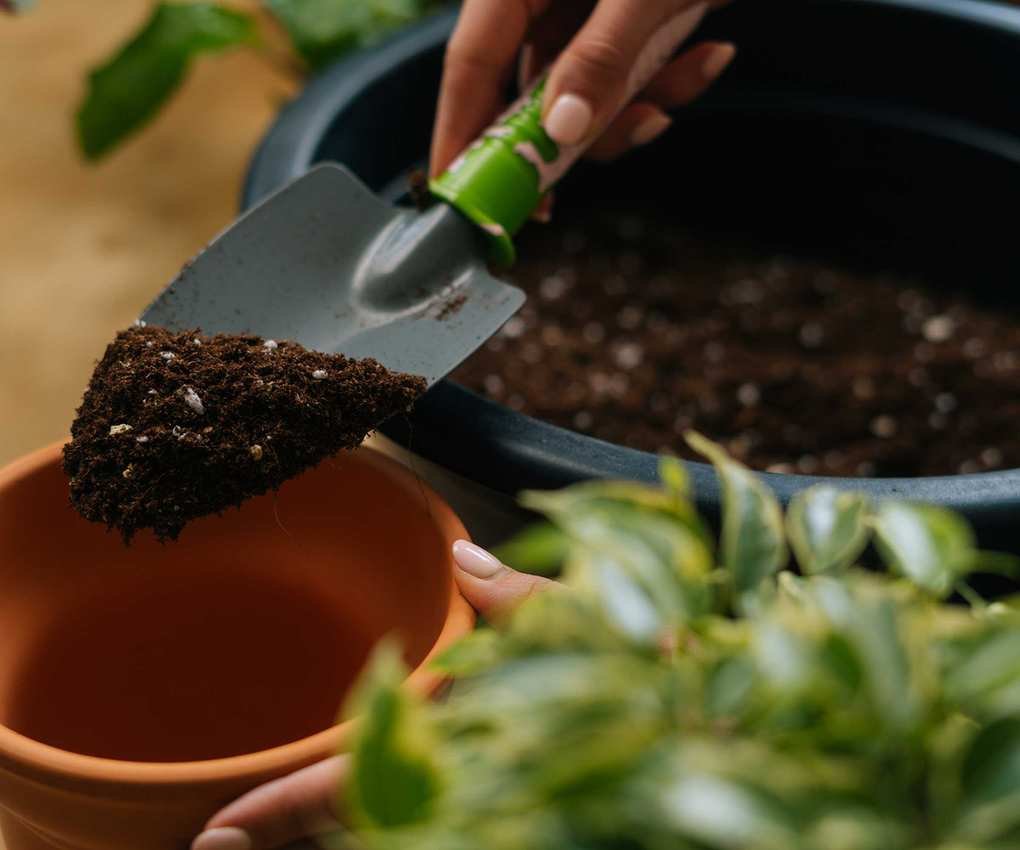
For your zen garden planter, selecting the appropriate soil is crucial to support your chosen plants.
Jessica recommends a well-draining potting mix, enhanced with pine bark fines and perlite to ensure roots receive oxygen without excess moisture.
"For woody plants like maples, use a mix with less compost to minimize water retention around the roots," she suggests.
Perlite is beneficial for improving drainage and aeration and can be added to potting mixes. You can also find Sta-Green organic perlite from Lowes to boost your potting mix's drainage.
Plant Selections for Your Zen Planter

With numerous plant options available, it's easy to become overwhelmed. It's best to stick to a few varieties to maintain the simplicity of the design.
If you think only Japanese plants are suitable for a zen planter, think again. Hugo suggests using native plants that thrive in your region, as the goal is the overall aesthetic rather than plant origin.
"Focus on simplicity and balance. Use plants that offer contrast, like moss, ferns, and pines," he adds.
Jessica recommends keeping your plant list concise. Pair an upright feature with a softer, mounding plant and unify them with stones and gravel.
A dwarf Japanese maple makes an excellent focal point if there's enough light. For shaded areas, consider dwarf mondo grass or low evergreens such as dwarf yew or boxwood. Moss thrives in consistently moist, shaded locations.
Japanese maples are favored for their vibrant fall hues. The weeping Acer palmatum 'Crimson Queen', available on Amazon, features stunning crimson leaves that shift to red-orange in autumn and grows up to 10 feet tall.
For a hardy evergreen with a compact form, the Dwarf Mugo Pine from Lowes is ideal for hardiness zones 3 to 9.
Incorporating Water and Gravel
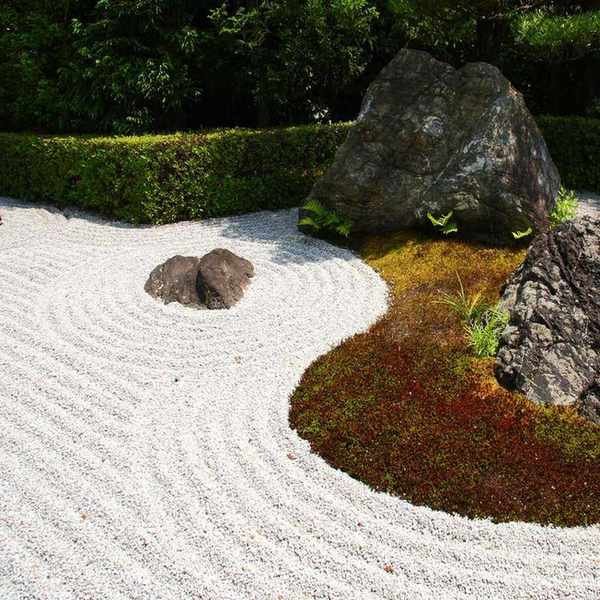
Gravel and sand in a Japanese zen garden symbolize water ripples, reminiscent of oceans or rivers. Usually light-colored, these materials reflect light and the act of raking them can be a calming practice.
For those without outdoor space, consider indoor zen gardens like this Island Falls home Zen Garden kit from Amazon.
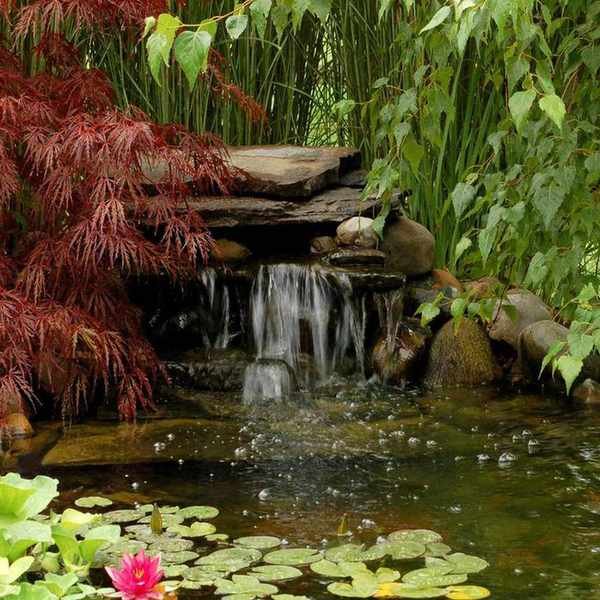
Water features in a Japanese garden symbolize purity, renewal, and the passage of time.
While a traditional pond may not be feasible, a stone basin or bowl can reflect clouds and changing seasons.
For both indoor and outdoor use, consider this ARBORA 21" Santorini Bowl from Amazon.
For those limited to indoor gardening, houseplants can add vibrancy and life to your home, with some known to help alleviate stress and anxiety.
However, indoor plants can be sensitive to their environment, leading to decline if their needs aren't met. If you're new to houseplants, check out these best indoor plants to find the right ones for your space.


