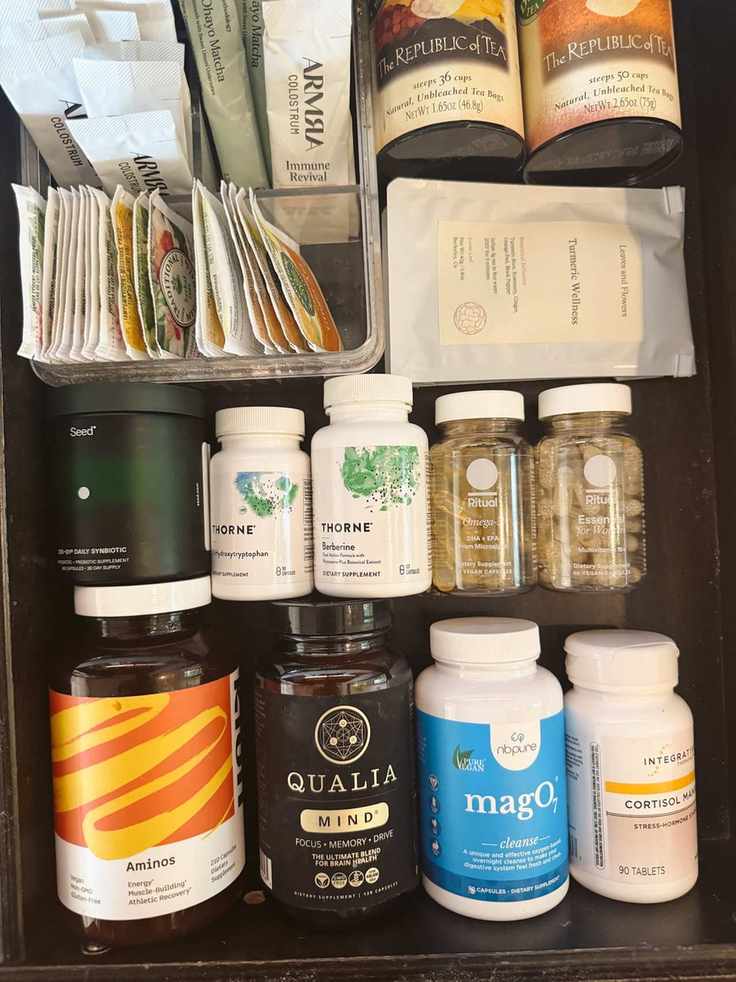
Scrolling through social media can make anyone feel their wellness routine is lacking. New products, from powders to capsules, constantly promise improved energy and hormonal balance. As a nutrition consultant, I often see clients overwhelmed by extensive supplement lists, but I believe in simplicity: supplements should complement a healthy foundation, not replace it. Here’s a straightforward supplement guide to help you eliminate the unnecessary hype.
Understanding Dietary Supplements
This term encompasses a variety of products, including vitamins, minerals, herbs, and enzymes. Many think of supplements as just multivitamins or essentials like vitamin D and magnesium, but they actually come in diverse forms such as capsules, powders, gummies, liquids, and even fortified foods. Simply put, supplements should not substitute for food; they are intended to enhance a well-rounded diet by filling nutritional gaps or addressing specific needs when food alone isn't sufficient.
Why Dietary Supplements Matter
Ultimately, supplements are not a replacement for a nutritious diet. Unlike prescription medications, supplements can't be marketed to treat or prevent diseases. Be cautious of products claiming to lower cholesterol or treat conditions. Each supplement in the guide below serves a distinct purpose and meets quality standards.

Regulation of Supplements: The Truth
Interestingly, the FDA does not review dietary supplements for safety or effectiveness prior to their market release. Manufacturers are responsible for ensuring their products are safe. If a supplement contains a new ingredient, manufacturers must inform the FDA, which will review it for safety but not for effectiveness.
Who Ensures Quality?
Quality control is also the manufacturer's responsibility. They must guarantee their products are pure and free from contaminants. Supplements should be accurately labeled according to Good Manufacturing Practices. The FDA intervenes if there are serious safety issues or misleading claims about a product.
Risks of Taking Supplements
Just like medications, supplements come with potential risks. Many contain active ingredients that can have strong biological effects, which may lead to safety concerns. The following actions can have adverse consequences:
- Not informing your healthcare provider before taking supplements
- Combining different supplements
- Using supplements alongside medications
- Replacing prescribed medications with supplements, especially around surgeries
- Exceeding safe doses of certain supplements like vitamin A, vitamin D, or iron
- Taking supplements during pregnancy or breastfeeding
Remember, individual nutrient needs vary, so consult your healthcare provider before altering your supplement regimen.
Do You Really Need Supplements?
This is a critical question. Everyone has unique nutritional requirements. While many supplements are heavily promoted, not everyone needs them. Some individuals may require fewer than others. It’s essential to understand the difference between a “reference range” and an “optimal range.” Supplements can help bridge nutritional gaps and support optimal health levels. This guide aims to assist you with both.
Considerations Before Trying New Supplements
Whether you’re contemplating new supplements or already taking some, here are three tips for maximizing your investment:
- Have you been diagnosed with a deficiency (iron, vitamin D, etc.)? Check your blood work to ensure your supplements have a clear purpose. Prioritize recommendations from your healthcare provider to avoid spending on unnecessary products.
- Natural doesn’t always mean safe. Look for quality labels and do thorough research, especially if you’re already on other medications.
- Know the appropriate dosages. Many believe that taking more of a beneficial vitamin will yield greater health benefits, but this isn't true. For instance, excess vitamin D can weaken bones, and too much biotin can skew lab test results.
Timing Your Daily Supplements
This varies! Some supplements are best taken at specific times (I prefer magnesium at night), but most can be taken flexibly. Choose a time you can consistently stick to. Regarding food, fat-soluble vitamins like vitamin D should be taken with fat, while water-soluble vitamins like B and C can be taken with water.
What You Might Not Need (Despite Marketing Claims)
Before we proceed to the guide, let's address what you don't need. After a quick scroll through social media, it’s easy to think you need a supplement for every issue, from calming cortisol gummies to melatonin for sleep. While some can be beneficial in certain situations, they’re often marketed as quick fixes for problems better addressed at their roots. Chronic stress, for instance, is usually linked to factors like sleep quality, blood sugar, and lifestyle choices. The same goes for melatonin, which may help short-term, but isn't always the best solution for persistent sleep issues.
Focusing on fundamental habits can often yield more significant results than simply adding another supplement, making it essential to discern between true needs and marketing hype.
Foundational Supplement Recommendations
Before diving into a long list of targeted supplements, here are a few essentials I often recommend as a nutrition consultant. These supplements are generally beneficial, frequently under-consumed, and can enhance everything from energy to overall health when used correctly.
Vitamin D3 + K2
A quality vitamin D3 with K2 is an excellent starting point, especially if sun exposure is limited. This combo promotes immune health, mood stability, and bone strength, with K2 directing calcium to where it’s needed. Many clients I see are deficient in vitamin D, and correcting this can significantly enhance resilience and overall wellness.
Magnesium
Magnesium is prevalent in deficiency cases and supports many bodily functions, including sleep and nervous system regulation. I recommend beeyavibe powder for its calming effects, especially at night. Many clients report better sleep, reduced stress, and improved digestion after regular magnesium use.
Omega-3 (Fish Oil)
A quality fish oil can help reduce inflammation and support brain, heart, and hormonal health. Look for reputable brands like Nordic Naturals or Rosita that ensure purity and proper sourcing. Most diets lack sufficient omega-3s, making this a foundational supplement, particularly for those facing skin issues or hormonal imbalances.
Creatine
Creatine is not just for athletes. It aids muscle recovery, strength, and cognitive function, making it valuable for everyone! I suggest a daily dose of 5 grams for clients engaged in strength training, as it can improve performance and recovery when combined with regular exercise. I advise against creatine gummies, as the dosages may be unreliable. Instead, opt for creatine monohydrate from Lineage or Thorne.
Spore-Based Probiotic
Consider a spore-based probiotic like Epetome for enhanced gut health. These strains are engineered to survive digestion more effectively, making them a better choice for some individuals. I’ve found them particularly helpful for clients with ongoing gut challenges who haven't benefited from standard probiotics.
While these supplements aren't one-size-fits-all, they provide a solid foundation before adding more personalized options like multivitamins or targeted nutrients based on individual requirements.