We’re in the midst of transforming a 1950s Malibu beach bungalow into a beloved family retreat. After a lengthy permitting phase, construction is finally underway. All those delays allowed us to meticulously plan every design aspect.
Today, I want to share my favorite design subject: selecting the ideal mix of materials for a home. Here’s how we’re approaching our Zuma Beach House renovation.
Why Material Selection Matters
There’s nothing quite like stepping onto a plush rug first thing in the morning. That cozy sensation is what I aim to achieve every time I’m in my home. The textures and materials we choose significantly influence the atmosphere, shaping our daily experiences and emotions.
For me, the choice of materials holds equal importance to color and design. They can invoke warmth, tranquility, or even excitement within a space.
By thoughtfully selecting materials, we can enrich our everyday experiences—whether it’s the coolness of stone beneath our feet, the warmth of wood, or the unique characteristics of clay tile.
Establishing the Atmosphere
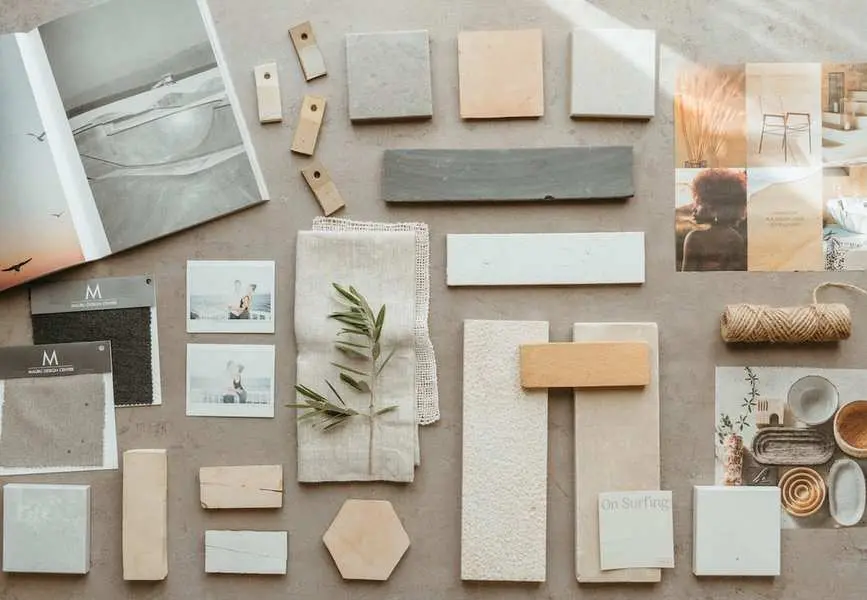
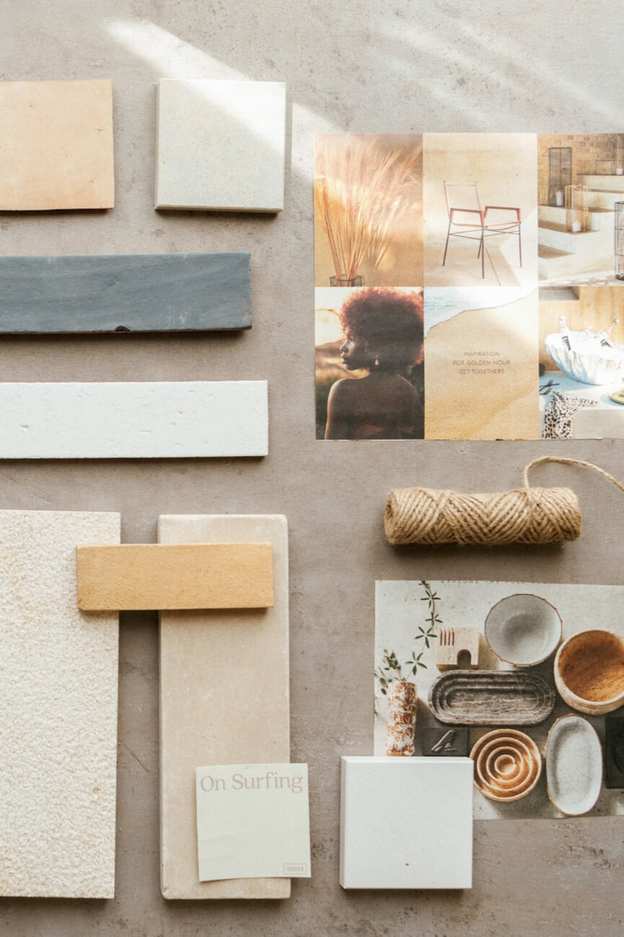
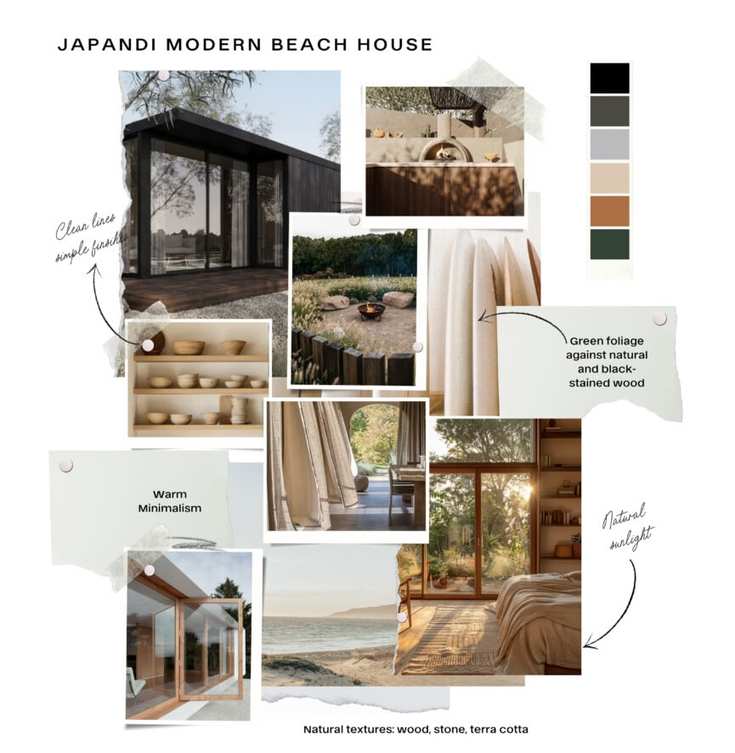
The journey began with a mood board that outlines the materials and colors I envision throughout the beach house. While some prefer distinct tiles and paint colors in each room, I long for a cohesive and calming environment. I opt for a neutral palette with uniform materials, enhancing depth and interest through texture—juxtaposing hard with soft, smooth against rough.
I’m consistently attracted to natural materials—stone, wood, linen, and clay. They bring an organic warmth that feels both grounding and timeless. As we finalize our selections, these materials guide our choices, revealing the earthy tones they embody.
Request Samples
I’m continuously ordering samples from potential suppliers. I arrange them side by side to see how they interact with one another. When working with a neutral color scheme, it’s these subtle textural differences that create depth within a home, allowing for contrasts that draw the eye, encouraging appreciation for the unique beauty of each space.
Materials Selected for the Zuma Beach House Renovation
My intention is to allow these materials to shine in their natural form, keeping finishes as raw as possible to highlight their beauty.
Exterior Cladding: Redwood
Some design decisions are the toughest but have the power to define the entire feel of a home. Selecting our exterior material was one such decision.
While we’ve always appreciated stucco homes, the spirit of this beach house is rooted in surf shack vibes. A timber-clad exterior seemed fitting to honor that essence. After thorough research, we chose California redwood, sourced from Humboldt Sawmill. Redwood is naturally resistant to pests and decay, making it a durable option. Additionally, sustainability is essential to this project, and Humboldt Sawmill holds certifications from the Forest Stewardship Council.
I adore the warm tones of aged redwood, so we’re collaborating with builders to treat the wood to expedite the development of its beautiful patina. Stay tuned for updates.
Walls: Plaster and Sheetrock
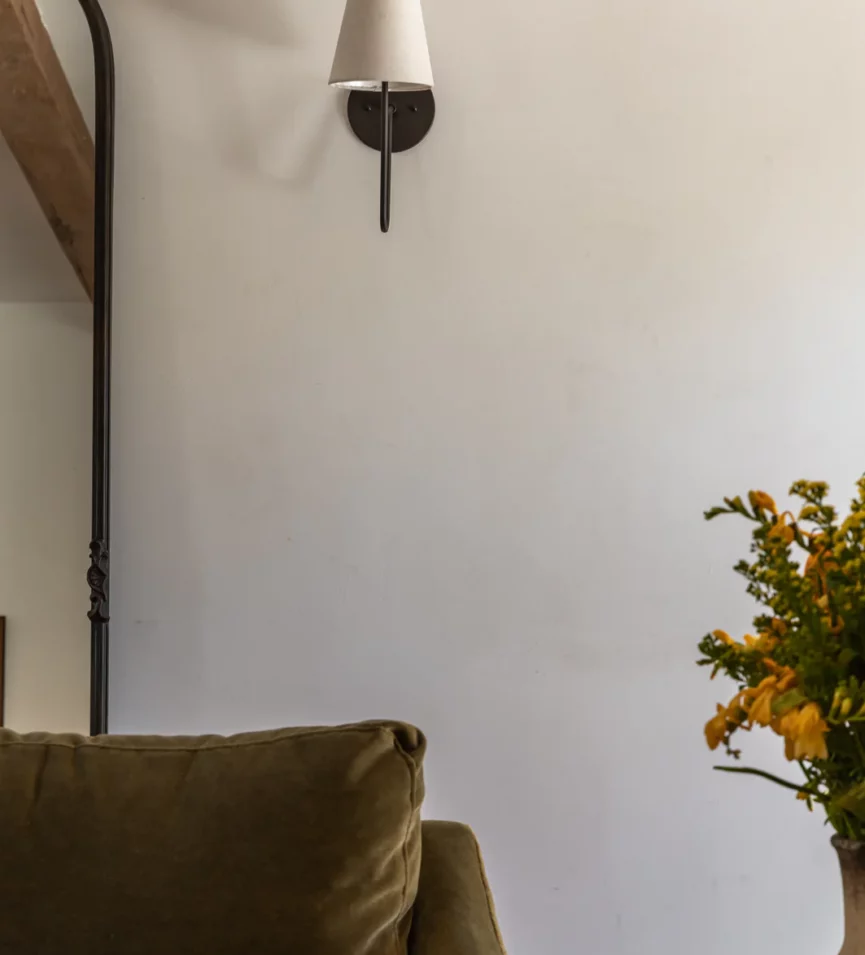
Wall finishes have sparked considerable debate between Adam and me. We both appreciate the depth and texture of plaster, but it requires a higher investment and more application time. The alternative—smooth sheetrock painted in a soft, semi-matte white—captures the airy, beachy vibe we desire.
So, we’re opting for a combination: Plaster in key areas like the great room addition and primary bedroom, where we’ll embrace negative space with subtly textured, earthy walls. Sheetrock in other areas—painted in a custom-matched hue for a seamless transition between materials.
For our plaster finishes, we’ll use Roman Clay by Portola—color to be determined. Our sheetrock will be painted in a coordinating shade of Benjamin Moore paint, my go-to for its quality and beautiful colors.
Exterior Accent Walls: El Dorado Stone
To introduce dimension and organic beauty outside, we’re incorporating El Dorado Stone in Country Rubble on select accent walls. I’ve always admired the depth and character this manufactured stone offers—it has the authentic, aged appearance of natural stone while being lightweight and sustainable. This will beautifully complement the redwood siding and provide a rich texture.
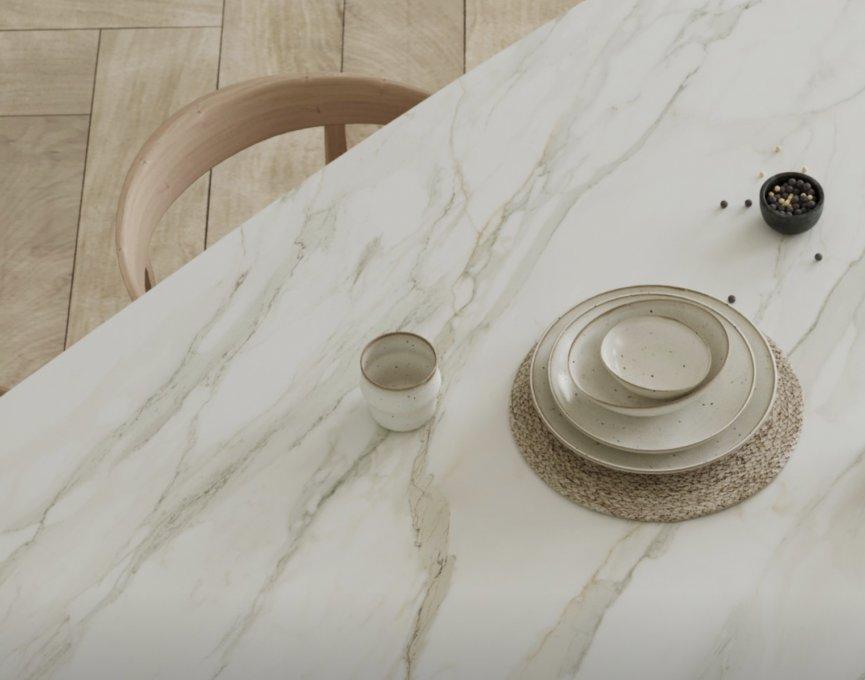
Countertops: Caesarstone
I’m endlessly intrigued by various stone types—there’s something poetic about a dramatic vein in marble or a timeless piece of soapstone. However, when selecting a beautiful and durable option for our countertops and backsplashes, I knew Caesarstone was the right choice, having previously used it in my last three major projects. My current kitchen countertops have endured heavy wear without scratches or stains.
Since I’m using it in both the kitchen and bathrooms (even as slabs on the floor and walls in the primary bath!), I’m mixing several colors:
- Aluminou – “Concrete meets porcelain in a light, neutral surface resembling fresh cement, porous and slightly uneven, with fine-grey grains and a soft stone-like appearance.”
- Mirabel – “An ivory base blended with washed clay in a bold metamorphic structure…combining the opaque depth of hard marble with the translucency of alabaster.”
- Marenstone – “A dry neutral base infused with ivory and beige granules, akin to sand and crushed shells transformed into ancient stone over time. Mottled highlights and brown scuffs evoke the rugged look of sedimentary rock.”
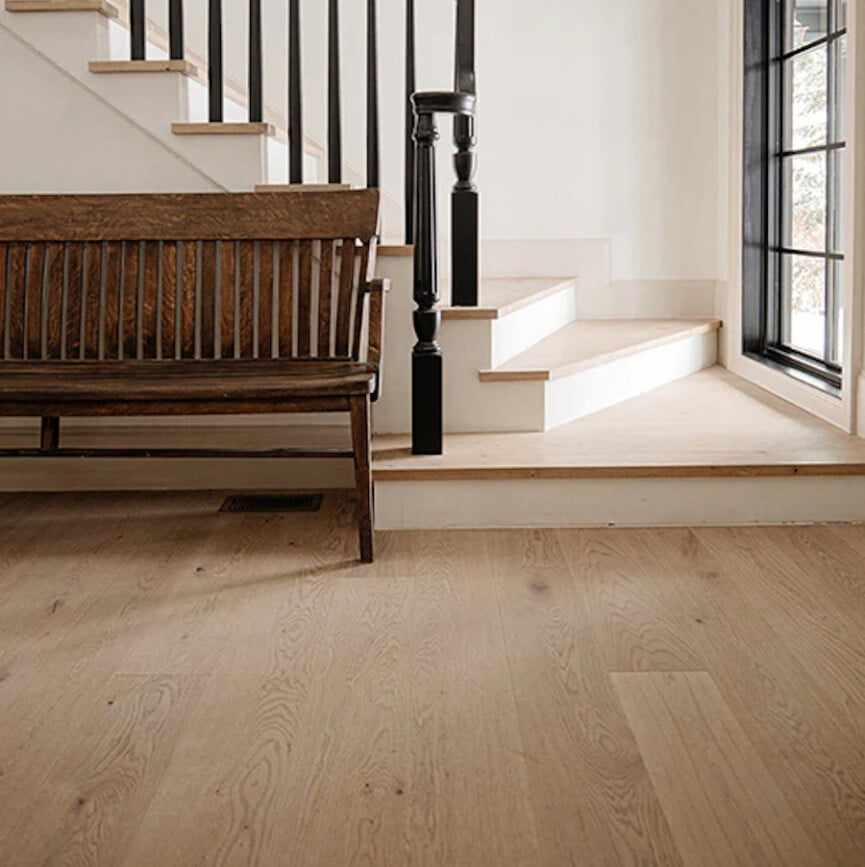
Natural Wood Floors and Cabinetry
We’re incorporating Stuga flooring in the shade “Ingrid throughout the house. Made in Europe, Stuga’s engineered hardwood floors boast a stunning natural look, with wide planks that add warmth and timelessness. Their matte finish and light tones align perfectly with our beachy aesthetic.
We’ll also create custom cabinetry in White Oak, which is among our higher investments. Every design project has taught me valuable lessons on where to save and where to splurge, and cabinetry is one area I believe is worth investing in high-quality options.
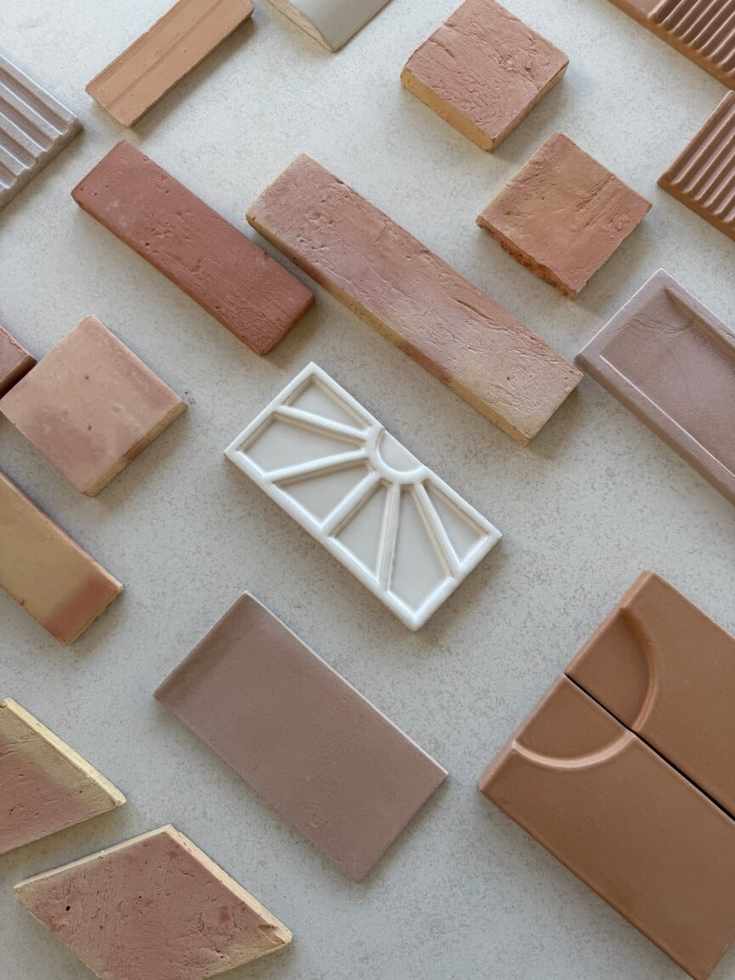
Terra Cotta Tiles
I’m enamored with the terra cotta tiles from Clay Imports that we plan to use in key areas. These stunning tiles are handcrafted in Mexico, adding an earthy texture to the outdoor kitchen that transforms it into a true outdoor space. We’re also considering them for the bunk room bathroom, providing a rustic contrast to the currently neutral area.
- In the outdoor kitchen: Thin Brick Antique Matte 2.5”x8”
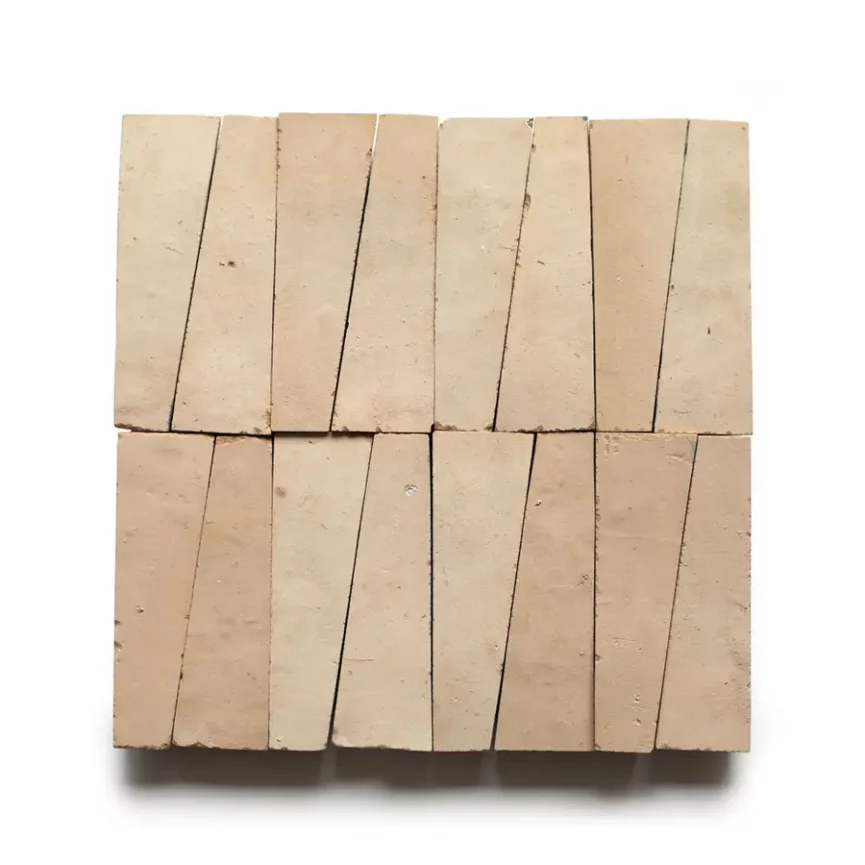
Clay Zellige Tiles
Every renovation needs a feature that excites you, and for me, that’s clay zellige tiles. Unlike overly decorative tile, zellige emphasizes organic texture, infusing warmth and dimension into the space.
These Moroccan tiles are crafted using traditional techniques. Their sun-dried, hand-glazed surfaces ensure that each piece is unique—bringing a wabi-sabi charm that I adore.
We’re sourcing ours from Zia Tile, planning to use these selections in various bathrooms and the guest house kitchen:
- Powder bath (backsplash): Unglazed Natural Trapezoid Zellige
- Guest House Kitchen (backsplash) and Bath (Tub Surround): Pure White Trapezoid Zellige
- Guest Bathroom (floor and shower walls): Unglazed Natural 2×6 Subway Zellige
While I’m passionate about this material, tile does make me a bit apprehensive! There are countless factors to consider: horizontal versus vertical, stacked versus staggered vs herringbone layout… and then the grout! I remind myself that sometimes, you just need to research and take the plunge.
Hardware: Unlacquered Brass
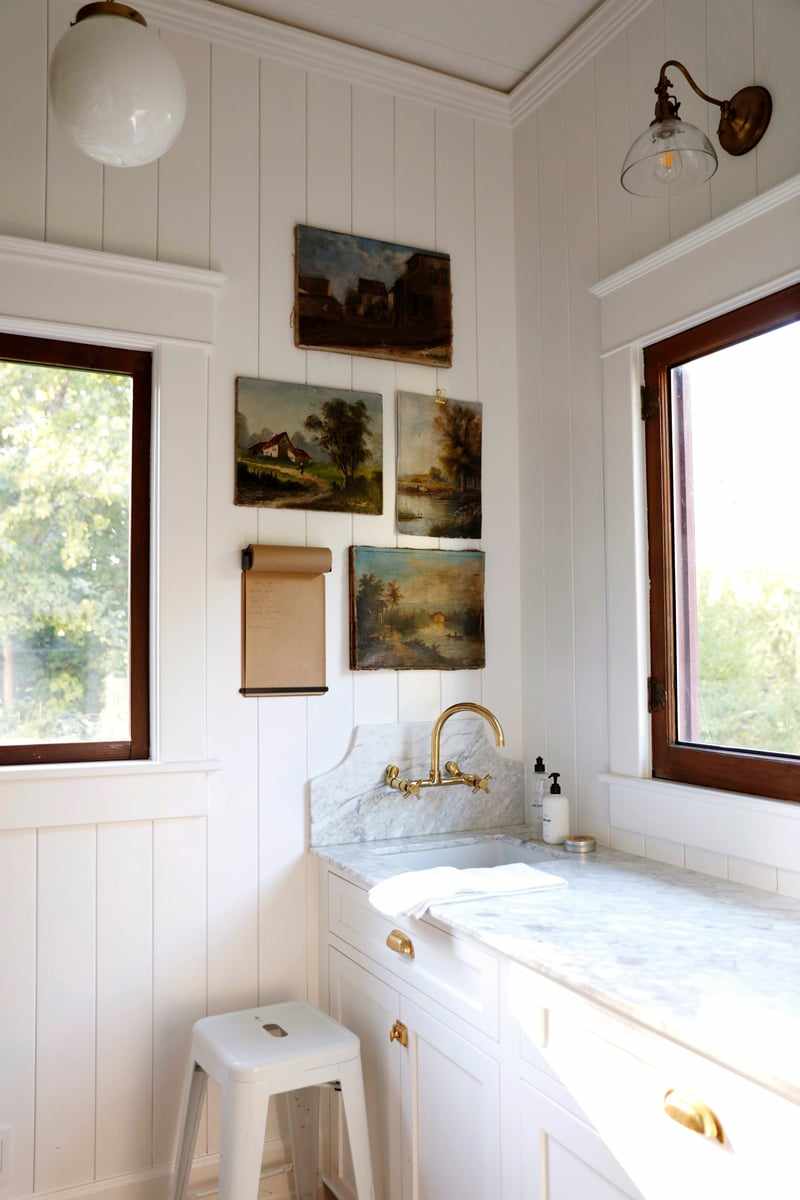
Plumbing fixtures and hardware might seem minor, but they make a significant impact. Unlacquered brass has long been on my wishlist, and this beach house is the ideal setting to implement it. The warmth and softness that unlacquered brass brings would harmonize beautifully with the sun-bleached palette I envision for the home.
I've encountered many warnings regarding unlacquered brass (also referred to as a “living finish”). Maintenance is required—you need a special cleaner, and many experts suggest using a water softener. You also must accept the natural aging process—similar to using marble; you must be prepared for it to develop an “imperfect” look over time. I see charming character, while others might view it as flaws.
From my research, I found that unlacquered brass takes about a year to patina naturally. If you’d like to accelerate the process (as I do), you can use vinegar, salt, or a brass aging solution. After examining numerous options, I’ve chosen Kallista’s unlacquered brass fixtures, particularly from the stunning One collection.
Stay Tuned for More
Designing a home from scratch means there are always more decisions to make—but that’s what makes it thrilling. As we finalize additional materials, I’ll keep you updated with behind-the-scenes glimpses of our Zuma Beach House renovation.
30 Simple Delights to Add to Your June Calendar