Choosing winter flowers for fragrance can brighten up even the dullest garden. You'll often catch a whiff of these plants' enchanting scents before you lay eyes on them, making them an essential part of your winter landscape.
Winter blooms may be small in size but burst with vibrant colors. Proudly displayed on bare branches, they shine as the true highlights of the season and serve as a genuine mood booster. This is especially vital when floral interest is scarce in the garden.
Nature has crafted many winter flowers to draw in rare pollinators, and their fragrances are unmatched by blooms that appear later in the year.
From the sharp citrus scent of witch hazel to the sugary aroma of viburnum, these resilient blooms are hard to overlook. Here, we present some of our favorite seasonal varieties and tips on where to plant them.
12 Aromatic Winter Flowers to Uplift Your Garden
A wide array of winter plants is available, each offering unique fragrances. You can choose from shrubs, small trees, bulbs, and perennials, each with their standout varieties.
Hellebore odorus
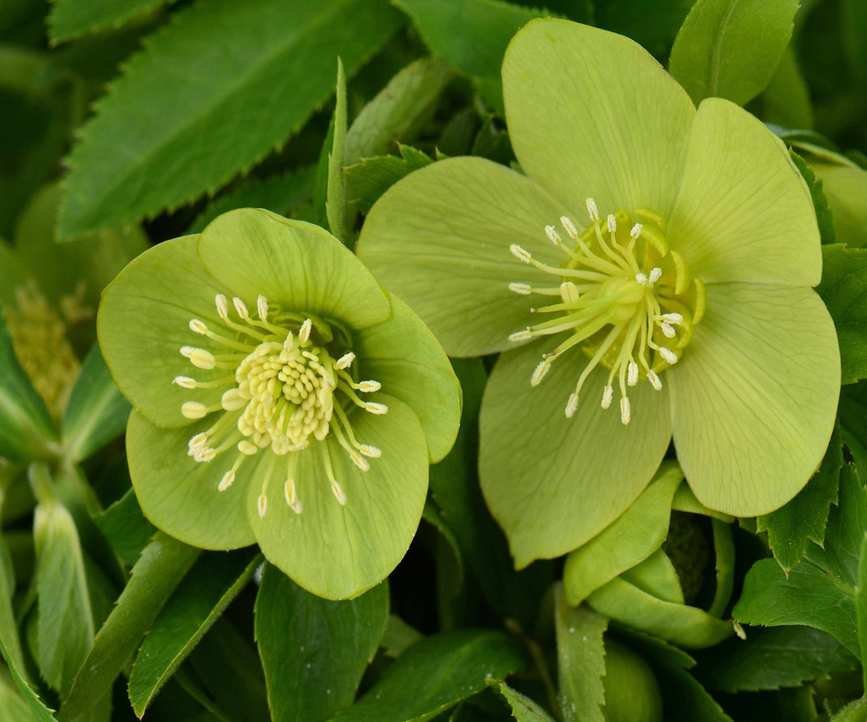
These semi-evergreen perennials are hard to miss, thanks to their bittersweet blackcurrant fragrance and eye-catching green cup-shaped blooms.
Clump-forming with unique leathery foliage, this garden classic has garnered many admirers, including landscape designer Max Apton, the owner of Sweet Clover Design.
'I highly value fragrant hellebore (Helleborus odorus) for its scent. It's somewhat hardy in our climate, so plant it in a sheltered spot and cover with mulch in the fall. Like all hellebores, it's a lovely evergreen perennial, shade-tolerant, and deer-resistant.'
Daphne bholua 'Jacqueline Postill'
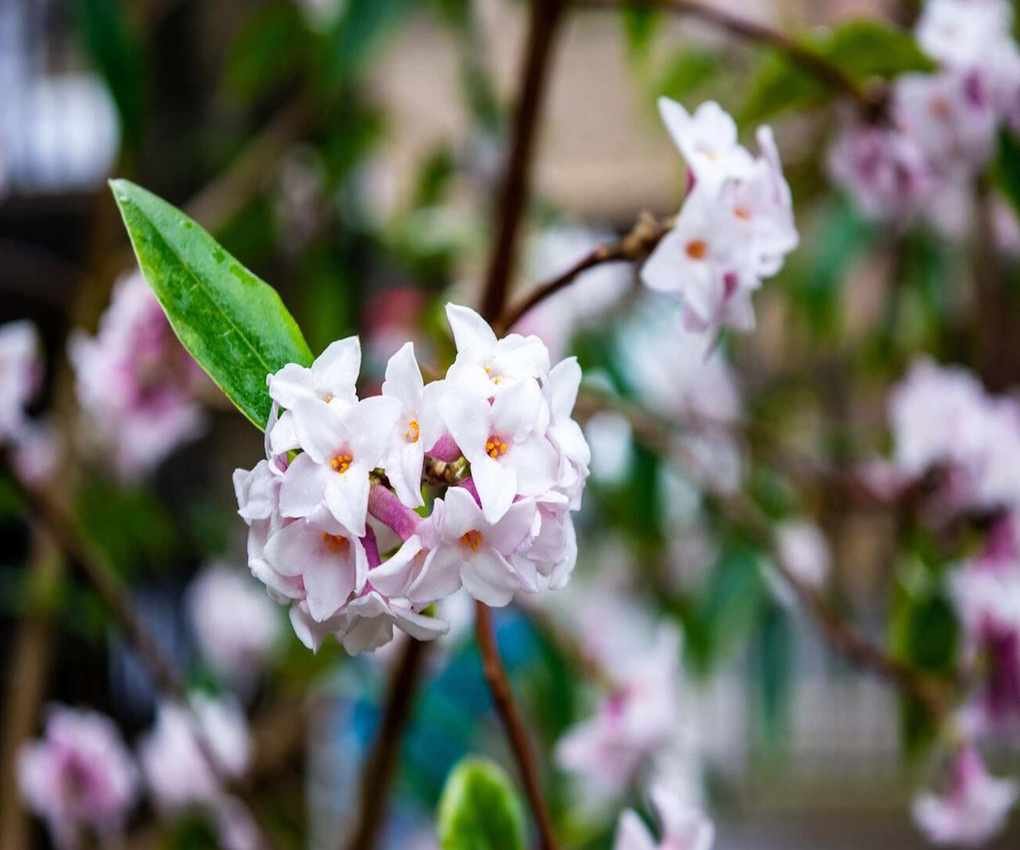
In bloom during late winter, this evergreen shrub is a true garden highlight. It boasts clusters of lilac-pink and white flowers against deep green, leathery leaves, making daphne a stunning choice for pots or borders.
However, it's the wonderfully sweet, sometimes intense fragrance that makes it a favorite for garden enthusiasts. Position it near doorways, porches, or alongside a pathway to uplift spirits and impress guests.
Originating from the Himalayas, this shrub prefers colder climates but dislikes waterlogged roots. It grows slowly, taking up to 20 years to reach a height of about 13ft and should be planted where it can thrive. Suitable for US Hardiness zone 8-9.
Witch hazel
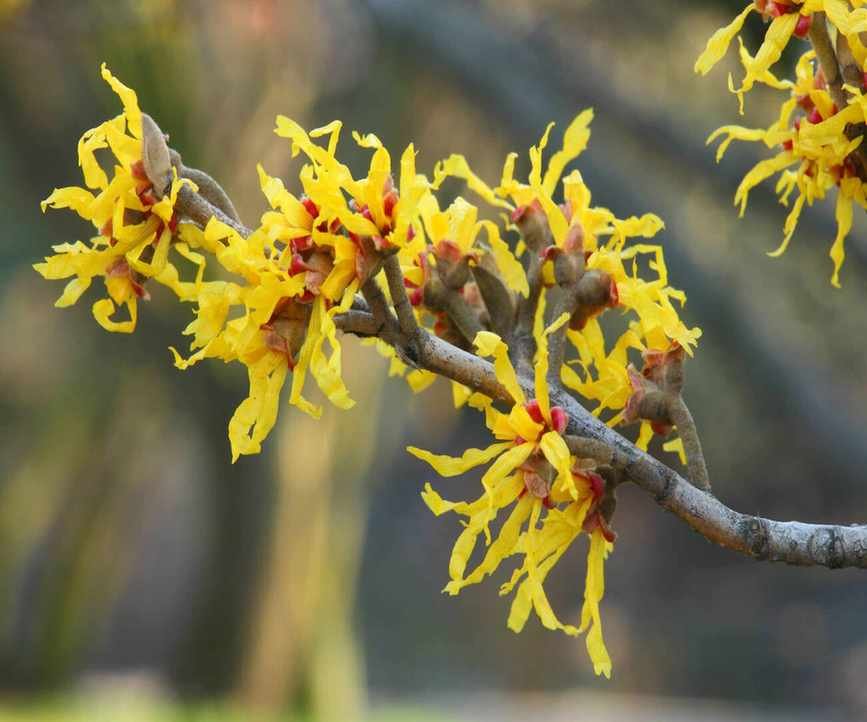
Instantly recognizable by its spidery blooms on bare branches, witch hazel signals the approaching spring. With a surprisingly strong spicy, citrus aroma, these slow-growing shrubs can eventually reach heights of 16ft.
When trained into trees, they create a breathtaking focal point in any garden, especially when planted with snowdrops and early crocuses. Their oval leaves also turn vibrant yellow and orange in the fall.
'I adore seeing my vernal witch hazel (Hamamelis vernalis) bloom at this time of year,' says Max Apton. 'Its crinkly, auburn-orange flowers are wonderfully fragrant. In Southern NY, we classify as zone 5, limiting our winter flower options.'

Max Apton owns two horticultural businesses. Sweet Clover Design specializes in landscape design, while Bedford Farms focuses on high-quality native plants. Both are located in Bedford, NY.
Winter flowering clematis
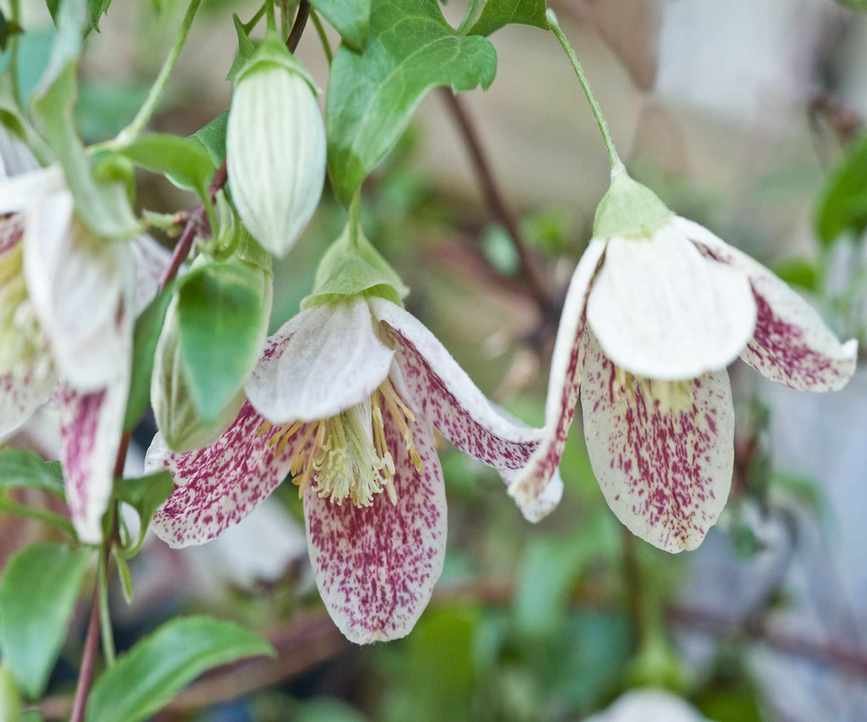
Some clematis varieties bloom beautifully in winter, providing both visual appeal and fragrance. Clematis urophylla 'Winter Beauty' features pure white, waxy flowers that emit a gentle scent from fall through March.
With deep green oval leaves, they create a stunning display when climbing up obelisks and trellises, supported by their twining leaf stalks.
Clematis 'Jingle Bells' offers cream blooms with a subtle citrus aroma, while Clematis cirrhosa var. purpurascens 'Freckles' stands out with its blush pink flowers streaked with plum, adding color and a delightful scent that intensifies in full sun. Fully hardy, it can reach heights of 13ft and widths of 3ft.
Sarcococca confusa
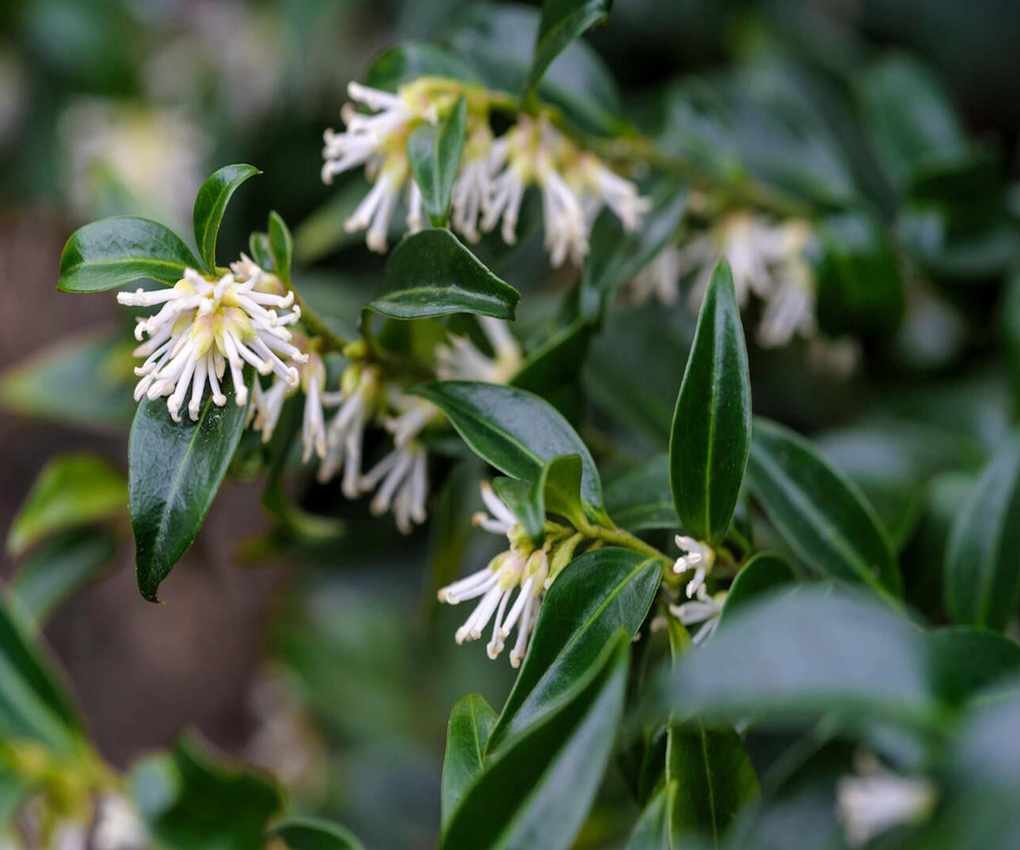
A resilient woodland beauty, sweetbox features dark, glossy green leaves with a lovely wave. These leaves stay on the plant year-round, but the real highlight is the starry white flowers that bloom midwinter.
Thriving in both acidic and alkaline soils, it can withstand drought conditions once established. Growing up to 3ft x 5ft over a decade, this plant is perfect for use as a low hedge or alongside pathways. Best suited for US Hardiness zones 7b to 10b.
Snowdrop 'Magnet'
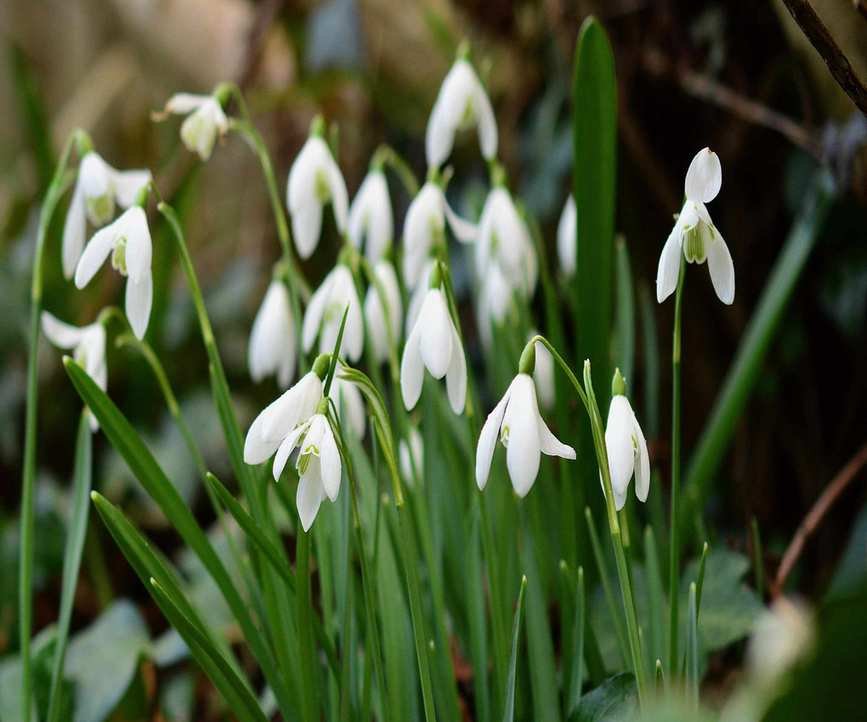
Snowdrop 'Magnet' is known for being the most fragrant variety. It features single white bell-shaped blooms atop slender stems, with green heart-shaped markings on the inner petals.
These flowers are quite addictive. Bulb expert Peggy Anne Montgomery notes, 'There are 20 species and over 1000 cultivars, and many gardeners become (addicted) collectors. Some snowdrops even bloom in the fall. The Galanthophiles gather in PA each year for the Galanthus Gala in March.'
When naturalized among grass or planted in mass with yellow winter aconites (Eranthis hyemalis) or early crocus, snowdrops create a charming display with their subtle fragrances.
'The first blooms of spring are precious because they signal the beginning of the growing season and the return of light,' Peggy Anne adds. 'These tiny flowers provide essential early pollen and nectar for pollinators, especially bees.'

Peggy Anne Montgomery has over 30 years of US and international experience in garden marketing and communications. She represents Dutch Royal Anthos, a trade organization for Dutch bulb growers and exporters in the US and Canada.
Viburnum × bodnantense 'Dawn'
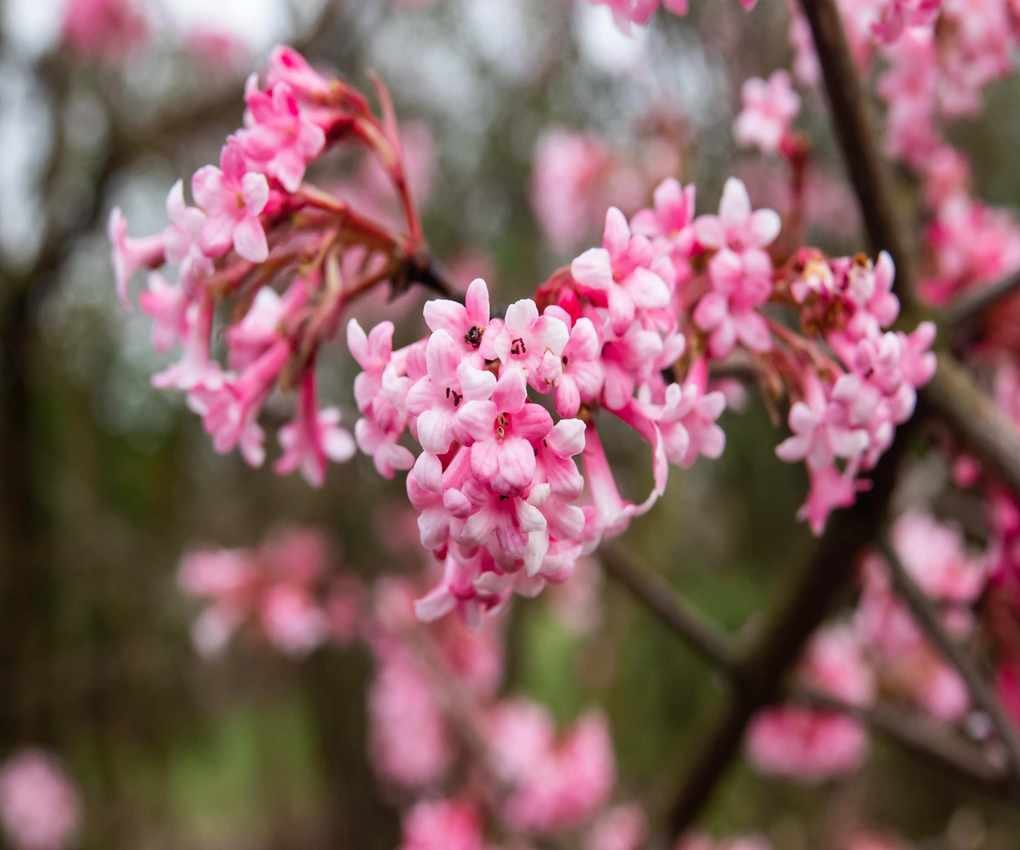
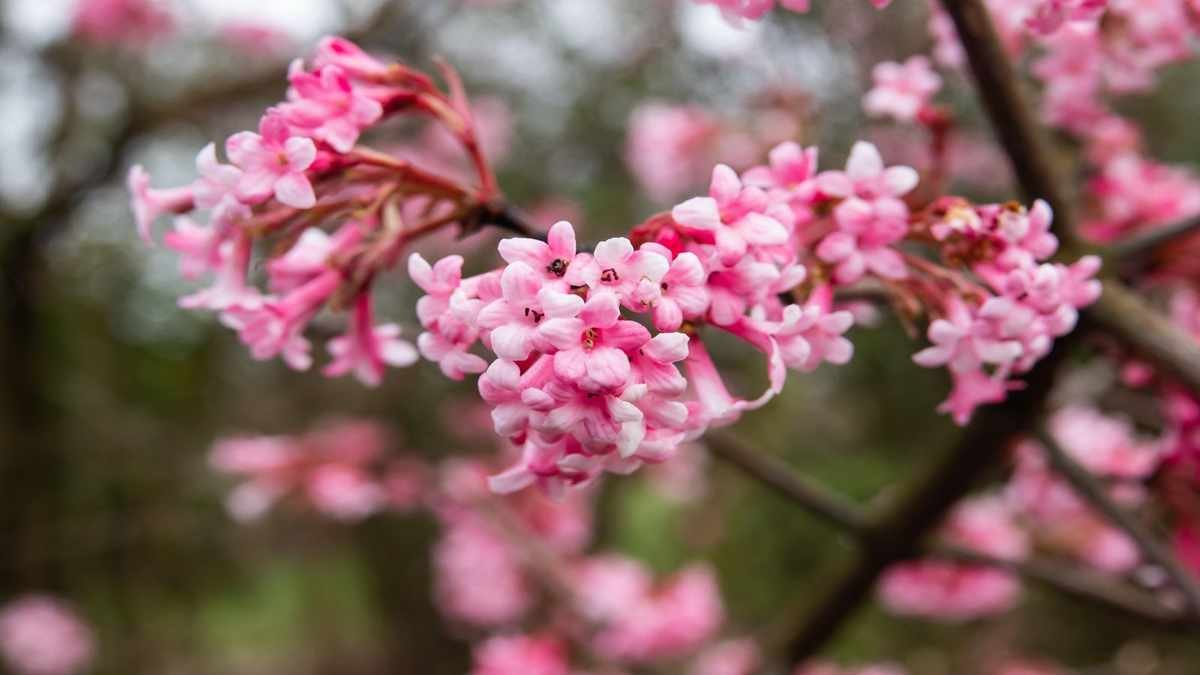
Also known as Arrowwood, this tall shrub produces clusters of white or deep pink blooms on bare branches from fall into early spring. With a rich honey-like fragrance, it's often the first plant you notice in the garden.
Thriving in full sun or partial shade, it adapts well to various locations and prefers well-drained soil. Ideal for borders or large containers, it can also be trained into an elegant hedge or decorative screen, flourishing in US hardiness zones 5-8.
Mahonia Charity
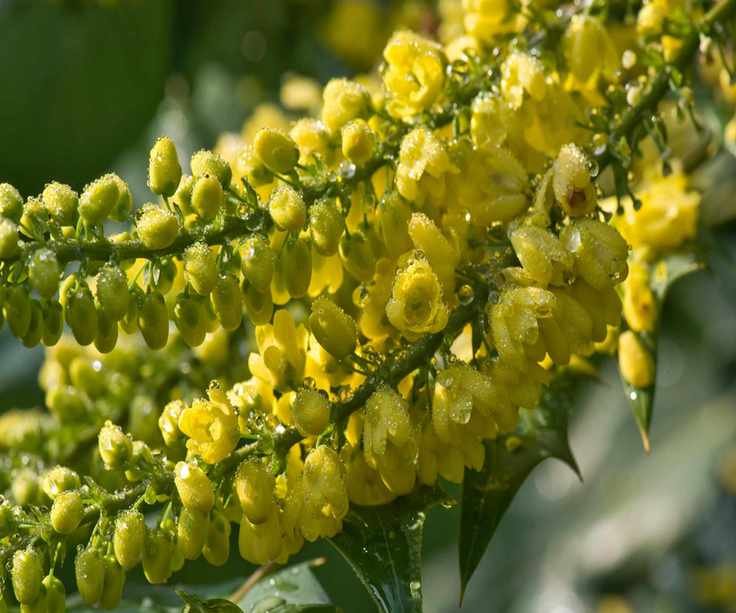
Mahonia is not only one of the best winter plants for containers and borders, but also highly aromatic, allowing its scent to be detected from afar. Its bright yellow flowers cluster on long panicles, creating a stunning contrast against its glossy, holly-like leaves.
With many varieties available, 'Winter Sun' is a favorite among gardeners for its impressive flower panicles and larger blooms compared to spring varieties.
Brent Wilson, co-founder of Wilson Bros Gardens, states, 'The flower panicles of 'Winter Sun' are significantly longer, and the individual blooms are slightly larger, making for a more impressive display than spring bloomers. Following the flowers, attractive grape-like clusters of robin egg-blue berries will delight birds.'
Thriving in full to partial shade, 'Winter Sun' can reach heights of 6 to 8 feet and widths of 5 to 7 feet.

Brent, along with his twin brother Brooks, established their nursery in 1989 in McDonough, GA, after a decade in the landscape design business. Brent is passionate about gardening and constantly seeks new plants to cultivate in his garden, which boasts over 3,500 plant varieties.
Chimonanthus praecox Wintersweet
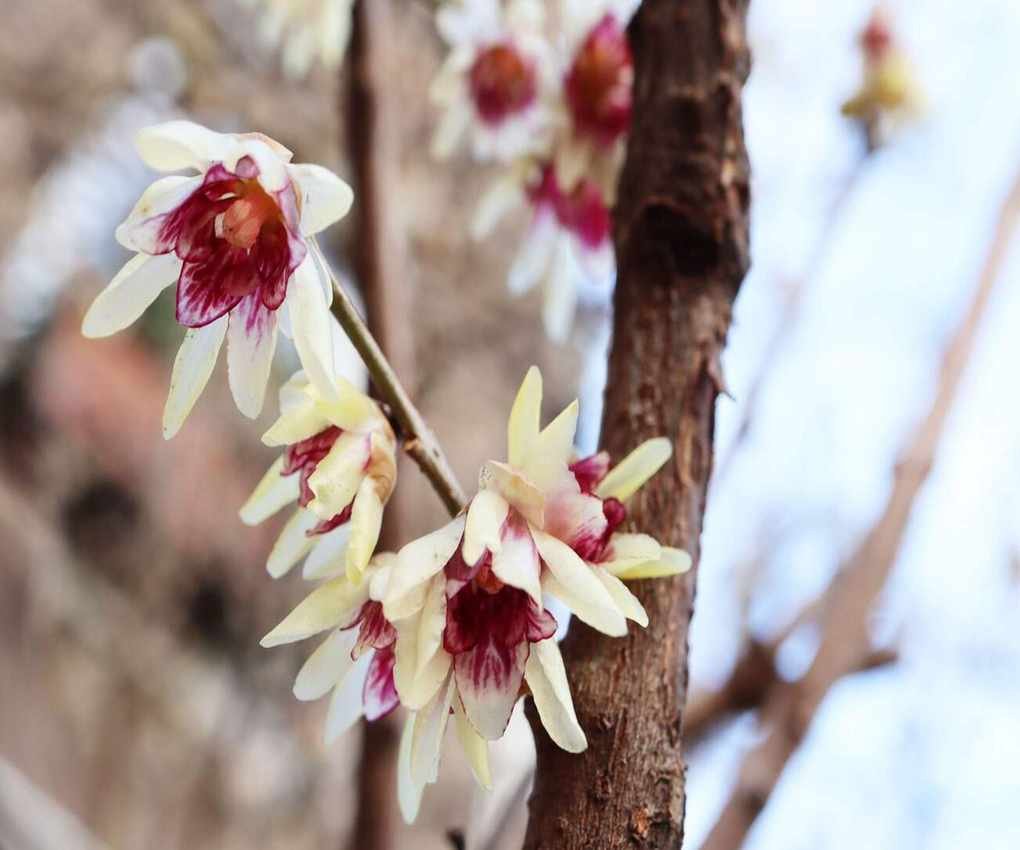
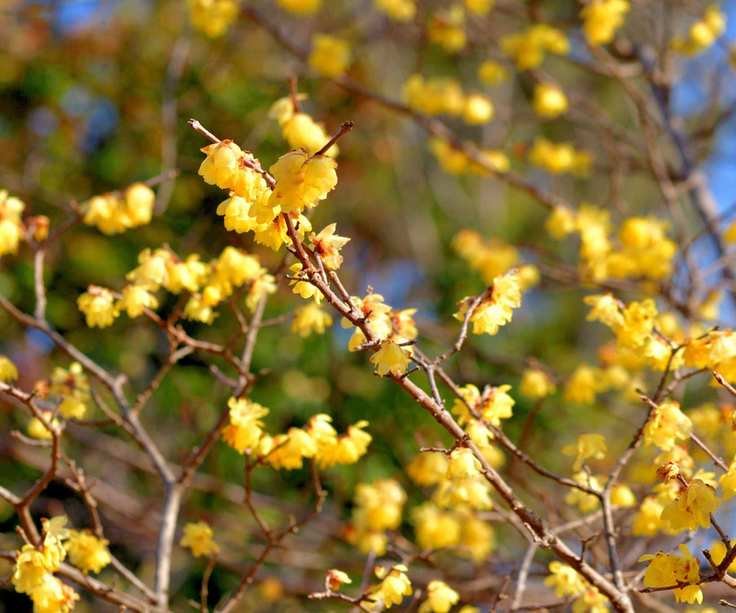
A standout winter shrub, wintersweet features waxy pale-yellow blooms in January that emit a delightful fragrance. These flowers appear on bare branches and are rich in essential oils, historically used in cosmetics, perfumes, and tea. Native to China, parts of this plant are known for their medicinal properties.
With glossy, oval leaves from spring to fall, this shrub is often overlooked throughout the year but deserves a place in the garden solely for its captivating winter aroma.
Adaptable to US hardiness zones 7 to 10, it flourishes in sun or partial shade, preferring well-draining soil. Expect it to mature to around 15ft in height and spread.
Lonicera x purpussi
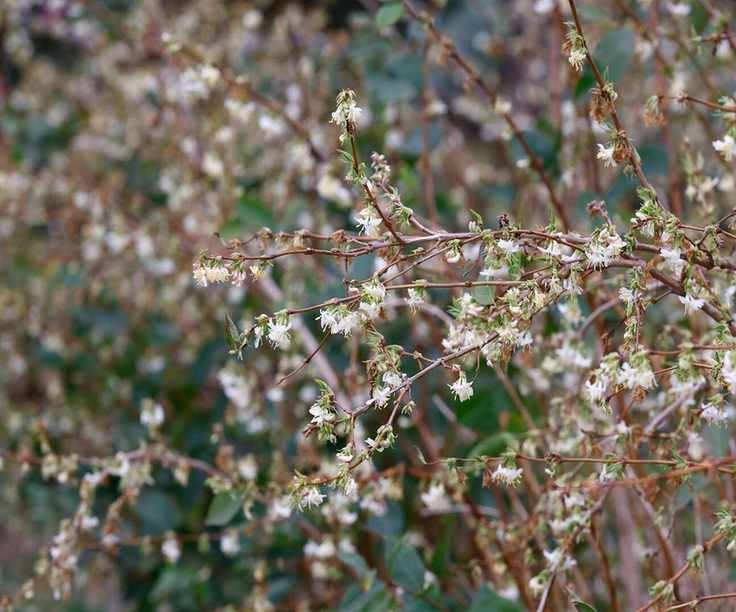
This small evergreen shrub is covered in fragrant, creamy-white flowers from winter to early spring. A favorite among bees, winter honeysuckle serves as a vital food source for pollinators emerging from hibernation. It can stand alone as a striking shrub or be trained against a trellis, wall, or fence.
Grow it in full sun or partial shade, expecting it to reach a height and width of approximately 8ft.
Skimmia 'Kew Green'
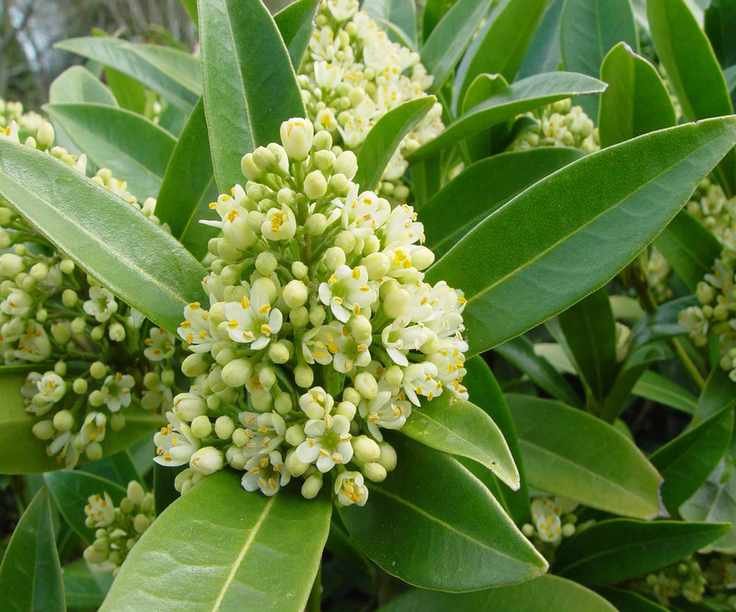
Perfect for brightening shaded borders and woodland gardens, skimmia produces clusters of small ivory blooms that begin as green-yellow buds. With a sweet yet slightly citrus scent, skimmia 'Kew Green' is distinct from the standard skimmia 'Rubella' with its festive red flowers.
Low-maintenance and evergreen, this compact shrub is ideal for planting on slopes or exposed areas, provided the soil remains moist but well-drained. Expect this slow-growing plant to reach heights of 3ft and widths of 5ft over 10-20 years. Its rich, glossy green leaves are also aromatic when crushed.
FAQs
Are there any indoor winter flowers to plant for scent?
Numerous fragrant spring bulbs can be forced to bloom indoors during winter. Paperwhite narcissus and prepared hyacinths are popular, along with amaryllis, some of which offer a lovely vanilla fragrance.
Planting winter flowers for scent encourages outdoor enjoyment, even on the dreariest days. Consider reimagining your garden with these design ideas for a vibrant winter landscape.