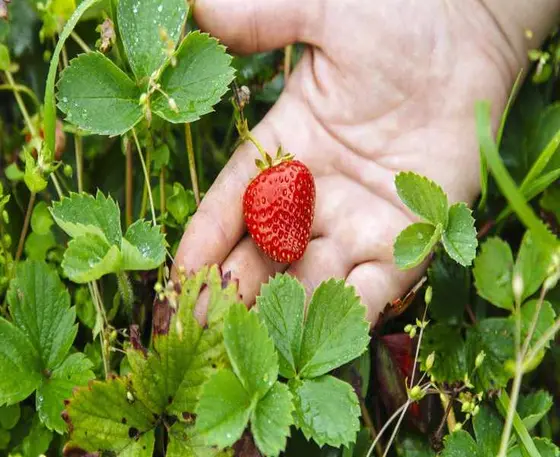
In an ideal world, I'd have a vibrant vegetable garden filled with tomatoes, greens, and herbs. However, living in a Portland apartment with limited outdoor space has forced me to get creative with my gardening plans.
The great news is that herbs are quite forgiving. You don't need a sprawling backyard to cultivate them. A single planter on a balcony, a few pots by the kitchen window, or a small patch in a garden can yield an abundance of fresh herbs. Once you start incorporating homegrown herbs into your meals, it's challenging to revert to store-bought. Just imagine tossing some basil into pasta or adding mint to refreshing drinks—it elevates everyday dishes.
If you're eager to grow herbs in your home, here are five of the simplest options to start with, whether you have a backyard, a balcony, or a sunny kitchen window.

Top Herbs to Cultivate at Home in Limited Space
When starting your herb garden, it's essential to select varieties that are easy to care for and that you enjoy using in your meals. These five herbs are versatile, beginner-friendly, and suitable for different planting options.
Basil
Basil is a quintessential summer herb. It thrives in warm conditions and grows rapidly, allowing for frequent harvesting throughout the season.
Best for: Outdoor garden beds or sunny planters
How to use it: Basil is most delicious when fresh. Use it in pesto, caprese salads, sandwiches, or mix it with pasta dressed in olive oil and tomatoes.
Recipe ideas:
- Caprese Salad with Strawberries
- Vanilla Panna Cotta with Strawberries and Basil
- Summer Spaghetti with Tomatoes, Burrata, and Basil
Mint
Mint is one of those herbs that tends to flourish a bit too enthusiastically. It can spread rapidly in a garden, which is why many prefer to grow it in containers. The bonus? Once it establishes roots, you'll have an abundance of mint.
Best for: Outdoor pots or planters
How to use it: Mint brightens beverages and salads. I love adding it to sparkling water with citrus, mixing it into grain bowls, or using it in sauces like tzatziki.
Recipe ideas:
- Lime Chicken Tacos with Jicama and Mint
- Grilled Zucchini with Chile Mint Vinaigrette
- Pea Salad with Mint and Microgreens
Rosemary
Rosemary is among the most durable herbs you can grow. Its woody nature allows it to thrive for years with minimal care once it's established.
Best for: Backyard plots or large outdoor pots
How to use it: Rosemary is fantastic when cooked, enhancing roasted vegetables, marinades, or used to infuse olive oil.
Recipe ideas:
- Roasted Cauliflower and White Bean Soup with Rosemary
- Rosemary-Apple Zucchini Bread with Ginger
- Roasted Honeynut Squash with Hot Honey, Pecans, and Rosemary
Cilantro
Cilantro can elicit mixed feelings—some adore it, while others dislike its flavor. If you're in the first group, it's one of the most beneficial herbs to grow.
Best for: Small garden beds or outdoor planters
How to use it: Cilantro is best added fresh at the end of cooking. It's perfect sprinkled over tacos, grain bowls, soups, or hummus.
Recipe ideas:
- Green Chutney
- Roasted Cauliflower Tacos with Cilantro Pesto
- Sheet Pan Chicken with Japanese Sweet Potatoes & Tahini Drizzle
Dill
Dill has a fresh, spring-like quality. It pairs wonderfully with vegetables, fish, and creamy sauces.
Best for: Garden beds or sunny windows
How to use it: Chop dill into yogurt sauces, sprinkle over roasted potatoes, or incorporate into salads and seafood dishes.
Recipe ideas:
- Roasted Cauliflower with Garlic Tahini, Chimichurri, and Dill
- Smoked Salmon Breakfast Bowl
- Fennel Salad
Tips for Growing Herbs at Home in Any Space
If you have a garden: Position herbs along the edges of raised beds or with vegetables. Most herbs thrive in full sunlight and well-drained soil.
If your outdoor space is limited: A single planter can accommodate several herbs. Basil, mint, and cilantro do particularly well in pots.
If you're growing indoors: Select a sunny window and pots with drainage. Basil, mint, and dill generally adapt well to indoor conditions.
Final Thoughts
Start with one or two herbs you frequently use. Once you realize how simple they are to grow, you'll find it hard to resist expanding your collection.
This post was last updated on March 21, 2026, to include new insights.