For many, skin care offers a comforting daily ritual for self-care; for others, it can feel like just another chore. This is why multifunctional skin care products are becoming increasingly popular—products that combine functions like moisturizing and sun protection or anti-aging with acne treatment.
At first glance, these products appear to save time and streamline routines. However, we've all experienced letdowns from products that promise too much but fail to deliver effectively. Think of those shampoo-conditioner combos that leave hair wanting.
So, do these multi-purpose skin care products truly perform as well as individual, specialized items? Let's dive into that question.
Effectiveness of Multifunctional Skin Care Products
The short and somewhat frustrating answer is that it varies. Multi-purpose products can indeed be as effective as using several distinct items, but not all meet that mark. Quality and effectiveness differ across products, making it essential to evaluate each one individually.
Don't worry, I won't just leave you with that vague answer. There are ways to determine if a multifunctional product lives up to its claims.
Assessing the Effectiveness of Multifunctional Skin Care Products
Every individual's skin is unique, making it impossible to guarantee a product will work for everyone. However, several strategies can help you gauge whether a product is likely to fulfill its promises.
Examine the Ingredients
Skin care items are classified as cosmetics, meaning their claims aren't strictly regulated. This allows brands to assert various benefits. A practical approach is to scrutinize the ingredients list. Check for components that align with the product's intended functions. For instance, if it claims to moisturize and combat acne, ensure it contains both moisturizing and acne-fighting ingredients.
Here's a quick reference for key ingredients based on common skin care functions:
Moisturizing:
- Hyaluronic acid
- Lactic acid
- Glycerin
- Sodium lactate
- Urea
- Aloe
- Shea butter
- Squalene
- Petrolatum
- Beeswax
- Dimethicone
- Ceramides
- Niacinamide
Wrinkle reduction and firming:
- Retinol
- Vitamin C
- Ceramides
- Peptides
Dark spot reduction:
- Hydroquinone
- Vitamin C
- Retinoids
- Kojic acid
Acne treatment:
- Salicylic acid
- Benzoyl peroxide
- Alpha hydroxy acids (AHAs)
- Azelaic acid
- Vitamin C
- Sulfur
- Tea tree oil
- Adapalene

Look for Research Support
Does the brand provide any research backing its product claims? While it's not essential, many reputable brands showcase findings from clinical studies, which can offer some reassurance. You can typically find this information on the product page of the brand's website.
Check Customer Reviews
When assessing a product's efficacy, customer experiences can be invaluable. Seek out reviews on independent sites that sell various brands, as these platforms typically don't have a vested interest in promoting one over another.
However, there are some considerations when reading reviews. Since everyone's skin is different, a product that worked for one person may not work for you, and it often takes time to see results. Additionally, newer products may have limited reviews initially.
Consider Brand Reputation
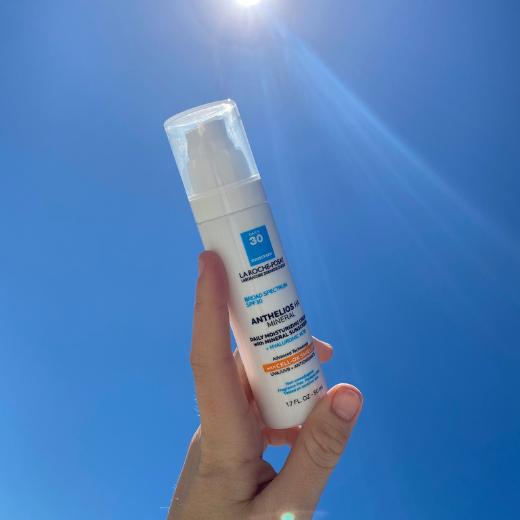
Quality varies among skin care brands. Some have built a solid reputation for high-quality products that deliver on their promises, while others fall short. When shopping for multi-purpose skin care products, it's wise to lean toward established brands known for their reliability, such as La Roche-Posay's moisturizing sunscreen.
Testing Multi-Purpose Skin Care Products
The tips mentioned can guide you in selecting effective multifunctional skin care items. Ultimately, the only way to determine if a product works for you is to give it a try. The payoff could be significant, providing you with improved skin health and a more efficient routine.