
For optimal gut health, incorporating probiotics into your diet is crucial. These tiny yet powerful bacteria are vital for digestion and overall wellness, ensuring your digestive system remains balanced. Without probiotics, issues like bloating can become prevalent. The best way to sustain these beneficial microbes is by consuming probiotic-rich foods. Discover the essentials of probiotics and the top natural sources to integrate into your meals.
Importance of Gut Health
Gut health is essential for our overall wellness. Our digestive system harbors trillions of microorganisms that play a key role in our bodily functions. When digestion and nutrient absorption falter, it can lead to organ dysfunction. Conversely, maintaining a healthy gut through a balanced diet and lifestyle choices can significantly impact your health, protecting against chronic diseases. By nurturing your gut, you'll also enhance your mental well-being and immune system.
Understanding Probiotics
Let's explore probiotics! These beneficial bacteria are vital for maintaining gut health, directly influencing digestion, cognitive abilities, nutrient absorption, and immune response. While our bodies naturally contain these microbes, we can also obtain them from our dietary choices.

Think of Your Gut as a Garden
Probiotics are essential for keeping your gut balanced. They help prevent harmful bacteria from proliferating. Visualize your gut as a garden: probiotics are the healthy plants that compete against weeds (bad bacteria), fostering a nourishing environment. By adding probiotic-rich foods like yogurt, kefir, and sauerkraut to your diet, you promote a thriving gut microbiome—leading to better digestive health.
How Probiotics Function
Probiotics work by competing with harmful bacteria, producing substances that inhibit pathogenic organisms. This dynamic helps maintain digestive balance. Plus, probiotics can boost immune responses, enabling your body to effectively combat infections and lower inflammation.
Daily Probiotic Intake: How Much is Enough?
Your daily probiotic needs can vary based on the strain and your health status. Generally, health experts suggest aiming for at least 1 billion CFUs daily. Probiotic foods and supplements typically contain 1-10 billion CFUs per serving. For instance, kefir has about 15-20 billion CFUs, while yogurt contains around six billion. It's rare to worry about overdosing on probiotics from food sources, but high doses from supplements could lead to mild side effects like gas or bloating. Always consult your healthcare provider before altering your probiotic regimen.

Probiotic-Rich Foods vs. Supplements
Your probiotics can come from foods or supplements. But which option is better? It depends on your preferences and health needs. Here's a comparison:
Probiotic Foods
Advantages:
- Nutrient-dense. Foods like yogurt, kefir, and sauerkraut are packed with probiotics while also offering essential nutrients such as vitamins and fiber.
- Natural sources. Probiotic foods provide a diverse range of strains compared to many supplements.
- Better absorption. The presence of other nutrients in these foods aids in the absorption of probiotics.
- Culinary diversity. Enjoying probiotic foods can enhance your meals with unique flavors and textures.
Disadvantages:
- Taste preferences. Some probiotic foods have strong flavors that may not appeal to everyone.
- Consistency. It can be challenging to consume enough probiotic foods daily, especially when traveling.
- Dietary limitations. Dietary restrictions can limit your options for including probiotic foods.
Probiotic Supplements
Advantages:
- Convenience. Supplements are easy to incorporate into your daily routine without food prep.
- Accurate dosage. They provide a precise amount of specific probiotic strains, making it simpler to meet daily requirements.
- Diverse strains. Quality supplements may contain multiple strains tailored for specific health goals.
Disadvantages:
- Less nutritional value. Supplements lack the additional nutrients found in probiotic foods.
- Cost. Quality probiotic supplements can be expensive.
- Quality differences. The effectiveness of supplements varies by brand, so choose wisely.
Which is Best?
For many, a mix of both is ideal. This allows you to reap the nutritional benefits of probiotic foods while using supplements to address specific health needs. Feel free to focus solely on food sources for a holistic approach, or include supplements for convenience and targeted benefits.

8 Probiotic Foods to Add to Your Diet
Here are some popular probiotic foods to consider incorporating into your meals:
1. Yogurt
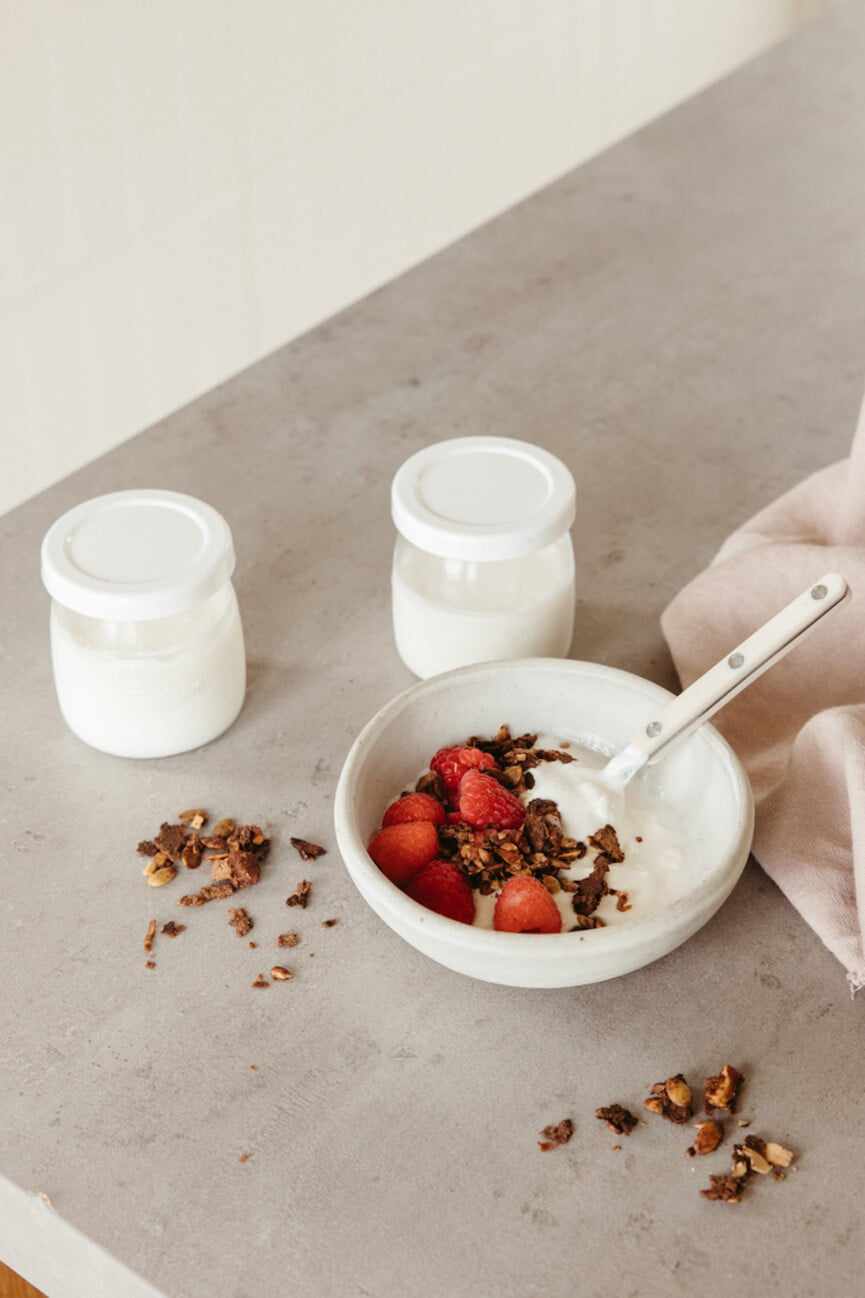
A widely favored probiotic source, yogurt is created by fermenting milk with live cultures. When shopping, choose plain organic or pasture-raised options. If dairy doesn't sit well with you, consider A2 yogurt, goat's milk yogurt, or unsweetened coconut yogurt.
2. Kefir
Kefir is a fermented drink similar to yogurt, but thinner in consistency. It contains more probiotics than yogurt and is generally lactose-friendly due to the fermentation process.
3. Sauerkraut
This fermented cabbage dish has been around for over 2,000 years and is packed with probiotics and vitamin C. Low in calories yet high in fiber, it's a healthy addition to many savory dishes.

4. Kimchi
Kimchi, a traditional Korean dish, is made by fermenting seasoned vegetables, primarily cabbage and radishes, with spices.
5. Miso
This Japanese fermented soybean paste adds umami flavor to soups and dressings while supporting digestive health and adding antioxidants to your meals.
6. Fermented Pickles
Not all pickles are created equal. For health benefits, choose fermented dill pickles made with salt, avoiding those made with vinegar.
7. Tempeh
This fermented soybean product has a nutty flavor and firm texture. High in protein and nutrients, tempeh can be grilled, stir-fried, or used in various dishes.
8. Buttermilk
Traditional buttermilk is rich in probiotics, lactose-friendly, and offers essential nutrients like calcium and potassium.
30 Simple Delights to Add to Your June Calendar