

Improving energy efficiency is crucial for homeowners, especially with rising energy costs and growing environmental concerns. Many are prioritizing methods to reduce energy consumption in their homes.
One effective way to enhance your home's energy efficiency and drastically lower energy costs is by installing energy-efficient windows. These windows are engineered to maintain a comfortable temperature indoors, keeping your home cooler in the summer and warmer in the winter, which minimizes the need for excessive heating and air conditioning.
We consulted with energy specialists to explain why now is an excellent time to switch to energy-efficient windows in your home.
Understanding Energy-Efficient Windows and Their Cost-Saving Benefits
According to a study conducted by the US Department of Energy, windows are responsible for 25% to 30% of the energy used for heating and cooling in residential buildings. In simple terms, upgrading to energy-efficient windows is a straightforward way to decrease your energy bills quickly.
Defining Energy-Efficient Windows
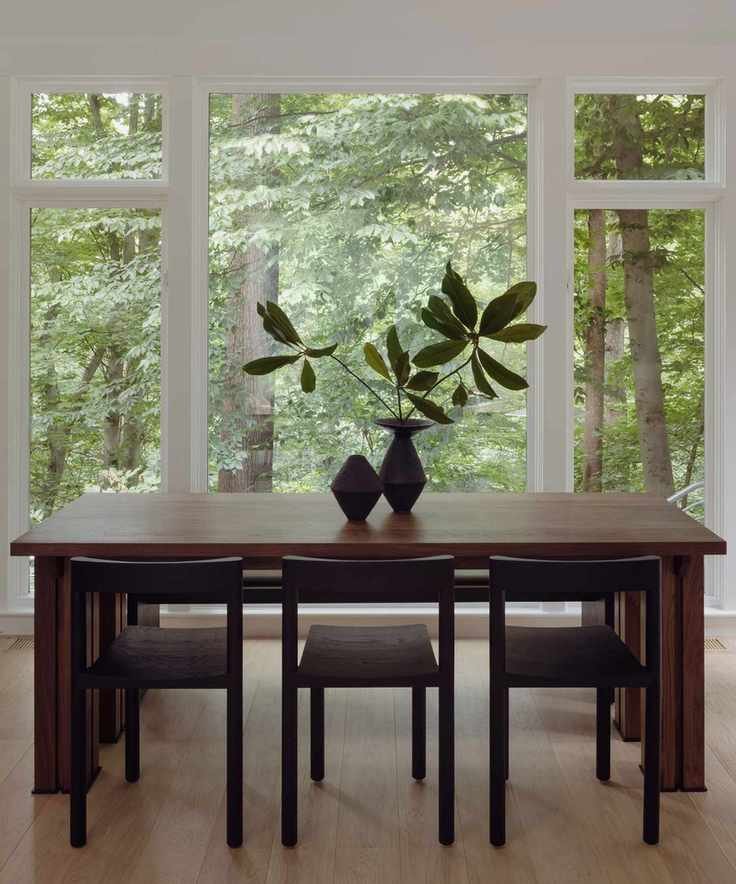
According to David Miloshe, an electrician and home improvement expert, "Energy-efficient windows come with features and technologies that improve insulation, limit air leaks, and block or reflect unwanted solar heat." Here are the key features that contribute to their energy efficiency:
1. Low-Emissivity (Low-E) Glass
Low-emissivity (Low-E) coatings are thin, invisible layers applied to the glass surface. These coatings regulate the amount of infrared and ultraviolet light that penetrates the window, helping to retain heat during winter and keep it out during summer.
Low-E coatings help maintain a comfortable indoor climate while reducing reliance on heating and cooling systems.
"These windows are especially helpful in regions with high outdoor temperatures or in sunlit rooms, as they significantly decrease the need for cooling systems," advises Misrraim Cardenas, CEO at Portella.
If you're looking for a quick solution, UV heat control window treatments, such as this option from Walmart, can offer some heat transfer control.
2. Framing Materials
Energy-efficient windows typically incorporate thermal breaks, a technology that minimizes heat transfer.
"Thermal breaks consist of insulating materials positioned between the interior and exterior frames, which significantly reduce heat or cold transfer through the frame, thereby enhancing overall insulation," explains David Miloshe. This technology helps maintain a stable indoor temperature, making heating and cooling systems more efficient.
3. Double or Triple Glazing
Many energy-efficient windows feature double or triple glazing, which involves multiple glass layers functioning as insulation. Furthermore, the space between the panes is often filled with inert gases like argon or krypton, which have lower thermal conductivity than air, effectively reducing heat transfer.
4. Air Leakage Prevention
Energy-efficient windows are crafted with tight seals and specialized materials to minimize air leakage, preventing drafts and supporting a stable indoor temperature.
Effective sealing can decrease the amount of heating or cooling that must be generated.
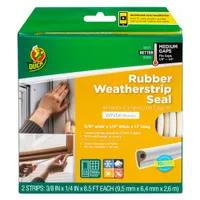
Duck Brand Weatherstrip Seal | $5.98 from Amazon
Properly sealed windows block air leaks, preventing heat loss or gain. Some energy-efficient windows incorporate advanced locking systems to create a tighter seal when closed. However, if your existing windows require better sealing, weatherstripping can be an affordable alternative.
How Energy-Efficient Windows Help Lower Energy Expenses
David Miloshev explains, "Energy-efficient windows significantly reduce heat transfer between the interior and exterior of a building compared to traditional windows. This helps maintain a more stable indoor temperature throughout the year, lowering the demand for heating and cooling systems."
In winter, they prevent cold air from infiltrating your home and escaping through the windows. This heat-retaining tip for keeping your house cozy will help you avoid setting a higher temperature on your thermostat.
In summer, energy-efficient windows maintain a cool environment by preventing the escape of cool air or the entry of hot air through the windows, thus reducing your dependence on air conditioning systems.
Are Energy-Efficient Windows Worth the Investment?

While energy-efficient windows may have a higher initial cost than standard windows, the long-term savings on energy bills make them a worthwhile investment.
By enhancing insulation, energy-efficient windows alleviate the burden on heating, ventilation, and air conditioning (HVAC) systems. This can prolong the life of these systems and lower maintenance expenses.
Besides saving you money, energy-efficient windows can also help decrease greenhouse gas emissions and create a smaller carbon footprint.
To choose the ideal windows for your home, consider estimating the return on investment (ROI) of energy-efficient windows based on your potential energy savings.
When searching for energy-efficient windows, look for options that carry high Energy Star ratings or certifications from reputable organizations to ensure optimal performance and savings.