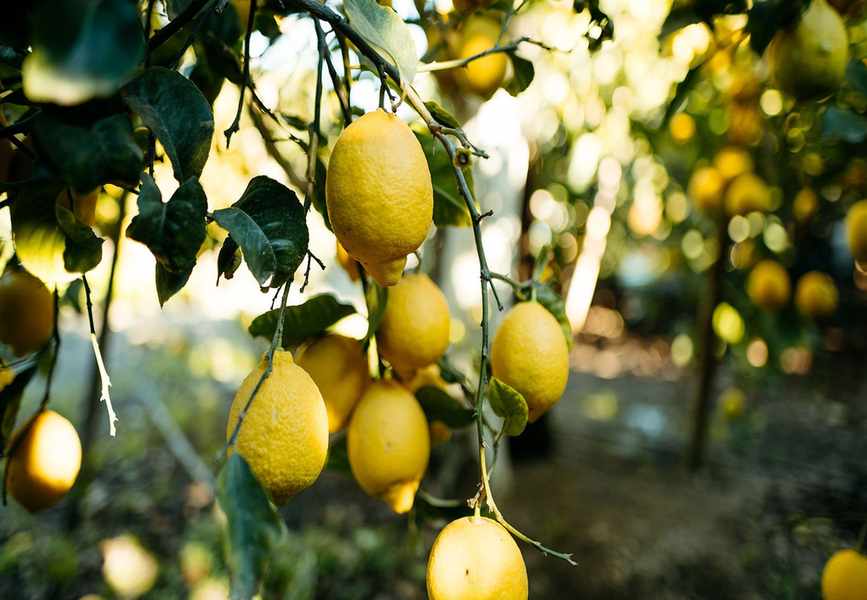
Citrus trees thrive as small to medium, frost-sensitive beauties known for their fragrant blossoms and tangy fruits like oranges, lemons, limes, and grapefruits. With a naturally bushy crown, many species feature sharp spines that can catch you off guard during harvest. Their oval, aromatic leaves range from mid to dark green, releasing delightful scents when crushed.
These trees are bee-pollinated and self-fertile, eliminating the need for different varieties to produce abundant crops. Fruits take about six to eight months to mature and can stay fresh on the tree for weeks. A mature citrus tree outdoors can yield around a hundred fruits annually, making it unnecessary to have more than one of each variety.
For those in cooler climates, citrus trees can be grown in pots, allowing for easy relocation to sheltered areas during winter. Hardiness depends on both the variety and the rootstock. In greenhouses or conservatories, citrus can thrive in zones 8 and below.
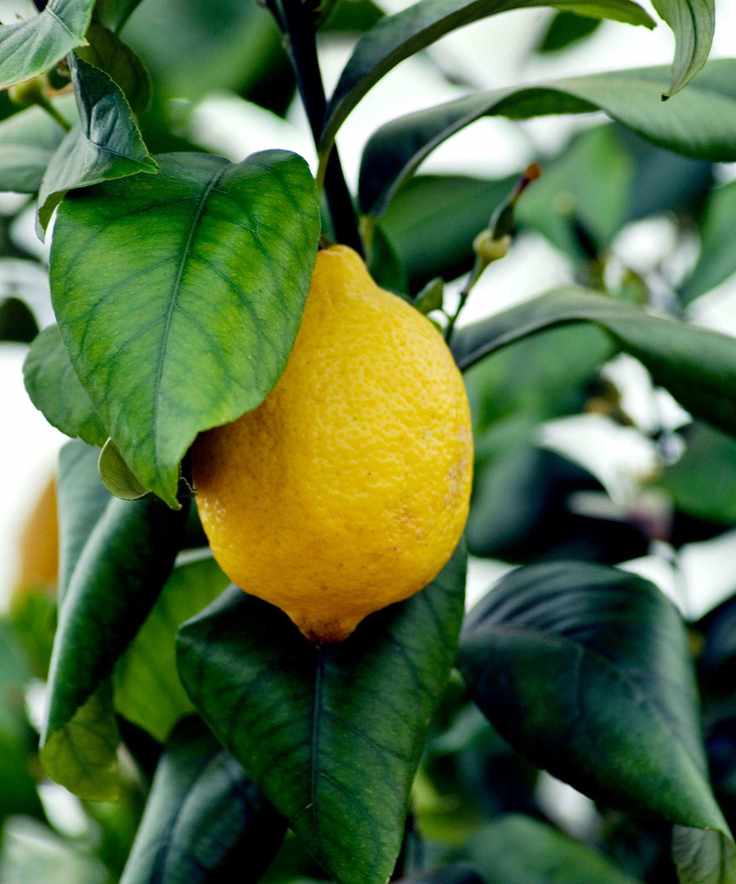
In warmer climates, citrus trees can be planted directly in the ground
Citrus Tree: Key Facts
- Plant type: Evergreen shrub or small tree with flowers and fruits
- Mature size: Up to 20ft, occasionally larger
- Soil type: Rich, fertile, well-drained or in pots
- Soil pH: Neutral to acidic
- Best planting time: Spring
- Flowering time: Spring and summer
- Fruiting time: Summer, fall, winter
- Flower color: White, sweet-smelling
- Hardiness zone: USDA Z9
- Scientific name: Citrus
- Common names: Grapefruit, lemon, lime, orange, etc.
Types of Citrus Trees and Shrubs
Citrus trees can be cultivated by gardeners across many regions. Experts note that those in Zone 10 can see them grow 6-10ft tall in the ground. In other areas, container growth is best, keeping the height around 4-5ft. During warmer months, containers can be moved to sunny, wind-protected spots and brought indoors before frost.
- Grapefruits (Citrus x paradisi): Large fruits, up to 6in across, with yellow skins and red, pink, or white flesh.
- Kumquat (Fortunella species): Not a true citrus but closely related, kumquats are adaptable and tolerate cold and heat well.
- Lemons (Citrus limon hybrids): Pale yellow fruits, 2.5-4in long, known for their aromatic skin and highly acidic juice.
- Limes (Citrus aurantiifolia hybrids): Fruits measuring 1.5-2.5in across, starting green and ripening to pale yellow with acidic juice.
- Mandarin oranges (Citrus reticulata): Includes tangerines and clementines, with easy-peeling orange fruits up to 4in across.
- Sour oranges (Citrus aurantium): Smaller trees with rough, bitter fruits up to 3in, often used for marmalade.
- Sweet oranges (Citrus reticulata hybrids): Rounded fruits up to 4in, featuring thick skin and sweet juice; includes 'Valencia' and navel varieties.
- Shop citrus plants at Amazon
- Shop citrus plants at Fast Growing Trees
- Shop citrus plants at Nature Hills
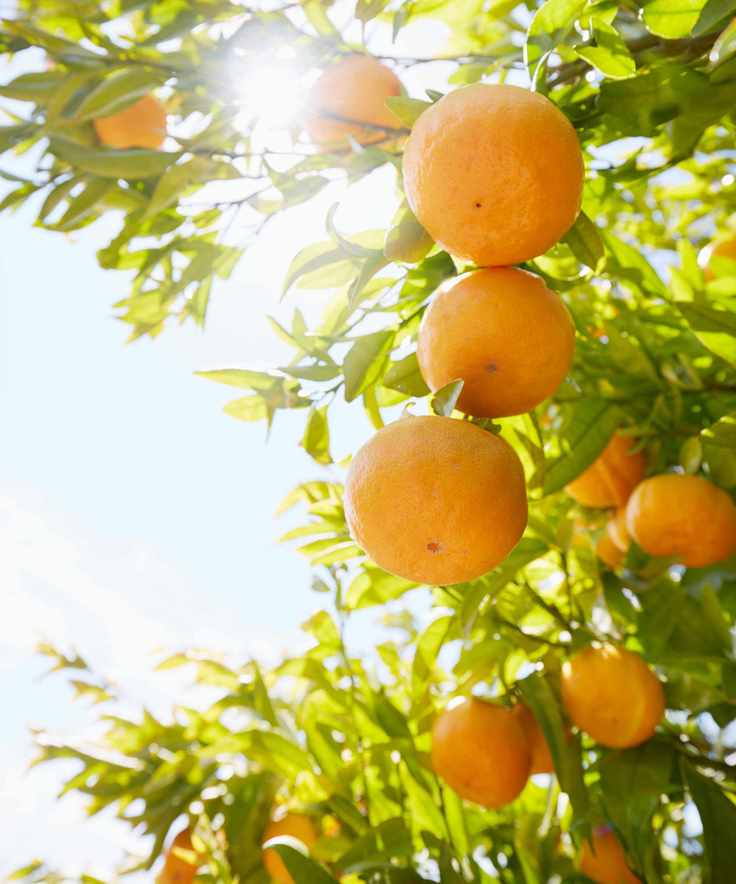
Mandarin oranges thrive in sunny environments
Choosing the Right Citrus Tree for Your Yard
Selecting a citrus variety is straightforward: do you prefer oranges, lemons, or limes? Consider factors such as tree size, fruit characteristics, thorn presence, and other unique traits.
Climate and hardiness zone play critical roles. Citrus generally thrive in USDA Z9; in Z8, some may survive while others could suffer damage. Certain varieties exhibit more cold tolerance.
Specialty nurseries may provide cold-hardy varieties with the ability to withstand temperatures as low as 10°F, but not for extended periods or in wet conditions. Local extension services can advise on the best options for your region.
Optimal Growing Conditions for Citrus
Citrus can adapt to various soil types but should not be planted in overly wet areas. Slightly acidic soil with a pH between 5.5 and 6.5 promotes the best growth.
Full sun is essential for healthy trees, though in warmer zones, around eight hours of sunlight can suffice. In cooler climates, choose sheltered spots to protect from cold winds. Some varieties may have specific needs.
In zones 5-8, citrus can flourish indoors in sunrooms or enclosed porches. For those in colder zones, summer outdoor growth is possible, but trees must be moved indoors before frost. Good air circulation is vital, so avoid planting near walls or fences.
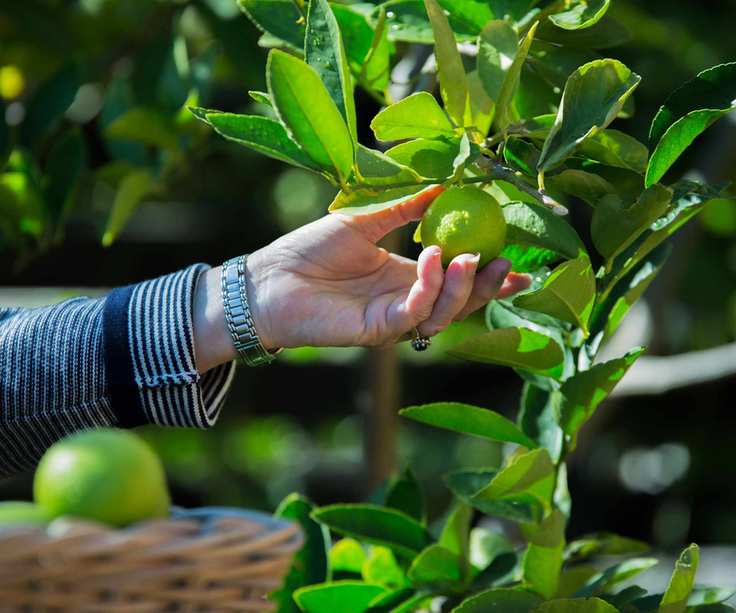
Ensure your citrus trees are situated in sunny spots for optimal growth
Planting Citrus Trees
Spring is the best time to plant citrus outdoors after the last frost. Improve poor soils with organic matter. Spacing should reflect the mature size of selected varieties, and usually, a single tree of each type will suffice due to their heavy cropping.
Citrus trees can live for many years, so invest time in soil preparation. Avoid damaging roots during planting.
In windy areas, support young trees with short stakes and apply a weed-free mulch to suppress weeds and retain moisture. Monitor watering closely in their initial years to prevent drought stress.
Citrus Care Essentials
Citrus often thrive with minimal care, yet regular fertilization, pruning, mulching, and watering during dry spells can enhance yield.
Use a fertilizer specifically designed for citrus and follow guidelines on when to apply. Granular options like Citrus-tone (available at Amazon) is ideal for ground-planted trees, while liquid fertilizers like Miracle-Gro are suitable for potted plants.
While some citrus require regular pruning, others thrive without it. Always check nursery guidance for pruning schedules specific to your variety.
Watering is crucial during dry spells. Signs of drought stress include leaves curling inward. For proper watering techniques, keep the soil consistently moist by watering when the top two inches dry out. Drip irrigation systems work well for potted citrus. Yellowing leaves can signal overwatering, so balance your watering practices.
Most citrus varieties are self-fertile, producing fruit without needing another tree nearby. However, yields can improve with a second variety within bee range.

Pruning certain citrus trees can boost fruit production
Indoor Citrus Growing
Citrus trees make wonderful indoor plants but can grow large. They thrive in bright locations, preferably south-facing windows or sunrooms. In northern regions, grow lights may be necessary for adequate light exposure.
Maintain daytime temperatures around 65°F, dropping to 55-60°F at night. Move indoor citrus outside during summer. Keep the potting soil moist and feed with liquid citrus fertilizer during spring and summer. Avoid leaving excess water in saucers to prevent root rot.
If you want to grow a lemon tree indoors, consider the 'Meyer' lemon (available from Fast Growing Trees), known for its minimal thorns and versatility for indoor growth. This variety produces fruit year-round, though its skin is thin. The calamondin orange (also from Fast Growing Trees) is another great indoor option, but be patient with the fruit maturation process.
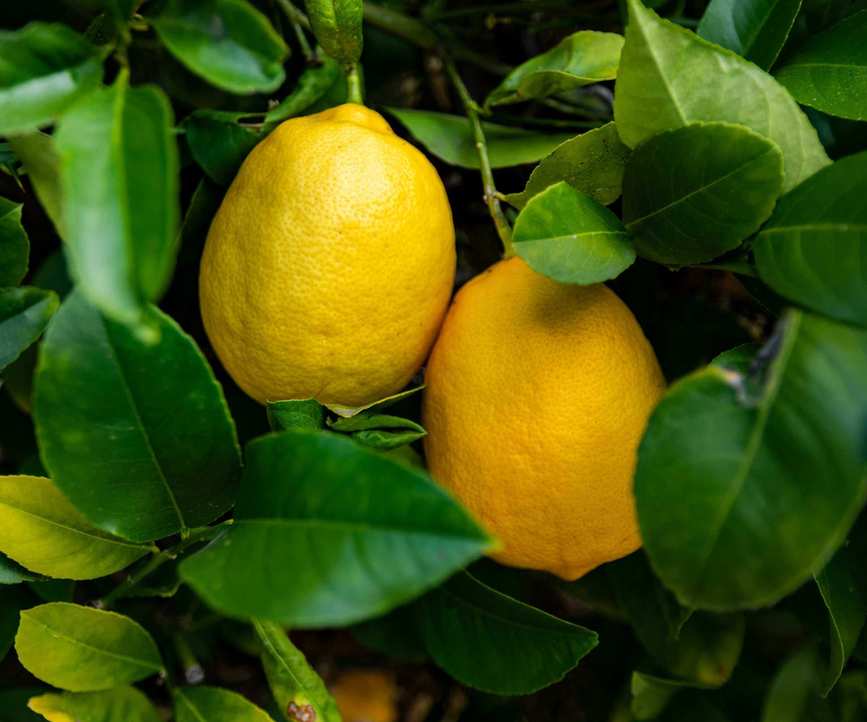
Meyer lemon trees are ideal for indoor pot cultivation
Propagating Citrus Plants
You can propagate citrus plants in three ways. Seed propagation is enjoyable but can take years for fruit production. Results may vary in fruit quality, size, and plant growth.
Citrus can also be propagated through cuttings, though this method may be restricted in some states due to disease prevention measures. Always consult local regulations.
Grafting is another common method, involving joining a shoot from a desirable variety to a suitable rootstock for quicker fruiting and adaptability to different soil types. This technique is best left to experienced gardeners.
Growing Citrus from Cuttings
If allowed in your area, here's how to grow citrus from cuttings:
- Begin in early to mid-summer by snipping off shoot tips with three to five leaves. Trim the lower leaves, leaving two at the tip, and cut just below a leaf joint.
- Dip the cutting base in rooting hormone (available at Amazon) and place each in plant cells or four per 4in pot filled with moist seed starting mix.
- Water and cover with a clear plastic lid. Mist cuttings three to four times daily for better rooting success.
- Position pots in a bright area indoors (or outdoors in the warmest locations) but avoid direct sunlight.
- Roots should develop in three to six weeks, indicated by young roots and new growth at the cutting tips.
- Transfer cuttings to individual pots with planting mix and nurture them in a warm, light environment until roots emerge from the drainage holes, indicating readiness for planting.
Citrus Challenges and Solutions
Citrus plants can face various pests and diseases, but many issues can be mitigated with proper care. Ensuring roots remain moist is vital, as plants in well-drained soil may dry out quickly, particularly in containers without regular repotting.
Providing proper nutrition is essential. Fertilizers designed for citrus are available for both potted and ground-planted trees; following package instructions is crucial for successful application.
Pest issues can often be controlled by spraying with a diluted solution of one tablespoon of liquid dish soap mixed with a gallon of water, applied to both leaf surfaces.
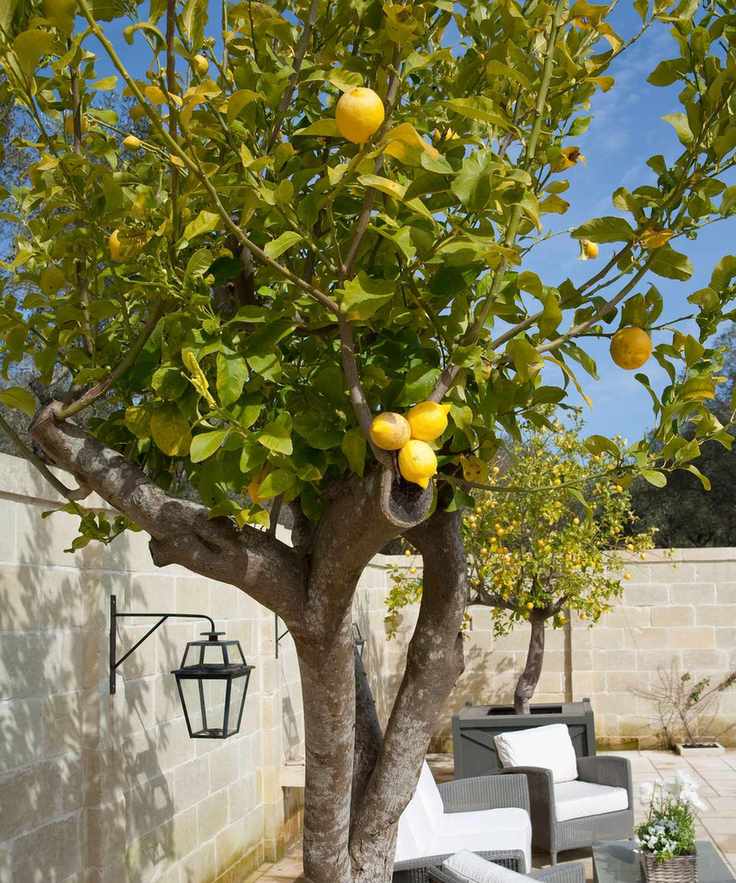
Regular watering is necessary for citrus growing in containers
Purchasing Citrus Plants
Citrus trees, particularly lemons and limes, may be found at local nurseries or garden departments, but selections vary significantly based on location.
If you're serious about citrus, consider mail-order suppliers for a greater variety and expert advice tailored to your area.
Citrus plants are typically shipped in gallon containers or 'citrapots' designed for efficient shipping while accommodating deep root systems. More mature plants may be available in larger containers.
While seed-grown plants may be cheaper, their growth and cropping can be unpredictable. Grafted trees usually yield better results, as they are bred for faster fruiting and adaptability.
Due to regulations aimed at preventing disease spread in commercial crops, shipping may be restricted to certain states, particularly Arizona, California, Florida, and Texas. Check websites for shipping restrictions.
- Shop citrus plants at Amazon
- Shop citrus plants at Fast Growing Trees
- Shop citrus plants at Nature Hills
FAQs
Are Citrus Deer Resistant?
Yes, citrus trees are generally deer-resistant due to their thorns and aromatic foliage, which deter deer. However, hungry deer may still munch on citrus if other food sources are scarce.
Can I Grow Citrus from Grocery Store Seeds?
Yes, but be cautious. Growing a citrus tree from seed can take five years to produce fruit, and the quality may be unpredictable. Remember, not all grocery store citrus contains seeds, so save viable seeds and discard damaged ones. Soak seeds in water, and to prepare them, suck on them to remove juice that inhibits sprouting. Plant in moist seed starting mix and cover with soil. A clear plastic bag can help maintain moisture until germination, which usually occurs in three to four weeks. Transplant when the seedlings reach 2-3 inches tall.
Whether you aim to grow lemons, limes, or oranges, citrus trees can enrich your garden. While they thrive in warmer climates, dwarf varieties can be grown in pots in colder areas, as long as you provide a bright, cool spot for wintering. Enjoying fresh, homegrown fruit is within reach, no matter where you live.