Brightening your space with indoor plants that flower consistently is a great idea, and African violets are among the finest choices. Their compact growth and vibrant blooms make them a favorite for plant enthusiasts seeking lasting color indoors.
Known scientifically as Saintpaulia, African violets come in various types, each showcasing different colored flowers. For instance, Saintpaulia 'Red' offers a stunning red-tinted purple, while Saintpaulia 'Top Dark Blue' showcases deep violet hues.
These plants typically grow to about six inches tall. Though they have a slow growth rate, they reward caretakers with flowers that can last for weeks if given the right conditions and care.
African violets are simple to maintain and are sure to impress your guests. Here are some expert tips to help you care for your African violets and keep them flourishing.
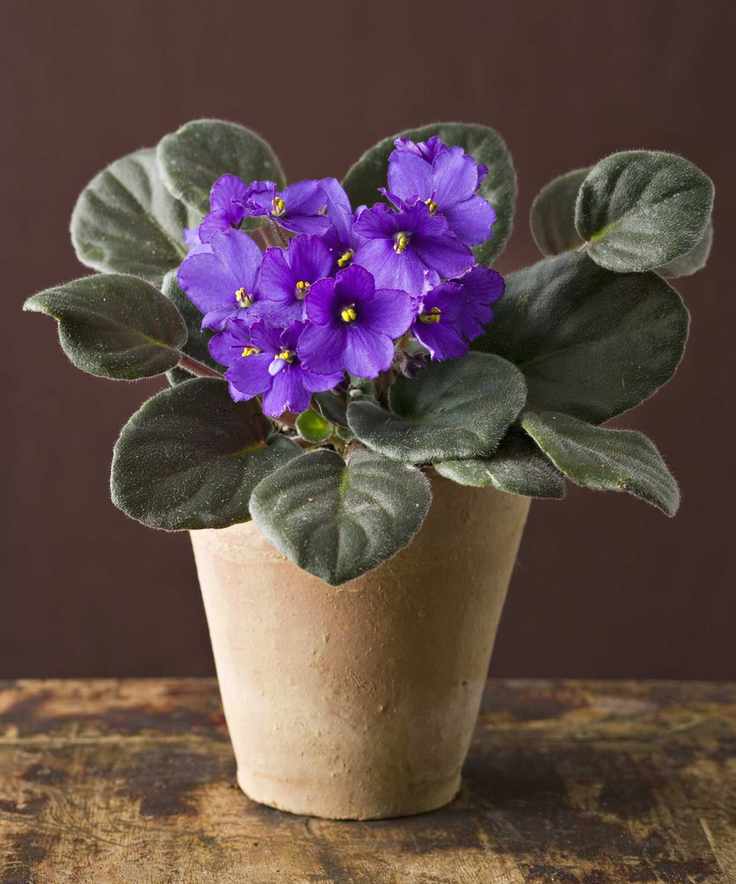
5 Expert Tips to Ensure Your African Violets Keep Blooming
The colorful clusters of African violets can enhance your indoor plant collection. Though they require minimal effort, following these expert tips will help you extend their blooming period.
1. Optimize Lighting Conditions
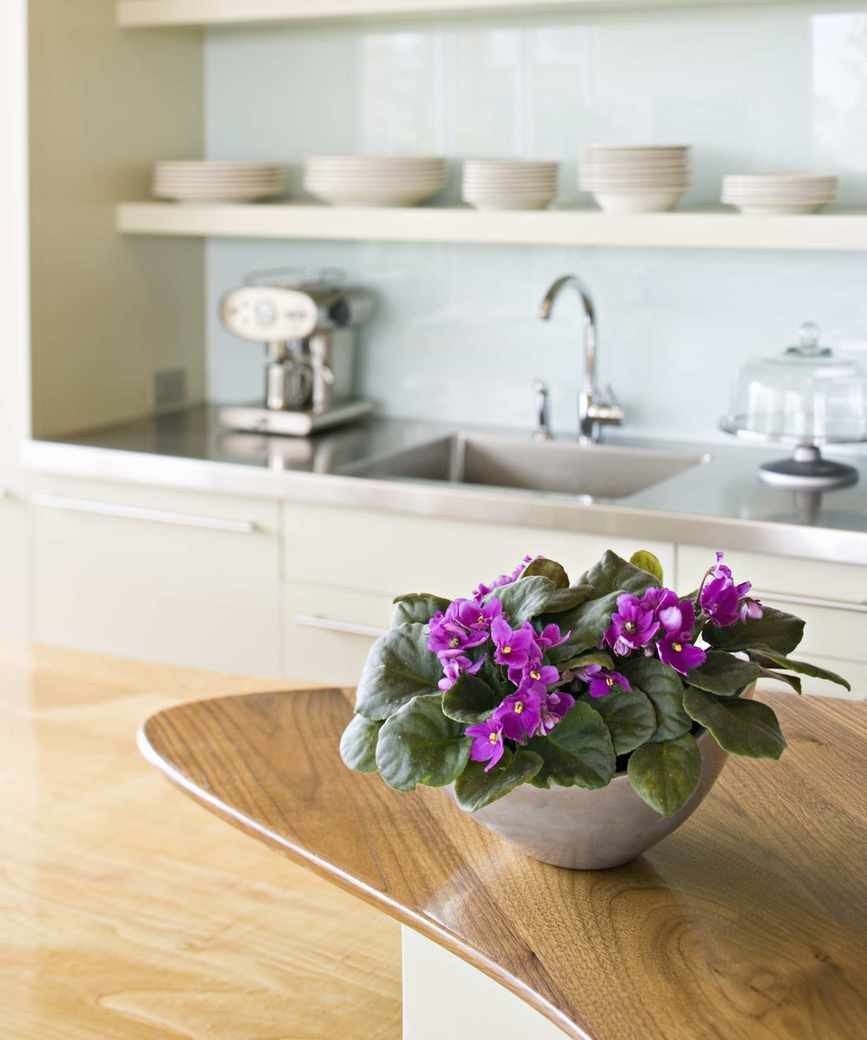
Generally, African violets thrive wherever they are, but they flourish best in bright, indirect light. Position them within a foot of southeast or west-facing windows for optimal growth.
According to a houseplant expert, placing them in direct sunlight may harm the leaves, while insufficient light can inhibit flowering and growth. In their native environment, African violets flourish in partial shade, nestled among other plants. They can also be grown outdoors in shaded containers.
2. Water Carefully

One common watering mistake is failing to maintain the right moisture level. African violets enjoy consistent moisture without being oversaturated, which can lead to discoloration or root rot.
It's advisable to prevent water from splashing on the leaves, as this can cause leaf damage. Many plant owners prefer bottom watering or using a narrow-spouted watering can to water without wetting the foliage. Allow the soil to dry by about 50% before the next watering, using your finger to test the top inch.
3. Maintain High Humidity
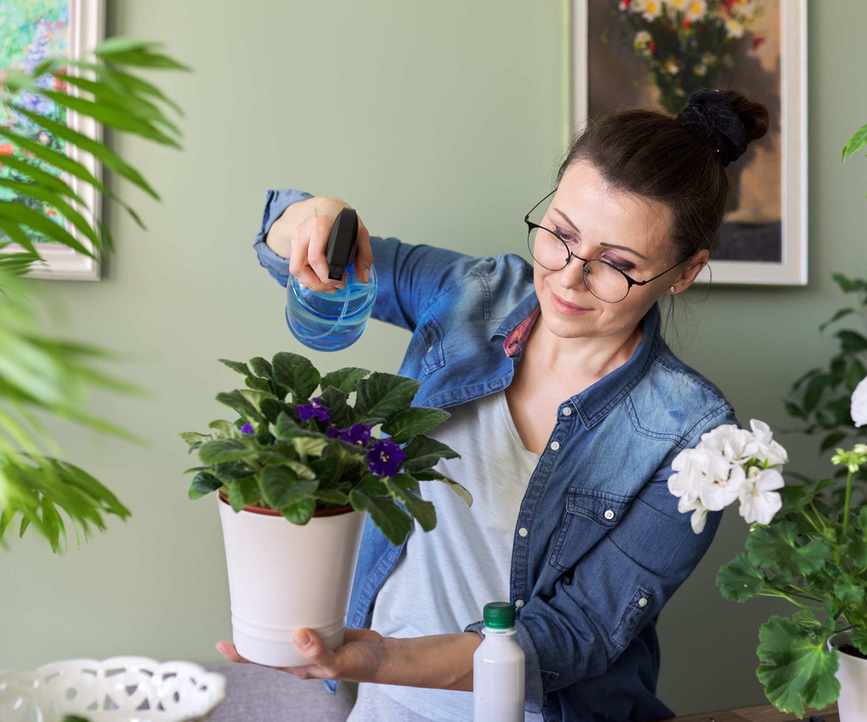
Originating from the warm climates of eastern Africa, African violets appreciate higher humidity levels. Ideally, aim for humidity between 60% and 80%, though they can survive in lower conditions.
You can boost humidity using pebble trays or by misting them regularly. Be cautious not to spray the leaves and petals too closely, as this may cause permanent spotting.
4. Deadhead to Encourage More Blooms
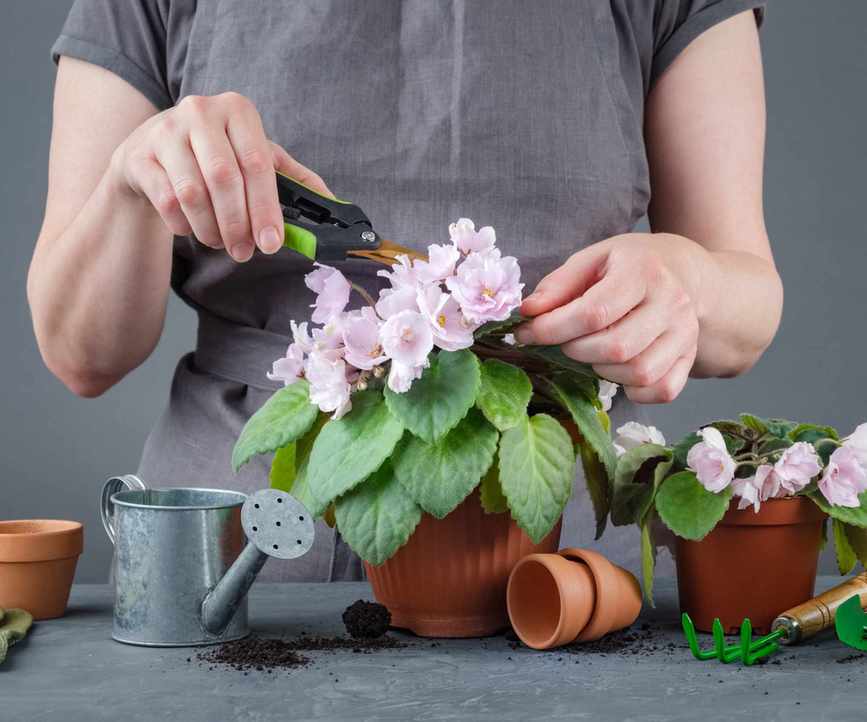
Like many flowering plants, African violets benefit from deadheading. This process involves removing spent flowers to extend the blooming cycle.
With pruning shears, pinch off wilting blooms to stimulate further growth and encourage additional flowering. This technique helps the plant focus its energy on producing new blooms instead of going to seed.
5. Repot When Needed
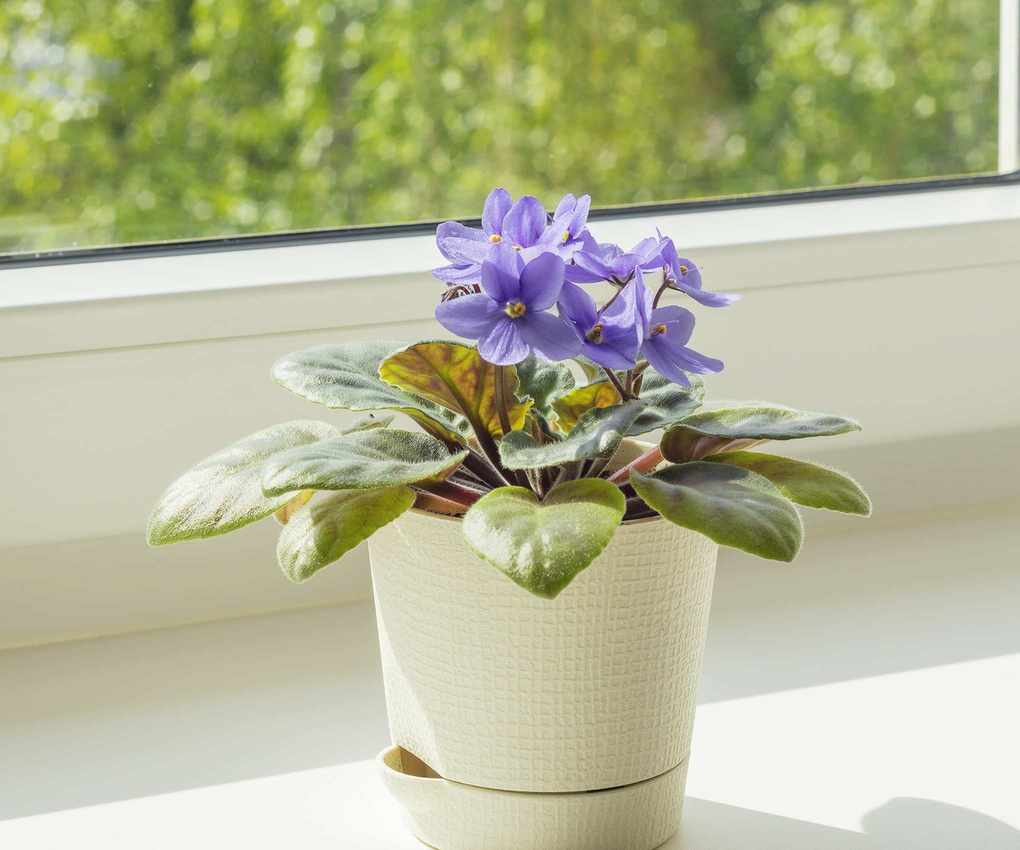
Despite their small size, it's crucial to repot African violets when they outgrow their containers. Look for signs such as a long central stem, which indicates that repotting is necessary.
Neglecting to repot may lead to a pot-bound plant, which restricts growth and flowering. To repot, transfer the plant to a larger container, removing any dead foliage and roots, and refresh the potting medium with new African violet mix.
Shop for African Violet Potting Mix
Find specialized potting mixes designed for African violets that provide essential nutrients for healthy growth.
Frequently Asked Questions
How can I propagate African violets?
The easiest method is using leaf cuttings. Choose mature leaves with stalks, place them in compost, and keep them well-watered. New plants will sprout in a few weeks.
Alternatively, you can propagate by dividing clusters of rosettes from the main plant and potting them in compost.
What causes my African violets to stop blooming?
Several factors can lead to a halt in flowering, including insufficient light. Ensure your African violets receive bright indirect light for 10-12 hours daily and a dark period to promote flowering.
When should I fertilize my African violets?
Fertilize during the active growing season to enhance soil nutrients. Use a fertilizer formulated for African violets, ensuring the soil is moist beforehand to prevent root burn. Regularly flush the soil with plain water to remove salt buildup.
African violets are delightful, colorful plants that can enhance your indoor space. With some simple care, they will reward you with beautiful blooms all year round.