
As summer approaches, it's the perfect time to make the most of your garden. However, for those with allergies, outdoor enjoyment can be challenging. Here's a guide to help hay fever sufferers cultivate a low-allergen garden and savor the sunny days.
Gardening is a beloved pastime, but for the 13 million individuals struggling with hay fever in the UK, spring and summer can be tough.
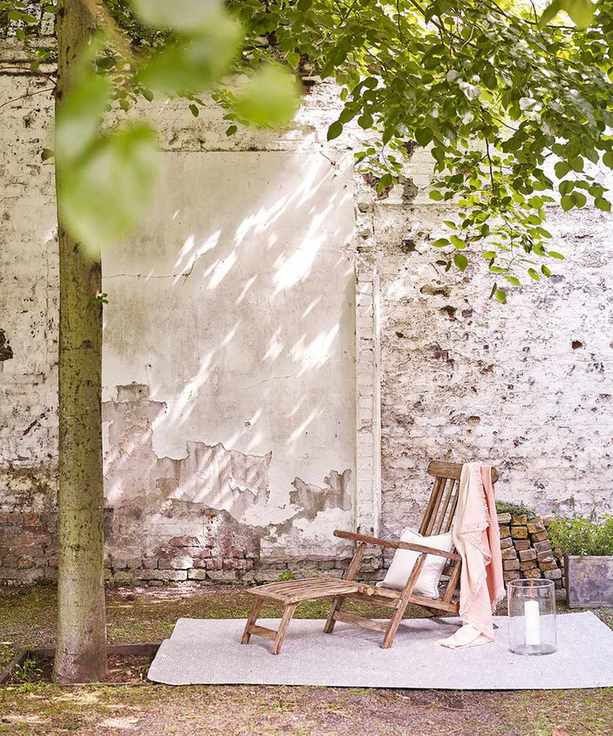
CREATE A LOW-ALLERGEN GARDEN
Understanding the significance of fresh air for mental wellness, we've collaborated with gardening expert Jackie Herald to share valuable tips for making your garden more enjoyable for those with hay fever.
1. MOW OFTEN
Keep your lawn trimmed throughout the summer. This minimizes the growth of flowering weeds, resulting in less grass pollen floating in the air.

2. GARDEN IN THE MIDDLE OF THE DAY
Opt for gardening around midday. Pollen counts peak early in the morning and late in the evening. Stick to the hours between 12 PM and 4 PM for your gardening activities.
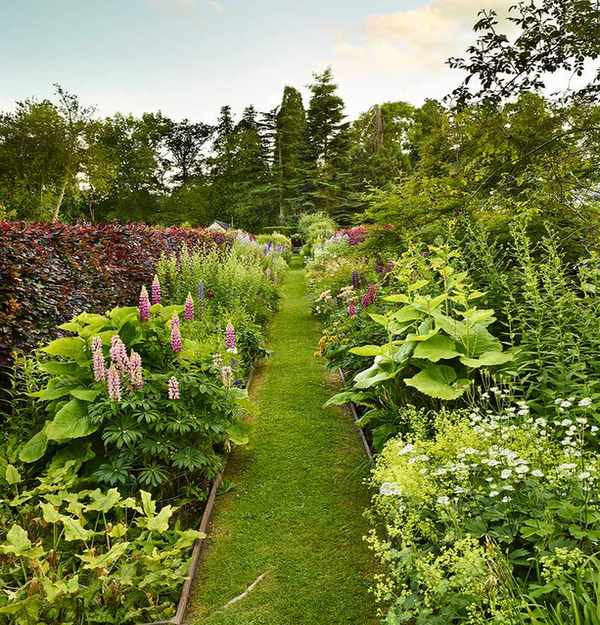
3. CHOOSE LOW-ALLERGY PLANTS
Select fruit trees and other low-allergy varieties. Apple (Malus), cherry/plum (Prunus), rowan (Sorbus), and juneberry (Amelanchier) offer beautiful blooms and seasonal fruit. Avoid wind-pollinated species like alder (Alnus) and birch (Betula) to reduce hay fever symptoms.
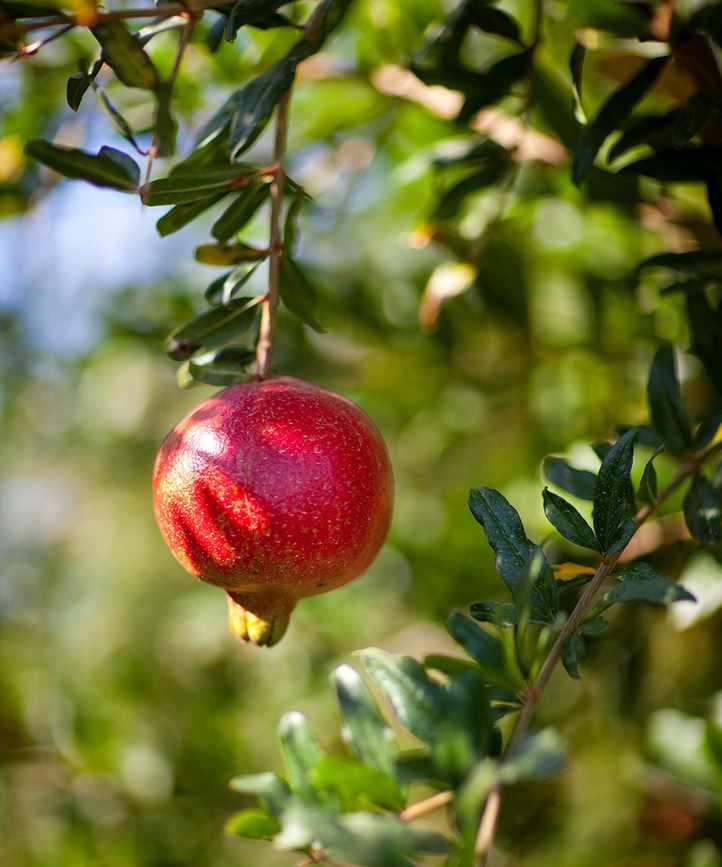
4. MONITOR FOR MOLD SPORES
Be cautious about mold spores in vegetable gardens. Raised beds are popular for growing vegetables, but ensure they're lined with a waterproof membrane to prevent rotting. Composting requires care, as bins can harbor mold spores, which are smaller than pollen and can aggravate allergies. Keep compost bins away from seating and cover them when not in use.
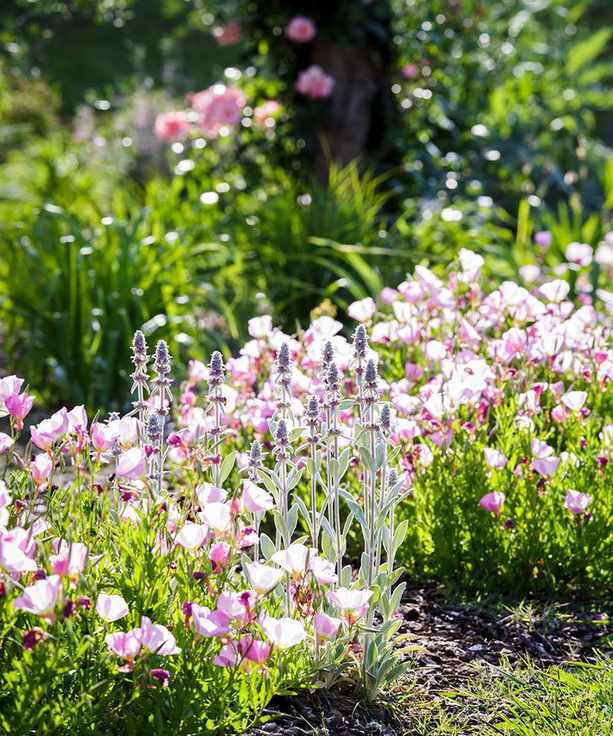
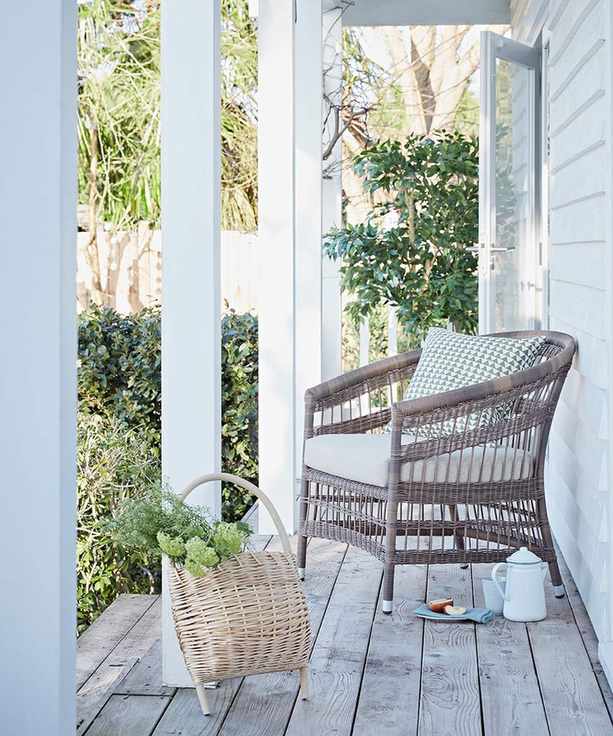
5. POSITION SEATING WISELY
Consider the placement of your garden seating. Gardening requires effort, so ensure your relaxing spot is far from pollen sources and potential mold areas.
6. INVITE WILDLIFE
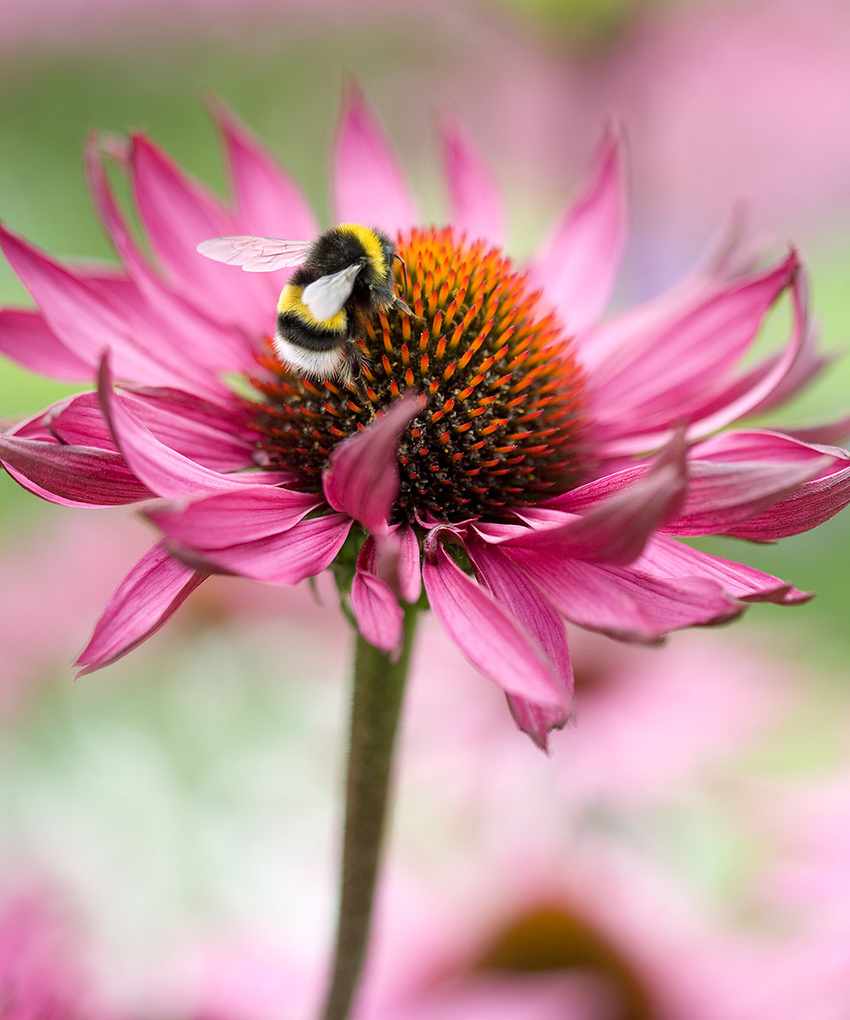
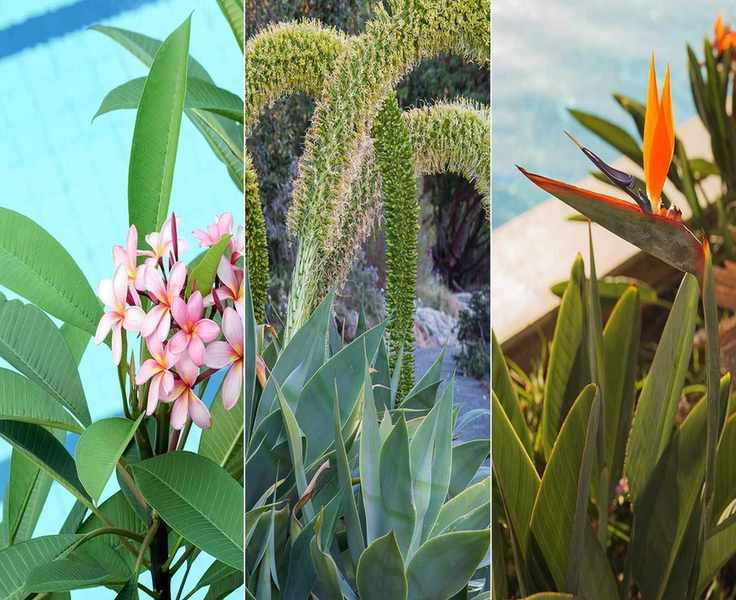
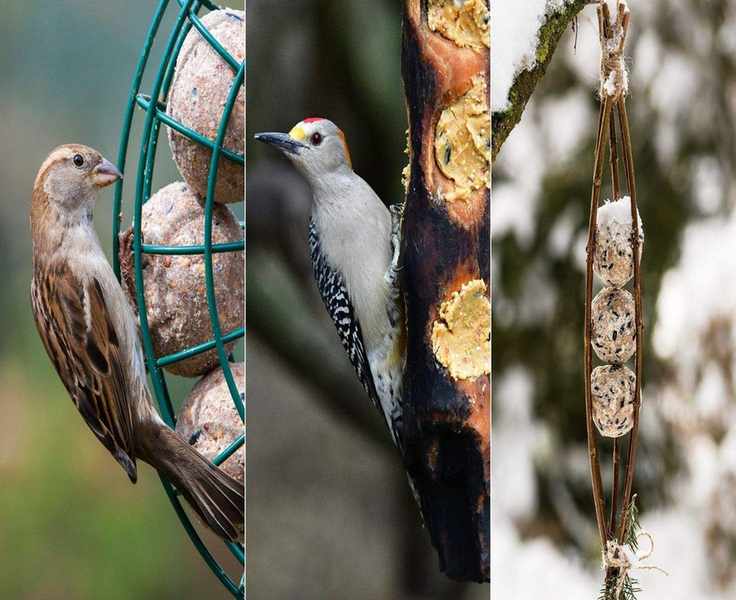
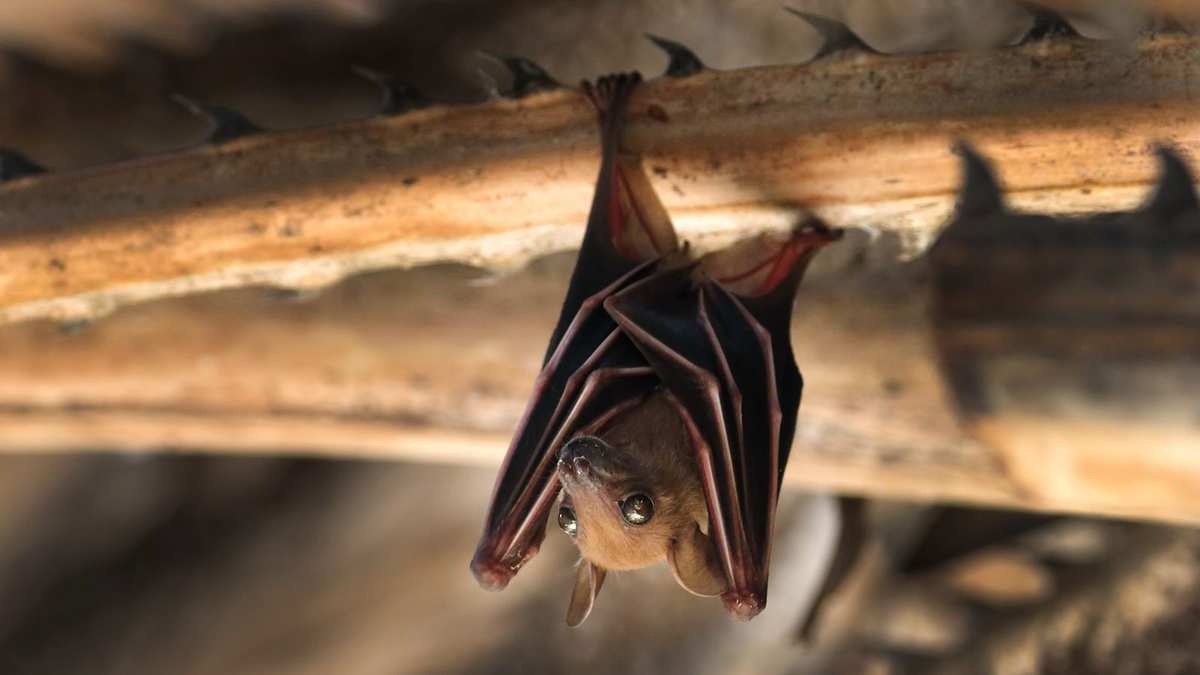
Opt for plants that attract beneficial insects. Flowers that cater to insects, particularly those that are bell, funnel, or trumpet-shaped, are ideal as they require insects to access the pollen.