Freezers often turn into chaotic storage zones as we hastily shove items into drawers, making it hard to locate essentials like frozen vegetables or that favorite dessert.
While managing a standing freezer is generally simpler than a chest freezer, certain guidelines are crucial for maintaining food hygiene and ensuring easy access to your items.
Here's a collection of top organizing strategies from professionals to simplify your cooking endeavors.
Freezer Organization Tips
Similar to refrigerator organization, grouping similar items, understanding what belongs in the freezer, and knowing optimal storage zones are key practices recommended by organized households.
Consider these expert recommendations.
1. Remove Expired Food
Start by decluttering your freezer, which is often neglected and overcrowded. Many items get buried and forgotten, sometimes for years!
Work through one drawer at a time, checking what you actually use, advises a professional organizer from Chicago. 'If you're tossing out a lot of outdated items, it may be time to rethink your freezing practices and prioritize fresh food instead,' she notes.

2. Separate Raw Meats and Seafood
To maintain kitchen hygiene, it's essential to avoid cross-contamination. Always keep raw meats separate from other foods, suggests a professional organizer.
Utilize dedicated drawers for meats or use labeled containers to keep them apart. The bottom drawer is ideal for these items since it's often the coldest spot, which helps ensure safety and prevents leaks from improperly sealed packages.
3. Assign Drawers by Food Category
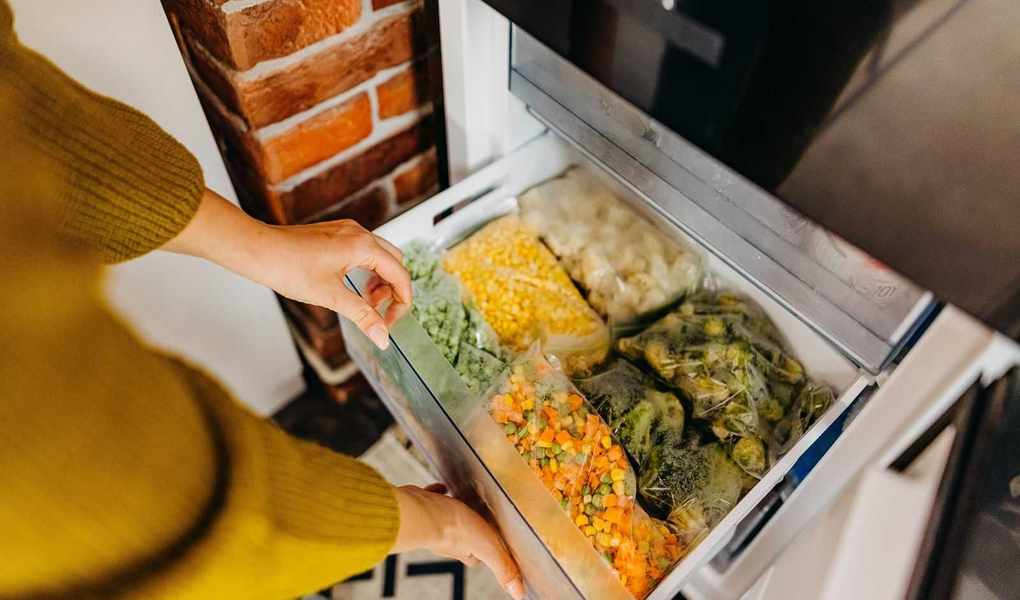
To facilitate quicker access, designate one drawer for each type of frozen food. This can include separate sections for raw proteins, packaged meals, leftovers, sweet treats, and baked goods.
4. Use Transparent Storage Containers
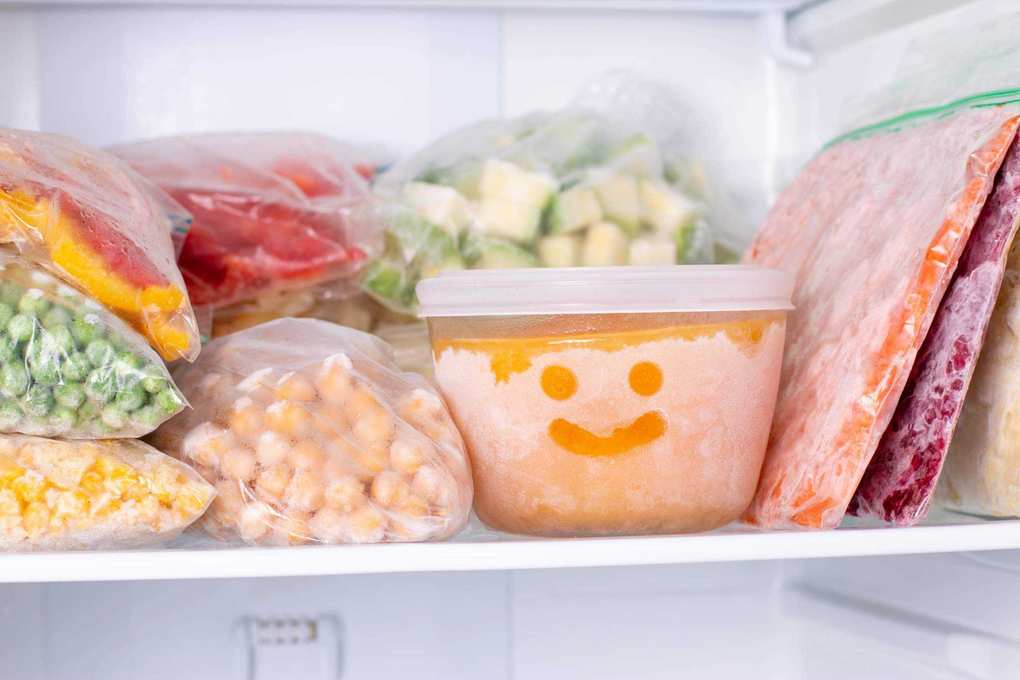
Clear containers with airtight seals are a favorite among organizers for freezer storage. They help keep items visible and fresh.
Before purchasing new containers, measure your freezer to ensure a good fit, and consider repurposing any containers you already have at home to avoid waste.
5. Opt for Freezer-Safe Bags
If space is limited, consider using freezer bags, especially for smaller items. These reusable silicone bags are popular among organizers for storing fruits, veggies, and meal portions.
Label them with contents and freezing dates for easy identification, and for avid meal preppers, vacuum-sealed bags might better prevent freezer burn.
6. Restock from the Bottom
When adding new items, place them at the bottom of drawers. This practice helps ensure older items are used first, reducing food waste.
7. Label Everything
Labeling is essential for any packaged items, especially those you might forget about. Keep a marker handy to track what's in your freezer and their expiry dates.
8. Utilize Drawer Dividers
To prevent large drawers from becoming a jumbled mess, consider using drawer dividers. They can help create categories and stabilize containers.
9. Implement Risers for Stacking
Shelf risers, often used in kitchen cabinets, can work in freezers too. They help keep food organized and prevent duplicates from getting mixed up.
10. Avoid Overstuffing Drawers
An organized freezer won't struggle to close. If drawers jam or doors don't latch, it's likely overfilled. This can lead to freezer burn and appliance malfunctions.
Regularly declutter your freezer, considering what can be cooked soon to create space.
FAQs
Is it better to keep a freezer full or empty?
A full freezer is ideal, but it shouldn't be overflowing. Having food packed helps maintain a stable temperature, which is energy-efficient.
Can you overfill a freezer?
Yes, overfilling can block air circulation, forcing the freezer to work harder and leading to potential damage. It can also cause ice buildup, complicating organization.
Regularly organizing your freezer is crucial for efficiency, whether you're a passionate cook or simply looking to keep your kitchen functional.