Freestanding bathtubs top many wish lists for dream homes, infusing glamour and elegance into what is often a functional area. Surprisingly, these stunning tubs can complement any design style, whether it’s classic or modern.
There’s an array of beautiful bathtub concepts to spark your imagination. However, practicality is key too, ensuring that a freestanding tub is not just visually appealing but also a sensible addition to your bathroom. Here are some creative ideas and designer insights on optimizing your freestanding bathtub.
1. Position Your Tub Away from Walls
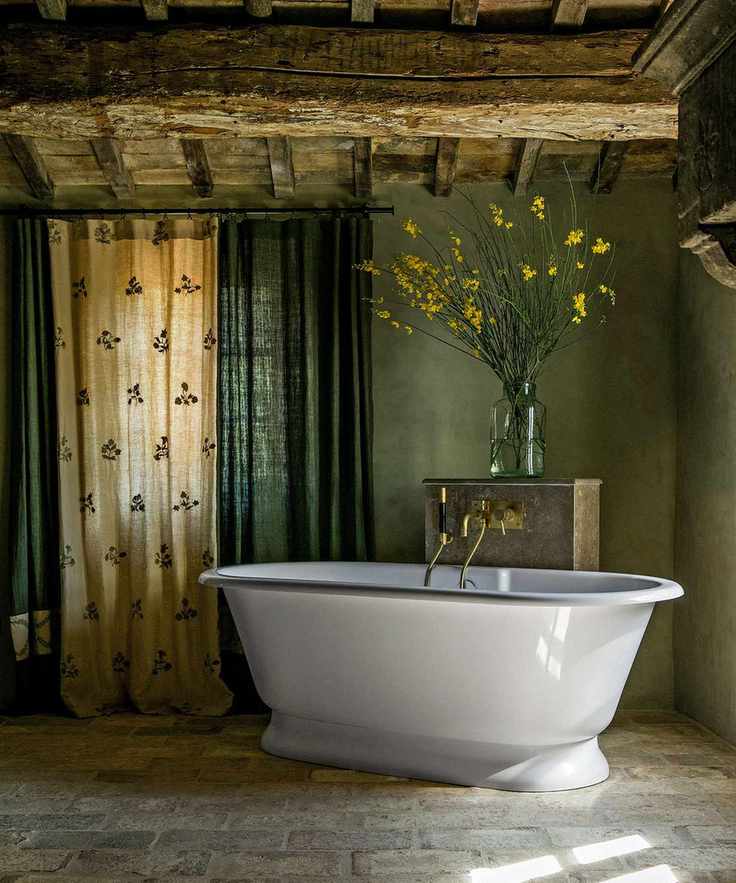
Placing your bathtub away from the walls instantly creates a serene environment. An angled installation can break the monotony of a square bathroom layout. In this Umbrian residence, a bateau tub is angled to take in breathtaking countryside views while soaking. A marble tap plinth discreetly manages plumbing and offers a spot for toiletries.
2. Establish a Striking Backdrop
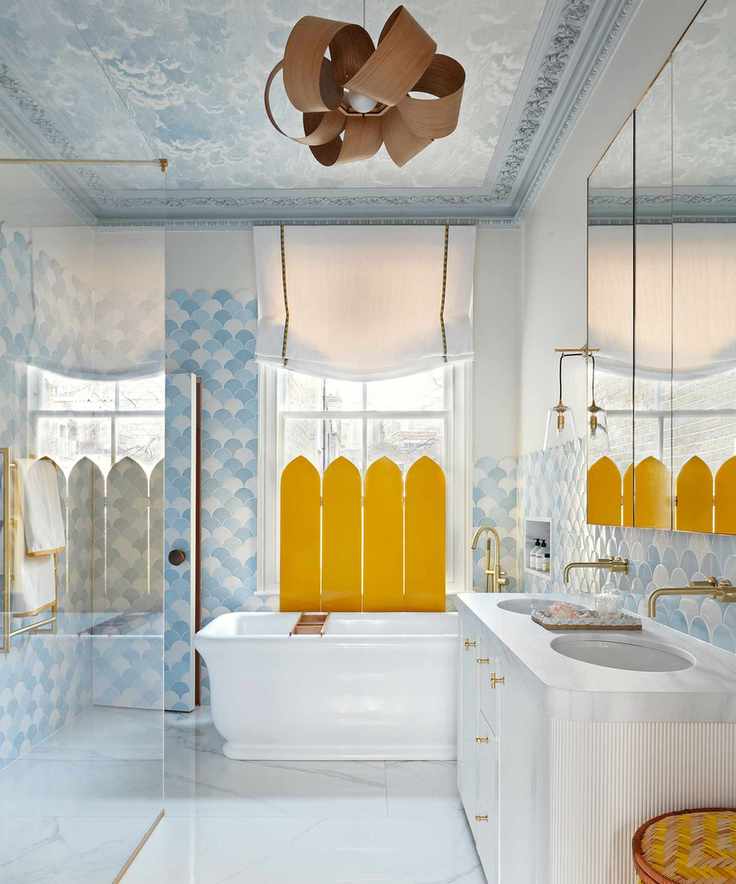
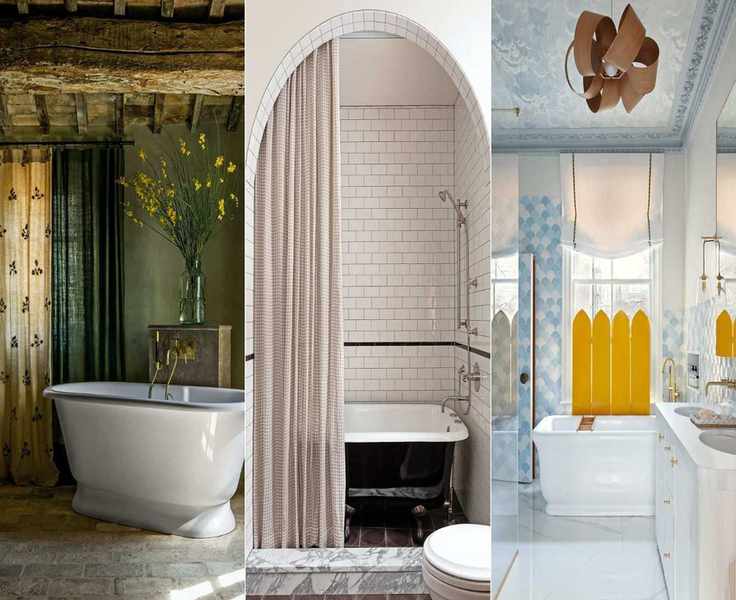
A folding screen painted in Farrow & Ball’s vibrant Babouche accentuates the graceful lines of BC Designs’ striking Senator tub, a standout feature in this unique project by Studio Peake.
“We aimed for something that would draw immediate attention to the bathtub upon entering,” shared Sarah Peake, founder and creative director. “The high-gloss yellow pops, yet is also subtly echoed in elements like the laundry bin.”
3. Choose Opulent Materials

A spacious bathroom can make even a lavish double-ended tub feel lost. Ground it with a stunning marble backsplash to protect your walls from splashes.
“The black marble acts as a defining frame for the tub, echoing the curves of our Usk freestanding model,” explains James Lentaigne, creative director at Drummonds. “With proper sealing and maintenance, a marble splashback endures beautifully.”
4. Create a Welcoming Entrance
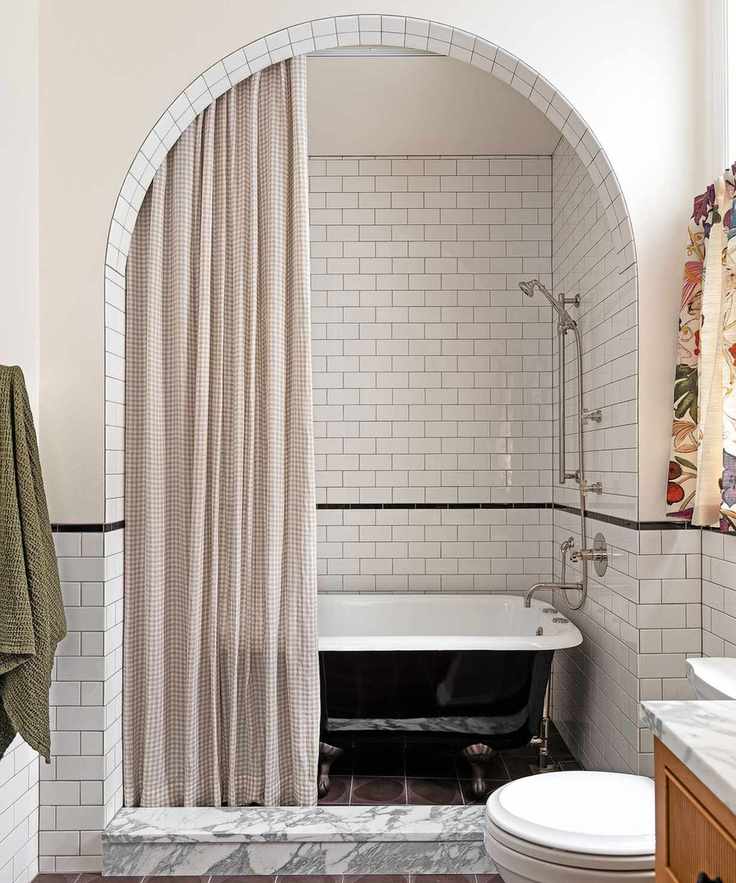
A simple arched partition softens the room's angular features. Adding flowing curtains fosters a cozy atmosphere and provides extra privacy.
“The arched niche introduces charm and a hint of history to this newly constructed bathroom,” notes interior designer Heidi Caillier. “Choosing a traditional clawfoot tub adds an unexpected twist to modern architecture, transforming the space into a storytelling canvas.”
5. Design a Harmonious Scheme
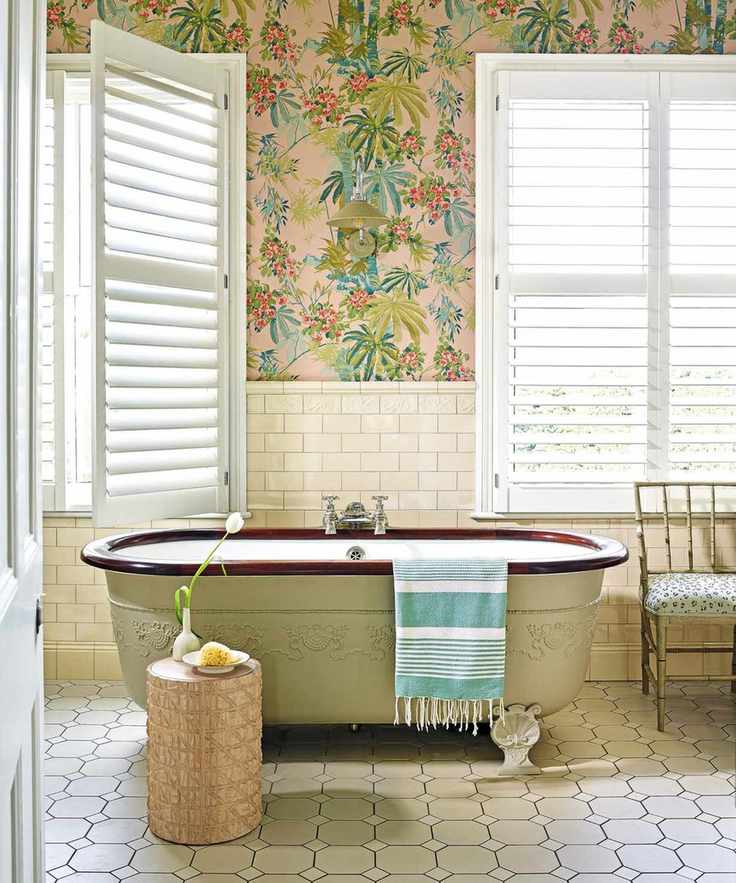
While white is the typical choice for bathroom fixtures, freestanding tubs are available in a variety of colors, offering a perfect opportunity to infuse vibrancy into your decor. Painting a tub is a manageable DIY project that can breathe new life into a vintage piece, especially if you’re selecting the right freestanding tub to rejuvenate an antique with some care.
Whatever hue you decide on, let it inform the overall design. Since the tub is a focal point, coordinate this shade throughout the room, whether in wallpaper or wall tiles.
FAQs
Can a freestanding bath fit in any bathroom?
While you need adequate space for a freestanding bathtub, many designs can suit smaller areas. It’s also crucial to ensure your floor can support the weight of the tub, possibly requiring reinforcement. Consulting a professional is essential to confirm that a freestanding bath is viable for your space.
What’s the ideal shape for a freestanding bath?
This depends on your bathroom’s dimensions and layout. If you want to position your tub centrally, consider a bold shape, such as oval or double-ended, which are comfortable too. For compact bathrooms, opting for a slipper bath is advisable, as it optimizes limited floor space.
Freestanding tubs aren't just for grand bathrooms or traditional aesthetics; they can seamlessly fit into various styles and sizes. Balancing form and function can be challenging in bathrooms, but a freestanding tub successfully combines both, serving as a beautiful centerpiece.