Red hot poker varieties, known as torch lilies, bring exotic flair to gardens. Among them, Kniphofia rooperi stands out, reaching impressive heights from early fall, showcasing fiery orange buds that transition to yellow blooms.
With around 70 kniphofia species hailing from southern and tropical Africa, these plants produce numerous cultivars. They bloom from early spring to late fall, varying from eight inches to six feet tall, making them versatile perennials. While some types are frost-sensitive, many are hardy for colder climates. Their narrow foliage can be robust, but recent breeding efforts have focused on creating more compact varieties with extended flowering periods. Though they prefer sunny spots and well-drained soil, pokers can thrive in fertile soils, even improved clay that drains well in winter.
Learning how to cultivate red hot poker is an excellent choice for low-maintenance, drought-resistant plants that can thrive long-term.

15 Red Hot Poker Varieties for Vibrant Color and Unique Forms
Here are 15 captivating red hot poker varieties, showcasing a range of shapes, sizes, and colors. They flourish when planted in summer, establishing roots in warm soil.
1. 'Drummore Apricot'
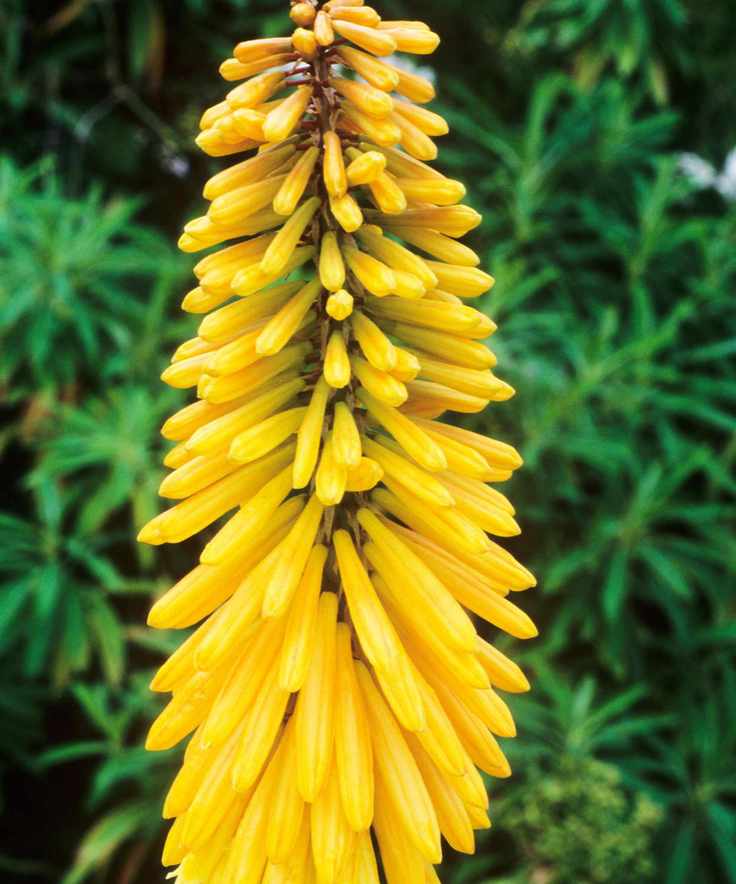
- Hardiness: US zones 7 and 8
- Height: 30-48 inches
- Spread: 24 inches
This variety features large blooms starting with green buds that transition to apricot and later to yellow flowers from late summer to fall. Compact variants are ideal for small garden spaces and are deciduous with strap-like leaves.
Pair this softer poker with vibrant Geum 'Mrs.J.Bradshaw' for red floral accents at two feet tall, or soften the look with creamy Achillea 'Taygetea.'
Valeria Nyman, a gardening expert, notes that its charm suits cottage gardens and pairs well with ornamental grasses.
2. 'Fiery Fred'
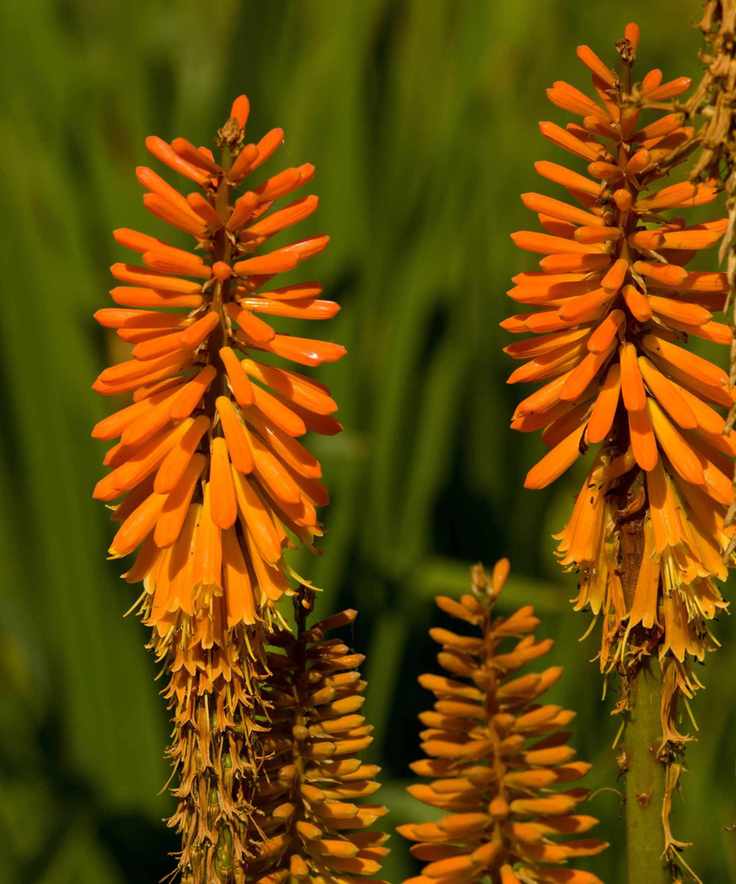
- Hardiness: US zones 6 and 7
- Height: 5 feet
- Spread: 4 feet
This impressive poker showcases bright and soft orange flower spikes that tower above arching dark green leaves. It makes a strong statement among other perennials from summer through fall. For contrast, consider adding blue-flowering campanula varieties (lactiflora) or the pale blue of 'Monica's Dream'.
These also thrive in coastal gardens, handling exposure effectively.
3. 'Ice Queen'
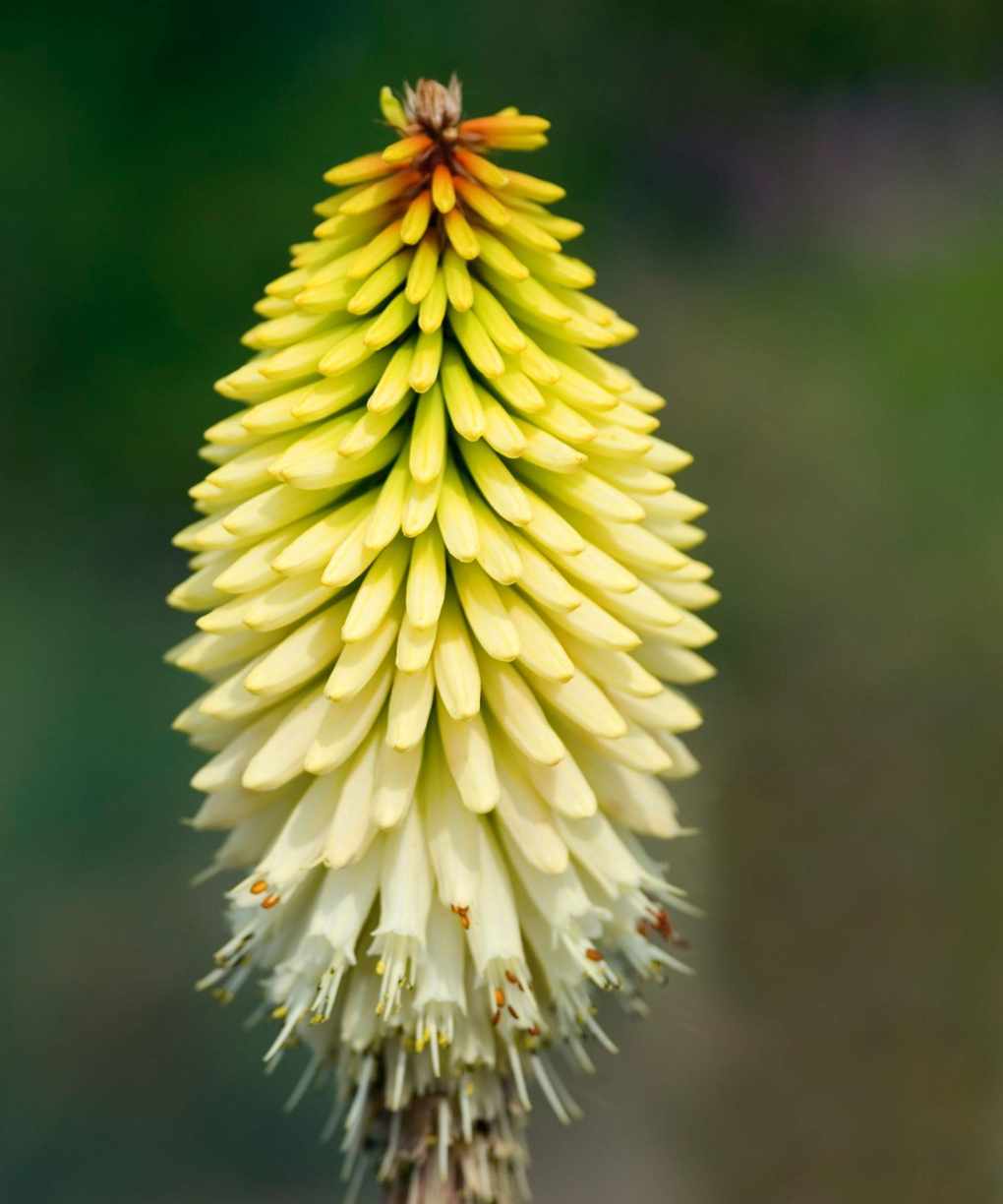
- Hardiness: US zones 7 and 8
- Height: 4 feet
- Spread: 3 feet
This majestic poker has tall spikes that start with a hint of orange, blooming into white tubular flowers. It's an excellent choice for white-themed borders or to complement colorful midsummer blooms. Pair it with Salvia x sylvestris 'Schneehugel' for an elegant display.
4. 'Moonstone'
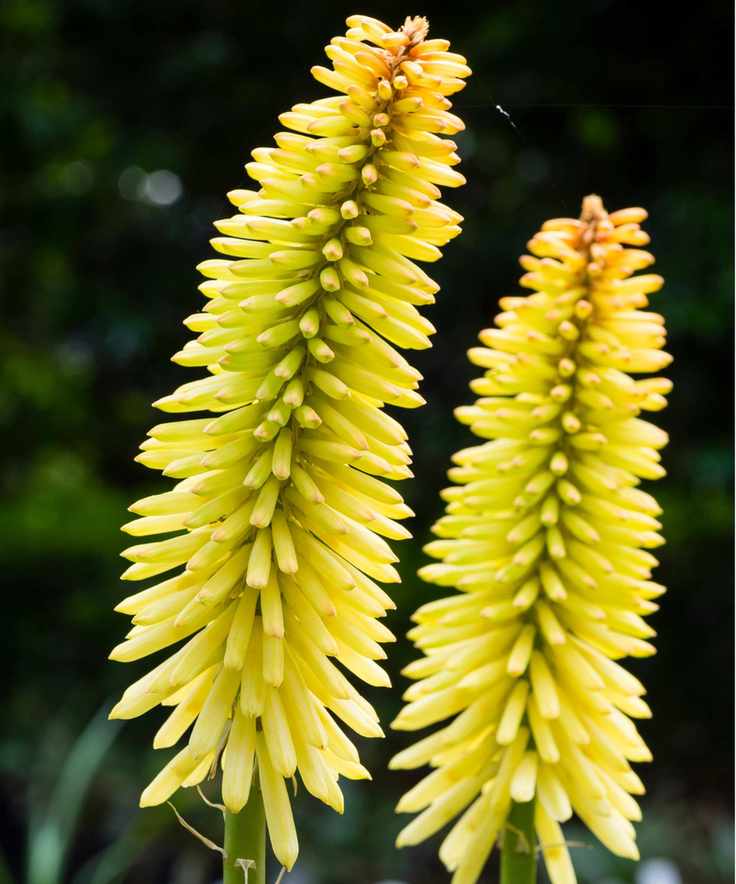
- Hardiness: US zones 7 and 8
- Height: 4 feet
- Spread: 3 feet
5. 'Rocket's Red Glare'
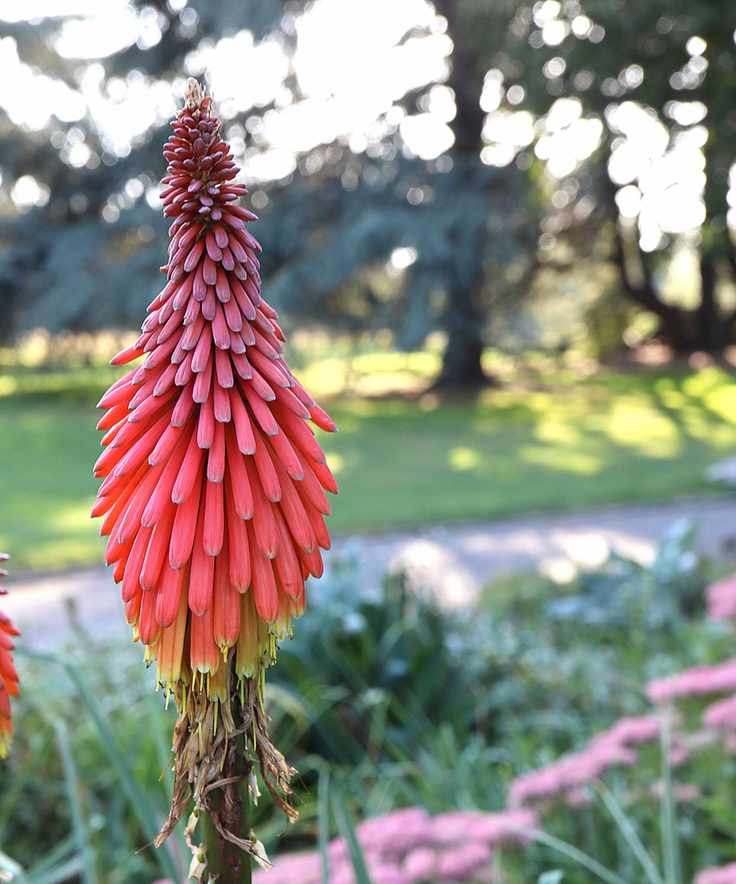
- Hardiness: US zones 7 and 8
- Height: 3 feet
- Spread: 30 inches
This member of the Pyromania Series features tidy foliage and fluorescent red flowers that transition to coral and then yellow as they mature. They attract pollinators like bees, butterflies, and even hummingbirds, making them great for cutting gardens. Consider adding Coreopsis 'Early Sunrise' to enhance the yellow tones.
6. 'Tawny King'

- Hardiness: US zones 7 and 8
- Height: 5 feet
- Spread: 3 feet
This poker features narrow leaves and dense spikes of orange buds that bloom to cream flowers from summer through fall. The colors create a lovely medley of soft and dark shades on bronze stems. Consider planting it with drought-tolerant plants like the dark-flowered African lily, Agapanthus inapertus subsp.pendulus 'Graskop'.
7. 'Timothy'
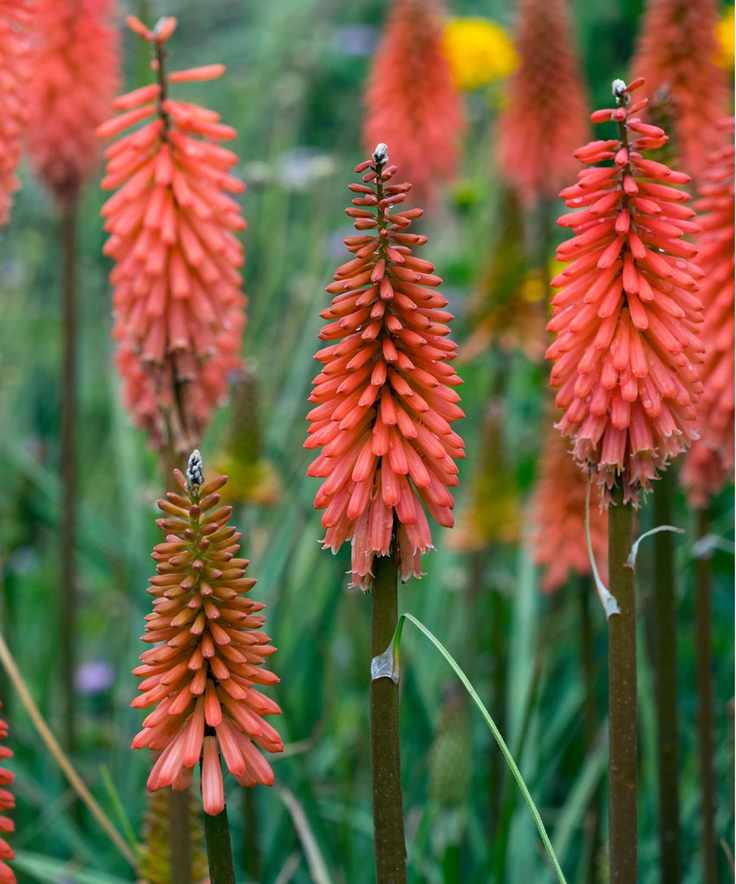
- Hardiness: US zones 7 and 8
- Height: 2 feet
- Spread: 18 inches
This variety showcases spikes of flowers in shades of coral and salmon pink with hints of orange, rising from narrow leaves. It blooms from early summer to early fall, bringing lasting color. Pair it with the daylily Hemerocallis 'Stella de Oro' for an attractive yellow foreground.
8. 'Wrexham Buttercup'

- Hardiness: US zones 6 and 7
- Height: 4 feet
- Spread: 18 inches
This variety is regarded as the top yellow-flowered poker, with strong stems producing lime green buds that open to yellow. It pairs beautifully with orange-flowered Mexican sunflower Tithonia rotundifolia 'Torch' and blue-flowered Salvia patens.
9. K.caulescens
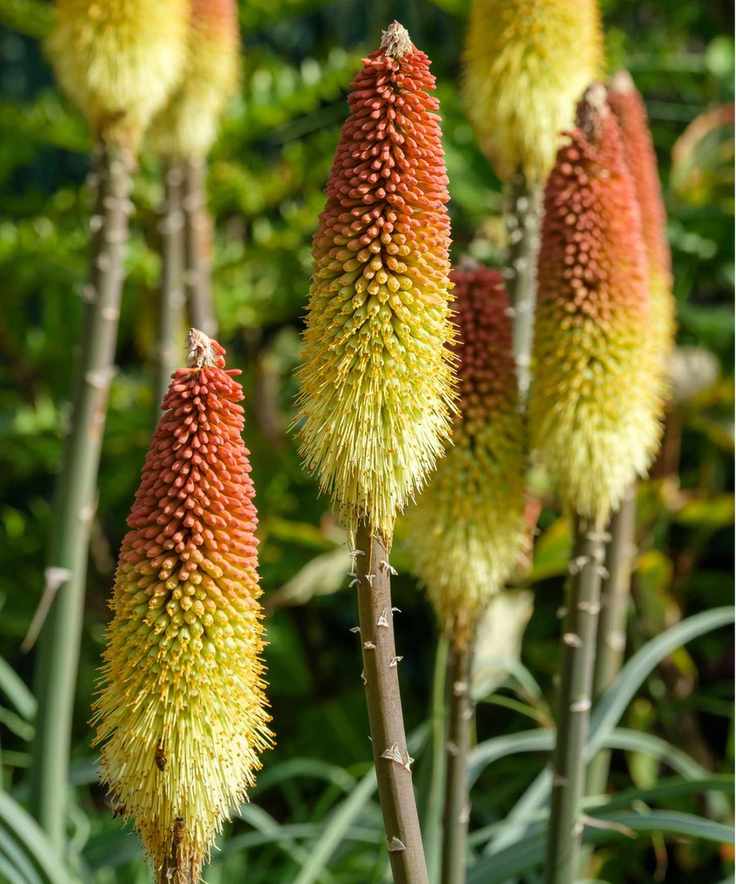
- Hardiness: US zones 7 and 8
- Height: 4 feet
- Spread: 30 inches
This evergreen variety resembles aloe both in leaf and flower. Its blue-green foliage looks stunning, especially after spring cleaning. It produces coral-red buds that open to lemon-yellow blooms from late summer to fall, attracting pollinators like bees.
10. K.northiae
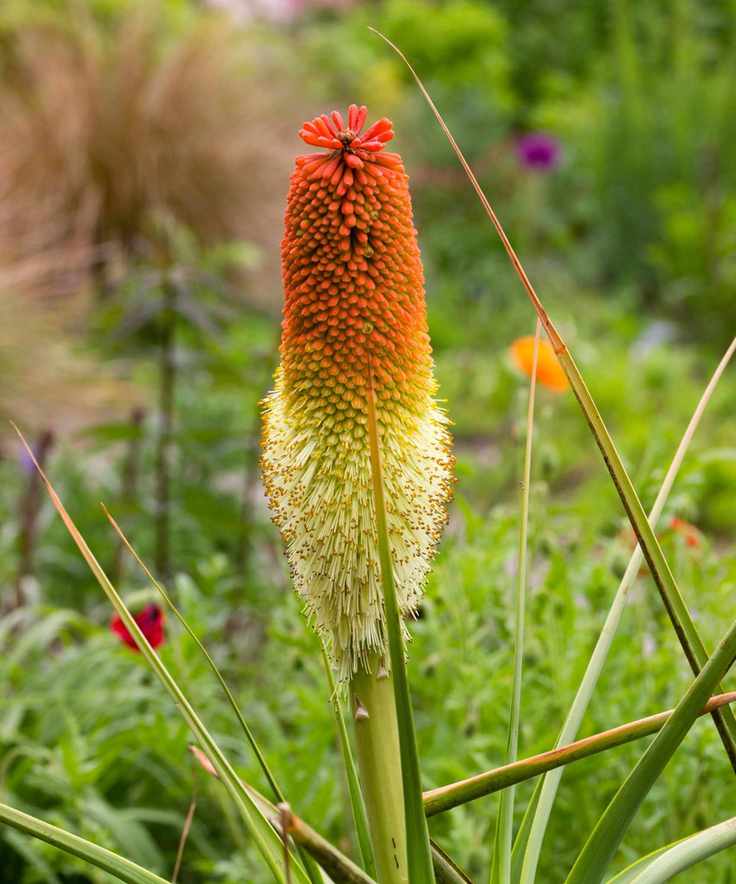
- Hardiness: US zones 8 and 9
- Height: 4 feet
- Spread: 30 inches
This giant variety resembles aloe and bromeliads, with broad, strap-like leaves that make an eye-catching display. Chunky orange-red spikes bloom with cream flowers from early to late summer, perfect for rock or gravel gardens. Consider 'Fire Dance' red hot pokers for a similar look.
11. K.rooperi
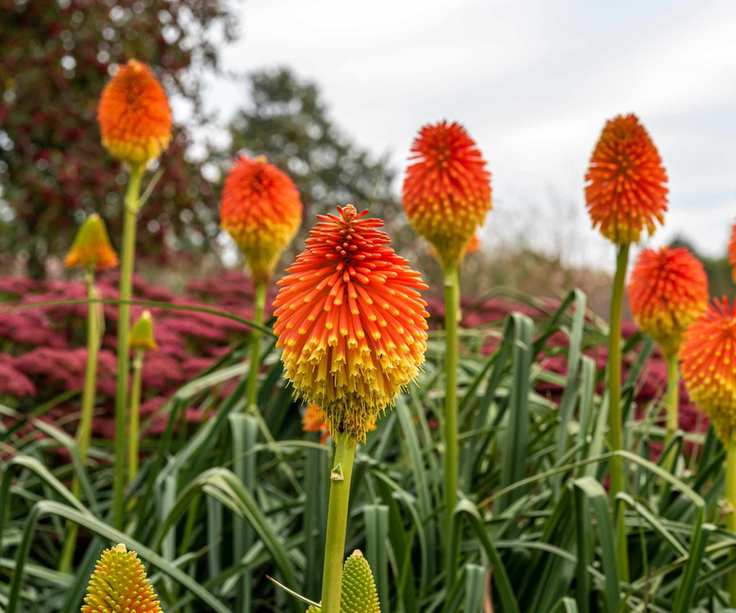
- Hardiness: US zones 7 and 8
- Height: 5 feet
- Spread: 3 feet
Rooper's red hot poker is a garden staple, featuring clumps of arching evergreen leaves topped with dense spikes of fiery orange buds that mature to yellow. They bloom in fall, extending the flowering season alongside late summer flowers.
12. 'Jenny Bloom'
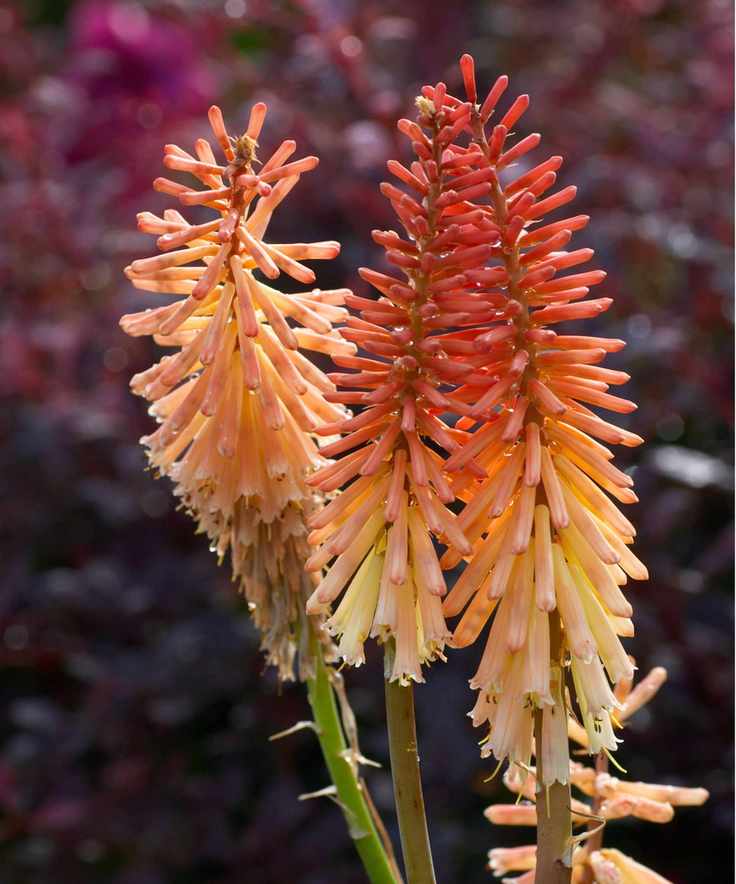
- Hardiness: US zones 8 and 9
- Height: 3 feet
- Spread: 18 inches
This elegant poker has a slender habit, with narrow upright foliage and spaced apricot-orange buds that open to cream flowers from early summer to early fall. It looks great in containers or alongside long-flowering perennials like phlomis 'russeliana' and Coreopsis 'Red Shift'.
13. 'Mango Popsicle'
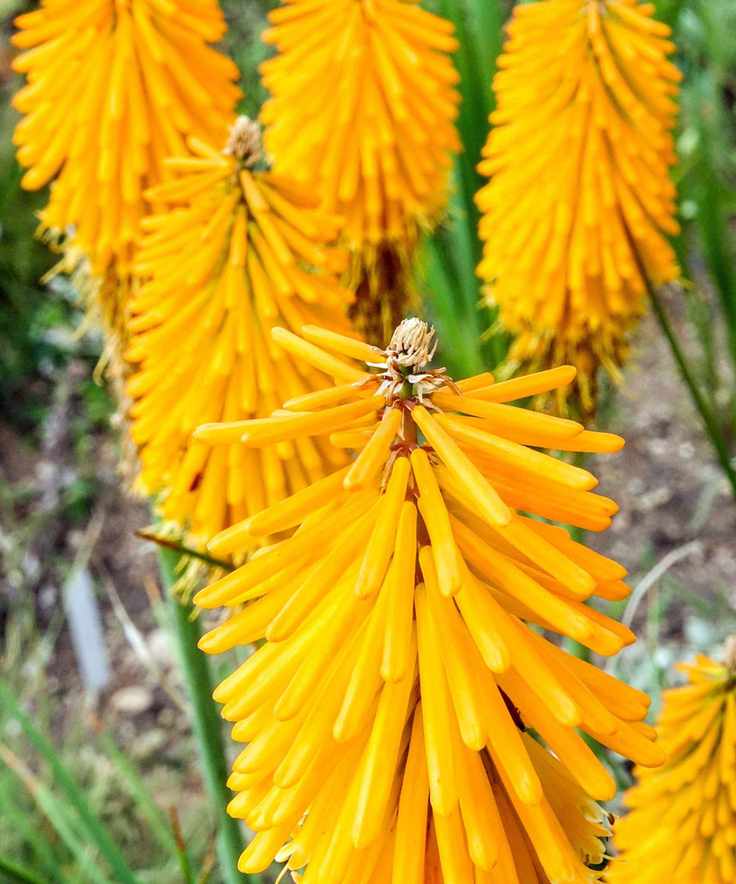
- Hardiness: US zones 6 and 7
- Height: 30 inches
- Spread: 8 inches
This variety from the Popsicle Series is perfect for narrow gardens or container plantings. Its neat, upright leaves support colorful flower spikes that bloom in vibrant mango hues from summer to fall. Other yellow varieties of red hot poker can also be found at Amazon.
14. 'Orange Vanilla Popsicle'
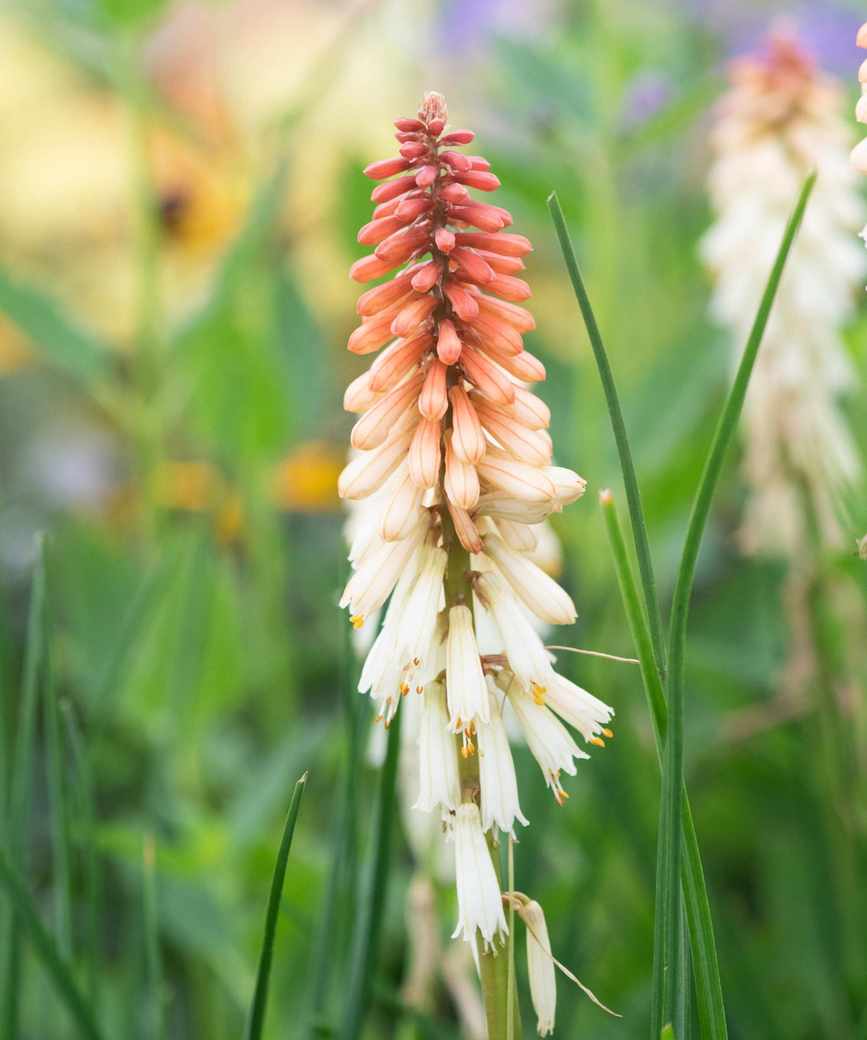
- Hardiness: US zones 6 and 7
- Height: 30 inches
- Spread: 30 inches
This tricolored miniature variety has dark maroon buds that bloom into a bright orange-pink and finally creamy white. It's tidy and ideal for beginner container gardeners, thriving in well-drained compost from early summer to fall. Consider pairing it with narrow-petalled burnt orange helenium like 'Loysder Wieck'.
15. Poco Red
- Hardiness: US zones 6 and 7
- Height: 30 inches
- Spread: 30 inches
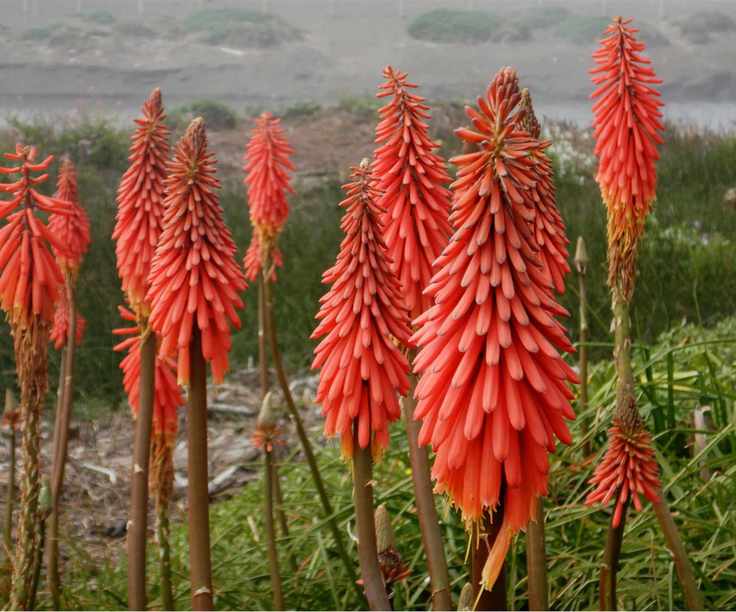
This Poco Series variety showcases upright grass-like foliage and vibrant reddish-orange spikes that bloom from midsummer to fall. Explore other options like Poco Orange, Poco Yellow, and Poco Citron. They are fantastic in containers or for adding vibrant color to narrow garden spaces.
For those interested, uvaria seeds from Amazon can offer similar vibrant colors.
FAQs
Do red hot pokers spread?
Some red hot poker varieties spread quickly via underground rhizomes. To propagate them, dig up the rhizomes and divide the plants before replanting.
Regardless of the variety you choose, staying on top of essential care, such as pruning lower leaves and deadheading spent blooms, will ensure your garden flourishes.