
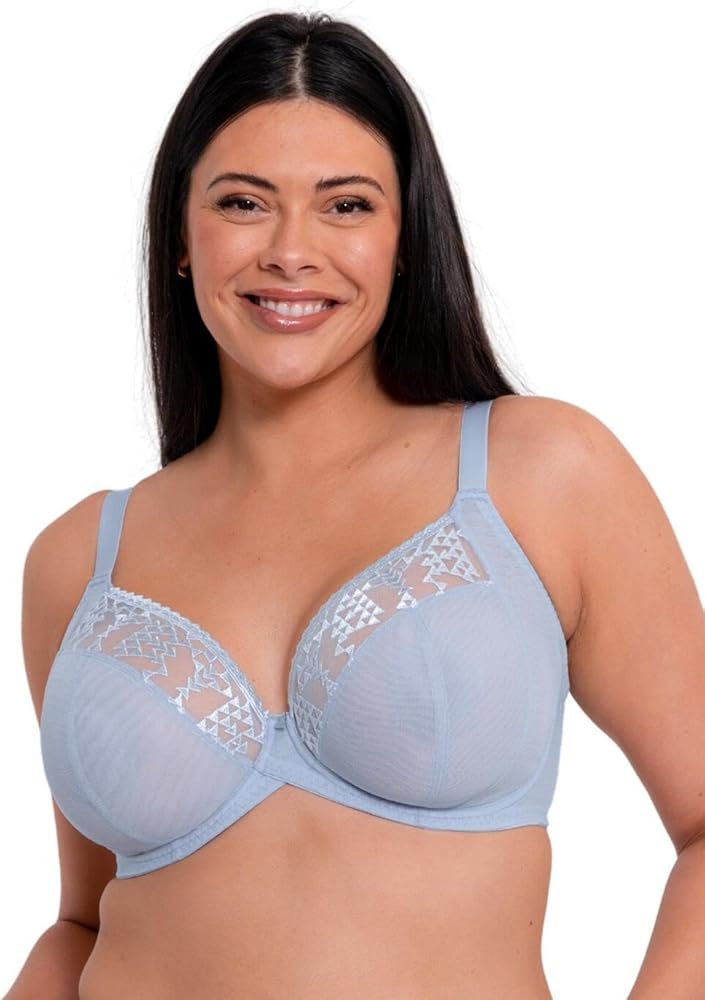
Understanding Bra Size
Grasping your bra size is vital for comfort and support. Each bra size includes two elements: band size and cup size. The band size, indicated by numbers like 32, 34, or 36, measures the area around your ribcage just below your breasts. The cup size, shown as letters like A, D, or G, represents the difference in inches between your band measurement and the fullest part of your bust.
Getting your bra size right is essential; wearing an incorrect size can cause discomfort, pain, or even long-term issues like back and shoulder pain. Many women are surprised to learn their bra size can change due to weight fluctuations, pregnancy, or monthly variations. Regularly checking and adjusting your size is crucial for ensuring a proper fit.
To determine your bra size, start with your band measurement using a soft tape measure. It should be level and snug but not overly tight. Next, measure around the fullest part of your breasts to get your full bust measurement. The difference in inches between these two measurements indicates your cup size. For example, if your band size is 36 inches and your bust is 43 inches, you likely wear a G cup.
A well-fitting bra enhances comfort and provides necessary support for your breasts, regardless of their size. The right size significantly improves how clothes fit and how you feel. Whether you seek everyday comfort or a special style, knowing your correct size is key to looking and feeling your best.
Key Factors for Fitting 36G Breasts
Finding the perfect bra, especially for 36G breasts, involves several factors to ensure comfort, support, and style. The fit is determined by the band and cup size. For a 36G, this means a 36-inch band paired with a G cup, presenting unique needs compared to smaller sizes.
The band size serves as the foundation of any bra. If it’s too tight, it can dig in; too loose, and it won’t provide adequate support. For women with 36G breasts, a snug but comfortable band distributes breast weight and keeps the bra secure throughout the day. Cup size is equally important; a G cup must fully contain the bust without feeling overly tight or leaving gaps. A well-fitting cup prevents spillage and ensures support from all angles.
Bra style impacts fit and feel significantly. Full cup, plunge, and underwire bras are popular among those with 36G breasts, each offering distinct advantages. For instance, underwire bras provide additional lift and help prevent back and shoulder strain, while full cup styles offer maximum coverage and support. Choosing the right style can enhance how your clothes fit and boost your confidence.
Material also plays a role; breathable, quality fabrics keep you cool and comfortable, particularly during all-day wear. Bras designed for larger cup sizes often feature reinforced bands and wider straps, enhancing overall support and comfort. These features are especially beneficial for women with heavier breasts, as they help distribute weight evenly and alleviate discomfort.
Wearing the wrong bra can lead to several issues, including discomfort, pain, poor posture, and inadequate support. Regularly checking your bra size is important, especially after weight changes or body shape adjustments. Consider how your clothes fit over your bust; a well-fitting bra can significantly enhance your outfits.
Ultimately, comfort is crucial. A suitable bra should provide support without causing pain or restricting movement. Women with 36G breasts enjoy more options than ever, with many brands offering beautiful, supportive bras in various styles. Take time to find what fits and feels best for you, and seek insights from others with similar experiences. The right bra size and style can greatly impact your daily comfort and confidence.
Understanding the 36G Bra Size
Breast size often comes with misconceptions, and a 36G is no different. Many assume a “G” cup is exceedingly large, but cup size depends on band size. A 36G bust is proportional to a correctly fitted 36 band, making the right support essential for comfort and health. Large cup bras are specifically designed to provide the necessary support and comfort for sizes like 36G.
Embrace your shape with confidence while enjoying both comfort and style in your 36G bras.
What Does 36G Represent?
Bra sizing comprises two parts: the band size (the number) and the cup size (the letter). A 36G means:
-
The band size (36) measures around the ribcage beneath the bust.
-
The cup size (G) indicates the volume of breast tissue relative to the band size, determined by the difference between band size and bust measurement.
Note that cup size is not absolute. A 36G differs from a 32G or 40G because the band affects overall volume. A 36G has the same cup volume as a 34GG or 38F, making sister sizing critical in bra fitting.
Measuring for a 36G Bra
Finding the correct bra size is crucial for support and comfort when looking for 36G bras. Accurate measurements ensure your bra fits well, supports your bust, and boosts your confidence. Here’s how to measure for a 36G bra. If you’re uncertain about your fit, professional bra fittings can be beneficial.
Measuring Band Size
Begin by measuring your band size. Use a soft tape measure snugly around your ribcage, just beneath your bust (this is known as the under bust measurement). Keep the tape level and parallel to the floor for an accurate reading. Inhale deeply, then record your measurement in inches. For instance, if you measure 36 inches, your band size is likely 36. The band should fit comfortably and securely without restricting movement, as it provides most of the support.
Determining Cup Size
Next, measure the fullest part of your bust, keeping the tape measure level. Subtract your band size from this bust measurement; the difference in inches corresponds to your cup size (A, B, C, etc.). For a 36G bra, this difference is significant, indicating a larger cup size that requires specialized support. Accurate measurements ensure you find bras that provide optimal support, especially for fuller busts. Taking the time to measure properly helps you find a bra that fits well throughout your day.
Challenges and Considerations for 36G Breasts
1. Importance of Support
A well-fitting bra offers essential lift and weight distribution to alleviate back, neck, and shoulder pain. For 36G breasts, a supportive bra should also provide lift and separation, vital for comfort and shape. Women with larger breasts often face posture challenges, making high-quality bras essential. Look for:
-
Wide, sturdy straps to prevent shoulder digging.
-
Robust underwire to support breast tissue.
-
A snug band to anchor the bra properly, as about 80% of support comes from it.
2. Common Fitting Errors
Many unknowingly wear the wrong bra size, leading to discomfort and inadequate support. Common mistakes include:
-
Choosing a band size that is too loose (resulting in inadequate support).
-
Wearing a cup size too small (causing spillage or the “quad-boob” effect). Bras with side support can help enhance fit for 36G breasts.
-
Failing to adjust straps properly for lift and comfort.
3. Recommended Bra Styles for 36G
Finding the right bra style significantly enhances comfort and shape. Recommended styles for 36G include:
-
Full-Coverage Bras – Deliver maximum support and coverage.
-
Balconette Bras – Offer lift while maintaining a natural shape.
-
Sports Bras – Essential for minimizing bounce during activities.
-
Minimizer Bras – Help distribute breast tissue evenly for a streamlined appearance.
-
Bras with Wide Straps – Especially beneficial as they help distribute weight and enhance comfort.
4. Specialized Bras for 36G
Specialized designs for 36G bras aim to provide optimal support and comfort for larger busts. These bras often feature reinforced bands, wider straps, and cups engineered to lift and separate, ensuring a flattering fit. Molded cups can also offer extra shaping and support, helping to create a smooth silhouette under clothing. For instance, a plunge bra in a 36G size is designed to provide support while creating an attractive neckline. Other styles, such as full coverage or balconette bras, cater to the unique needs of a 36G bust. Explore various brands and styles, whether online or in-store, to discover what fits and feels best for you. Choosing the right bra size and style ensures the support and comfort you need to feel confident every day.
Body Type Considerations
When shopping for 36G bras, consider your body type to find the best fit and style. Different shapes may benefit from various bra styles for optimal support and comfort. For fuller figures, bras with wider bands and structured cups offer extra support. Conversely, those with petite frames may prefer lighter, more delicate styles, such as plunge or t-shirt bras. Exploring a range of styles, including strapless, balconette, or plunge bras, can help you find the perfect match for your body. Understanding your breasts' shape and size aids in making better style choices. By recognizing your body's needs and browsing through diverse 36G bras, you can secure a comfortable fit and the necessary support, regardless of your shape or style preference.
4. Fashion Tips for Dressing with a Larger Bust
Choosing outfits for a larger bust can be tricky, but thoughtful selections can enhance comfort and style for women with a 36G bust. Here are some outfit tips to consider:
-
Structured tops and blazers create a flattering silhouette.
-
V-necklines and wrap dresses define the waist without adding bulk.
-
Supportive camisoles and bodysuits offer added security under fitted outfits.
Placing Your First Order
Ordering your first 36G bra can be daunting, but with the right approach, you can secure a comfortable and supportive fit. Many find understanding their true size key to avoiding discomfort and frustration. Accurately measuring your band and bust size is vital; use a soft tape measure around your ribcage for the band and around the fullest part of your breasts for the cup. The difference in inches between these measurements will help you determine your G cup size.
When shopping for bras, especially for larger sizes, consider your body shape and personal style preferences. Underwire bras are a popular choice for G cup sizes, as they provide the lift and support needed to prevent back and shoulder pain. If you seek a bra suitable for various outfits, a plunge style can offer a flattering neckline while still delivering necessary support. Remember to consider your waist and overall shape when selecting clothes to complement your new bra; structured tops and supportive fabrics can create a balanced silhouette.
If you’re uncertain about your size or which style suits you best, don’t hesitate to ask for assistance. Many stores provide professional fittings, and knowledgeable staff can help you find the right bra size and style for your needs. Trying on different brands and styles is crucial, as sizing can vary significantly. The goal is to find a bra that feels secure, prevents discomfort, and boosts your confidence with every wear.
Shopping for your first 36G bra is a chance to learn more about your body and what makes you feel your best. Take your time, measure carefully, and don’t hesitate to ask questions or explore new options. With countless styles and brands available, you’ll find a bra that fits your body, supports your bust, and makes you feel confident in any outfit. A well-fitting bra is essential for health and comfort, so embrace the journey and enjoy the positive impact a great-fitting bra can have on your daily life.
Final Insights
A 36G bust is both beautiful and manageable with the right approach to support, fit, and style. Investing in well-structured bras and selecting flattering clothes can enhance confidence and comfort. For those unsure about their correct size, professional fittings at a lingerie boutique can be invaluable.
By understanding your body and choosing the right garments, you can confidently embrace your shape.

