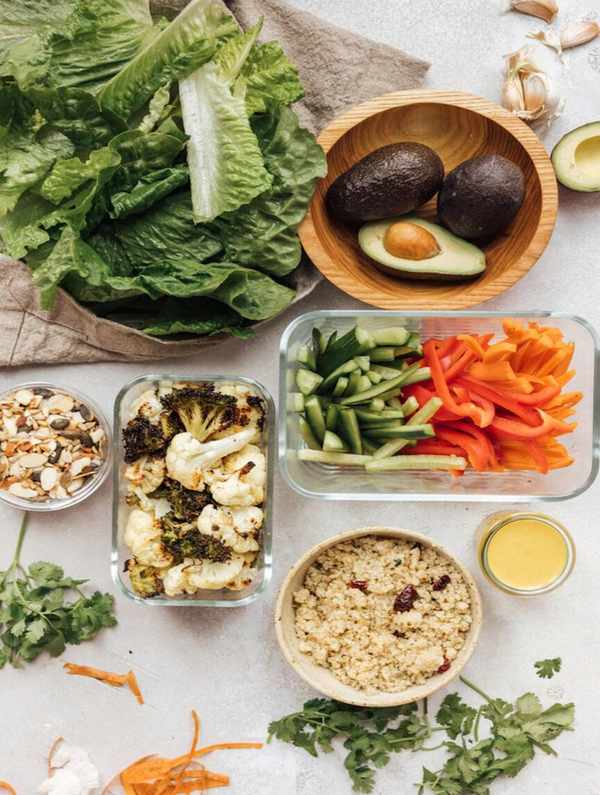
As the New Year begins, many feel an urge to repair from holiday indulgences. This belief is common among those seeking nutrition advice. But what if a more supportive reset meant embracing nourishment instead of detoxing? After weeks of chaos, our bodies crave simplicity—nutritious meals, hydration, gentle exercise, and adequate rest. As a nutrition consultant who has witnessed the drawbacks of strict diets, I advocate for a gentle start to the year, focusing on anti-diet principles and reconnecting with our bodies.

Understanding the Pressure to Conform This Season
With the New Year comes an unspoken expectation to rein in our habits. After festivities, the cultural narrative pushes us to compensate. Yet, what if instead of recovering from the holidays, we aimed to gently restore balance?
A true reset doesn't rely on strict rules or deprivation. It encourages us to reestablish our rhythm. Starting with supporting digestion and nurturing our nervous systems, this anti-diet philosophy helps us break free from extremes and embraces sustainability.
Why Detoxing Isn't Necessary
It's worth noting that the concept of detoxing hints at the idea that our bodies are damaged after enjoying the holidays. This notion is misguided. Generally, we don't need to detox to regain our health; our bodies already possess the means to eliminate what's unnecessary.
Layering extreme diets over holiday stress and disrupted sleep only adds to the strain. Digestion can slow, energy may wane, and hunger signals can become confusing. Instead of focusing on what to eliminate, a gentle reset emphasizes what to reintroduce: regular meals, hydration, warmth, and consistency.
Nourishment is not only about nutrition; it also involves our relationships.
Rebalancing Through Nourishment
What does winter nourishment entail? It starts with grounding meals that are easy on the digestive system. Consider creamy cauliflower soup topped with shredded chicken, or a winter kale and citrus salad with soft-boiled eggs or baked tofu. Protein serves as a foundation, fiber aids digestion, and healthy fats enhance vitamin absorption. This simple combination works wonders! Additionally, how we consume our meals matters. Slowing down can significantly benefit digestion and overall health. Remember, nourishment intertwines with our relationships.
Digestive-Friendly Simple Meals
After a season of variety, sticking to simple meals often helps digestion. Think of warm, comforting dishes like vegetable stews or sheet pan rice, which allow the digestive system to relax. Pairing fiber with protein and fat stabilizes blood sugar and promotes fullness. Small servings of fermented foods can support gut health without overwhelming it. This isn't about strict eating; it's about selecting foods that are gentle on your body right now. Often, the simplest meals are the most beneficial.
Hydration and Movement Practices
Hydration represents a crucial aspect of nourishment, especially after a period filled with travel and indulgence. Rather than viewing water intake as a target, transform it into a daily ritual: start your day with a glass of water with electrolytes (or lemon), sip warm tea between meals, and add minerals when energy dips. Regarding movement, aim for restorative activities rather than exhausting ones. Gentle walks, light strength training, or yoga can help you reconnect with your body. Focus on feeling present instead of burning calories.
Kickstarting Your New Year Reset
Beginning a new routine can feel challenging—not due to a lack of knowledge, but because of the motivation to start. This reset isn't about strict rules; it's about incorporating steady practices that convey safety and consistency to your body. Begin with small steps and gradually build. Here's how:
1. Center your day with one nourishing meal. Select one meal to be consistently balanced. Include protein, fiber, and healthy fats. Keep it simple and repeat. This can greatly help with digestion and decision fatigue.
2. Eat regularly, even when your appetite feels off. Irregular eating can stress digestion and blood sugar levels after the holidays. Strive for meals (or substantial snacks) every 3–4 hours. This consistency helps appetite signals recalibrate.
3. Make hydration visible and automatic. Keep a water bottle in sight. Link hydration with an existing habit, like emptying the dishwasher in the morning. Small reminders can create momentum.
4. Choose movement that revitalizes energy, not depletes it. Ask yourself: What kind of movement would make me feel better today? Options include walking, light strength exercises, mobility work, or yoga. Prioritize consistency over intensity.
5. Prioritize sleep as part of your wellness routine (because it is!). Aim for earlier nights, softer lighting, and reduced screen time before bed. Sleep aids everything from digestion to appetite regulation, more than any reset plan can achieve. It's time to reset your circadian rhythm.
A Softer Approach to the New Year
This gentle reset for the New Year doesn't require you to start from scratch. It encourages a return to nourishment, rhythm, and supportive habits. When wellness focuses on replenishment instead of restriction, it becomes sustainable beyond January. Here's to rediscovering ourselves in 2026.