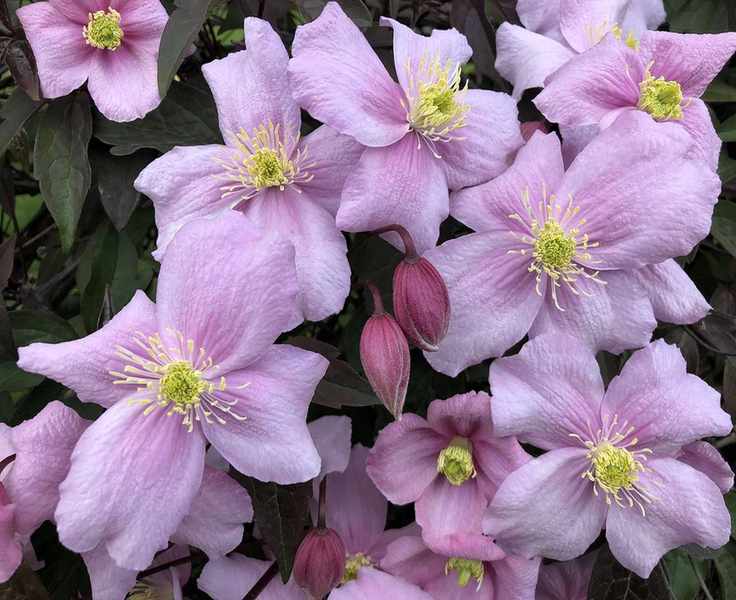
Clematis are renowned for their vibrant blooms and delightful fragrances. With a type available for every month, now is a perfect time to plant!
If you're a fan of clematis – and who isn't? – consider cultivating various species to enjoy their beauty throughout the year.
In this guide, find out which clematis to select for color, fragrance, and growth coverage, as well as tips on planting and maintenance.
Choosing the Right Clematis
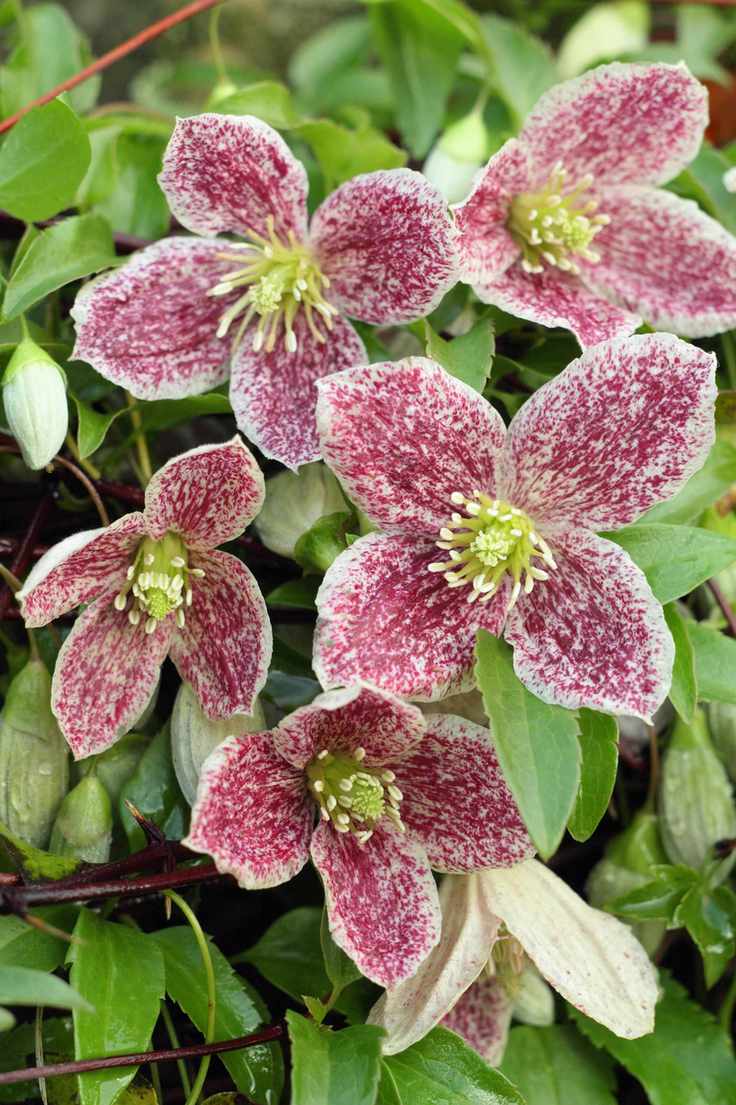
According to landscape architect Kirsten Coffen, there’s an impressive array of clematis vines that bloom from spring to early fall. These climbing plants are a fantastic choice for any garden, and many varieties thrive in containers as well.
Starting with spring-flowering types, consider C. alpina and C. macropetala, with delightful cultivars like powder-blue ‘Wesselton’ and ‘Frances Rivis’. By May, enjoy the enchanting scents of C. montana and C. armandi.
As summer approaches, classic clematis like pink and white striped ‘Nelly Moser’ take center stage, followed in July by the reliable C. viticella varieties (like ‘Madame Julia Correvon’) and the fragrant C.xtriternata ‘Rubromarginata’ along with C. rehderiana.
As the seasons change, the vibrant yellow bells of C. tangutica brighten fall, while the white or maroon flowers of C. cirrhosa bloom in the winter sun.
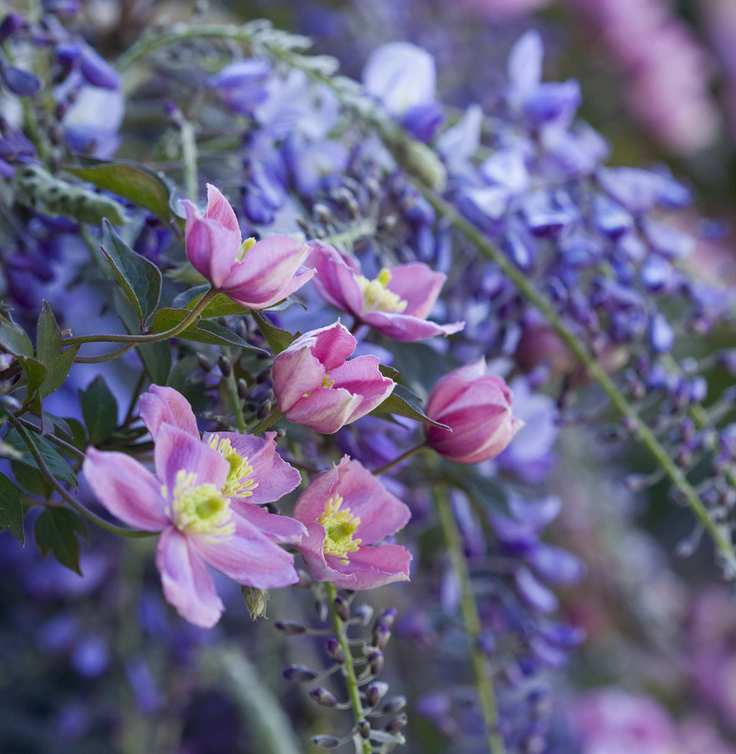
If you must choose just one, consider the mountain clematis (C. montana). Val Le May Neville-Parry, custodian of the National Collection of this species, states that these plants flower extensively in spring and summer, provide nesting for birds, and exude a heavenly scent. Favorites include 'Miss Christine' and 'Van Gogh'.
With their informal and romantic growth habit, montanas are perfect for adorning summerhouses and sheds. The large varieties, affectionately termed 'beautiful thugs', are ideal for disguising unsightly structures.
Timing for Planting Clematis
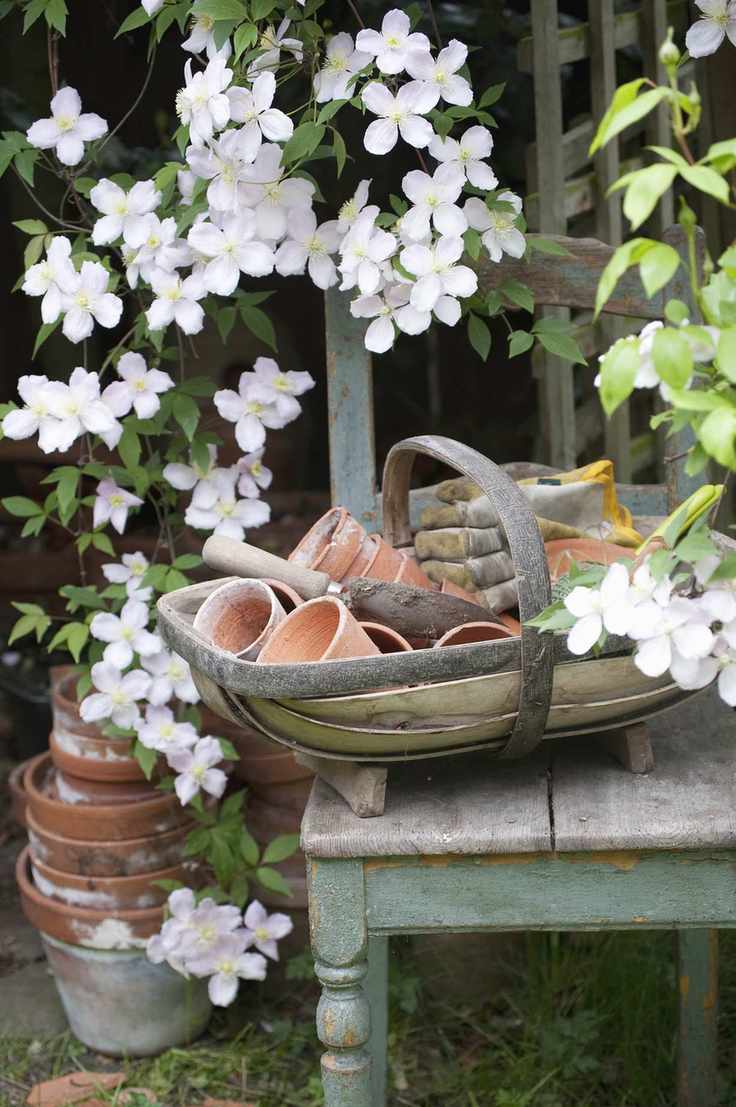
Clematis can be planted year-round, but it's best to avoid flowering periods. Spring is ideal for those flowering in late summer, fall, and winter, while autumn is prime for spring and early summer bloomers. Winter planting is also good unless you’re in a very cold area.
Optimal Planting Locations
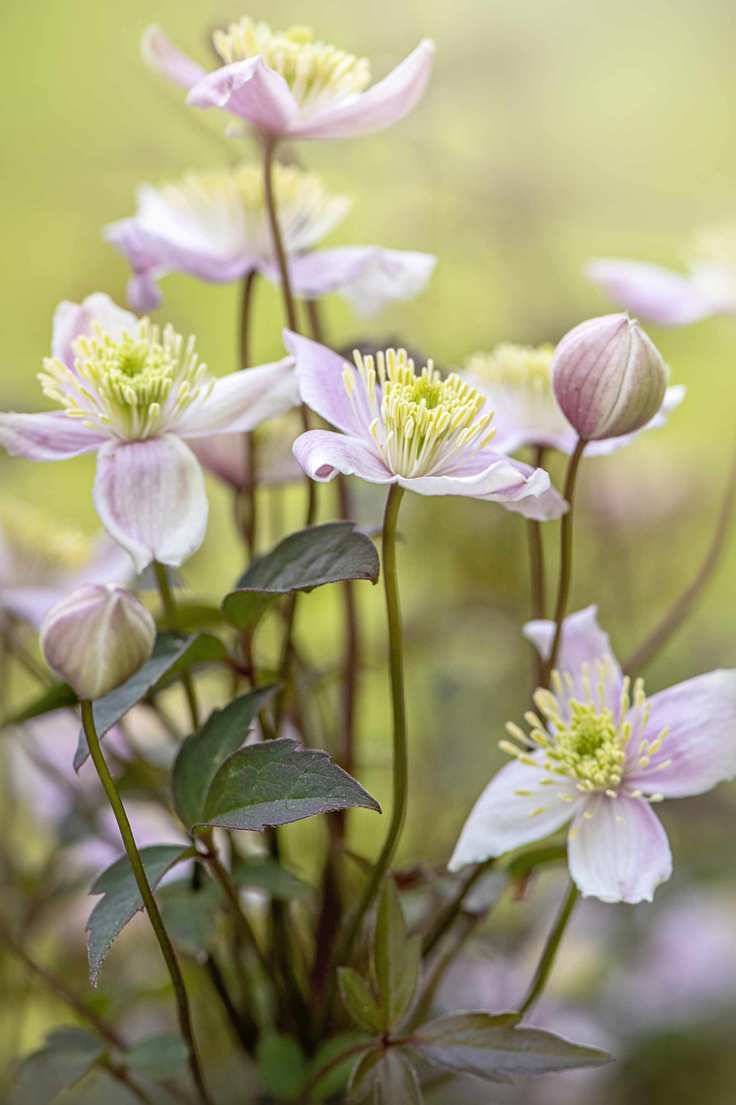
As landscape designer Richard Schipul mentions, clematis can beautifully enhance stone walls, softening hard surfaces while adding vibrant color. They also work well on metal supports, adding vertical interest to your space.
Landscape architect Kirsten Coffen often uses clematis to create stunning entrances: “Training a clematis up a garden arbor creates a captivating gateway,” she notes. “A flowering archway invites exploration.”
When choosing a support for clematis, remember that many will only cover the structure partially throughout the year. Select a trellis or arbor that remains attractive even when the plant isn't in full bloom.
Ensure the base of your clematis is shaded to keep roots cool, while allowing the rest of the plant to climb into sunlight or partial shade. Val recommends planting clematis about 3ft (90cm) from any wall or tree it will climb, as they prefer well-drained soil that isn't overly dry or saturated.
Steps for Planting Clematis
Follow these steps to ensure successful clematis growth.
1. Prepare the Planting Site
Begin by soaking the plant in water for an hour.
While it soaks, prepare the soil. Clematis thrive in deep, fertile, moist, well-drained soil. Loosen the earth and mix in organic matter, such as compost.
2. Position the Clematis
Lean the clematis at a 45-degree angle toward the wall or fence. For large-flowered varieties, plant them 2 to 4 inches below the compost level they had in their pot. Most other types prefer to be placed slightly below soil level.
3. Train the Clematis
Provide a structure, like trellis ideas or pergolas, for the climbing stems to wrap around.
Growing Clematis in Containers
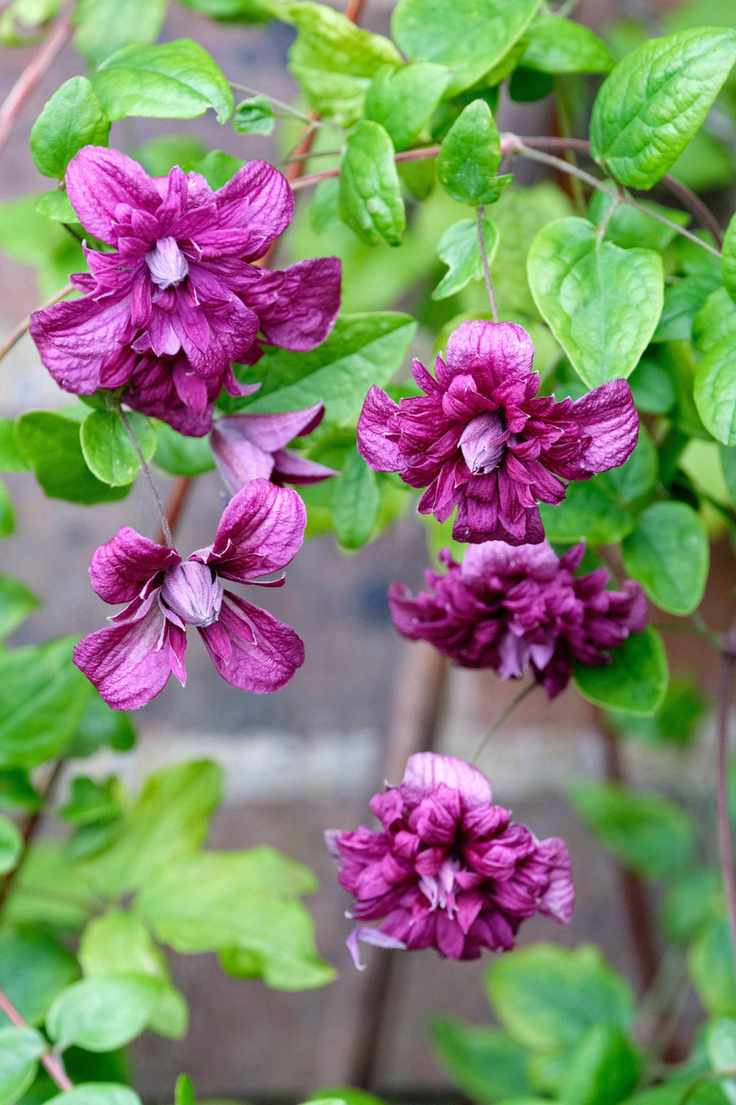
To grow clematis in pots, choose a large container to accommodate healthy root development, especially for vigorous types. Soak the plant beforehand, then create a deep hole (at least 18 inches) in the pot filled with rich, well-drained soil mixed with organic matter. Position the clematis to lean on a support or trellis within the pot. Ensure the pot stays shaded from intense sunlight, as clematis roots prefer cooler conditions and containers can heat up quickly.
Caring for Your Clematis
Water newly planted clematis consistently during dry spells.
Fertilize annually with a potassium-rich formula.
Mulch each year with well-rotted manure or organic compost.
Protect young plants from slugs and snails.
Prune according to the specific group your clematis belongs to, and deadhead as necessary.
Companion Planting with Clematis
Landscape designer Bethany Rydmark enjoys pairing clematis with climbing roses, noting that they beautifully complement each other on trellises and over fences. She loves the combination of the orange English climbing rose, Lady of Shalott, and the ivory and purple Clematis florida var. florida 'Sieboldiana', as they bloom together throughout summer and early fall.
Clematis can also be grown through small trees, according to garden designer Claire Mee: “The lavender-blue 'Perle d’Azur' weaves beautifully through an olive tree, providing flowers throughout summer.”