
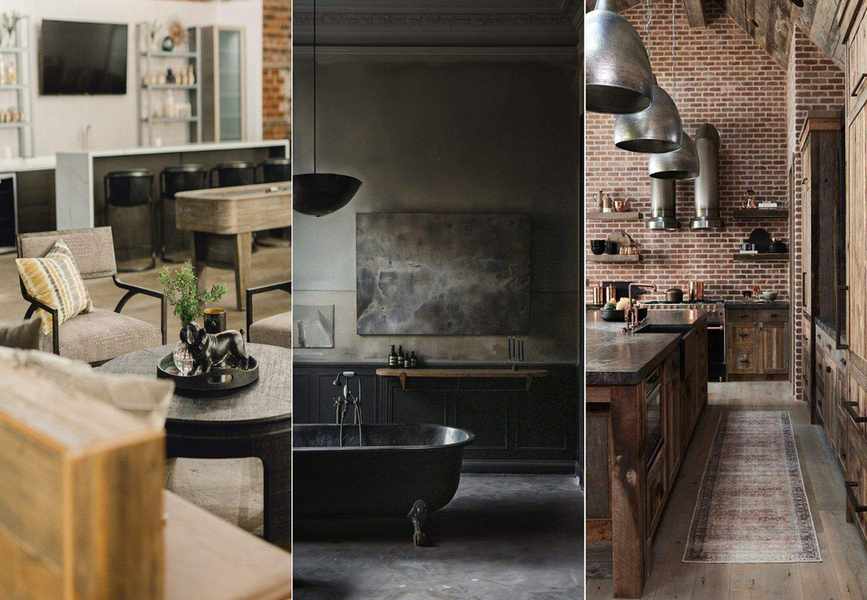
This year, earthy and organic design features have gained traction, with both homeowners and designers looking to nature for inspiration. Yet, the rising interest in metallic finishes and chrome elements indicates a strong desire for modern, sculptural aesthetics. As a result, industrial-style interiors—combining streamlined designs with organic materials—are more popular than ever.
Often described as 'edgy,' 'cool,' and 'ultra-modern,' industrial decor transcends its roots in set designs and vintage properties, fitting seamlessly into any home. To understand this trend better, we consulted designers who appreciate the aesthetic. Here's what they shared.
Understanding Industrial-Style Design
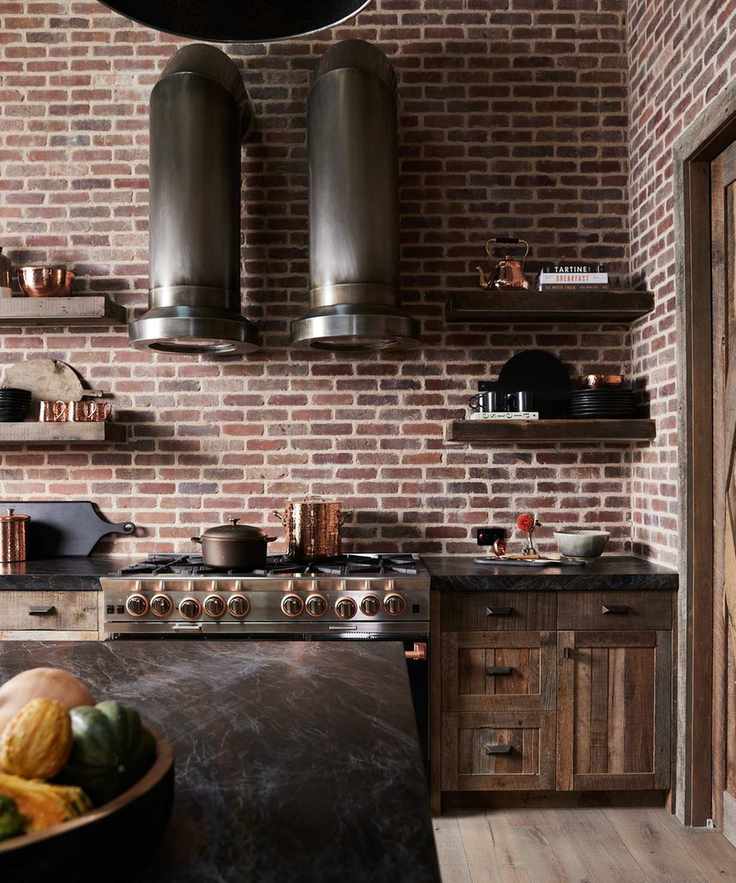
'Industrial style fuses raw, exposed materials with a touch of Victorian elegance,' explains Mara Rypacek Miller, managing director and founder of a well-known design brand. 'Key features include exposed brick, metal fixtures, and intricate tile patterns. Handcrafted lighting from materials like brass or ribbed glass adds an authentic vintage feel.'
This style often embraces rough, unfinished materials alongside sleek metal accents, creating a composed yet inviting atmosphere. While these spaces can lean dark, they can accommodate any color palette you prefer.
'Consider the color palette—Victorian schemes often feature rich colors like dark greens and maroons, which work beautifully with metallics,' Mara adds. 'The appeal lies in its balance of practicality and timeless charm, drawing from the industrial era's innovation and the craftsmanship of the Victorian age.'
Brianna Untener, an interior designer, notes that the style's defining features are its rawness, including elements like exposed columns and sleek metal furniture. Artwork can complement this aesthetic, mingling well with the minimal materials characteristic of industrial spaces.
'This design thrives in city apartments or even farmhouse homes. I incorporate industrial features by adding edgy pieces with metal accents,' Brianna explains.
'There are various ways to embrace industrial style—start with a palette of brushed steel, cast iron, and darker fabrics,' suggests Christiane Lemieux, a designer and founder of a luxury homeware brand. 'This style shines in open spaces, drawing inspiration from factories and lofts.'
Christiane warns that attempting industrial design in new builds can feel forced if they lack the characteristic architectural details. She recommends embracing your home's unique quirks: 'In my loft, we celebrate the original elements, from beams to sprinklers. If you're in an old factory, showcase those features instead of hiding them.'
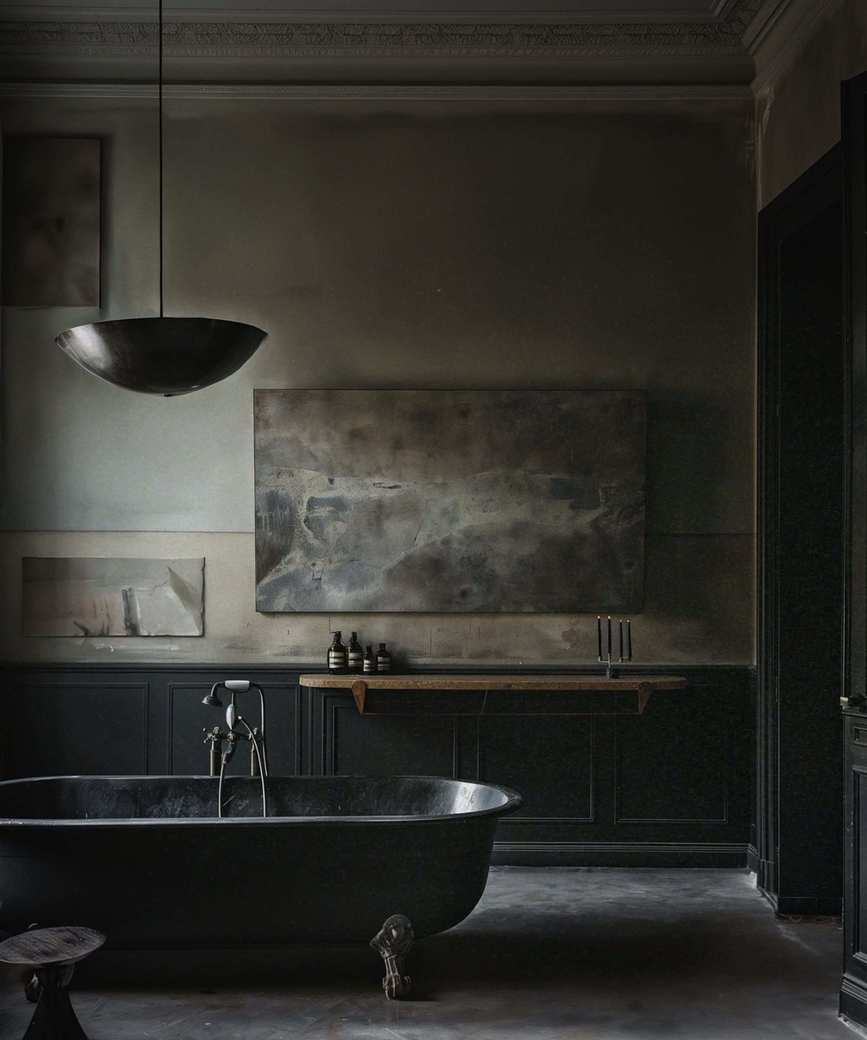
Bathrooms, like the one shown above, offer a fantastic opportunity to explore industrial style. They inherently feature metallic finishes and a mix of sharp and curved lines, making them ideal for this aesthetic. Jorge Hernandez, head of design at a prominent bathroom brand, says bathrooms are perfect for experimentation.
'Incorporate exposed plumbing, textured finishes, and metal accents into any bathroom design. For modern bathrooms, heavy metallics like brushed brass or stainless steel can achieve an industrial vibe. Accessories that combine rough textures with heavy metals enhance the look,' Jorge advises.
'Even if you're leaning toward a more traditional bathroom design, industrial aesthetics can serve as inspiration. They draw from the Industrial Revolution, making them ideal for period homes,' he continues.
Bringing Industrial Style to Your Home
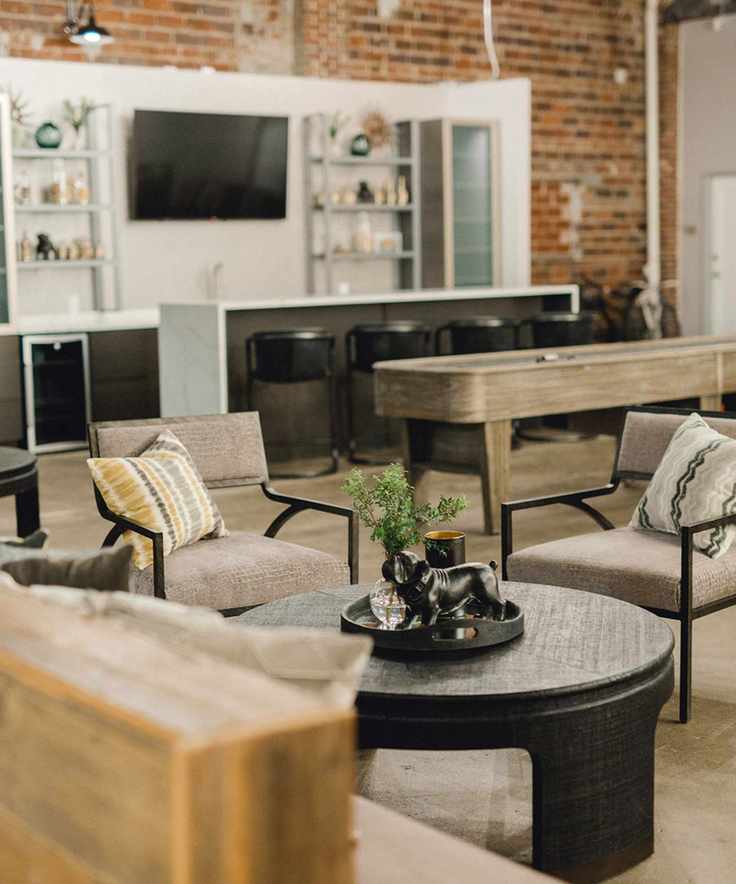
There's no single method to infuse industrial style into your home, but several key design elements can guide you. Jodi Peterman, CEO of a design firm, states, 'Embrace raw, unfinished elements and integrate them with modern designs.'
In a recent project, her team transformed an old truck assembly building into modern apartments with shared living areas. Here are her top tips for achieving this look.
'Exposed architectural features are hallmark traits of industrial style. Think visible brick walls, steel beams, and open ductwork, which lend an authentic, rugged charm,' she notes. 'Gray, black, white, and earthy tones create a cohesive appearance that complements the raw materials.'
Combining metal and wood finishes is essential, and reclaimed wood adds even more impact. An open layout pays homage to the building's past while catering to contemporary living.
'Incorporating vintage or repurposed items like factory carts, vintage lights, and antique furniture enriches the space with character and history,' Jennifer concludes.
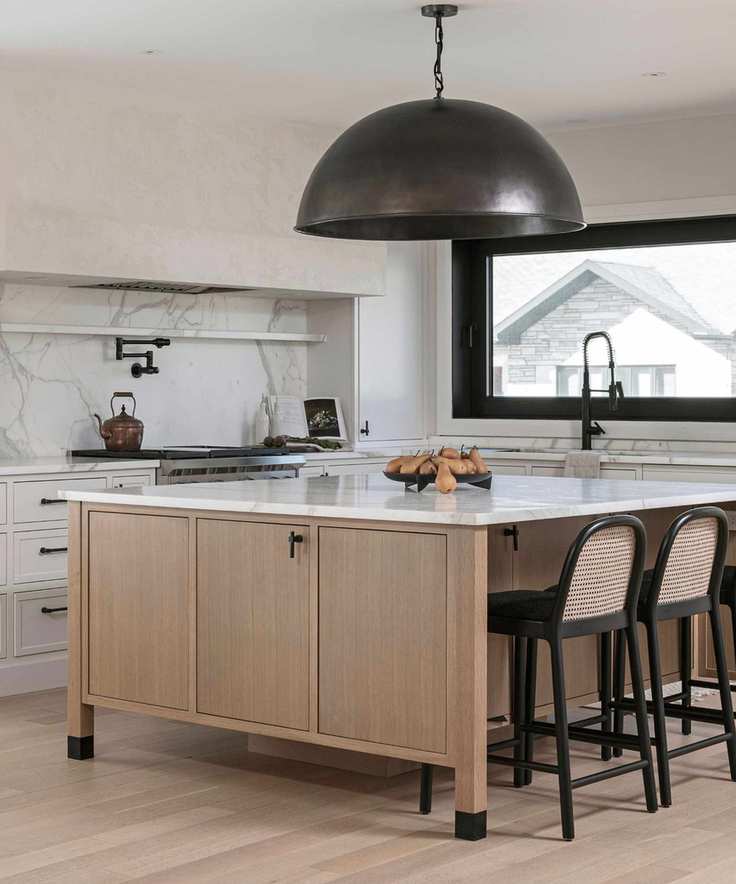
While some enjoy spaces perfectly suited for industrial styles, others may need to adapt their existing areas. Chelsea Clark, brand head at a wallpaper company, suggests starting small to gradually introduce industrial elements.
'Begin with minor changes, like adding industrial-inspired accessories. Metal light fixtures, vintage clocks, distressed wallpaper, or rustic furniture can easily shift your home's vibe. Opt for exposed filament bulbs or Edison lights to enhance the industrial feel,' Chelsea recommends.
'For a bolder statement, consider concrete or brick finishes on floors, walls, and countertops. Use open shelving with metal brackets and select furniture with raw textures. Balancing these with softer textiles like rugs can help warm the overall aesthetic,' she adds.
Characteristics of Successful Industrial Spaces
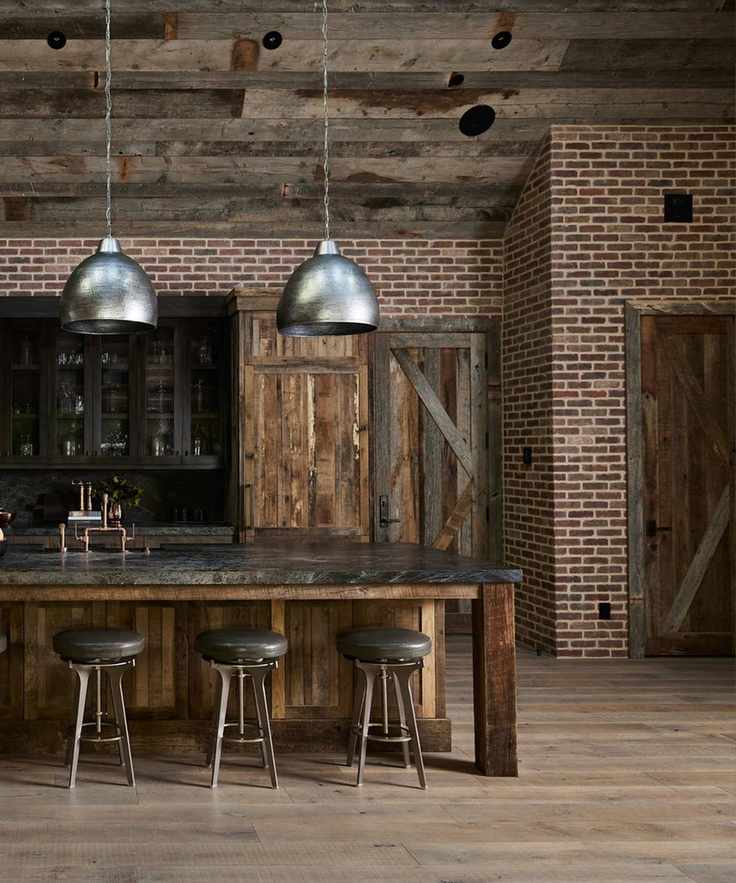
'This kitchen showcases many elements inspired by historical design,' remarks Jennifer Chipman, co-founder and principal designer of a design firm. 'The custom range hood mirrors industrial ventilation systems, perfectly complementing the mixed metals of the custom range and vintage plumbing fixtures.'
Every industrial-style space is distinct, yet successful designs merge the old with the new, channeling transitional decor. With exposed brick and natural wood ceilings, this room feels inviting, while unique lighting and furniture elevate the overall design. It's a moody take on farmhouse style, ensuring lasting appeal.
With their moody and edgy aesthetics, industrial interiors are undeniably on-trend. As 2024 approaches, designers and homeowners are infusing more personality into their spaces, and industrial design fits perfectly into this modern yet historic narrative.