
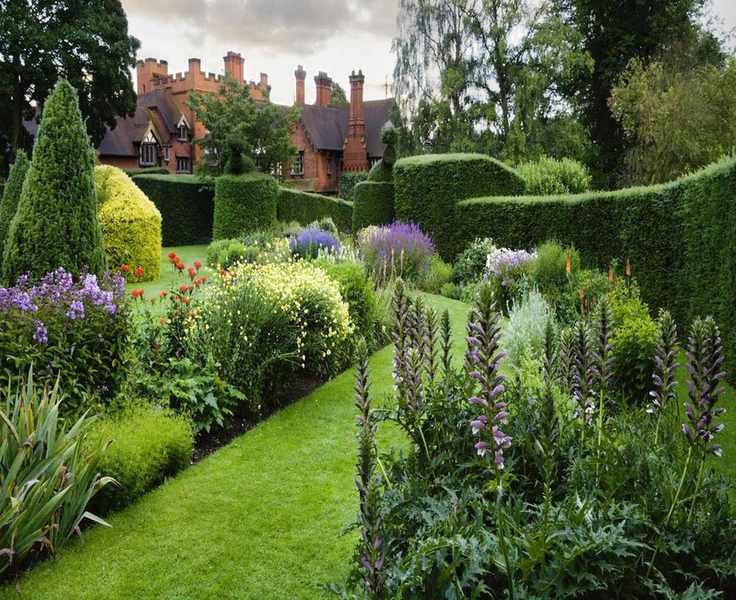
Arts and Crafts garden design elements remain relevant and can inspire contemporary gardens.
The movement that flourished in the late 1800s produced iconic gardens, leaving a lasting impact on modern gardening practices.
Integrate features from Arts and Crafts designs into your garden ideas for a modern backyard.
Experts from the National Trust in the UK share essential elements to consider when creating a garden with traditional charm.
Getting Started with Arts and Crafts Garden Design
For those wanting to design a backyard that complements an Arts and Crafts style home, this design approach is ideal.
"Contemporary gardening methods like harmonizing with nature and viewing gardens as extensions of living spaces originate from the Arts and Crafts era," states Rosie Fyles, head gardener at the National Trust.
This movement responded to industrialization and the rise of mass production, emphasizing craftsmanship and simplicity. These principles also shaped the Arts and Crafts garden, highlighting quintessential English garden ideas.
As William Morris famously said, ensure every element in your garden is either useful or beautiful. This philosophy encourages valuing nature, simplicity, and utility in any garden setting, according to Rosie.
1. Treat the Garden as an Extension of Your Home
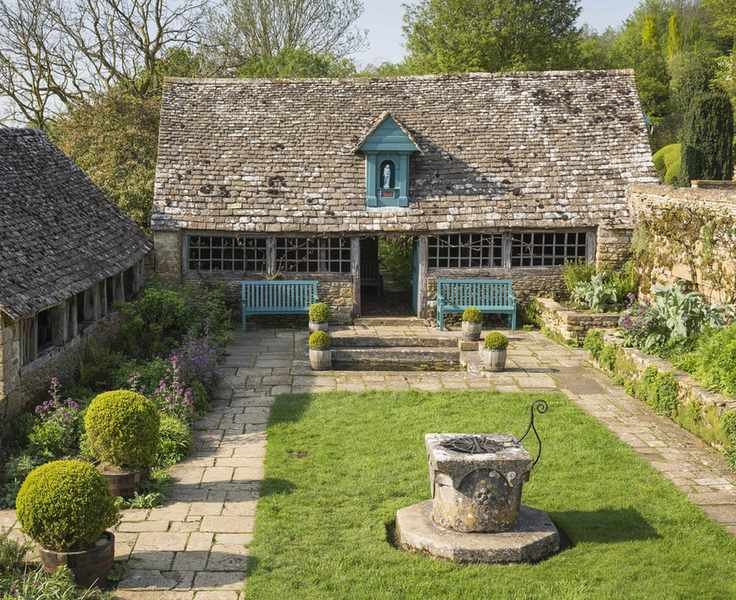
Consider the Arts and Crafts garden as a natural extension of your home, designed for outdoor living and enjoyment.
Whether barbecuing or utilizing outdoor kitchen concepts, we owe it to the early Arts and Crafts designers for fostering these ideas.
"Gardens were envisioned as social spaces with areas, or garden rooms, meant for enjoyment," explains Patrick Swan, an advisor for National Trust gardens and parks.
"Garden design became more domestic, allowing everyday homeowners to create beautiful urban gardens," he continues.
Incorporate this idea by adding patio concepts for relaxation or designated areas for activities, effectively creating outdoor 'rooms'.
Rosie advises, "Establish visual connections through repetition from your home to the garden."
2. Incorporate Natural, Handcrafted Materials
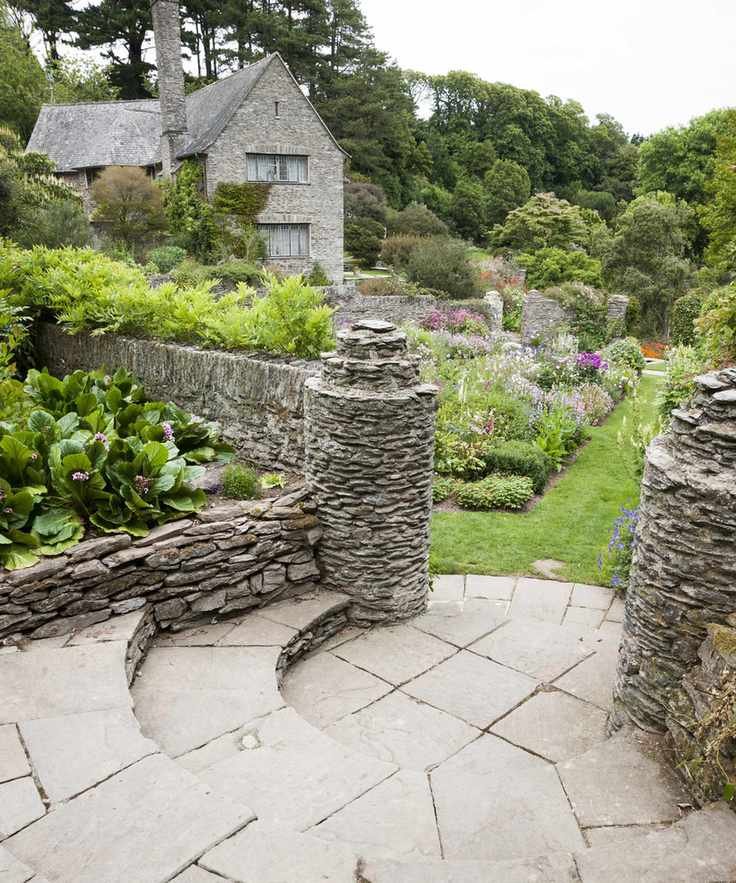
Arts and Crafts gardens focus on using natural, often locally sourced materials, celebrating traditional craftsmanship and regional styles.
"Gardens were designed with natural finishes, blending seamlessly with the surroundings for a relaxing experience," notes Patrick.
To achieve this aesthetic, utilize handcrafted, natural features like willow and hazel supports, or wooden seating, as suggested by Rosie Fyles.
When designing your backyard landscaping, prioritize local materials that resonate with your home's architecture.
3. Reflect the Surrounding Landscape
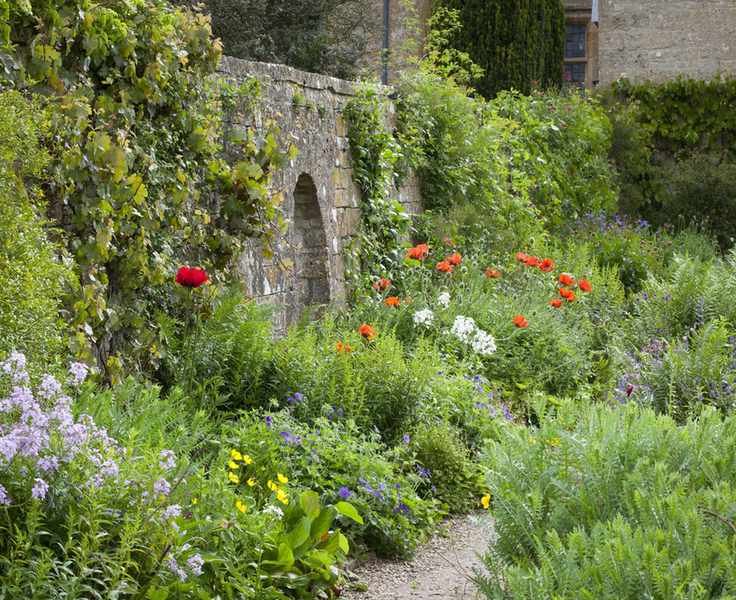
Arts and Crafts gardens should harmonize with their natural surroundings.
Patrick explains, "The house and garden should complement each other, making it seem as though the house has grown organically within the landscape, with plantings embracing its features."
When planning your flower bed ideas, Rosie suggests, "Incorporate colors, textures, and even local wild plant cultivars into your design."
Your garden should resonate with its environment, combining natural beauty and functionality.
4. Create Strong Architectural Elements
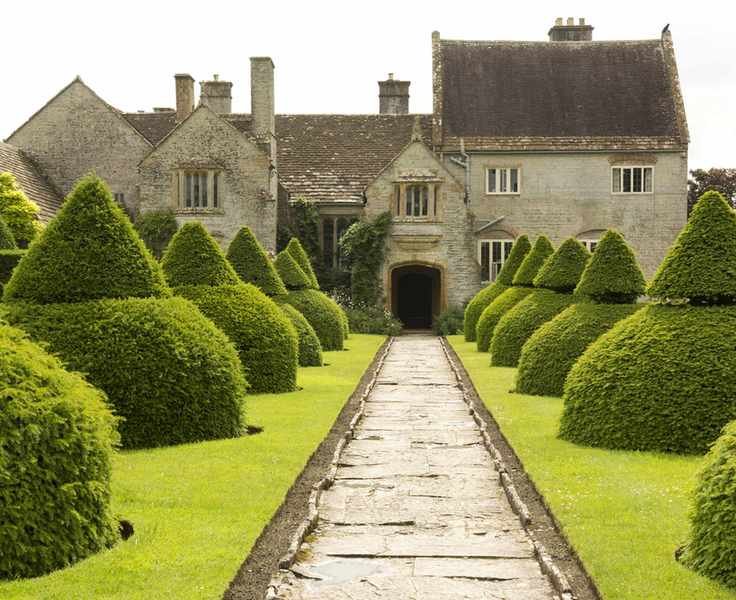
Arts and Crafts gardens are characterized by their strong architectural style, evident not only in hard landscaping but also in topiary and shaped hedges, according to Rosie.
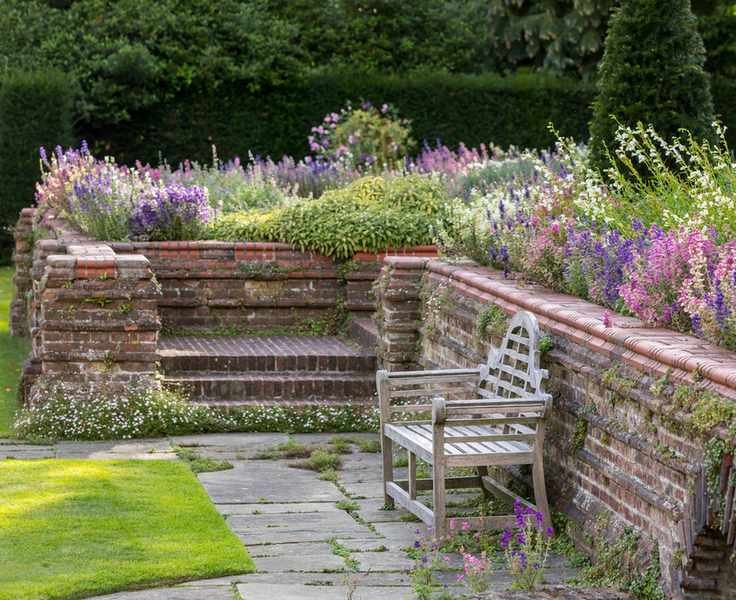
Architectural features often include terraces, sometimes equipped with steps and balustrades.
For example, the town garden at Goddards features three terraces, where the closest to the house is more formally planted, while the further one becomes increasingly informal with winding paths and a rock garden.
To design a modern Arts and Crafts garden, keep it straightforward yet ensure it has structural integrity with hardscaping, trees, and shrubs.
5. Embrace Lush Flower Beds

The Arts and Crafts movement advocated for lush, flowering cottage garden beds.
Rosie describes these gardens as featuring romantic plants, including climbing varieties, drifts of foxgloves, irises, roses, peonies, lavender, and delphiniums. Herbaceous borders were designed in a naturalistic manner, often planted closely in color drifts.
When considering garden color schemes, choose a palette that complements your building materials, allowing the garden to blend seamlessly with your home.
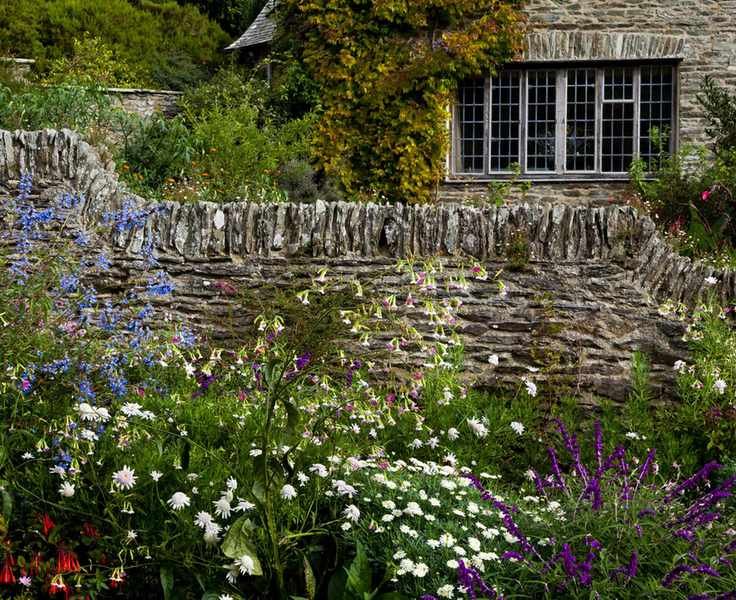
While many flowers mirror those found in Victorian gardens, Arts and Crafts gardens often stand out for their strong geometric lines and the interplay of vibrant blooms with hardscaping.
Rosie expresses, "What I appreciate about Arts and Crafts gardens is the meticulous attention to detail. Each element is beautiful, and together, they create a feast for both the eyes and the spirit."


