There's nothing quite like the joy of nurturing plants from seed. Be it flowers, vegetables, or herbs, growing from seeds is one of the most fulfilling aspects of gardening.
With so many options available, managing your planting schedule can become overwhelming. A well-structured seed sowing plan can alleviate this stress and keep you organized.
By creating a personalized seed sowing planner, you'll not only ease your own worries but also ensure your plants thrive by being sown at the ideal times. It's a win-win situation.

Key Elements of a Seed Sowing Timeline
Whether you're planting for flower beds or vegetable crops, a seed sowing timeline is essential. If you plan on sowing indoors or directly in the garden, having everything organized will prepare you for the upcoming season.
In my experience as a professional gardener, I managed extensive sowing programs, producing thousands of plants annually. I created meticulous planners detailing what to sow each week for several months.
The scale may differ from home gardening, but the advantages of having a plan remain universal. Based on my expertise, I've outlined eight important aspects to help you streamline your seed sowing process.
Compile a Plant List

Creating a planting list can be both exciting and a refreshing break from the dreary winter. Aim to finalize this list by mid-February so you're ready for indoor sowing.
Explore seed catalogs, websites, and social media to curate your wishlist, then order the seeds you wish to grow. This list will serve as the foundation for your sowing schedule.
Review Recommended Dates
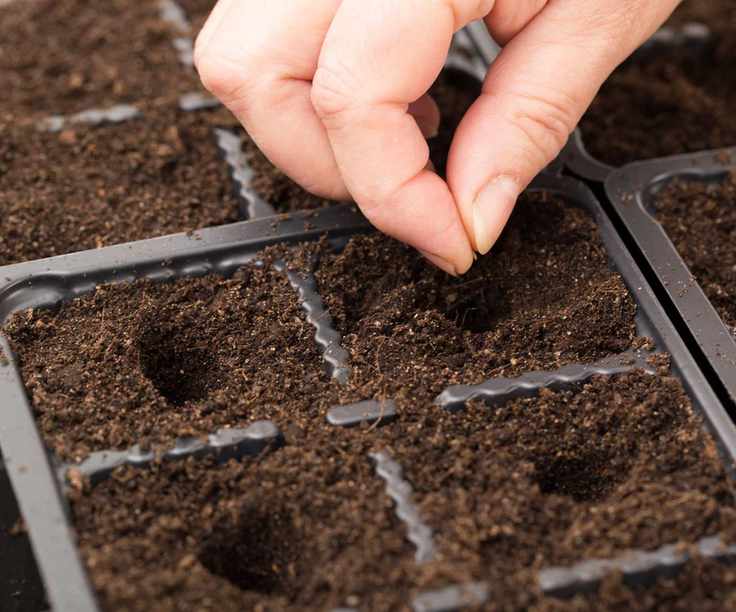
Regardless of whether you're using old seeds or leftovers, always check the packets for essential information. These will indicate the optimal sowing times for both indoor and outdoor planting.
Go through your wishlist and mark when each can be sown. Planning this out can help identify busier periods as temperatures rise, allowing you to stagger sowings for better organization.
Understand Frost Dates

Knowing your area's last frost date is crucial for determining when to transplant or sow seeds directly. This knowledge is vital for half-hardy and annual plants.
For transplants, calculate when to sow by considering the time from planting to transplanting. This ensures your plants aren't root-bound, which can hinder their growth.
Calculate Plant Quantities

Understanding how many plants you need can prevent over-sowing, saving space and resources, especially if you're managing a greenhouse.
Whether dealing with flowers or vegetables, consider the recommended spacing on seed packets to gauge how many plants you'll ultimately need. Add about 10-15% more to account for any that fail to germinate.
Employ Successional Sowing
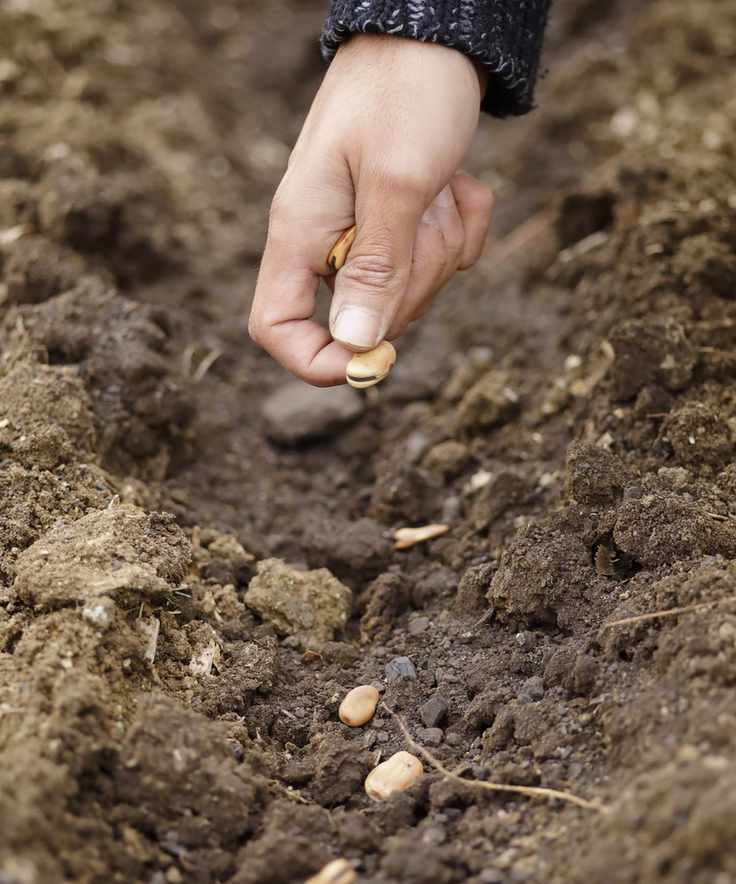
Successional sowing, primarily used for vegetables, can also apply to flower seeds. This method involves sowing in intervals for a continuous harvest throughout the season.
Many plants can be sown successively, both indoors and out, which can help avoid the rush during peak planting periods.
Don't Rush the Process

It's tempting to join the early sowers seen online, but starting too soon can lead to weak seedlings. For most, the best time to start is in February, once temperatures rise.
Determine Sowing Locations

Decide where you'll sow your seeds, as this impacts timing. Plants started indoors are frost-sensitive and should be moved outside only after the danger of frost has passed.
Consider your available space when deciding what to sow indoors versus outdoors, and adjust your plan accordingly. You may start some seeds indoors and follow with outdoor sowings later.
Finalize Your Plan

Creating your seed sowing schedule can be done in various ways; use pen and paper, a spreadsheet, or even an app to keep everything organized.
I prefer a spreadsheet, often printing a copy to keep handy in the garden. My plan includes details like plant names, sowing methods, and estimated readiness for transplanting.
Don't overcomplicate things. Simply organizing your seed packets by month can also help you stay on track.