
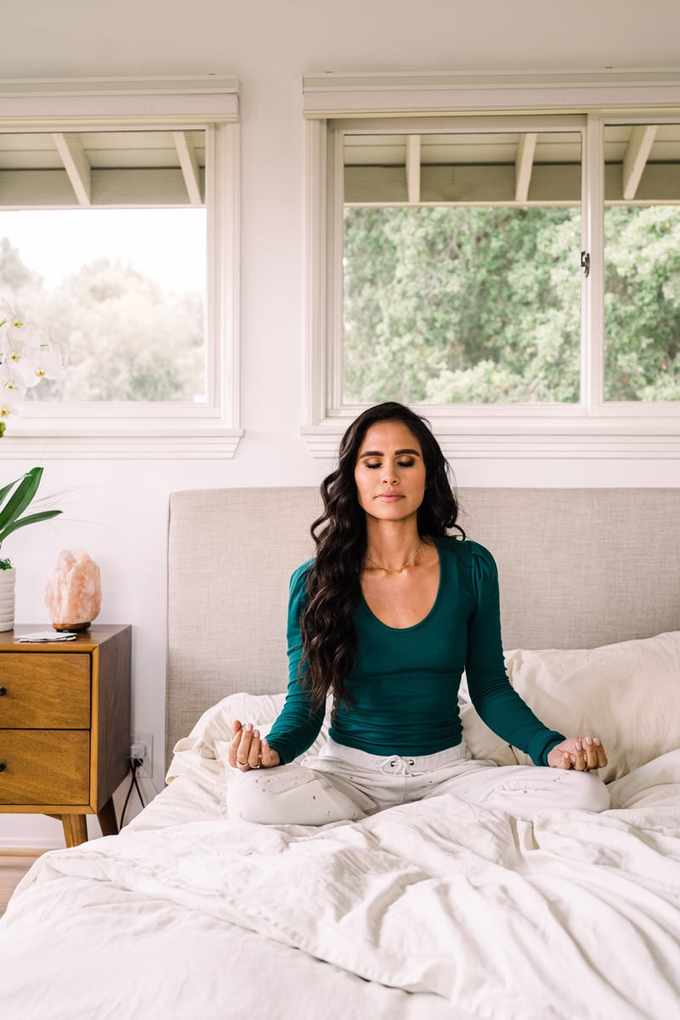
Life with two young boys is a whirlwind of activity: energetic, lively, and often loud. But finding calm? That's rare. Like many parents, I once viewed meditation as a luxury for those with extra time. Here's the truth: it's beneficial for everyone, even amidst the chaos of playtime and packed schedules. If you feel overwhelmed by the idea of meditation or think it takes too long, relax. You're in the right place for a beginner's guide to meditation.
The essence of meditation isn't about completely emptying your mind or sitting in silence for hours. It's a practice, and dedicating just a few minutes daily can alleviate stress, enhance focus, and help you regain balance in your hectic life. Let's explore how to begin.
- Understanding Meditation
- Benefits of Meditation
- Timeframe for Meditation Benefits
- Starting Your Meditation Journey
- Establishing a Routine
- Resources to Enhance Your Practice
- Exploring Micro-Meditation
- Embracing the Process
Understanding Meditation
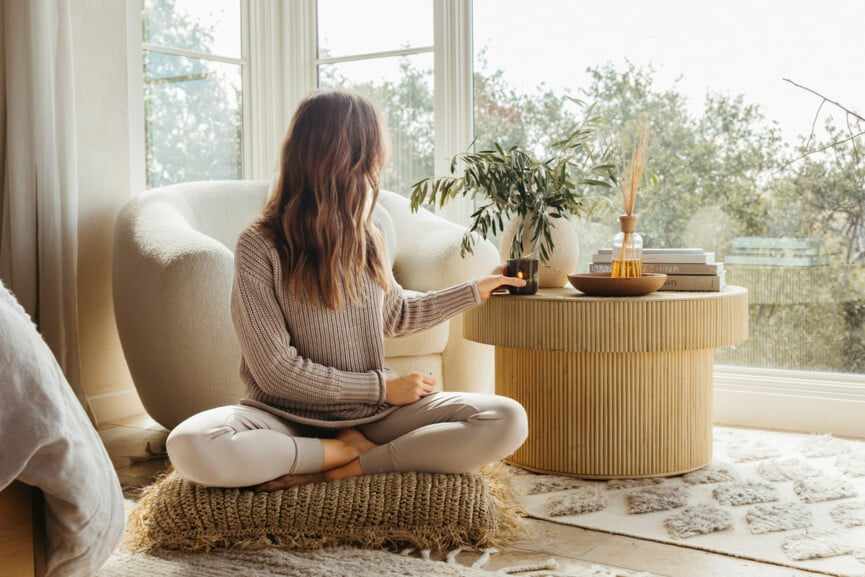
Meditation isn't about silencing your thoughts or achieving a blank slate. It's the practice of being present—observing your thoughts without judgment. Think of it as training your mind, similar to how exercise strengthens your body. There are various styles to explore: from mantra meditation to breathwork and guided sessions. Expect your mind to wander, especially in the beginning. The goal is to gently steer your focus back to the present moment, repeatedly.
Benefits of Meditation
Meditation's beauty lies in its adaptability. It seamlessly integrates into your life, regardless of your current situation. Whether you have three minutes or thirty, it fits your schedule. Importantly, you don't require absolute silence or fancy tools—just a willingness to pause and concentrate. Even minimal commitment can lead to significant changes in your everyday routine. Here's how meditation can enhance your busy life:
Stress Relief
We all experience days when everything seems to accumulate—emails overflow, dishes pile up, and laundry remains undone. Meditation provides a moment of peace, allowing you to reset and approach chaos with clarity.
Enhanced Concentration
Whether it's remaining calm during yet another bedtime struggle or focusing on work after a sleepless night, meditation sharpens your present-moment awareness. It trains your mind to prioritize what truly matters.
Emotional Strength
I admit, motherhood tests my patience. Before meditation, I reacted to every little stressor—unfinished meals, tantrums, you name it. Meditation taught me how to respond rather than react. It equips you to navigate life's ups and downs with grace.
Improved Sleep
This might be the best benefit of all. After a long day, meditation acts as a gentle off-switch. By focusing on your breath or following a guided session, you can quiet your mind and slip into deeper, more restful sleep.
Timeframe for Meditation Benefits
Great news! The advantages of meditation can become evident surprisingly fast—often within just a few sessions. Research shows that as little as five to ten minutes of daily practice can significantly enhance mood, alleviate stress, and clarify thoughts. Regular meditation even alters our brain's structure, enhancing the hippocampus (responsible for memory and emotional control) while decreasing the amygdala (the stress center). While you might not see major changes immediately, consistent practice leads to a greater sense of calm and stability within weeks.
As a mom of a toddler and a baby, I was eager for something to help me feel more centered. Surprisingly, just a few minutes of meditation each day began to transform my experience. It became more than just a tool; it became my sanctuary. It's not that it removes my stress, but it allows me a moment to connect within and show up as a more centered and resilient person.
Starting Your Meditation Journey
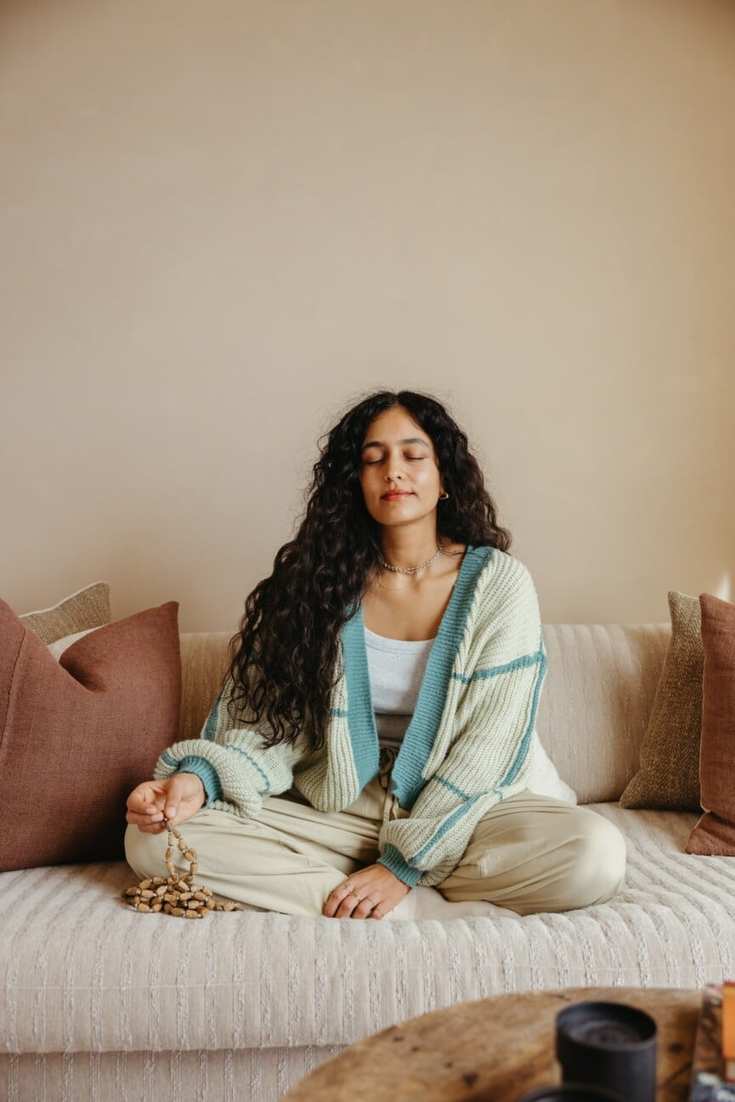
Meditation doesn't demand fancy gear or a silence-filled environment.
- Select a Time: Begin with just three to five minutes daily. Choose a time that fits your routine: perhaps early mornings, during a quiet moment between tasks, or after your family is asleep. For me, mornings work best.
- Find Your Spot: You don't need a special meditation room; a comfy space will suffice. Sit on a chair, couch, or even your bed. Consider creating a little ritual—light a candle, dim the lights, or use a cozy blanket to set the mood.
- Focus on Breathing: Close your eyes, take a deep breath in through your nose, and exhale slowly through your mouth. As you breathe, bring awareness to each part of your body, releasing tension as you go. This helps anchor you in the present.
- Choose a Technique: Repeat a soothing word or phrase—like "this too shall pass." This repetition can quiet your mind. Alternatively, let someone guide you using apps like Activations, Headspace, 10% Happier, or Open, which offer brief, beginner-friendly sessions.
Establishing a Routine
Like any habit, meditation requires time and consistency. Start with five to ten minutes daily. A helpful trick is to pair meditation with another daily activity, such as brushing your teeth or making coffee. This technique leverages your existing routine, making it easier to incorporate meditation without needing extra time. However, remember that meditation shouldn't be just another item on your to-do list. It's a chance to connect with yourself, even if just for a moment.
Most importantly, release judgment. It's natural for your mind to wander. It's about gently redirecting your focus when it drifts. Think of it like training a puppy: be patient, kind, and persistent. Approach meditation with curiosity and openness. Even if it feels awkward at first, stick with it—you might be surprised at how quickly those few minutes become something you treasure.
Resources to Enhance Your Practice
To boost confidence and inspiration, consider these helpful tools:
- Apps: Activations, Headspace, 10% Happier, and Open.
- Books: The Miracle of Mindfulness by Thich Nhat Hanh, Wherever You Go, There You Are by Jon Kabat-Zinn.
- YouTube: Check out this beginner meditation session guide.
- Accessories: A comfy cushion or noise-canceling headphones can enhance your practice.

Exploring Micro-Meditation
In addition to these tools, here are practical ways to incorporate meditation into a busy schedule without needing to sit on your yoga mat for extended periods:
1. Turn Daily Activities into Meditation
Mindful Eating: Rather than rushing through meals, take a moment to savor the flavors, textures, and aromas of your food. Chew slowly and appreciate each bite. This simple practice can ground you.
Walking Meditation: You don't need a quiet place to meditate. While walking—whether to the store or around your home—focus on your steps, the sensation of your feet on the ground, and your breath. This keeps you present, even in busy times.
Mindful Cleaning: Transform mundane chores like washing dishes or tidying up into meditation opportunities. Concentrate on the sensations or repetitive motions, turning these tasks into mini-meditation sessions.
2. Quick Meditation Breaks
One-Minute Breathing Breaks: When feeling overwhelmed, close your eyes (if possible) and take deep breaths—inhale for four counts, hold for four counts, and exhale for four counts. This quick reset can soothe your nervous system.
Body Scan While Seated: If you're on a conference call or assisting your kids with homework, take a moment for a quick body scan. Start from your toes and work up to your head, checking in with each body part to release tension without pausing your day.
3. Use Music for Meditation
Sound Meditation: Listen to calming sounds like binaural beats, nature sounds, or soothing music for a few minutes. This can effectively clear your mind.
4. Meditate During Transitions
Utilize Transition Times: Between tasks, such as waiting for dinner or during laundry cycles, place your hand on your heart, breathe deeply, and tune into your body.
Embracing the Process
As clichéd as it sounds, meditation isn't about achieving a goal; it's about finding peace in the journey. Some days will be challenging, while others will feel effortless. Consistency is key. Whether you seek a brief moment of clarity or lasting calm, meditation is an invaluable companion in your wellness journey. Start small, remain open to transformation, and remember: every deep breath counts.