Microdermabrasion is an effective skin treatment aimed at delivering a smoother, younger-looking complexion. This procedure can diminish pigmentation issues and assist in managing acne and scarring. Intrigued?
Let's explore how microdermabrasion functions and if it's the right choice for you. Read on to uncover the essentials of this skin-renewing treatment.
Understanding Microdermabrasion
Though the term microdermabrasion may sound complex, it simply combines 'micro,' meaning small, with 'dermabrasion,' which refers to physical exfoliation. Together, they signify gentle, mechanical exfoliation.
This technique primarily targets the outermost layers of dead skin. In contrast, medium exfoliation goes deeper, reaching near the dermis, while deep exfoliation can penetrate enough to cause minor bleeding, offering the most substantial results.
By eliminating the top layer of skin, microdermabrasion prompts the body to quickly regenerate new skin cells. This non-invasive method boosts blood circulation, promoting cell turnover and enhancing the skin's elasticity and overall texture.
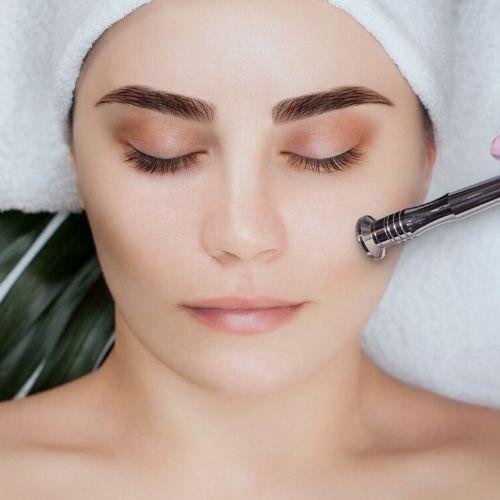
Today, multiple microdermabrasion options cater to various needs. Traditional methods utilized fine crystal dust to exfoliate, while newer techniques often employ specialized tips that glide over the skin, polishing away dead cells.
Some treatments are designed to exfoliate and infuse products into the skin, such as hydradermabrasion.
Microdermabrasion Benefits
Let's delve deeper into the advantages of microdermabrasion.
When performed correctly, microdermabrasion can yield smoother skin, unclog pores, and reduce discoloration. This treatment also enhances collagen production, promoting a plumper appearance. It helps your skincare products penetrate better, leading to a more radiant complexion.
Most skin types can benefit from microdermabrasion, but if you have sensitive or troubled skin, it's crucial to seek a qualified practitioner. Mild acne and scarring can respond well to this treatment, but severe acne may not be ideal for microdermabrasion.
If you have sensitive skin conditions, consult your dermatologist for guidance. Many microdermabrasion devices allow practitioners to adjust the intensity, ensuring a gentler approach for delicate skin or a more robust treatment for those who need it.
Individuals with conditions like rosacea, active sunburn, eczema, herpes, open sores, or psoriasis should avoid this treatment until their skin issues are resolved. Consult with a dermatologist to address these concerns before considering a microdermabrasion session.
At-Home Microdermabrasion Options
Many at-home microdermabrasion products are available, but it's essential to choose reputable brands and thoroughly read instructions. Take extra care during initial uses to avoid skin irritation.
Professional microdermabrasion equipment typically offers greater power and penetrates deeper for more effective exfoliation compared to at-home options.
For a manual approach, consider Bioelements Pumice Peel, which acts as a microdermabrasion treatment in a jar. This product features ultra-fine pumice crystals that effectively slough away dead skin for a refreshed look. Regular use can minimize surface lines and enhance overall smoothness.
Another great choice is Revision's Finishing Touch microdermabrasion treatment, ideal for weekly use. It deeply exfoliates while leaving the skin soft and smooth, all from the comfort of home. Plus, it offers a delightful fragrance with a citrusy blend of bergamot, orange flower, and ginger.
Is Microdermabrasion Safe?
When performed by a skilled dermatologist, microdermabrasion is generally safe. However, like any advanced skin treatment, it can lead to temporary side effects such as redness, dryness, or irritation.
While the process isn't painful, some may find it slightly uncomfortable. Your skin might feel tender right after the treatment.
Overdoing microdermabrasion can harm the skin, causing increased sensitivity, irritation, and inflammation, which may lead to pigmentation issues or broken capillaries—definitely not the desired outcome.
That's why it's vital to select a trustworthy dermatologist to guide your treatment.
Looking for more skincare tips? Discover if microneedling is right for you here.