My journey with breast health began when my mom was diagnosed with DCIS while I was in college. It was a shocking and personal moment that made me realize the importance of breast health. Now, as a 35-year-old mom, I maintain that awareness through monthly breast self-exams. While not glamorous, this practice helps me stay attuned to my body and boosts my confidence. Here's how I approach breast health in my 30s, focusing on empowerment instead of fear.

Understanding the Importance of Breast Health in Your 30s
Entering my 30s has been enlightening: hormonal changes, demanding careers, and caregiving often overshadow self-care. Yet, this decade is crucial for prevention, which can save lives. Studies illustrate how lifestyle choices—such as diet, exercise, sleep, and stress management—significantly impact breast health. My mom's diagnosis has motivated me to learn how to support my future self.
Adopting a Holistic Approach
Breast health goes beyond clinical check-ups; it's a holistic, proactive journey. While mammograms are vital, there's much more to consider. Factors like lymphatic flow and nutrition that minimizes inflammation are equally important. For instance, dry brushing stimulates the lymphatic system, aiding toxin removal. Thus, breast health extends beyond appointments—it's a daily commitment.
My Proactive Steps for Breast Health
Before detailing the self-exam process, here are practices I embrace:
Lymphatic Support
Daily exercise, dry brushing, and staying hydrated enhance lymphatic circulation, essential for efficiently removing toxins and hormones.
Nutrition Focus
I prioritize foods that assist in estrogen metabolism. Cruciferous vegetables like broccoli, cauliflower, and Brussels sprouts are staples, along with fiber, healthy fats, and antioxidant-rich berries for hormonal balance and breast tissue support.
Supplement Strategy
I focus on vitamin D, magnesium, and omega-3 fatty acids, all associated with reduced inflammation and hormone health.
Regular Screenings
Though routine mammograms typically start at 40, my family history prompts ongoing discussions with my doctor about earlier screenings and additional imaging.
Key Foods for Breast Health
Diet significantly influences hormone balance, inflammation reduction, and overall wellness. However, with conflicting information, knowing what to trust can be challenging. Here are some foods to incorporate:
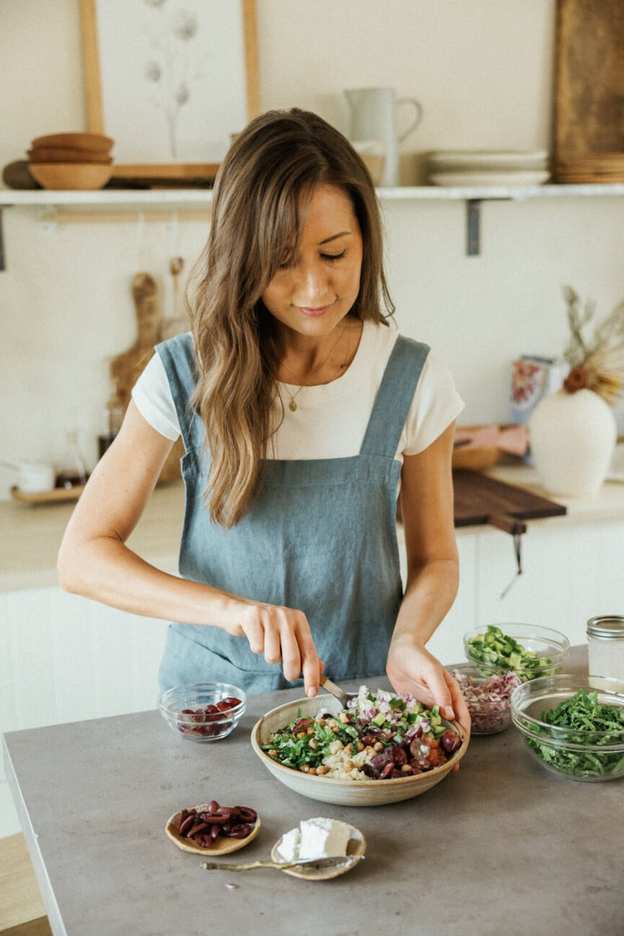
- Cruciferous vegetables. Broccoli, cauliflower, Brussels sprouts, and kale contain glucosinolates that aid estrogen metabolism, vital for breast health. I love incorporating a copycat Erewhon kale salad into my meals!
- Fiber-rich foods. Whole grains, fruits, vegetables, and legumes promote healthy digestion and help eliminate excess estrogen.
- Healthy fats. Omega-3 fatty acids from walnuts, flaxseeds, chia seeds, and fatty fish reduce inflammation, benefiting breast tissue.
- Berries and other antioxidant-rich options. Blueberries, strawberries, and similar foods help combat oxidative stress and support cellular health.
Considering Soy?
Soy often faces criticism due to its phytoestrogens—plant compounds mimicking estrogen. However, current research indicates that moderate soy intake is safe, potentially protective against breast cancer when consumed as whole foods like tofu, tempeh, and edamame, rather than processed isolates.
Including moderate amounts of whole soy foods in a balanced diet can benefit breast health.
Foods to Limit or Avoid
As expected, highly processed foods and added sugars can elevate inflammation, throwing your hormones out of balance, which isn't ideal for breast tissue. Trans fats and hydrogenated oils in snacks and baked goods should also be minimized. While occasional drinks are fine, regular alcohol consumption is linked to increased breast cancer risk.
Making Self-Exams a Ritual
Feeling anxious about performing a breast self-exam? I used to too. Would I know what to look for? What if I found something? It doesn't have to be daunting. The aim is to familiarize yourself with your breasts so you can spot any changes. Here's how I've turned it into a ritual:
- Choose a consistent monthly time: I prefer a few days post-period when my breasts are less likely to be tender. If you don't menstruate, pick a set day each month.
- Try different positions: I check while in the shower, lying down, and in front of a mirror. Each angle reveals different aspects. Standing, observe your breasts with arms at your sides, then overhead, looking for changes like dimpling or redness. While lying down, use your three middle fingers to press gently in circles, covering the entire breast and armpit area, applying varying pressure.
- Observe, don't obsess: The goal is knowing your normal, so if anything changes—a new lump or skin alteration—you'll recognize it.
Studies show that while clinical exams may catch things a self-exam won't, women familiar with their baseline are better at detecting changes early. That's worth a few minutes each month.
Your Breast Health Questions Answered
Q: How often should I do a breast self-exam?
A: Monthly is ideal. Aim for the same time each month, typically a few days post-period.
Q: Can breast self-exams prevent breast cancer?
A: They don't prevent cancer but help you recognize changes early, crucial for treatment success.
Q: What if I find a lump?
A: Stay calm. Many lumps are benign. If you find a new lump, consult your doctor.
Q: Are mammograms necessary if I do self-exams?
A: Yes! Mammograms and clinical exams are integral to screening; self-exams supplement them.
Q: What if I lack a family history of breast cancer?
A: Most breast cancers occur in women without a family history. Regular self-exams and screenings are essential for everyone.
Q: Can lifestyle changes impact breast health?
A: Definitely. Healthy eating, regular exercise, stress management, and avoiding tobacco and excessive alcohol support breast health and overall wellness.
Reframing Breast Health
Ultimately, our breasts deserve consistent care, awareness, and compassion. Rather than viewing self-exams as chores, embrace them as empowering acts that affirm your control over your health. Regardless of age, this self-care is vital, not indulgent.
While uncertainties may arise, focus on what you can control. For me, this means monthly self-exams, mindful choices for hormone support, and communication with my doctor. For you, it could start small—like setting a reminder or adding more cruciferous veggies to your meals. Your self-exam is more than a routine; it's a ritual of self-respect.