
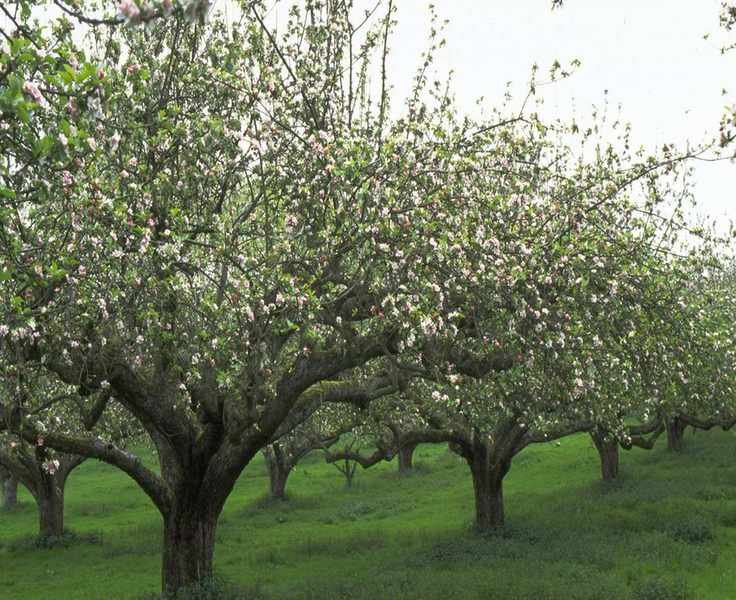
Learning how to prune your apple tree correctly and knowing the right timing can significantly enhance its growth and fruit production. Whether you have a single tree or an entire orchard, a consistent pruning routine will lead to healthier, better-shaped trees and improved yields.
Letting an apple tree become overgrown can weaken its branches, making them unable to bear the weight of the fruit. Dense branches can obstruct air circulation and light from reaching the apples, increasing the risk of diseases—something to avoid in your garden.
Optimal Timing for Pruning Apple Trees
The timing for pruning apple trees varies based on the tree type and your pruning goals.
According to an ISA Board Certified Master Arborist, the ideal period for significant pruning is late in the dormant season, specifically from late January to early March in the Northeastern US. Lighter, more aesthetic pruning can be done during the growing season, while late summer pruning can help reduce the risk of limb breakage by thinning out dense areas.
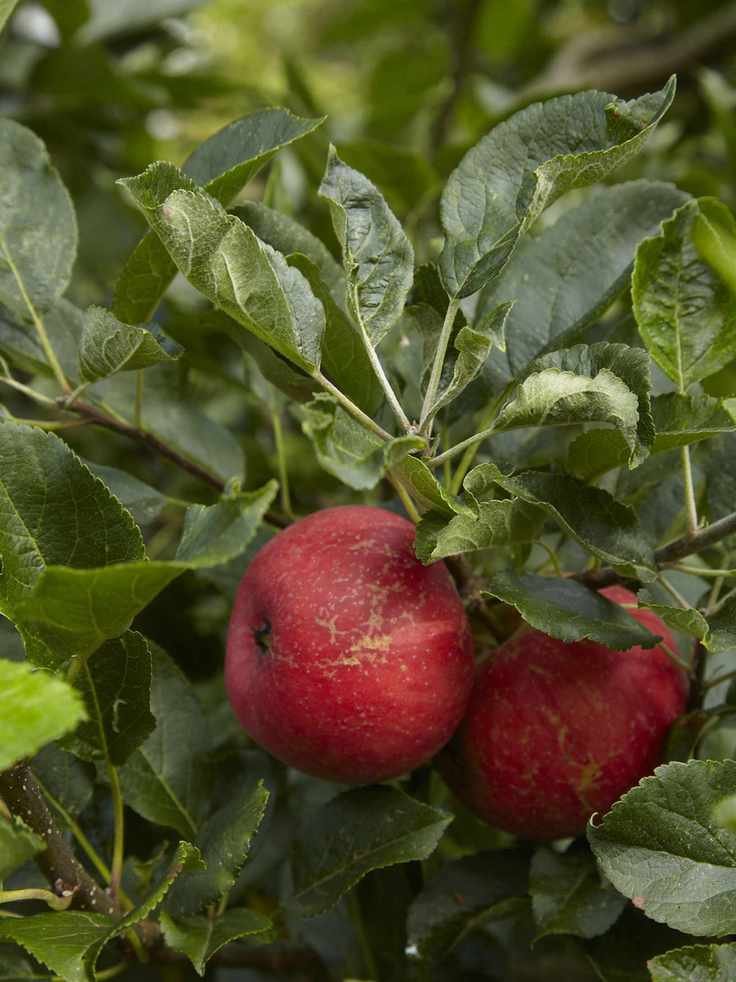
Essential Tools for Pruning Apple Trees

- A sturdy ladder.
- Hand pruners or secateurs for smaller branches.
- Loppers suitable for branches about 1 inch thick.
- Pruning saw for cutting thicker branches over 3 inches.
Preparing to Prune Your Apple Tree
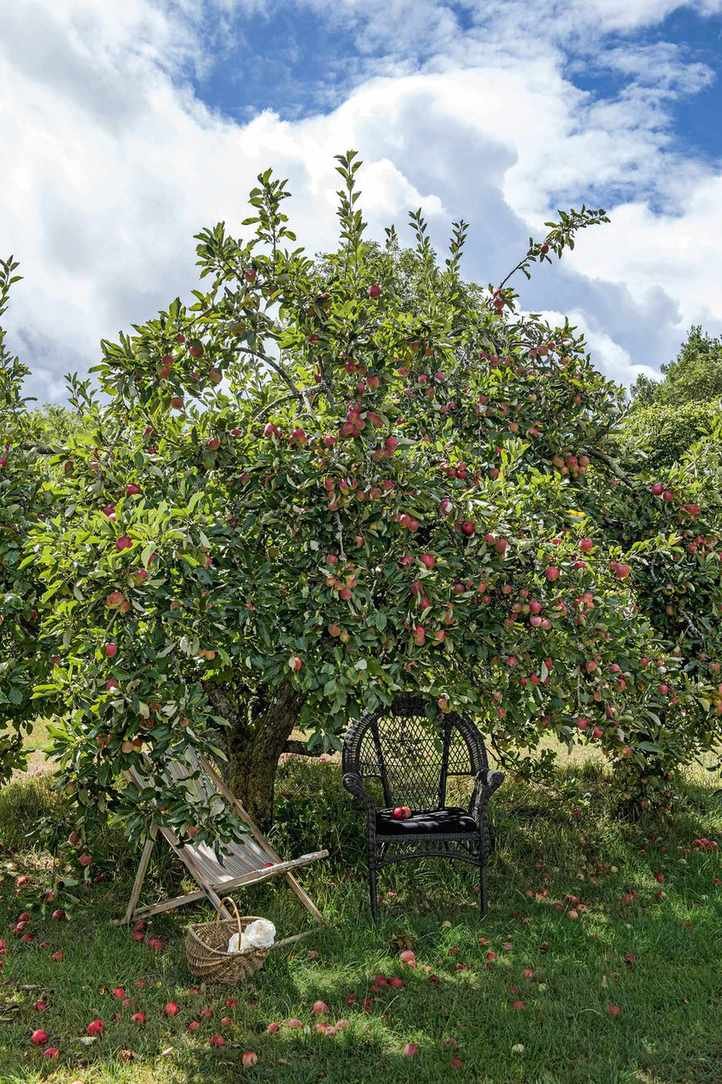
Before you begin pruning, carefully inspect the tree from various angles to evaluate its current shape. Decide which branches to prune and consider marking them with paint, ribbon, or garden string to visualize your desired outcome. Aim to establish a robust framework of branches.
Central lead branches should grow from the trunk, with smaller scaffold branches evenly spaced and not crossing each other. Strive for a pyramid or cone shape, where the lower branches spread wider and taper at the top to allow light penetration throughout the tree.
Step-by-Step Guide to Pruning Apple Trees
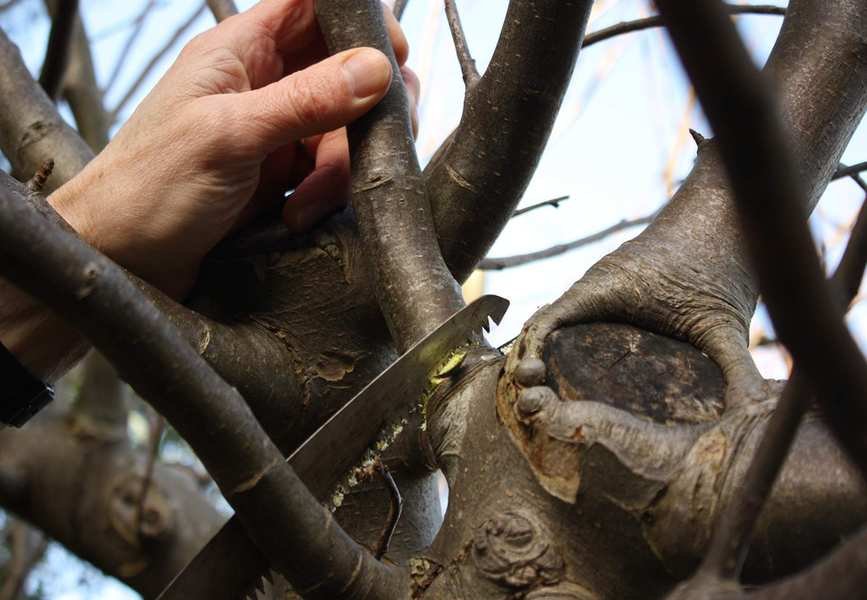
Pruning during winter focuses on enhancing growth and maintaining shape.
Tree service experts recommend understanding the growth bud locations and retaining those that will foster the tree's integrity. When cutting, aim to make the cut just beyond a bud at a 10 or 2 o'clock angle for the best results. If you're uncertain about cutting techniques, consider reaching out to a professional service to prevent potential damage.
Basic corrective pruning is vital for shaping young trees properly. This involves trimming excess and conflicting interior growth and removing large dead or damaged branches.
Another goal of corrective pruning is to remove rubbing branches that could cause decay. Be sure to eliminate watershoots that grow along the trunk and near the base of larger limbs, as well as any suckers emerging from the tree's base. This process opens the interior structure of the tree, revealing its natural qualities.
Pruning an Overgrown Apple Tree
If your apple tree has been neglected for a few years and is overgrown, adopt a gradual approach. Pruning too aggressively all at once may lead to excessive non-productive growth. Instead, aim to shape the tree over several years.
Experts recommend preserving the tree's natural beauty while managing for quality apple production. Heavy pruning is often unnecessary and can harm the tree's long-term health. Following the 25% rule—avoiding the removal of more than a quarter of the tree's photosynthetic capacity—will allow for a gentler annual pruning approach.
Moderate pruning, coupled with proper soil and water care, will yield more apples than you can enjoy or share with friends.
Pruning Cordon, Espalier, and Fan Apple Trees
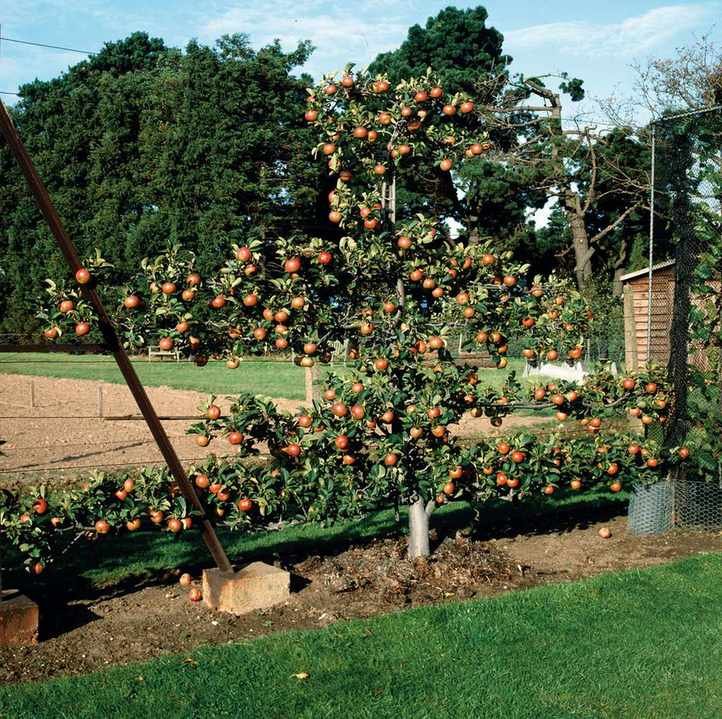
Stylized forms of apple trees like cordon, espalier, and fan have gained popularity in private gardens, once mainly seen in the grand estates of the past.
Apple trees adapt well to being trained into these shapes. Start training them as saplings, using directional pruning, copper wire supports, weights, lattice, and trellises to guide growth. Regular pruning sessions throughout the year are essential for maintaining these designs.
Gardening experts suggest that summer pruning, particularly in July, can effectively manage growth. Removing this year's growth back to a few leaf pairs—carefully avoiding ripening fruits—is advisable. If shaping is your goal, gently tie the desired growth as needed.


