
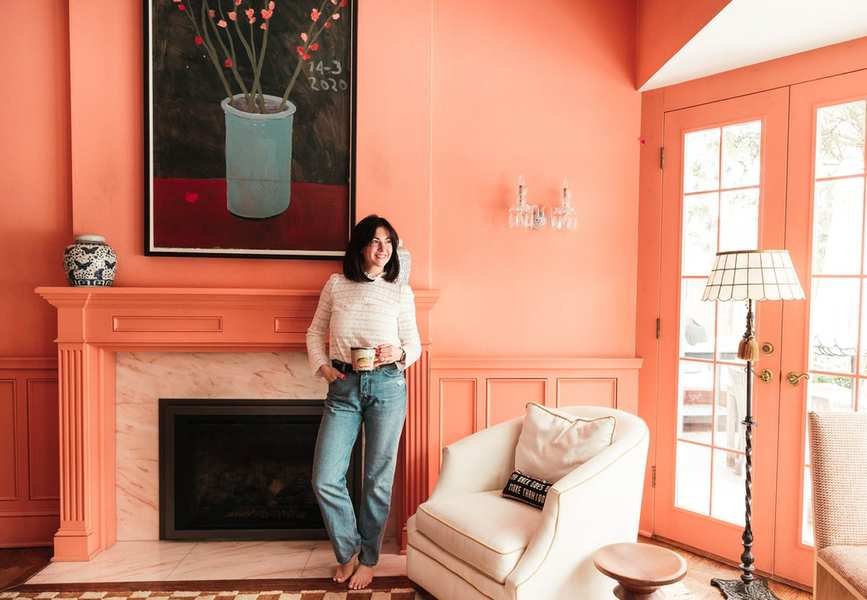
Embracing a bold and striking design style may feel challenging for some, yet this year’s interior trends invite us to infuse our homes with playful colors. While serene spaces have their charm, a home bursting with character and style can also be captivating. One of the standout paint trends this year is color drenching.
I gathered insights on this daring design approach from Sarah Stacey of Sarah Stacey Interior Design and Mark Schubert, the founder and lead designer of Phillip Harrison Interiors. Continue reading for their expert advice on integrating color drenching into your home, regardless of your design aesthetic.
View this post on Instagram
Understanding Color Drenching
This contemporary paint trend revolves around enveloping a space in a single hue. “Color drenching involves covering every inch of a room in color—with little contrast or white,” Stacey notes. “This technique saturates walls, ceilings, trims, and furnishings, fostering a harmonious and soothing ambiance.”
Color drenching shines in monochromatic environments—imagine a single color saturating the entire space. This style is anything but dull; a color-drenched area features a variety of textures that keep it engaging and cozy. You can even explore different tones of the same color, resulting in a breathtaking room.
View this post on Instagram
Choosing Your Color
Picking a color for drenching a room goes beyond mere preference. Think about the mood you wish to establish. “Start with a rich, deep tone that aligns with the atmosphere you want, like a calming blue or an intense green,” Schubert suggests. “Apply this color to walls, ceilings, baseboards, doors, and furniture. This uniformity creates a cozy, enveloping effect.”
For a vibrant office, consider energetic colors like pink or orange to inspire creativity. On the other hand, opt for tranquil tones, like blue or green, in a bedroom. A small space, such as a powder room, is perfect for daring color choices. Make sure your selected paint complements your furniture and decor for a cohesive design.
View this post on Instagram
Tips for Successful Color Drenching
Venturing into bold color choices can be intimidating. If you're eager to try this trend, keep in mind that color drenching can evoke a range of emotions—it all comes down to your styling. Here are some design tips from the experts:
Mix Shades and Textures
Creating a cohesive look in a monochromatic room involves more than just painting walls the same color. Schubert recommends incorporating various textures and finishes within the same color palette. “To achieve harmony, experiment with matte finishes on walls, glossy or satin on trims, and luxurious fabrics for furniture,” he advises. “Use subtle contrasting accents in metallics or woods to break the monotony while maintaining impact.”
Also, consider using tonal variations through accessories like cushions, rugs, or art. Once your paint color is chosen, seek accents that are slightly lighter or darker to enhance visual interest.
View this post on Instagram
Pay Attention to Lighting
A crucial aspect of painting a room is understanding the light it receives. Lighting can dramatically alter how paint appears throughout the day. Always test a sample before committing to color drenching.
“Lighting is essential,” Schubert emphasizes. “Opt for warm light temperatures to create a cozy atmosphere. Ensure that natural light interacts well with your chosen color to enhance depth and dimension.”
View this post on Instagram
Choose Timeless Patterns
Although color drenching is currently in vogue, there are classic elements you can incorporate to maintain timelessness. “Opt for enduring patterns and materials, like gingham, plaid, floral designs, or stripes, to achieve that sophisticated, timeless look,” Schubert suggests. Stacey adds that while color drenching is trending, its roots run deep.
“Color drenching has existed for years, but its recent popularity has finally given it a label,” she states. “It’s exhilarating to see this concept resonate with many.” If you worry about styles becoming outdated, focus on smaller areas like a powder room or Butler's pantry, where changes are easier than in larger spaces.
View this post on Instagram
Add Black Accents
To enhance your color-drenched space, consider integrating black elements. “Black accents can provide depth, balancing the overall design without making it overly sweet,” Stacey notes. “This technique results in a more sophisticated and curated aesthetic.”
You can confidently color drench with darker shades as well. Darker environments encourage relaxation, making them ideal for spaces like bedrooms or dens. Navy, charcoal, deep green, and burgundy are excellent choices.
View this post on Instagram
Select an Accent Color
While color drenching focuses on a primary hue, Stacey recommends adding accent colors to your design. “Although this trend often sticks to a narrow color range, I suggest keeping it fresh and timeless by layering two or three colors that complement a bold, saturated main color,” she advises. “When used sparingly, these vibrant accents provide just enough energy to make a space feel special without overwhelming it.”
30 Simple Delights to Add to Your June Calendar
