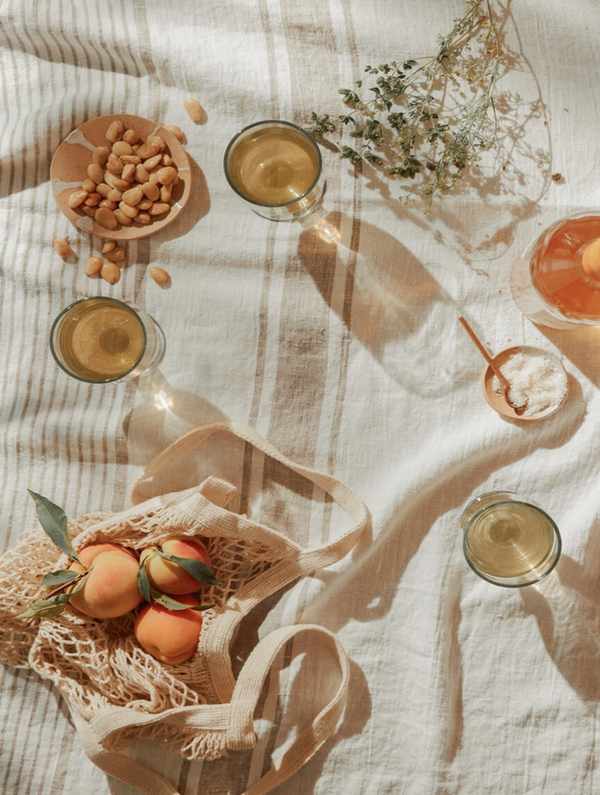
Summer brings so many joys—the sun, longer days, and a laid-back vibe. But the real star of this season is the fresh food, especially the fruits and vegetables bursting with flavor. Think juicy peaches, sweet cherry tomatoes, and fragrant basil. It's time to eat fresh, colorful, and delicious!
Whether you're at a farmers market or searching for new recipes, summer produce encourages culinary creativity. Below, we outline what fruits and veggies are in season, how to choose the best ones, and tasty ways to prepare them.

Embrace Colorful Produce
Summer fruits and vegetables are loaded with antioxidants and phytochemicals. Their vibrant hues indicate healthy nutrients that help combat chronic diseases. These nutrients are abundant in various fruits and vegetables, offering peak flavor and nutrition during summer.
Generally, deeper colors signal greater nutrition. Blueberries support brain health, while tomatoes may lower prostate cancer risk. To maximize the benefits of these phytochemicals, enjoy a rainbow of produce—summer makes it easy and tasty!
Understanding Seasonal Eating
Seasonal eating involves consuming foods at their peak harvest times. It means opting for summer produce that is fresh and flavorful. Stone fruits, for instance, are in their prime from May to October—think of a stone fruit salad with basil in June as an example of seasonal eating. Growing your own cucumbers? Perfect! You're eating with the seasons.
Benefits of Eating Seasonally
Modern farming and transport allow access to a wide range of foods year-round, making it challenging to identify what’s truly in season. A useful tool is the Seasonal Food Guide, which details what's harvested each month across the U.S.
Why choose summer produce during this time? Here are three compelling reasons:
1. Enhanced Nutrition
Seasonal foods are often richer in nutrients. Research shows that fall-harvested broccoli has significantly more vitamin C than spring-harvested broccoli. Nutrient levels peak when produce is in season.
2. Superior Flavor
Nothing compares to the taste of summer fruits and vegetables at their peak. Picture ripe peaches that drip with juice or tomatoes so sweet they need no dressing.
3. Local, Affordable, and Sustainable
Eating seasonally supports local farmers. Many markets and community-supported agriculture programs offer fresh produce and proteins. “Locally grown” labels at grocery stores can help identify in-season items. Plus, seasonal produce is often more budget-friendly and has a smaller environmental footprint due to reduced transport.
Summer Fruits and Vegetables to Savor
Select any ingredient below to jump to that section:

How to Select Basil
Choose a fragrant bunch of basil with bright green and unblemished leaves. While sweet basil is common, Thai basil offers a unique flavor with purple tones. To keep basil fresh, treat it like a flower bouquet.
What to Make with Basil
Avocado Caprese Salad. This dish highlights basil's peppery flavor, complementing creamy avocado and mozzarella. It's a fresh, simple meal that’s perfect for summer, making it a regular feature in your kitchen.
How to Select Bell Peppers
When selecting bell peppers, look for firm, crisp options that feel heavy. Avoid any that appear shriveled or have soft spots. Depending on your recipe, choose the right size and shape; for stuffed peppers, opt for block-shaped varieties.
What to Make with Bell Peppers
Samosa Stuffed Bell Peppers. Bell peppers truly shine in this dish, serving as a nutritious vessel for a delicious filling.
How to Select Blueberries
Choose blueberries that are firm, dry, and smooth. Size doesn’t indicate ripeness, but color should be a deep purple-blue.
What to Make with Blueberries
Blueberry Power Muffins. These gluten-free muffins burst with blueberries, offering a delightful breakfast that disappears quickly.

How to Select Cantaloupe
To pick a fresh cantaloupe, smell it. It should have a sweet aroma and feel heavy for its size with a rind featuring raised netting. Pressing gently on the stem area should yield slightly.
What to Make with Cantaloupe
Spicy Melon Ricotta Toast. This toast showcases juicy cantaloupe, enhanced by creamy ricotta, jalapeño, and a drizzle of honey for a refreshing bite.
How to Select Cherries
Cherries are irresistible. I prefer to buy them from farmers markets. Look for shiny skins with stems, avoiding any with brown spots. Choose firm cherries, which will ripen at home. Store them in the fridge.
What to Make with Cherries
Cherry Berry Ice Cream Pie. With just five ingredients, this pie is a summer indulgence that's packed with flavor from this antioxidant-rich fruit.
How to Select Corn
My favorite way to buy corn is at the farmers market. If not, look for bright green, tightly wrapped husks that feel slightly damp. Avoid any with dry husks or small holes that indicate pests.
What to Make with Corn
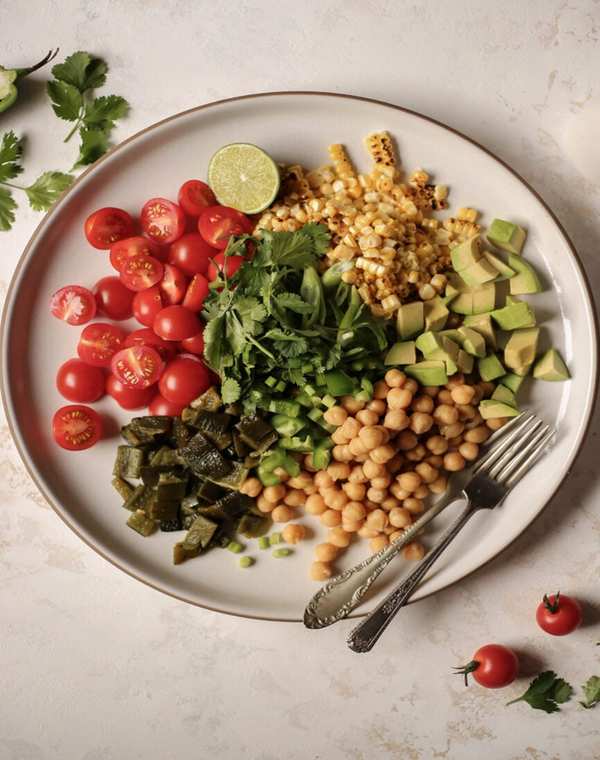
Roasted Corn, Chickpea, and Avocado Salad With Poblano Vinaigrette. This salad is ideal for summer gatherings, featuring roasted poblano peppers and fresh herbs for vibrant flavors.
How to Select Cucumbers
Choose firm cucumbers without blemishes or soft spots. They should be dark green, avoiding any yellowing.
What to Make with Cucumbers
Tomato, Avocado, & Cucumber Salad With Feta. This salad comes together quickly and offers a delightful mix of crunchy cucumbers and creamy avocado, enhanced by salty feta.
How to Select Eggplant
Eggplants should have shiny skin and feel heavy. Press lightly against the skin; if it leaves an imprint, it’s ripe. Smaller eggplants are usually sweeter and less bitter.
What to Make with Eggplant
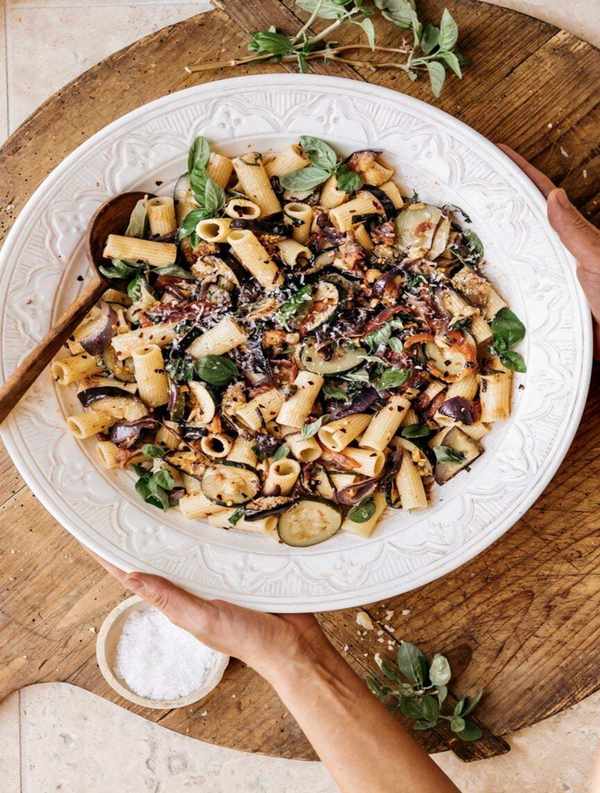
Ratatouille-Style Roasted Vegetable Pasta. This dish showcases eggplant, roasted to perfection and combined with seasonal veggies for a delightful summer meal.
How to Select Peaches
Look for peaches with a golden-yellow hue, a defined crease, and a pleasant aroma. Avoid any that are too hard or mushy.
What to Make with Peaches
Honey-Grilled Peaches with Ice Cream. Grilling peaches transforms them into a delicious treat. This dessert is gluten-free and can easily be made vegan.
How to Select Tomatoes
Summer tomatoes are in a league of their own. Look for bright colors and smooth skin, ensuring the tomato feels good for its size and has a pleasant aroma from the stem area.
What to Make with Tomatoes
Hummus Toast With Tomatoes, Feta, and Za’atar. This recipe celebrates summer tomatoes layered on creamy roasted garlic hummus for a deliciously satisfying snack.
How to Select Watermelon
Buying watermelon is simple. Look for a creamy yellow spot on the underside, indicating ripeness. Tapping it should produce a deep hollow sound, signaling it's full of juice.
What to Make with Watermelon
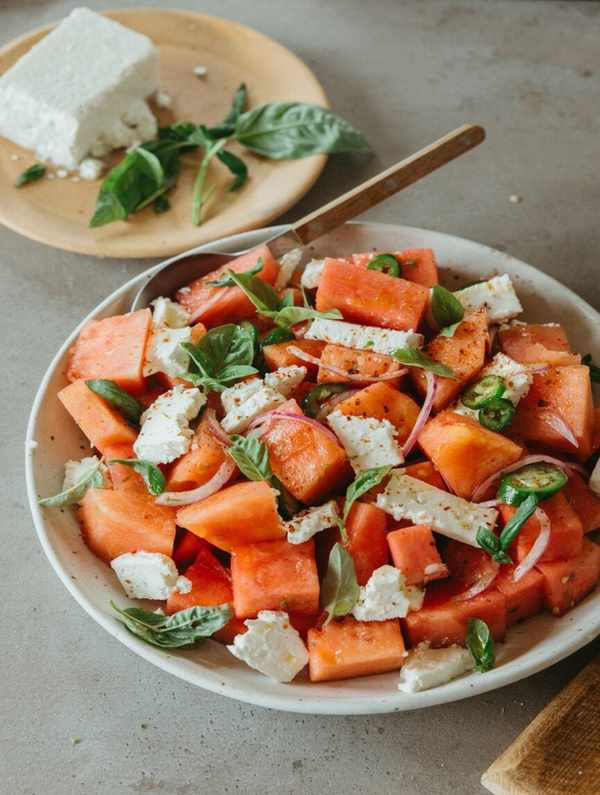
Spicy Watermelon Feta Salad. This refreshing salad is perfect for hot days, combining watermelon with feta and jalapeño for an exciting flavor profile. It's quick to prepare and a summer staple.
This post was last updated on June 9, 2025 to include new insights.
30 Simple Delights to Add to Your June Calendar