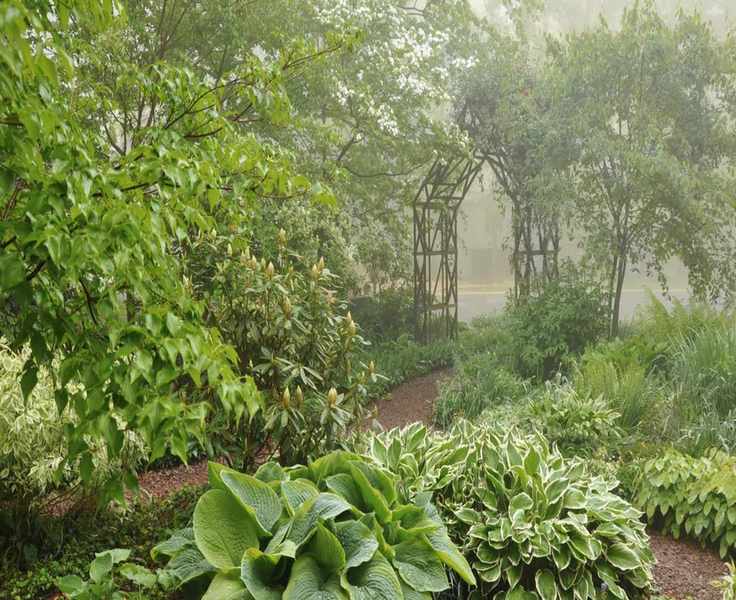
When selecting trees for your garden, it's crucial to choose types that thrive in shady conditions. Luckily, numerous trees can flourish in less sunlight, allowing you to cultivate attractive specimens in darker areas of your yard.
Large trees are often chosen for their ability to provide shade, creating serene spaces under expansive canopies. Species like oak, beech, and birch are particularly esteemed for their shade-giving qualities, safeguarding both perennials and annuals from harsh summer rays.
However, certain situations may call for smaller shade-tolerant trees. For example, north-facing homes or yards already dominated by larger trees can greatly benefit from the addition of petite tree varieties, enhancing the visual appeal of the shady understory. Here are some top picks for shade-loving trees to plant this spring.
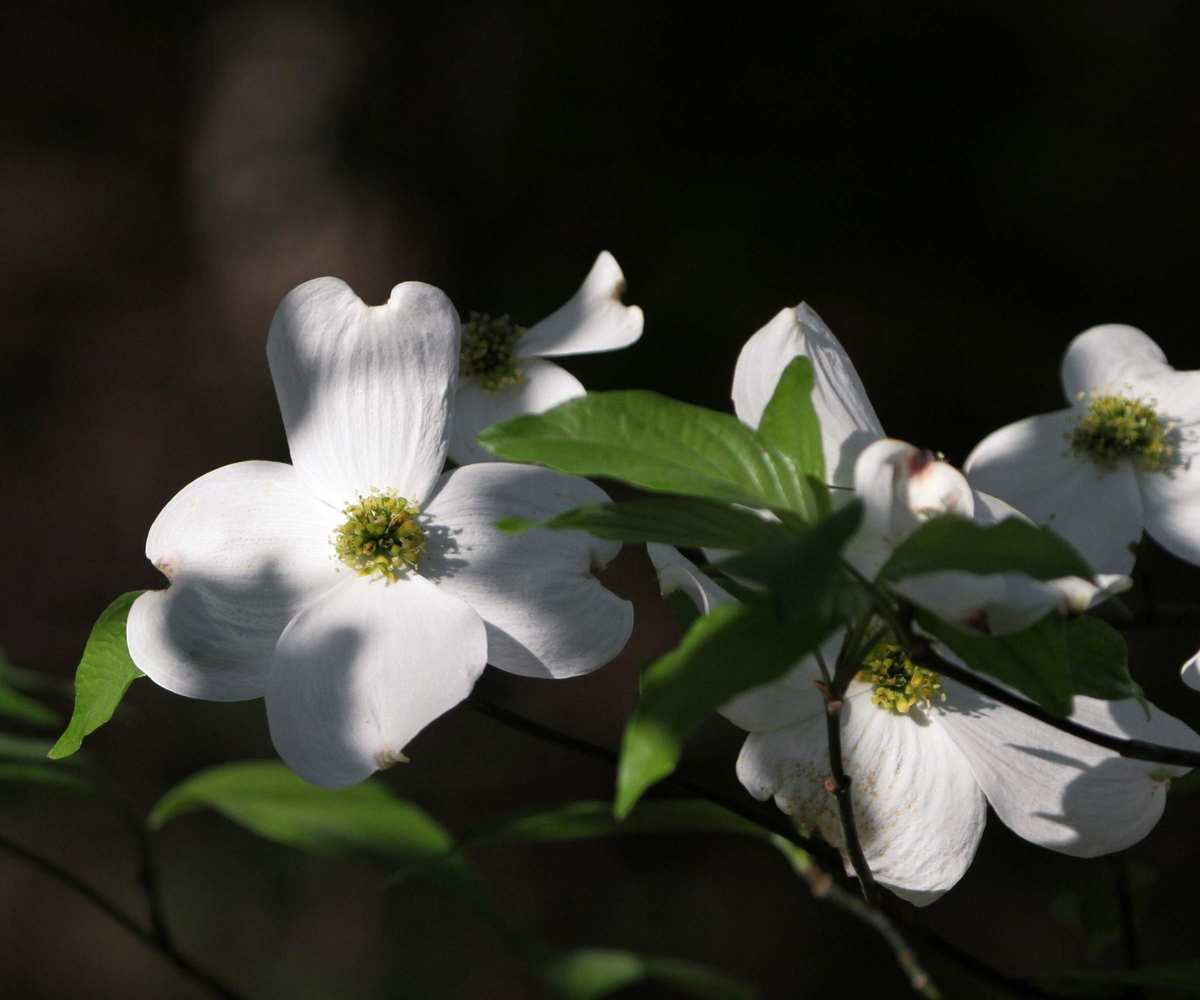
Best Shade-Tolerant Trees
Choosing the ideal tree for the unique conditions in your yard is essential. Fortunately, various trees demonstrate impressive adaptability to shade. Below are some excellent options for planting this spring.
1. Dogwood
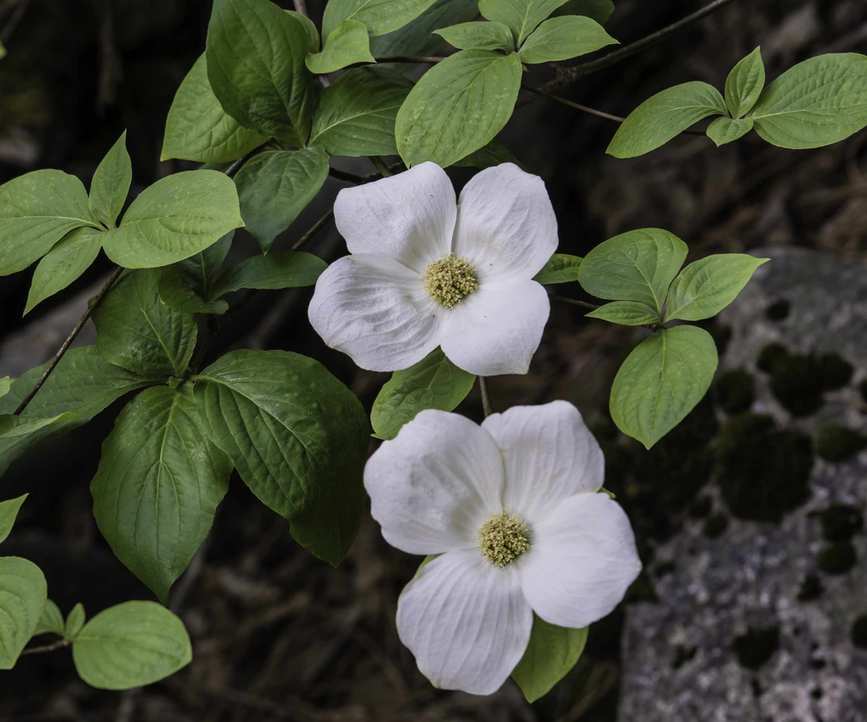
Many dogwood species are naturally shade-tolerant, often found in woodland edges. While flowering dogwoods need some sunlight to bloom abundantly, they can still thrive in partial shade. Interestingly, these trees are also a favorite among colorful native birds like cardinals.
One notable shade-tolerant variety is Cornus nuttallii, or Pacific dogwood, which flourishes in USDA hardiness zones 7 to 9. According to an expert, this dogwood can handle shaded areas well. Although sunlight boosts bloom production, the Pacific dogwood still bears attractive white flower clusters even in less light.
2. Redbud
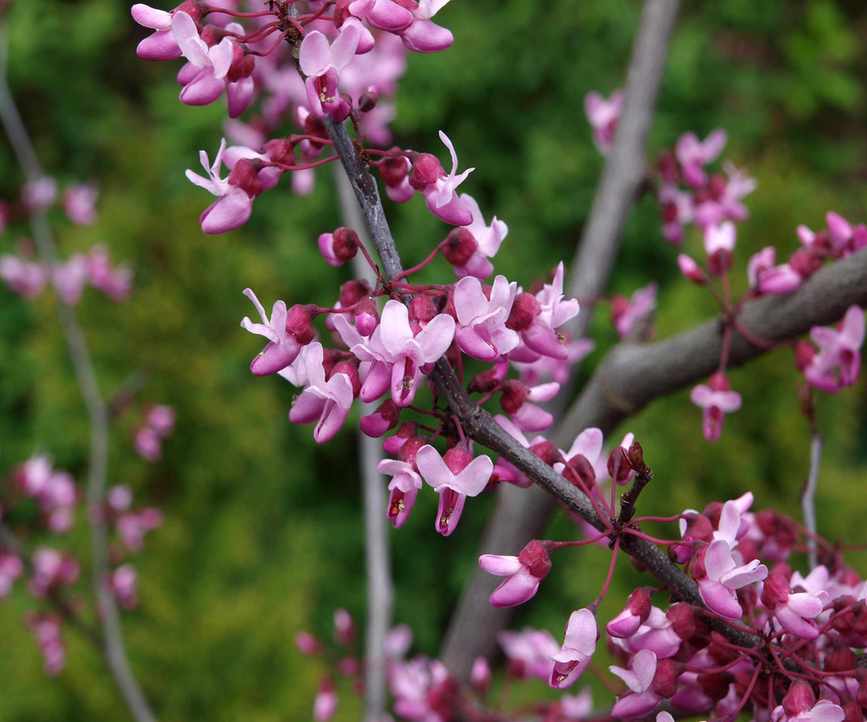
Similar to dogwoods, many redbuds thrive at forest edges. The North American redbud, Cercis canadensis, is a resilient option that showcases striking purple flowers on bare branches in early spring.
A gardening expert suggests pairing groundcovers with your redbud to enhance soil moisture retention and weed suppression. This tree grows well in USDA hardiness zones 5 to 9, making it ideal for gardeners desiring vibrant foliage and blooms in shaded areas.
3. Magnolia
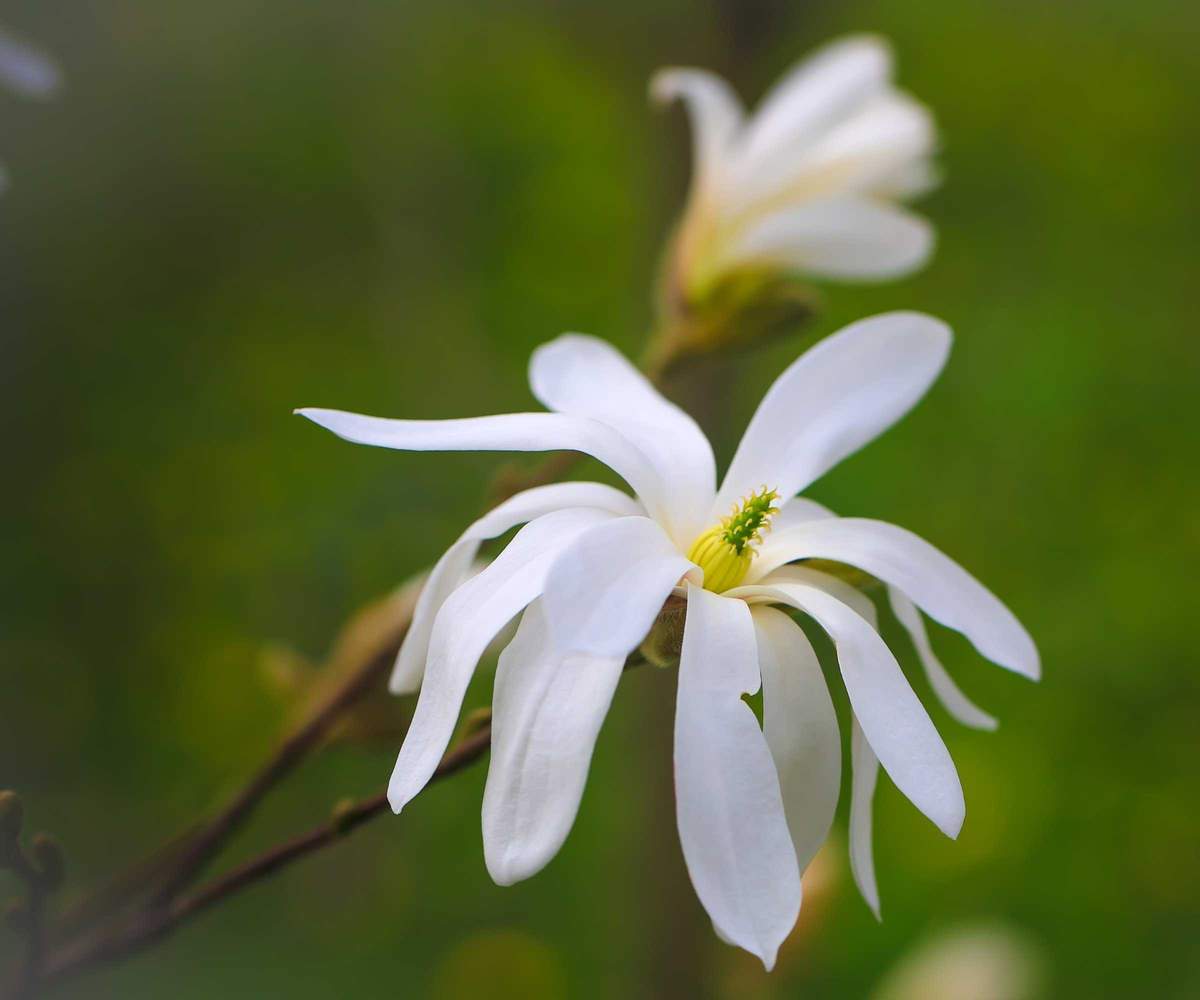
Magnolias are known for their stunning flowers and easy cultivation, with many varieties thriving in partial shade. While most require some sunlight for optimal flowering, Magnolia stellata, or star magnolia, stands out for its ability to bloom profusely even in shaded spots.
This species, adorned with unique white blooms, grows well in USDA hardiness zones 4 to 9, making it a great choice for cooler climates. Some magnolias, like Magnolia grandiflora 'Little Gem,' also perform well in shaded corners, boasting glossy foliage.
4. Japanese Maple
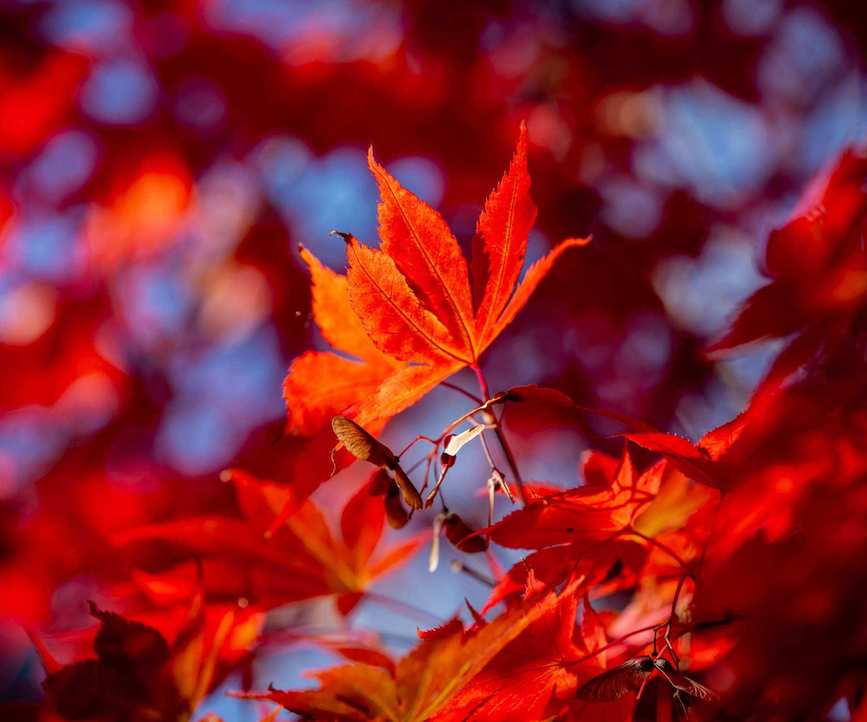
Japanese maples, Acer palmatum, are well-known for their stunning autumn colors and many thrive in low-light conditions, needing only a few hours of sunlight daily.
These trees flourish in USDA hardiness zones 5 to 8 and can be planted in borders or containers. It's best to plant them in early spring, ideally in March or April, once frost risks diminish. Researching specific cultivars is wise, as some are better suited to shady locations than others.
5. Eastern Hemlock
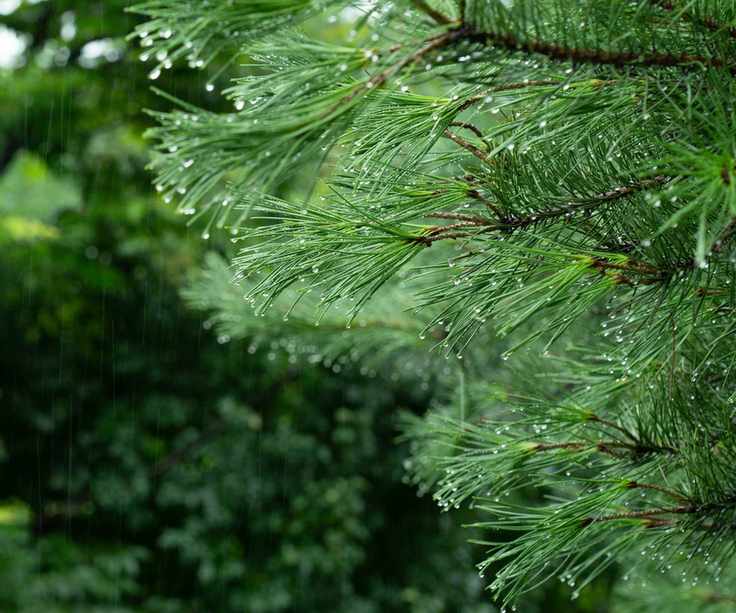
For shade garden ideas, consider the eastern hemlock, Tsuga canadensis, an evergreen renowned for its remarkable shade tolerance. This tree, native to the eastern U.S., is commonly shaped like the classic Christmas tree.
An expert notes that the eastern hemlock is the most shade-tolerant tree, making it a favorite in many gardens. Planting hemlocks in early spring allows them to establish roots before summer heat hits. Be aware of their shallow root systems, which may require regular watering, especially in the first year.
Keep an eye out for pests like the hemlock woolly adelgid, which can threaten these trees. Routine care can manage this issue, so check your trees for these invasive insects regularly.