
Identifying grasses that can thrive in drought is crucial in today's changing climate. Whether establishing a new lawn or enhancing an existing one, knowing which types endure dry spells is key.
With a vast array of grass types globally, it can be overwhelming to select those suited for both a beautiful lawn and dry conditions.
Choosing grass isn't merely about aesthetics. Different grasses demand various growing conditions; some are quick to sprout, while others take time. Understanding your growing space, its sunlight, and soil characteristics is essential.
Understanding Drought-Resistant Grass Seeds
We all desire a vibrant lawn throughout the year, yet it's vital to recognize that achieving this is often unrealistic. No grass seed is entirely drought-proof, according to agronomist Eric DeBoer. While some grasses endure dry spells, they still require moisture during germination.
Being drought-resistant means the grass can enter a dormancy phase, turning brown but regaining life when moisture returns. In an era of water scarcity, selecting grass that withstands dry conditions is becoming increasingly vital.
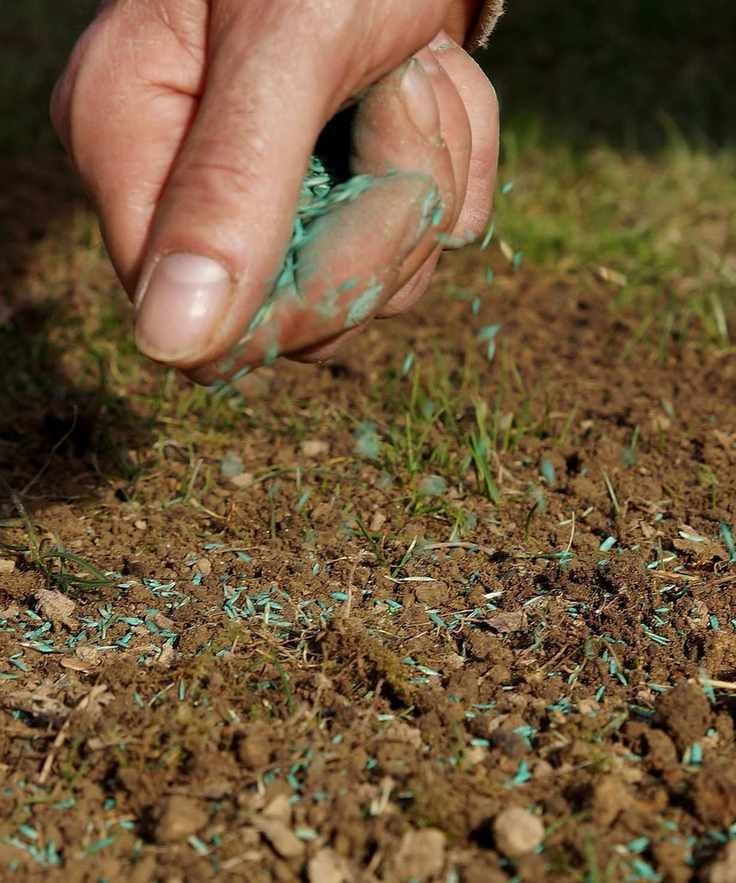
Planting drought-resistant grass seed is wise for regions with hot summers.
Selecting the Right Drought-Resistant Grass for Your Region
Lawn grasses can be categorized into cool-season and warm-season varieties, helping streamline choices based on local climate conditions.
Cool-season grasses flourish best in temperatures from 60-75˚F and retain their green until it drops below 32˚F. They thrive in northern regions down to the Great Plains and Intermountain areas.
Warm-season grasses excel in 80-95˚F zones and may lose their color below 50˚F, but bounce back as temperatures rise. They suit the southeastern and southern U.S. areas. The central U.S. features a transition zone where both grass types can flourish, so mixing varieties may be beneficial for a thicker lawn.
Top Drought-Resistant Cool-Season Grasses
According to turf expert Josh Moser, turf-type tall fescues have become the go-to option for cool-season grasses due to their heat and drought resilience. They withstand foot traffic well, making them ideal for sports fields and active lawns, thriving in USDA Plant Hardiness Zones 3-8.
Sarah from Lawn Chick recommends fescue, especially Jonathan Green's Black Beauty fescue. This seed produces deep roots (up to 4 feet), allowing access to moisture even when surface soil is dry. Their fescue features a waxy leaf coating that enhances disease and drought resistance. Some fine and red fescues thrive in deep shade where other grasses struggle, while turf-type tall fescues excel in mixed light.
Other expert favorites include Kentucky Bluegrass, such as this Pennington variety available at Walmart. Thanks to its creeping rhizomes, it can recover from drought effectively. It may go dormant during extreme dryness but re-greens rapidly when it rains.
Perennial ryegrass germinates quickly and can handle cold and short dry spells; however, it prefers mowing heights of two inches or taller.
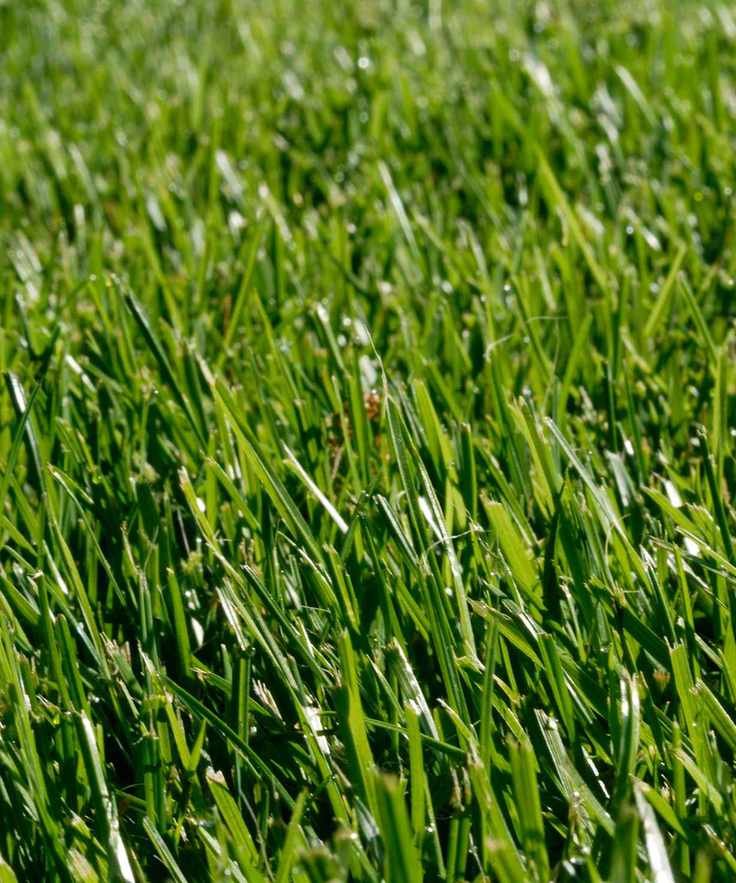
Fescue grass is an excellent choice for drought-prone lawns.
Top Drought-Resistant Warm-Season Grasses
For warmer regions, there's a range of drought-resistant grasses available.
'Bermuda grass has deep roots extending up to six feet,' states Rhys Charles, founder of Mower On the Lawn. This characteristic allows it to access water during droughts. Additionally, Bermuda grass tolerates heat, making it suitable for long summers, and withstands heavy foot traffic. You can easily find Bermuda grass online, including Scotts Turf Builder at Walmart.
Zoysia grass is another favorite of Rhys Charles. It tolerates both heat and cold and has a slow growth rate, reducing mowing frequency. Zoysia grass seed is easily obtainable, with many varieties available on Amazon, including this heat and drought-resistant variety.
If you're exploring other choices, Lindsey Hyland from UrbanOrganicYield.com recommends warm-season grasses like Bermuda, Buffalo, and St. Augustine. These grasses endure long dry spells by going dormant in extreme heat and recovering quickly with rain. When choosing turfgrass, consider the water availability and temperature thresholds for survival.
Which Grass Seed is Most Drought-Resistant?
Lindsey Hall, a gardener and writer, believes Buffalo grass seed is the top choice for drought resilience. This warm-season grass thrives in dry, warm climates and is hardy in USDA zones 4-9.
Which Grass Needs the Least Water?
Opting for a drought-tolerant grass variety is crucial, but a well-maintained lawn generally fares better in dry conditions than a neglected one. Regular mowing and feeding promote strong root systems, enhancing the plant's ability to endure extended dry periods.
According to Stacie Krljanovic, Head Groundkeeper, drought-resistant grass types include Bermuda, Buffalo, and zoysia grasses, all of which can survive dry spells while needing less water compared to other varieties.
Why is Selecting the Right Grass Seed Important for Your Area?
Choosing the right grass seed is vital for establishing a lush lawn. Pairing the seed type with your yard's specific conditions encourages successful germination and leads to a resilient lawn.
Josh Moser explains that quicker establishment typically requires less irrigation as established plants find moisture more effectively. Once established, drought-resistant types can withstand prolonged dry spells. No one wants to look out and see a brown, drought-affected lawn!