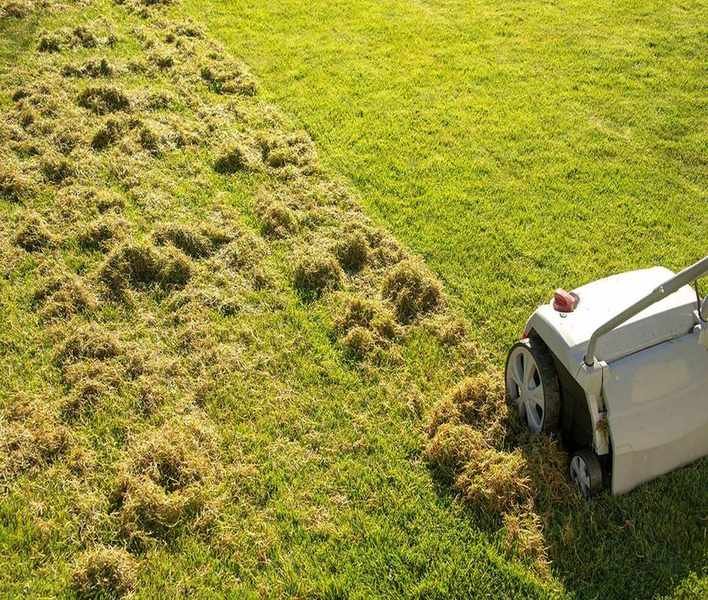

Enjoy walking barefoot on a vibrant lawn sooner than you think by selecting the best fast-growing grass seed tailored to your garden. The right choice hinges on climate, air quality, light, and soil type—factors we explore below.
Choose the ideal grass seed, prepare your soil, or lay pre-grown sod to accelerate the process. With these steps, your lush green lawn will be ready for summer activities like croquet, gatherings, and sunbathing.
Here's a list of the top fast-growing grass seeds to achieve a vibrant lawn quickly. We'll show you uncut varieties so you can see their natural growth, but keep in mind you'll want to maintain them for a neat lawn.
Best Fast-Growing Grass Seeds
If you're looking to quickly patch bare spots, establish a new lawn, or add fast-growing plants for an established look, these grass seeds and varieties are recommended by gardening experts.
1. Fast-Growing Grass Seeds for Temperate Climates
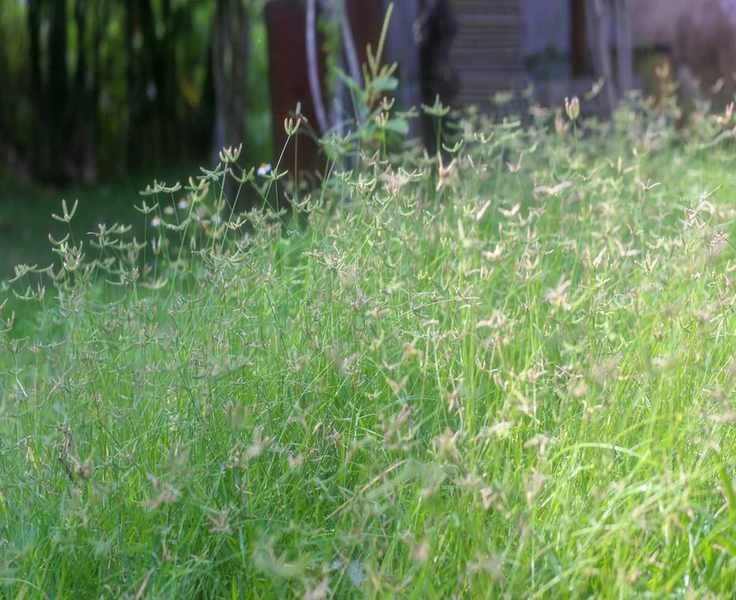
Perennial ryegrass is a top choice for temperate areas like the northern US and the UK, according to turfgrass science expert Peter Landschoot. This species germinates and establishes rapidly, showcasing a fine texture and deep green color, with light traffic tolerance in just 8-10 weeks.
Steer clear of the 'Linn' variety—though affordable, it's low quality and short-lived. Avoid annual ryegrass too; while it grows quickly, its coarse texture leads to thinness over time, necessitating future reseeding.
Perennial ryegrass is excellent for overseeding dead patches or thickening existing lawns, and it pairs well with Kentucky bluegrass for new lawns.
Perennial Ryegrass Mix, $28.99, Amazon
This seed thrives even in compacted soil, making it great for filling bare spots. Perfect for high-traffic areas, it yields thick, green grass. This price is for a 3lb bag (covers approximately 3,000 sq ft).
Shop Pennington annual ryegrass grass seed at Walmart
2. Fast-Growing Grass Seed for Warm Climates
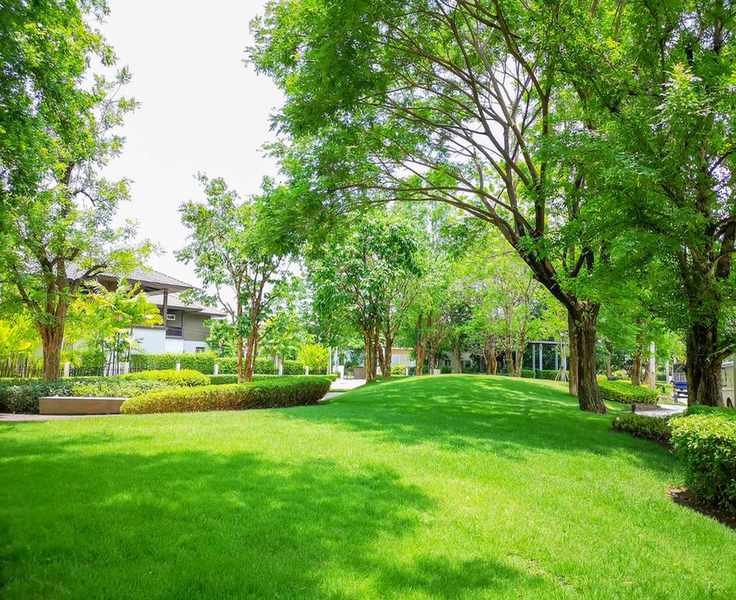
Zoysia is a lush, dense grass thriving in sunny areas while requiring less water than other options. Its drawback is the higher cost and its tendency to turn brown in winter.
Garden designer Matthew Giampietro notes that Zoysia is a top pick for warmer climates, alongside paspalum. Though not as economical or easy to find as Palmetto St Augustine grass, which establishes rapidly, Zoysia and paspalum offer a finer texture.
For quicker enjoyment, purchase Zoysia as sod.
3. Fast-Growing Grass Seed for Minimal Mowing

Turf-type tall fescue creates a lush lawn that withstands foot traffic while requiring less mowing and watering than many turf grasses. It boasts good growth and prefers sunny locations.
Suleiman Bughrara from Michigan State University describes tall fescue as heat and drought-tolerant, producing deep roots. It also shows resistance to European chafer grub damage compared to other cool-season grasses.
It can be sown alone, but improve soil drainage before planting. August is the ideal time for seeding.
4. Fast-Growing Grass Seed for Shady Areas
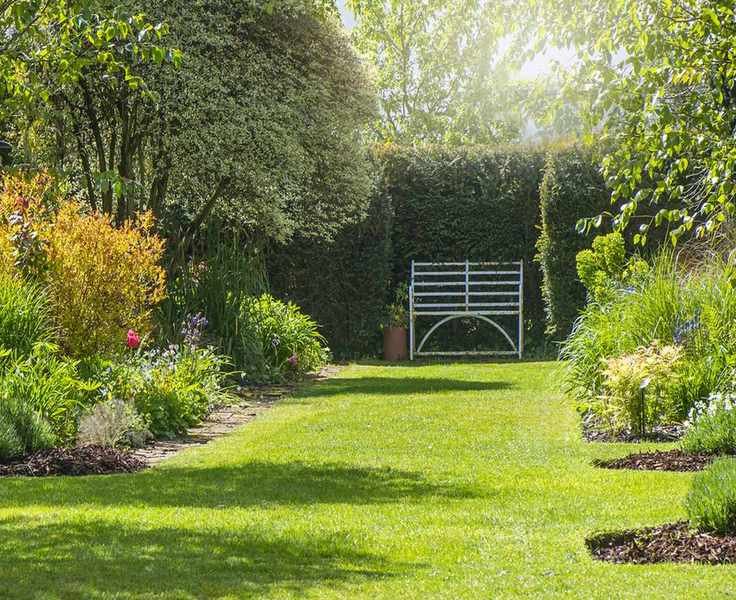
Fine fescues thrive in shady spots, needing at least 2-3 hours of sunlight daily.
Kirsten Coffen, a landscape architect, advises using mixes that include hard fescue, creeping red fescue, and sheep fescue for shaded areas in the Mid-Atlantic region.
Hard fescue performs best, but these grasses handle foot traffic poorly and should be mowed infrequently. With good drainage, they're a cost-effective and attractive solution for shady lawns.
Consider sowing in autumn after clearing leaves if trees are nearby.
5. Fast-Growing Grass Seed for Sunny Locations
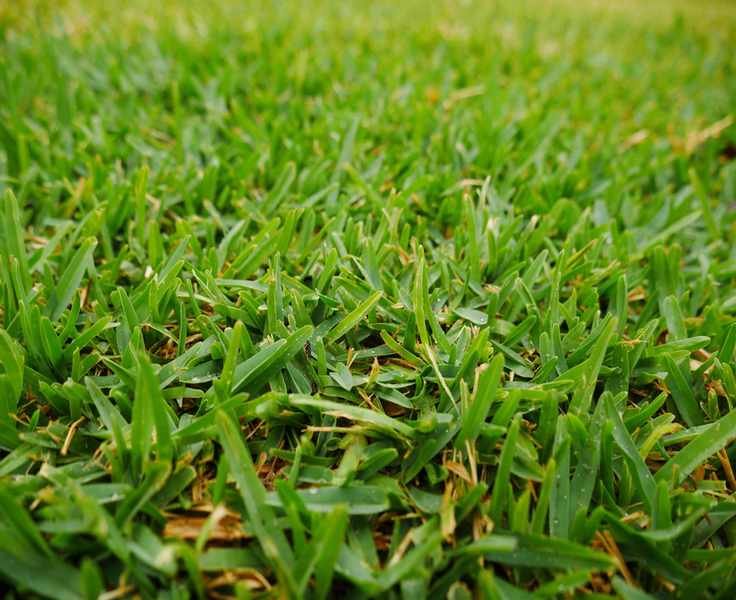
Buffalo grass is a native warm-season grass perfect for sunny zones, maintaining a rich green color even in extreme heat with minimal mowing and watering. For rapid establishment, it's recommended to buy as sod.
UC Verde is an excellent buffalo variety developed for California's climate and dry desert valleys like Tucson, Arizona.
For cooler temperate regions, perennial ryegrass is a solid choice for sunny spots.
6. Fast-Growing Grass Seed for Semi-Shaded Areas

A grass mix is often ideal for yards with both sunny and partially shaded sections.
According to Peter Landschoot, a grass mix ensures your lawn flourishes in varying conditions. For sunny lawns with trees, try a mix of 40-60% Kentucky bluegrass, 30-40% fine fescues, and 10-20% perennial ryegrass. In contrast, for shaded lawns, use 50-60% fine fescues, 30-40% Kentucky bluegrass, and 10-20% perennial ryegrass.
7. Fast-Growing Grass Seed for Heavy Traffic

Kentucky bluegrass withstands heavy foot traffic, making it one of the most popular grasses in the US. It yields a dense, dark green lawn with average texture. For quicker results, purchase as sod and mix it with perennial ryegrass in many areas.
With a shallow root system, it's suitable for cooler climates but not ideal in warmer areas unless kids frequently play on it. Bermuda and zoysia excel in warm climates for heavy use, while tall fescue works well in mild to cool regions.
Kentucky Blue Grass Seed, $28.99, Amazon
This Kentucky Bluegrass Mix creates a thick, resilient lawn. Suitable for full sun and light shade, it offers moderate drought resistance. This price is for a 3lb bag (covering approximately 3,000 sq ft).
8. Fast-Growing Grass Seed for Low Traffic Areas
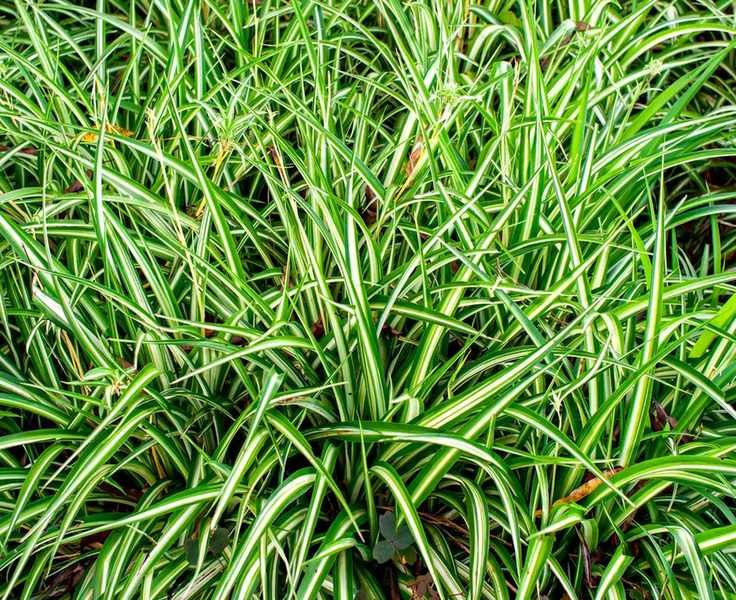
Carex (sedge) is a stylish alternative to traditional lawn grass, ideal for areas with minimal foot traffic.
Hoffman Nursery suggests using several grasses and sedges as turf alternatives. They provide low ground cover that requires less mowing or fertilizing. Some thrive in shade, while others prefer full sun. They can be trimmed high for a neat look or left unmowed for a natural aesthetic.
Carex is a low-growing evergreen with attractive arching foliage available in gold, cream, bronze, and green varieties. Consider mixing these grasses with nectar-rich perennials for a vibrant, informal prairie look.
9. Fast-Growing Grass Seed for Low Rainfall Areas
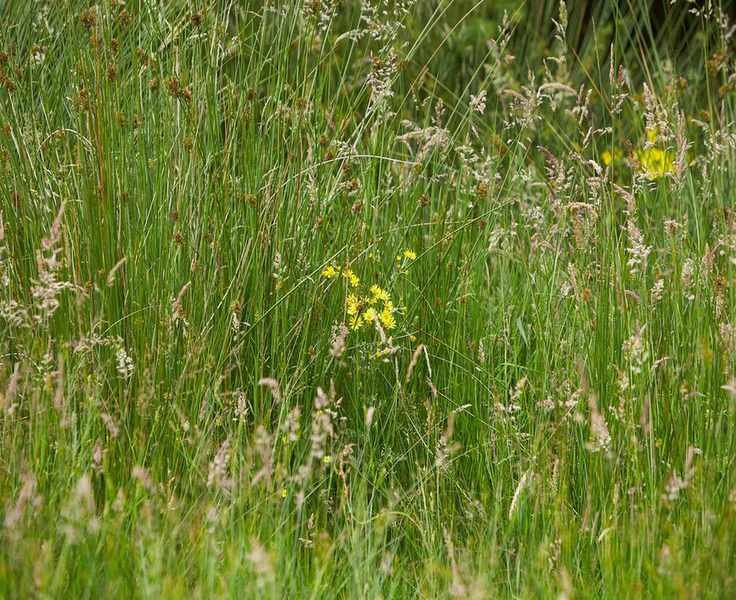
Tall fescue is drought-tolerant and low-maintenance, making it ideal for sunny regions with low rainfall.
According to Peter Landschoot, during droughts, tall fescue remains green when other grasses turn brown. However, it should be planted alone, as its light green color doesn't blend well with finer grasses like Kentucky bluegrass. Always buy high-quality