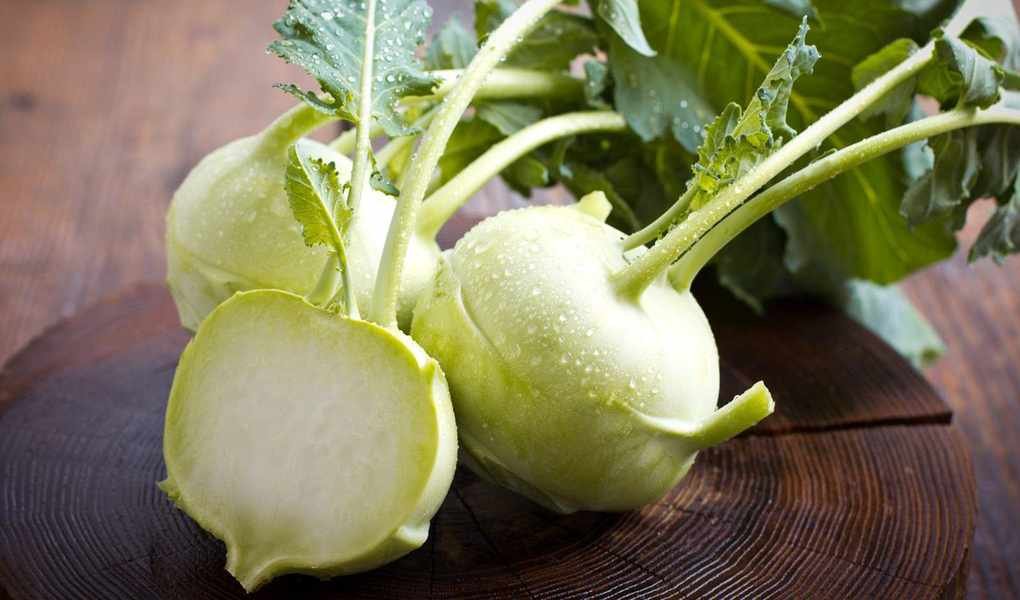
Kohlrabi stands out with its unusual appearance and is gaining traction among home gardeners for its delightful taste and versatility.
I've cultivated both white and purple varieties of kohlrabi for culinary purposes, emphasizing the importance of harvesting at the right moment. If left too long in the garden, the flavor can become bitter and chewy.
This vegetable matures faster than many brassicas, typically ready for harvest within seven weeks post-sowing. This quick growth allows for an extended harvesting season, especially with succession planting.
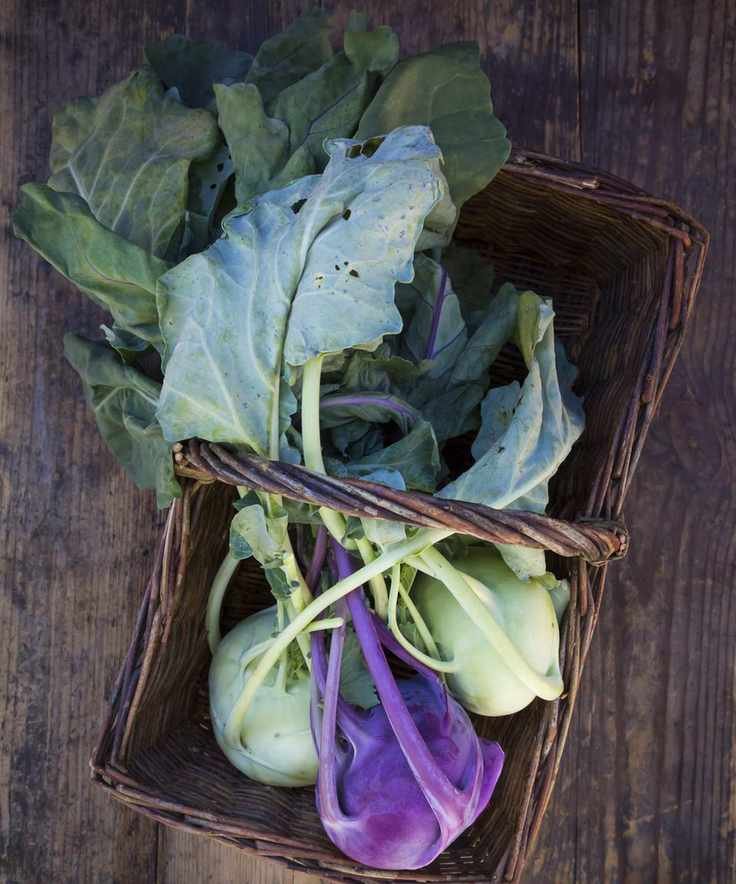
Kohlrabi can be planted and picked over several months
Varieties of Kohlrabi for Cultivation
There's a selection of kohlrabi types to consider. Most commonly, you'll find varieties with either purple or white skin, but both types have white flesh. They also come in differing stem shapes, either round or flat.
Stem size can vary as well. To ensure a successful harvest, let's explore the best timing and methods for kohlrabi collection.
Determining When to Harvest Kohlrabi
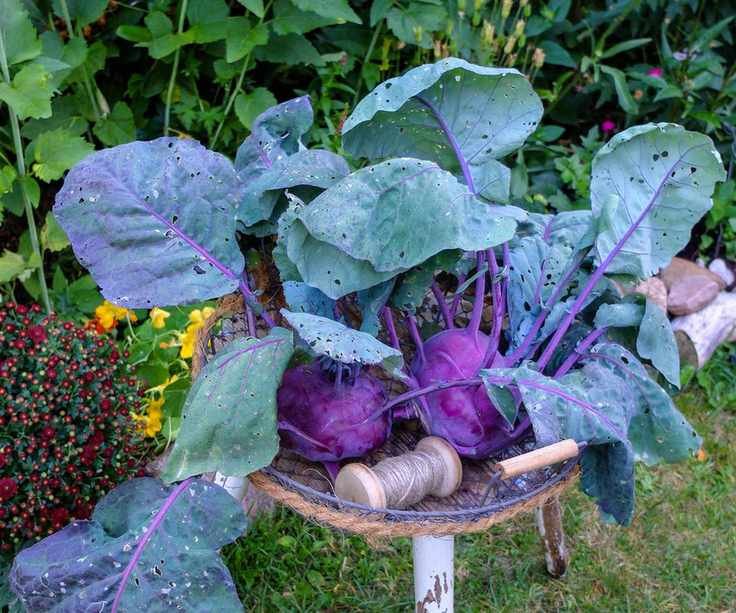
Harvesting kohlrabi at the right moment is crucial
Kohlrabi is a rapid-growing crop, allowing for quick culinary delights. Unlike cauliflower or Brussels sprouts, which require patience, kohlrabi is a fast option.
This vegetable is valued for its swollen stem. Since the color and texture remain consistent as it ripens, the best indicator for harvest time is the size of the stem.
The days to maturity vary by kohlrabi type, so always check the seed packet for guidance on the growth timeline.
Depending on your chosen varieties and if you're succession sowing, you can harvest from May to November. Typically, the crop is ready within 50 to 70 days post-sowing, ideally when the stem measures 3-4 inches across. For many varieties, the best size resembles a cricket ball.
Some giant kohlrabi types, like the superschmelz giant white available at True Leaf Market, should be picked when they reach 8-10 inches in diameter.
Allowing giant kohlrabi to grow large is acceptable, but permitting other types to overgrow leads to woody stems and an unpleasant, bitter taste.
Steps to Harvest Kohlrabi
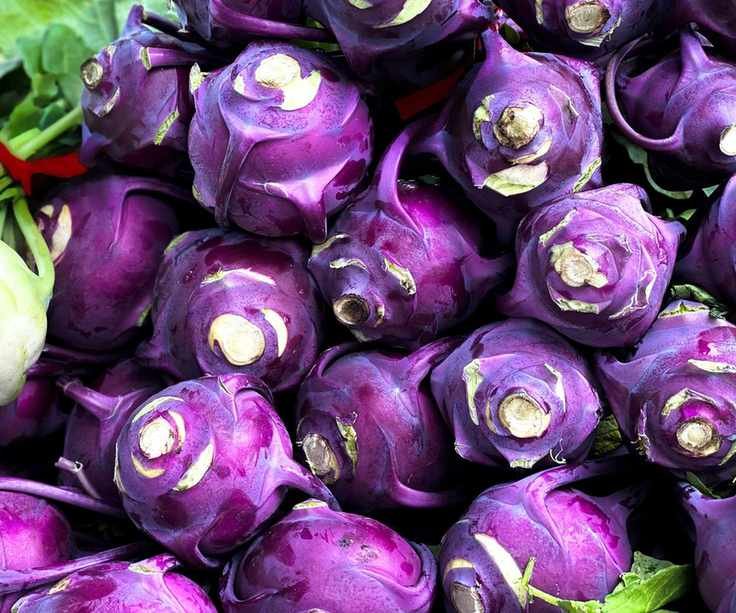
Properly harvested kohlrabi can last 2-4 weeks in the fridge
Now that you know when to pick kohlrabi at its peak size, it's essential to learn how to harvest without causing damage.
Harvesting kohlrabi is simple and requires minimal gardening tools: a pair of sharp pruning shears or a knife.
For the best results, I recommend uprooting the entire plant, shaking off the excess soil. Use pruning shears to snip off the roots and trim away the shoots and leaves.
Alternatively, you can cut the enlarged stem at its base with shears or a knife. Leaving the base in the ground allows it to regrow if you wish to collect seeds later.
After harvesting, kohlrabi should be cleaned thoroughly and peeled before consumption. It can be enjoyed raw in salads or cooked like turnips or rutabaga.
Essential Tools for Kohlrabi Harvesting
Harvesting Knife
This knife is perfect for cutting through thick stems and stalks. Its stainless steel blade features a flat tip for quick cuts and a serrated edge for fibrous plants.
Bypass Pruning Shears
Heavy-duty, sharp pruning shears made from Japanese stainless steel are ideal for trimming stems or branches up to 1 inch in diameter.
Garden Tool Sharpener
A tool designed to sharpen single and double beveled blades, including knives, mower blades, pruners, loppers, hedge shears, and more.
When to Harvest Kohlrabi Leaves
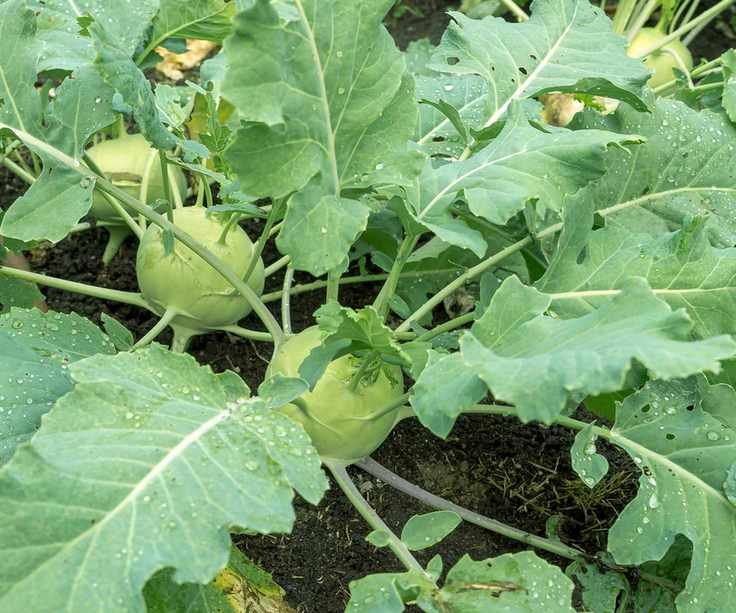
Kohlrabi leaves can be picked at any time during the growing season
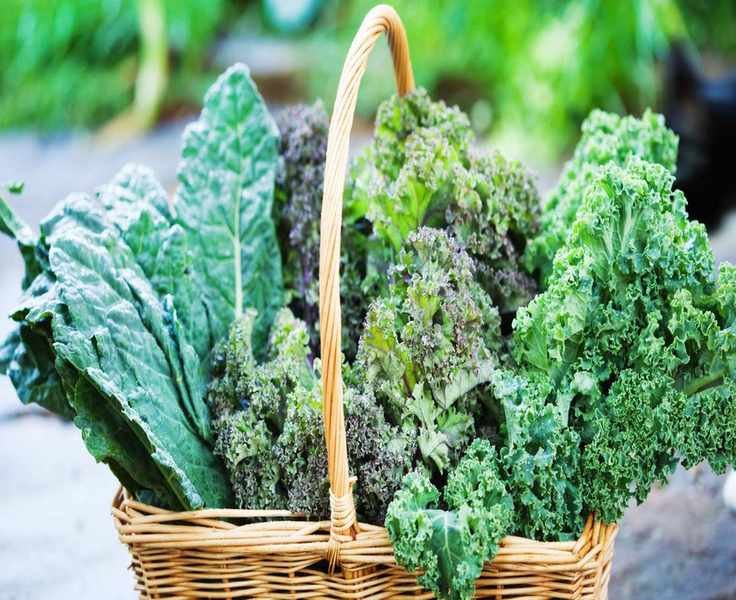
Kohlrabi leaves are also edible and should not be overlooked. While many grow kohlrabi for the stem, the greens are nutrient-rich and beneficial.
You can snip the leaves once they reach a usable size, but avoid pulling them to prevent uprooting the plant. It's best to harvest no more than one-third of the leaves to ensure the plant continues to thrive.
Kohlrabi greens should be washed before eating. Smaller leaves can be added to salads, while larger ones are better cooked, similar to spinach or collard greens.
Common Questions
Can Kohlrabi Regrow After Harvesting?
Yes and no: kohlrabi is a biennial plant, which can return the following year if you leave the base in the ground during mild winters. However, it will only regrow for seed production, not for more stems. It's good for seed collection but for more harvests, you must continuously sow over time. Don't forget to keep harvesting the leaves even after the bulb is taken.
Like all brassicas, kohlrabi should be shielded from various pests. The cabbage white butterfly is a major threat, as its caterpillars can severely damage plants.
Insect netting is effective for keeping caterpillars away from your kohlrabi. A suitable option is this insect netting available at Walmart.